
Film
Stromboli
Ingrid Bergman arrives on a volcanic Italian island as a newlywed to a man she barely knows. Rossellini's film is a stark, uncompromising portrait of cultural collision and marital disillusionment—beautifully shot but emotionally severe. It's for viewers who want cinema that resists comfort, who believe marriage dramas can be as urgent as thrillers.
If you liked this
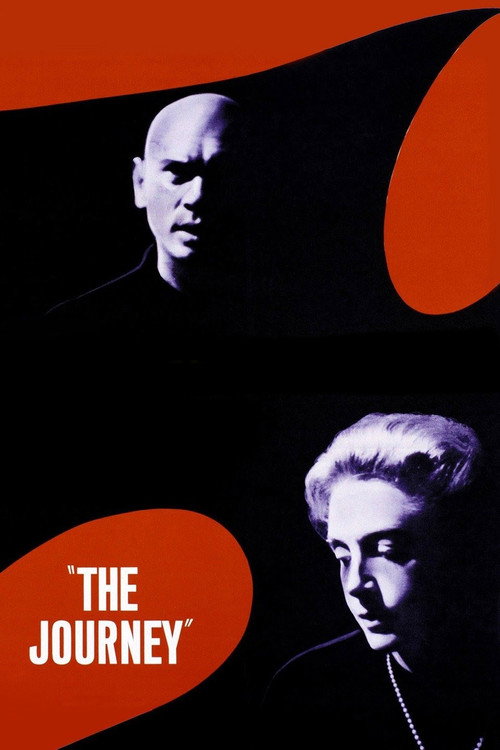
The Journey1959
Another Bergman film about a woman navigating impossible circumstances with quiet dignity. She's surrounded by political tension, moral ambiguity, and the constant possibility of danger. Visually sumptuous and psychologically dense.
But It's dialogue-heavy in places and moves at a measured pace. If you want propulsion, this isn't it. The ending feels more ambiguous than conclusive.
Bicycle Thieves1948
Italian neorealism at its purest: a father and son in post-war Rome, ordinary people in an extraordinary bind. Rossellini's spiritual cousin, devastating without melodrama. Every frame matters.
But There's almost no plot. It's a day in the life that refuses to comfort you. Some find it slow; others find it unbearably sad.

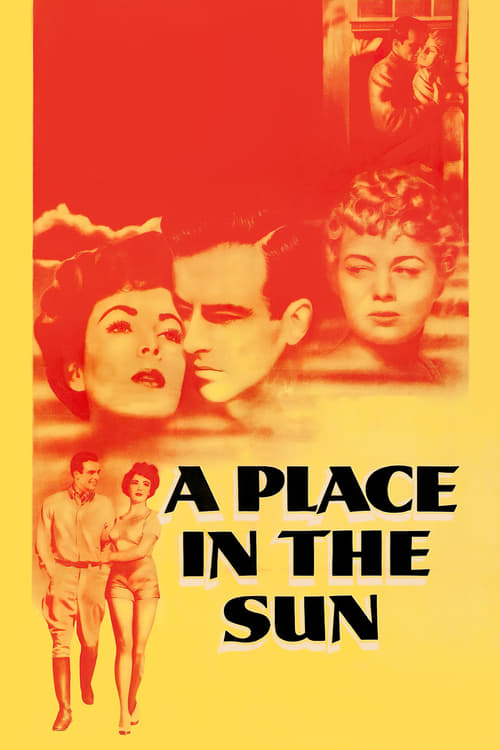
A Place in the Sun1951
Montgomery Clift as a man trapped between two worlds, two women, and his own ambition. Visconti's influence is clear; so is the suffocating weight of circumstance. American cinema, but with a European sensibility.
But It's a melodrama, and some of the theatrical gestures feel dated. The pacing in the middle sags. It's long and it knows it.
Not sure tonight? Get a pick in a minute, starting from Stromboli
The wildcard
Something you would not have found on your own.
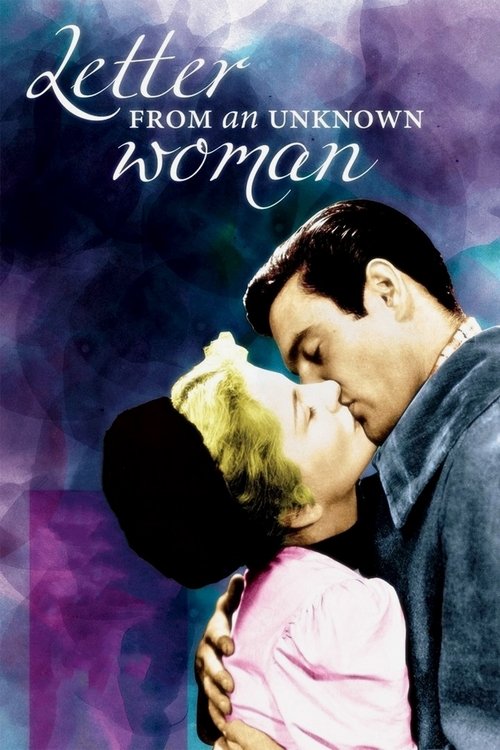
Letter from an Unknown Woman1948
Both films hinge on a woman confronting the brutal gap between romantic fantasy and lived reality. One makes marriage a daily nightmare; Ophüls makes courtship a beautiful heartbreak. Both unflinching about female desire and its cost.
Ophüls' masterpiece: a woman writes to a man she loved, and he reads her letter. It's structured as memory itself, baroque and devastating. Joan Fontaine is luminous. Utterly transcendent romance-as-tragedy.
But It's sentimental in a very old-fashioned register. The melodrama is deliberate, not accidental. If you resist the film's swooning romanticism, you'll feel manipulated rather than moved.
More like this (6)
Contempt1963
Godard's masterpiece about marriage falling apart in real time, between a couple and a film production. It's playful and then it's heartbreaking. Brigitte Bardot, Michel Piccoli, and that theme song. Ravishing and cruel.
But Godard's formal games can feel precious. If you don't engage with his ideas about cinema itself, the film can seem cold. Long takes of people talking.

The Red Shoes1948
Powell and Pressburger's fever dream about art, love, and impossible choice. A woman must choose between her lover and her vocation. It's operatic, gorgeous, and genuinely tragic—the dance sequences alone justify the time.
But It's very theatrical, very British, very mid-century. The gender politics, while interesting, feel of its time. Some find the artifice off-putting.

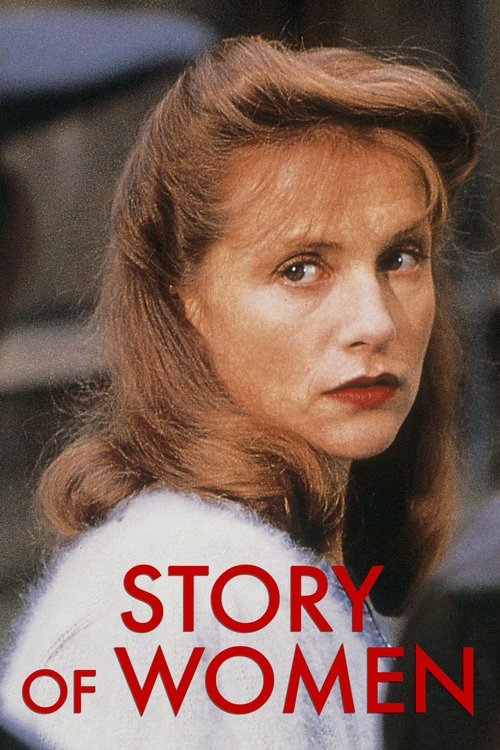
Story of Women1988
Chabrol's portrait of a woman in Occupied France making impossible choices to survive. Isabelle Huppert is extraordinary. It's a character study that builds to genuine horror. Morally unflinching.
But It's bleak. The ending is devastating in a way that doesn't feel cathartic. French cinema's best at moral ambiguity, which some experience as depressing.
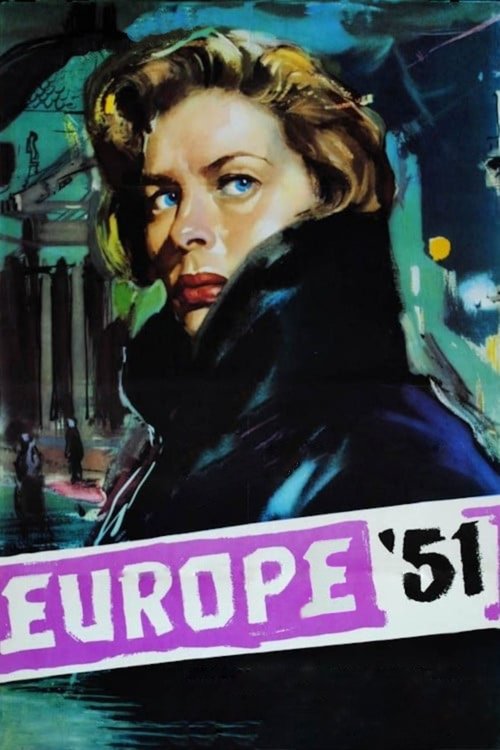
Europa '511952
Another Rossellini, with Bergman again, this time as a wealthy American woman confronting poverty and faith in post-war Rome. It's metaphysical, strange, and quietly radical in its compassion.
But It's even less plot-driven than Stromboli. The spirituality is explicit and might feel didactic. Rossellini's style is minimalist in a way that demands patience.
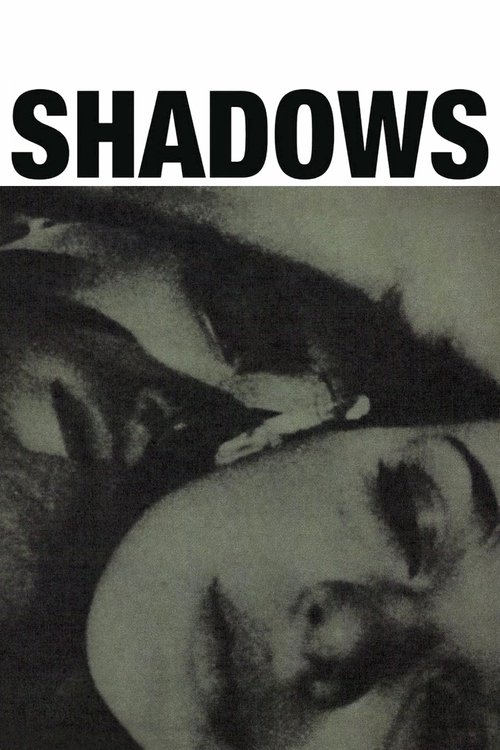
Shadows1960
Cassavetes' improvisational masterpiece about race, identity, and belonging in New York. It feels like overhearing real conversations. Raw, alive, and structurally daring—a film that still feels dangerous.
But The sound is rough (intentionally), the plot threads don't resolve neatly, and the style can feel formless. It won't give you clear answers or emotional resolution.
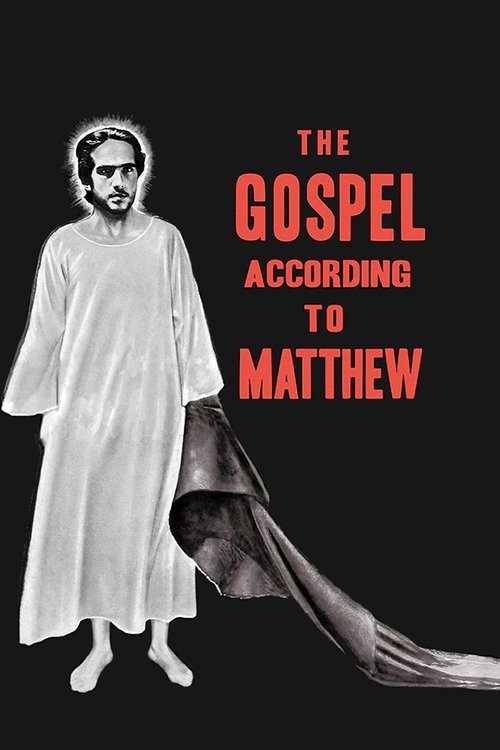
The Gospel According to St. Matthew1965
Pasolini's radical retelling of Matthew using non-actors and stark locations. It's austere, powerful, and politically charged. The faces are extraordinary. A film about faith made as a document of human suffering.
But It's aggressively austere. Some find it dry or overly ideological. The pacing is liturgical—it asks you to sit with moments rather than move through them quickly.
People
Cast
 Ingrid BergmanKarin Bjornsen
 Mario VitaleAntonio Mastrostefano
 Renzo CesanaThe Priest
 Mario SponzoThe Man from the Lighthouse
- Gaetano FamularoMan with Guitar (uncredited)
- Angelo MolinoChild (uncredited)
- Roberto OnoratiMan (uncredited)
Directing
- Marcello Caracciolo Di LaurinoAssistant Director
- Roberto RosselliniDirector
Writing
- Art CohnScreenplay
- Félix MorliónScreenplay
- Gian Paolo CallegariScreenplay
- Renzo CesanaScreenplay
- Roberto RosselliniScreenplay
- Sergio AmideiScreenplay
- Roberto RosselliniStory
Production
- Roberto RosselliniProducer
Recommended by
The Teacher and the Miracle, White Material, Europa '51, The Brothers