
Film
The Journey
A 1959 Cold War romance caught between ideology and desire. Deborah Kerr plays a woman escaping Hungary with her husband; Yul Brynner is the Soviet officer who lets them go, torn between duty and love. It's chamber-drama tension wrapped in geopolitics—intimate and fraught, where every glance carries the weight of borders and betrayal. For those who love their romance shadowed by history.
If you liked this
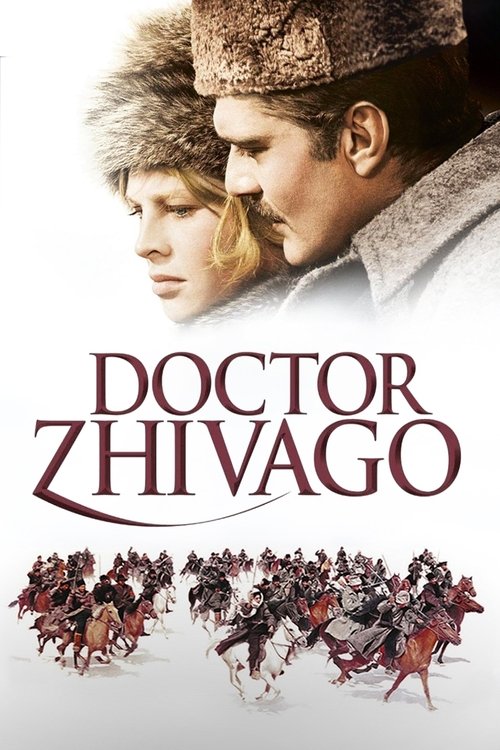
Doctor Zhivago1965
Lean's sweeping Cold War romance across revolution and exile. Like The Journey, it finds tenderness in impossible circumstances—but with the resources to make passion feel genuinely epic and doomed.
But Nearly four hours long, and the pacing can feel glacial if you're not already invested in watching snow fall very meaningfully.
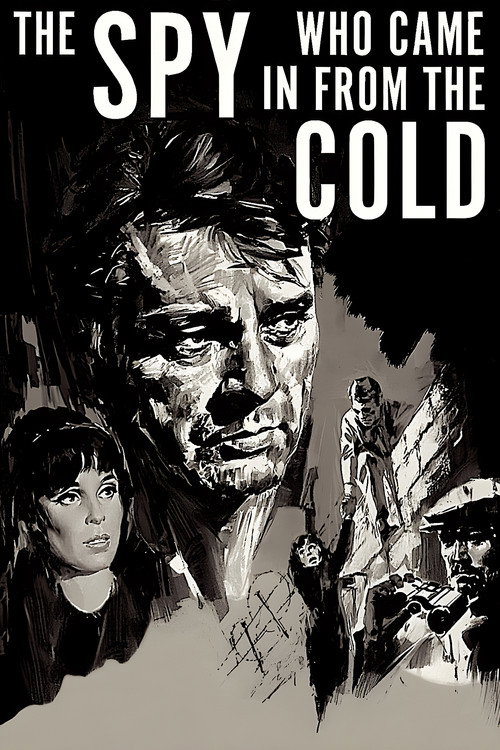
The Spy Who Came In from the Cold1965
Le Carré's bleak espionage thriller where ideology corrodes everything, including love. Shares The Journey's conviction that the Cold War was a moral trap, not a game to be won.
But Grindingly downbeat, with no romantic compensations and characters who make choices that hurt. It's unsparing in ways that might feel punishing.
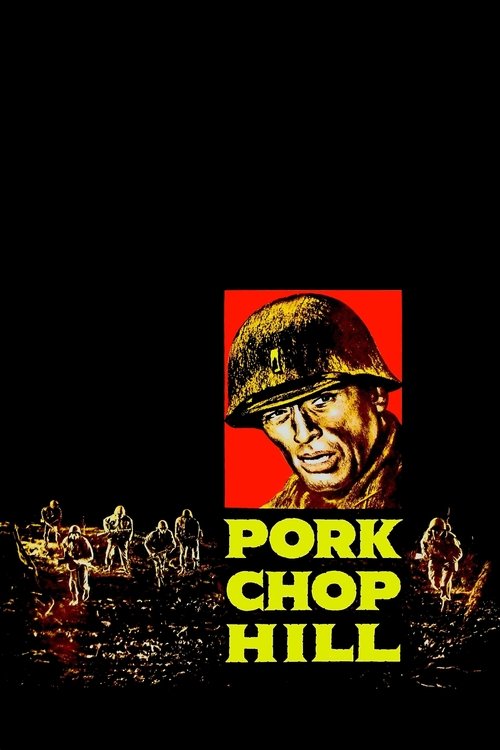
Pork Chop Hill1959
Released the same year, another war film about duty versus humanity. Gregory Peck commands a squad ordered to hold a meaningless position. That same tension between following orders and doing right.
But It's a war picture first, not a romance. If you came for Brynner's conflicted heart, you'll get battlefield strategy instead.
Not sure tonight? Get a pick in a minute, starting from The Journey
The wildcard
Something you would not have found on your own.
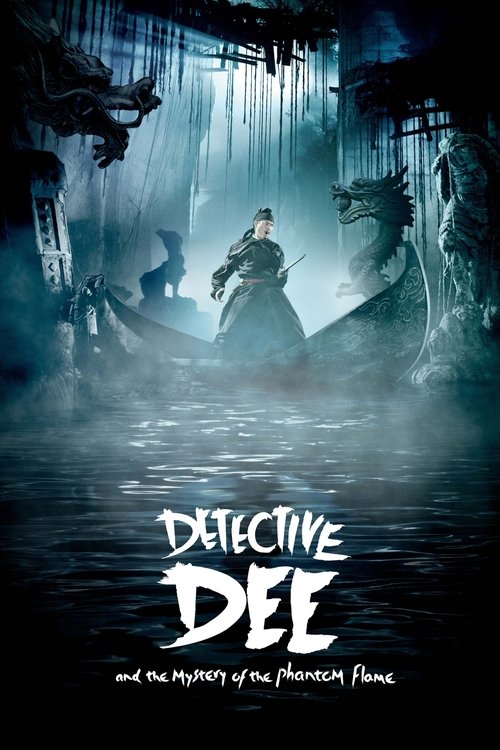
Detective Dee and the Mystery of the Phantom Flame2010
Not just the same premise but the actual historical moment: Hungary, 1956, the Soviet occupation and the escapes it prompted. The Journey was written in response to that crisis. This film was made in its aftermath, in Hungary itself, by a director the regime allowed to work precisely because they thought he was safely within their control. Both are born from the same wound.
A Hungarian resistance fighter and a Soviet colonel in Budapest, 1944. It shares The Journey's DNA exactly—the same history, the same romance-across-ideology premise—but it was made earlier, cheaper, and nearly lost to time. Rediscovered recently: urgent and oddly moving.
But The print quality is variable, and the production values are a fraction of what 1959 could offer. It requires accepting significant technical limitations to find the story underneath.
More like this (8)
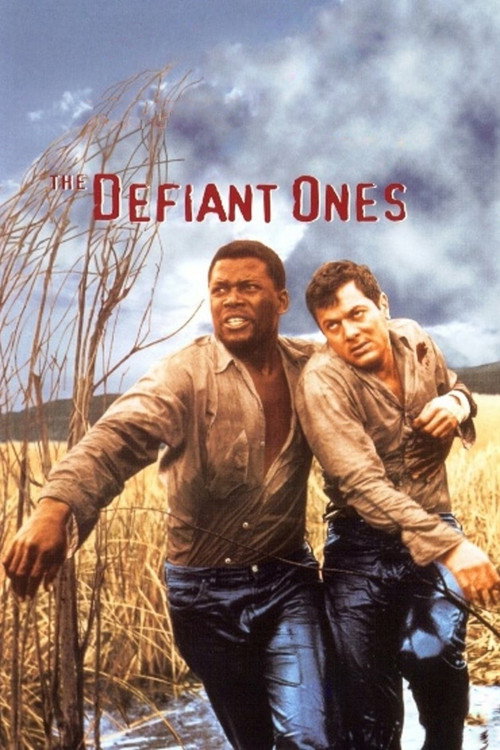
The Defiant Ones1958
Two men—one Soviet, one American—shackled together by circumstance, learning to see past propaganda. Similar moral arithmetic: when systems demand you hate someone, what do you do when you actually meet them?
But Tonally it swings toward thriller-drama rather than romance. The intimacy is reluctant and tested, not tender.
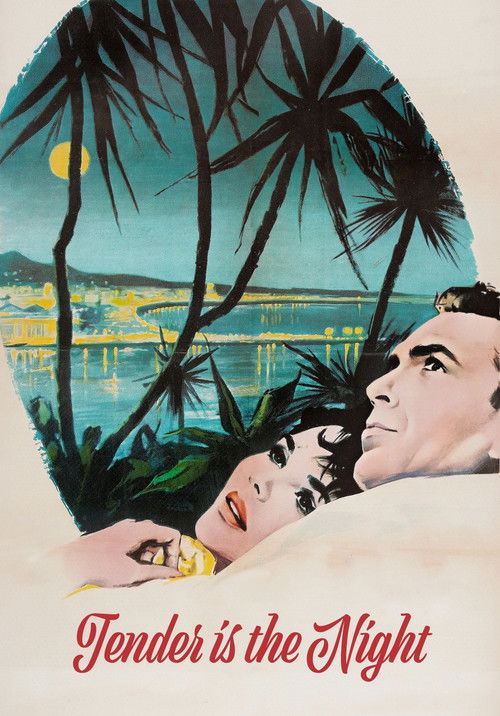
Tender Is the Night1962
Another film about marriage tested by passion and circumstance. Jason Robards (who's also in The Journey) navigates desire and obligation with the same understated anguish. Fitzgerald's world, gorgeously shot.
But Can feel stodgy and overstuffed; the 1962 adaptation tries to contain too much and sometimes just feels slow and pretty rather than affecting.
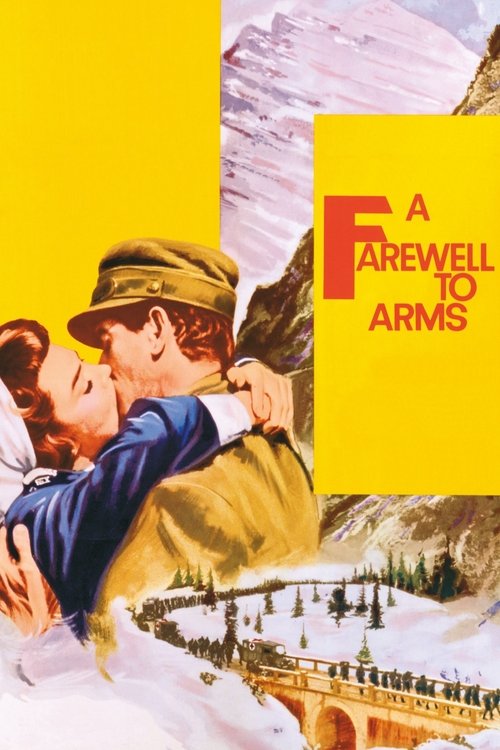
A Farewell to Arms1957
Hemingway's World War I romance: an American officer and a British nurse defy war itself to be together. That same ache of love as rebellion against systems that don't care about you.
But The chemistry between Rock Hudson and Jennifer Jones feels tepid, and the film's restraint sometimes reads as emotional distance rather than intensity.
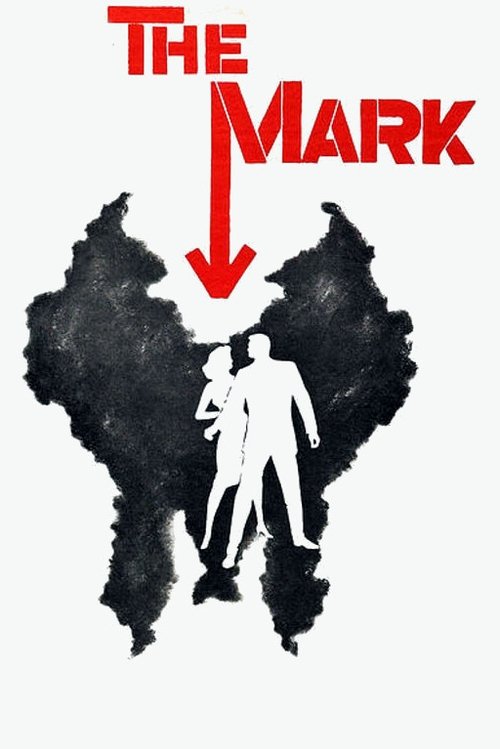
The Mark1961
Rod Steiger as an ex-convict trying to rebuild; the film is quietly about redemption and whether people can change. Less overtly romantic than The Journey, but that same faith in individual humanity over categorical judgment.
But Released to modest attention and hasn't aged into fashion. It's genuinely good but requires patience and faith in low-key storytelling.
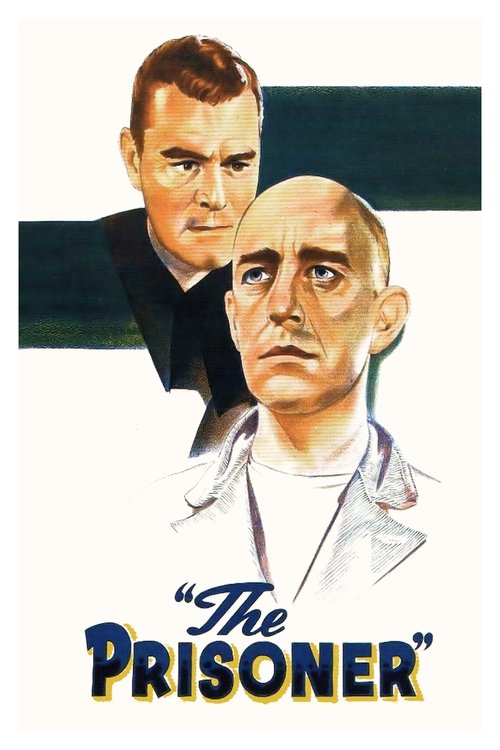
The Prisoner1955
Gérard Philipe as a political prisoner interrogated by a cardinal. Not romantic, but that same claustrophobic intensity—one room, two people, ideology versus conscience, faith versus power. Moral vertigo.
But Extremely stagey and talky. If you need plot momentum or action, you'll find this almost unbearably static.
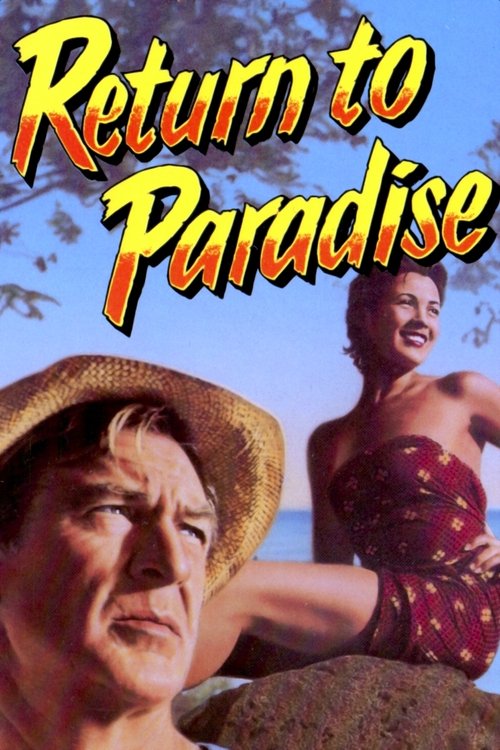
Return to Paradise1953
Gary Cooper and Barry Fitzgerald in the South Seas, grappling with loyalty and sacrifice. Quieter than The Journey, but that same question: what do you owe to others, and at what cost?
But Feels like a comfort film now—pleasant rather than urgent. The stakes feel smaller and the emotional core less fraught than you might hope.
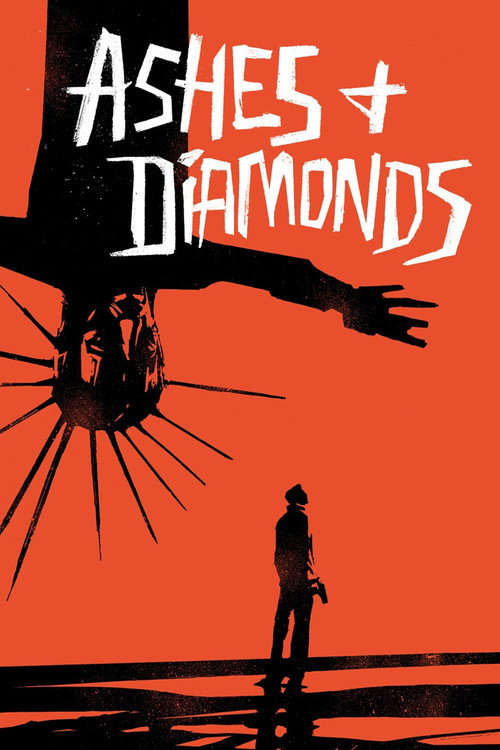
Ashes and Diamonds1958
Both films are Eastern European responses to Soviet occupation and the Cold War—but Wajda made this in Poland, under the Soviets' own film industry, using cinema as a way to ask forbidden questions. The Journey was made in safety in Hollywood. This one was made in danger. The moral ambiguity goes deeper because the filmmaker was risking something real.
Andrzej Wajda's Polish masterpiece about a resistance fighter and a Communist sympathizer on the night before Poland's new order takes hold. Black-and-white, taut, achingly modern. Ideological enemies forced into recognition of each other's humanity in twelve hours.
But The pacing is deliberate to the point of severity. Nothing is explained; you're dropped into a world and expected to read the room. Subtitled, and dense with Polish political history you may need to know.
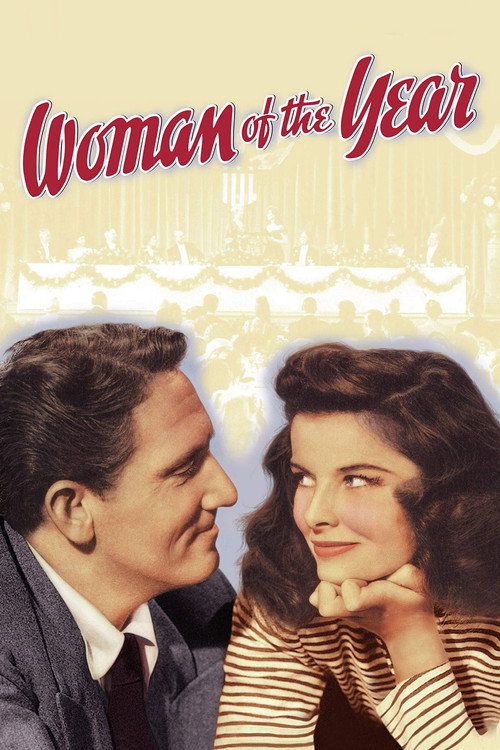
Woman of the Year1942
The Journey is the tragedy version of this premise. Both ask: if you love someone whose politics are opposed to yours, what gives? But where Woman of the Year is buoyant and trusts in the resilience of love, The Journey knows that some positions are irreconcilable—that love and duty genuinely cannot both survive. It's Woman of the Year aged forty years and stripped of hope.
Katharine Hepburn and Spencer Tracy as journalist rivals on opposite sides of a political argument who fall in love. Snappy, witty, utterly alive—but underneath, it's about whether love can bridge genuine ideological difference, or whether it requires one person to surrender.
But It's from 1942 and it's a screwball comedy, which means it operates on a completely different register from The Journey's Cold War shadows. If you want emotional darkness, you won't find it here.
People
Cast
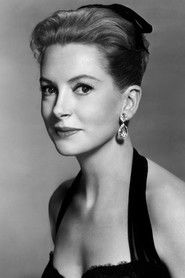 Deborah KerrDiana Ashmore
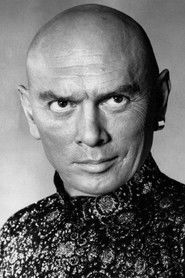 Yul BrynnerMajor Surov
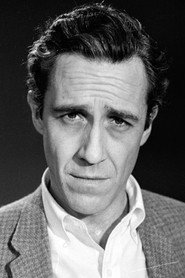 Jason RobardsPaul Kedes
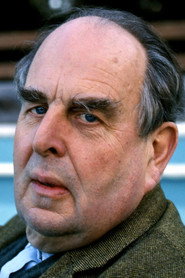 Robert MorleyHugh Deverill
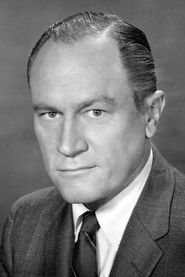 E.G. MarshallHarold Rhinelander
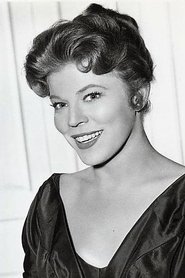 Anne JacksonMargie Rhinelander
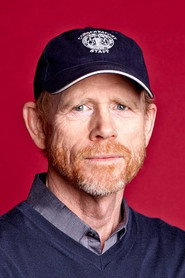 Ron HowardBilly Rhinelander
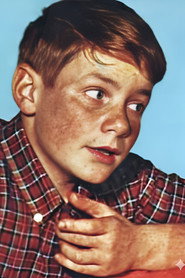 Flip MarkFlip Rhinelander
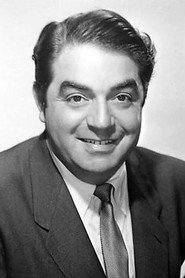 Kurt KasznarCsepege
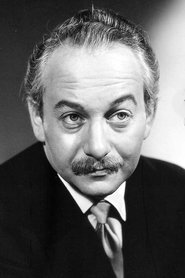 David KossoffSimon Avron
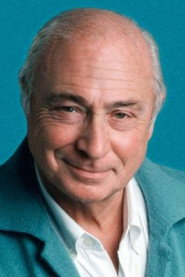 Gérard OuryTeklel Hafouli
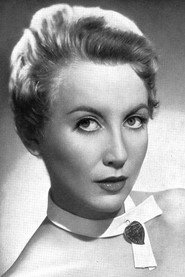 Marie DaëmsFrançoise Hafouli
Directing
- Gerry O'HaraAssistant Director
- Anatole LitvakDirector
- Noël HowardSecond Unit Director
Writing
- George TaboriScreenplay
Production
- Lee KatzAssociate Producer
- Anatole LitvakProducer