
Film
The Mark
A 1961 drama about a man rebuilding his life after prison for a crime against children, with help from a psychiatrist who believes in rehabilitation. It's unflinching about social ostracism and moral complexity, treating a deeply uncomfortable subject with seriousness rather than exploitation. For viewers ready to sit with moral ambiguity and postwar British realism.
Should you watch it?
Watch it if you are drawn to unflinching British drama that treats a hard subject as a question of conscience, and you can sit with long, talky scenes carried by two strong performers.
Skip it if you want a brisk plot, or find a long, static study of a child molester's attempt at rehabilitation too heavy to sit through.
What it asks of you: Just over two hours of patient, dialogue-led scenes where little moves quickly and the mood stays grim, so you must stay with discomfort rather than be rescued from it.
Not sure? Find tonight's pick in a minute.
If you liked this
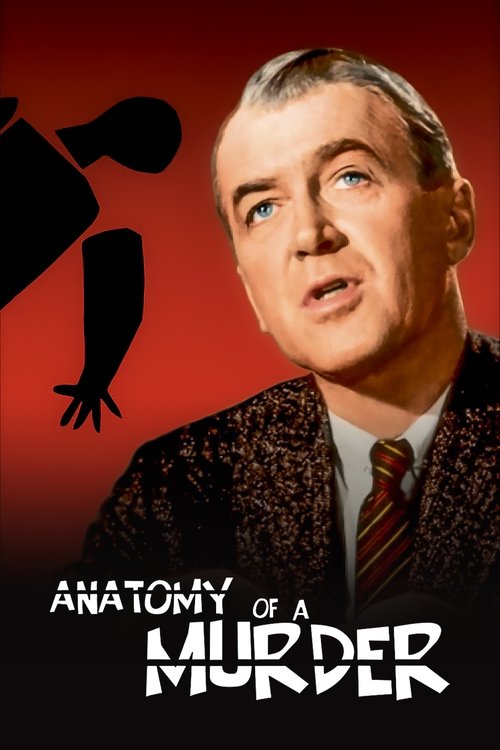
Anatomy of a Murder1959
A courtroom drama that treats sexual violence and institutional failure with the same unflinching attention The Mark does. James Stewart and Lee Remick give career-best performances in a film that refuses easy answers about guilt and innocence.
But It's long, procedurally dense, and the sexual content (shocking for 1959) may feel dated rather than transgressive now. Some find courtroom films tedious.
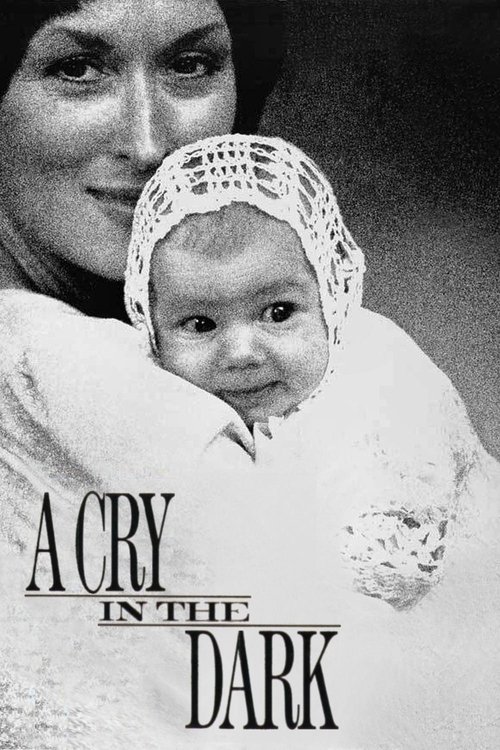
Evil Angels1988
Meryl Streep in a true-crime drama about a mother accused of killing her child. Like The Mark, it's deeply concerned with how society decides who deserves redemption and how reputation becomes a prison of its own.
But The real case's resolution may overshadow the film's moral exploration if you know it already. Streep's accent divides opinion sharply.
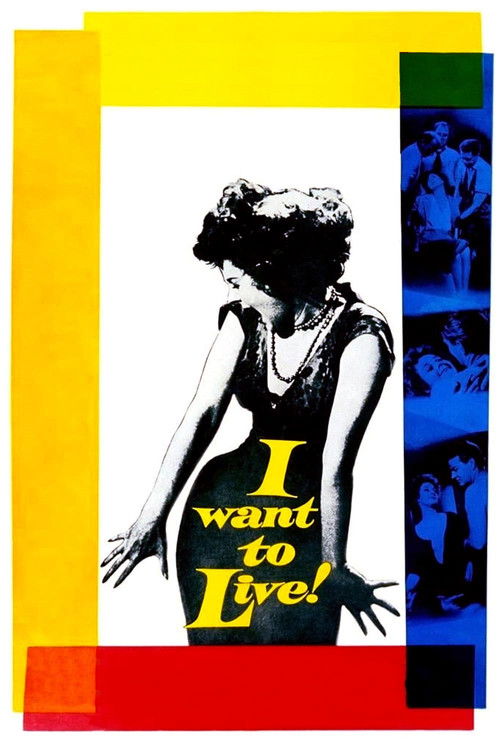
I Want to Live!1958
Susan Hayward plays a woman on death row. It shares The Mark's refusal to look away from state punishment and its belief that the condemned remain human. Harrowing and essential.
But The execution sequences are genuinely distressing. Some find Hayward's performance showy rather than subtle.
Not sure tonight? Get a pick in a minute, starting from The Mark
The wildcard
Something you would not have found on your own.
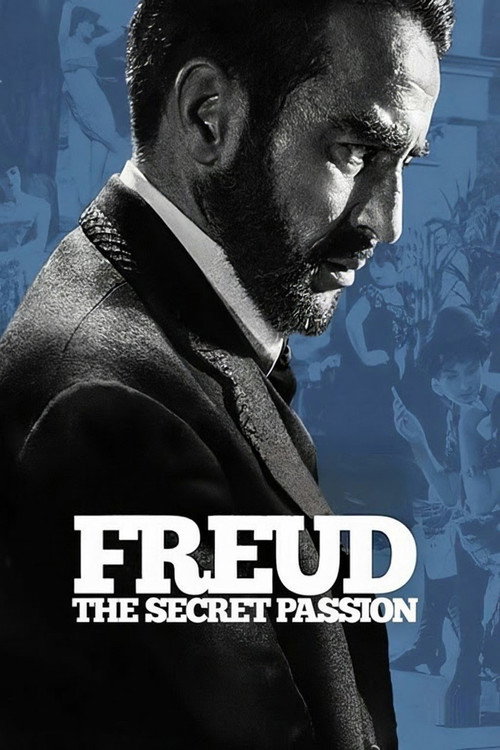
Freud: The Secret Passion1962
Both films argue that understanding the psychology of deviance and damage is an act of compassion, not credulity.
John Huston's film about Freud inventing psychoanalysis. The Mark is essentially about whether Freud was right—can a psychiatrist genuinely help someone rebuild after trauma and transgression? This is the origin myth of that hope.
But It's speculative drama about a historical figure, not documentary. The psychoanalytic framework itself may feel dated or pseudo-scientific to you.
More like this (7)
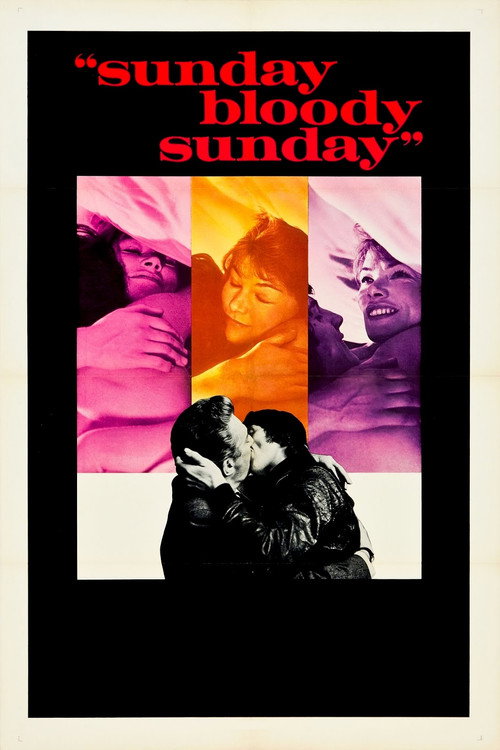
Sunday Bloody Sunday1971
John Schlesinger's film about a psychiatrist caught between two lovers. Like The Mark, it's interested in how intelligent people navigate desire, judgment, and the gap between public morality and private life.
But The pacing is glacial by modern standards. Its treatment of homosexuality, progressive then, reads differently now.
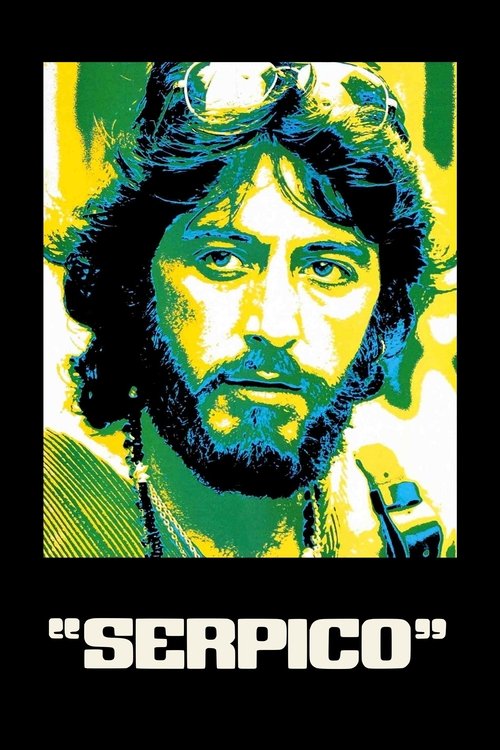
Serpico1973
Al Pacino as a cop trying to do right in a corrupt system. Both films share the premise: one ethical person fighting an institution designed to crush them, and the personal cost of that integrity.
But It's a police procedural that values plot momentum over psychological depth. The idealism may feel naive.
In Cold Blood1967
Richard Brooks's adaptation refuses to sensationalize murders or murderers. It's interested in the psychology of crime the way The Mark is—not as spectacle, but as a window into human failure and moral complexity.
But The murders are real and the film doesn't prettify them. Some find it exploitative despite its intentions. Quite slow.
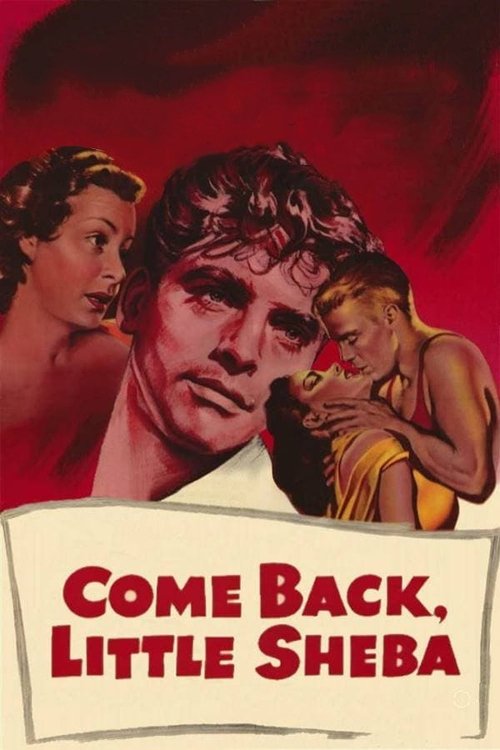
Come Back, Little Sheba1953
Shirley Booth and Burt Lancaster in a marriage falling apart. Like The Mark, it's a character study about people trying to move past their worst selves, and the damage they do in the process.
But Nothing happens. It's a film about stasis and disappointment, which some find narratively limp. Booth's voice is grating to some ears.
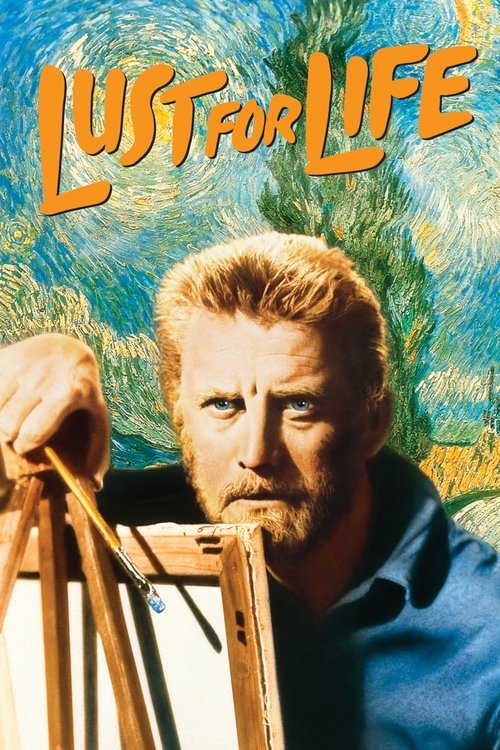
Lust for Life1956
Kirk Douglas as Van Gogh. Both films are interested in people society has written off—the mad, the criminal, the deviant—and ask whether civilization has the grace to hold space for their recovery.
But It's a fairly conventional biopic that reduces Van Gogh to his suffering. The earnestness can feel heavy-handed.
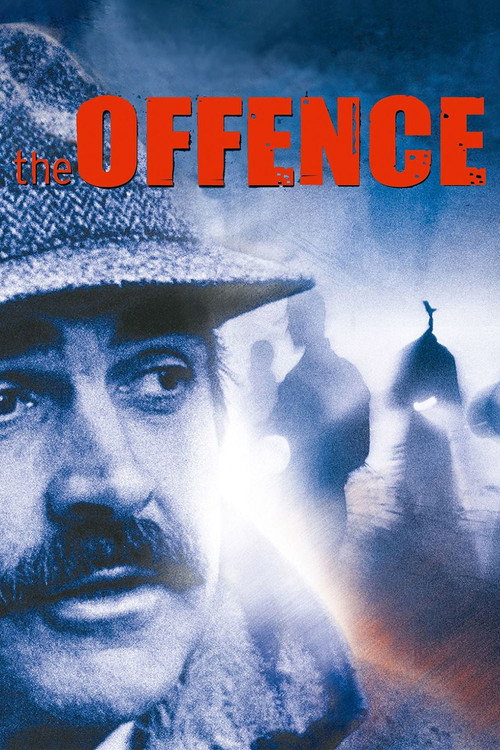
The Offence1973
Same dark subject, opposite perspective: The Mark asks if the transgressor can be saved; The Offence asks if the savior might be corrupted by proximity to the transgression.
Sean Connery as a detective who sexually assaults a suspected child molester. Directed by Sidney Lumet. It's the inverse of The Mark—what happens when society's moral guardian becomes the predator. Savage, difficult, brilliant.
But It's visceral and ugly in ways that feel deliberate and punishing. The assault scene is brutal. Not cathartic or redemptive.
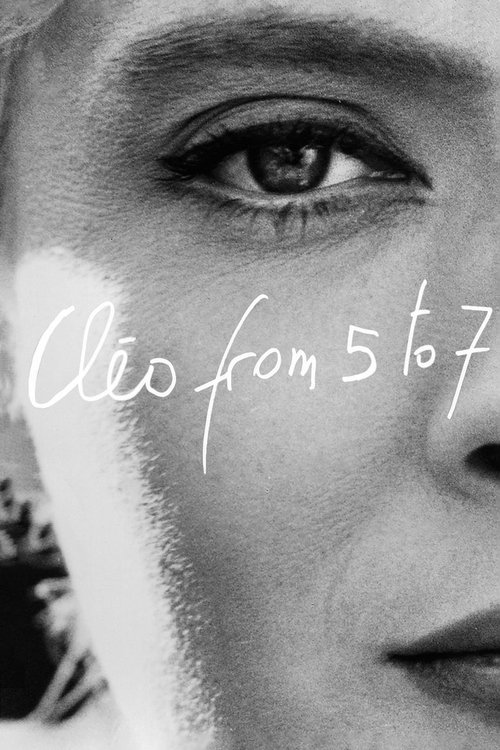
Cléo from 5 to 71962
Both are interested in the gap between social identity and interior life, and both trust the audience to sit with uncertainty about who a person really is.
Agnès Varda's French New Wave film about a woman waiting for test results. It sounds unrelated, but it's about a person moving through a city while invisible, how strangers see you versus who you know yourself to be. The Mark's great theme in an entirely different register.
But It's a 90-minute real-time character study with almost no plot. If you need narrative momentum or drama, this will feel like watching someone's day.
People
Cast
 Maria SchellRuth Leighton
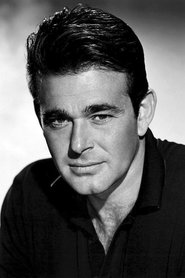 Stuart WhitmanJim Fuller
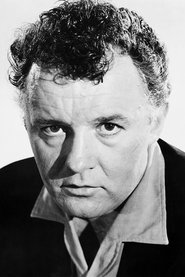 Rod SteigerDoctor McNally
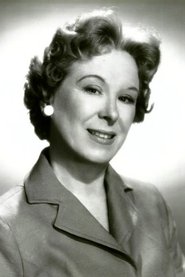 Brenda De BanzieGertrude Cartwright
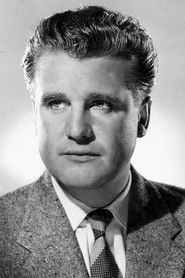 Donald HoustonAustin
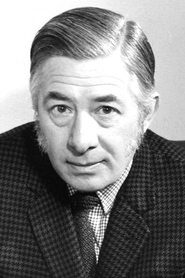 Paul RogersRoy Milne
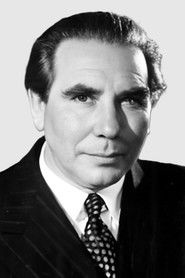 Donald WolfitClive
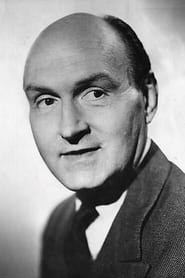 Maurice DenhamArnold Cartwright
 Eddie ByrneAkers
- Amanda BlackJanie
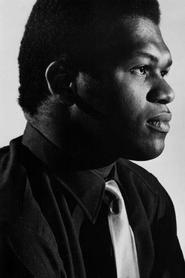 Harry BairdCole
Directing
- Michael BirkettAssistant Director
- Pamela MannContinuity
- Guy GreenDirector
- Jake WrightSecond Assistant Director
- Eamonn DuffyThird Assistant Director
Writing
- Charles E. IsraelNovel
- Sidney BuchmanScreenplay
- Stanley MannScreenplay
Production
- Raymond StrossProducer
Recommended by
Through a Glass Darkly, The Burning Secret, Paul, Apostle of Christ, Pressure Point, The Journey