
Film
Freud: The Secret Passion
A 1962 biopic following Freud's early career as he pioneered psychoanalysis and the talking cure for hysteria. Moody and introspective, it moves slowly through intellectual breakthroughs and personal crises. For anyone drawn to the history of psychology, medicine, or the birth of modern therapeutic practice—and those who love character studies over action.
Should you watch it?
Watch it if you enjoy slow, talky character studies where the drama lives in arguments between brilliant, stubborn men and in a mind slowly confronting its own obsessions.
Skip it if you want brisk pacing or a clear narrative spine; at 140 minutes it meanders through long case sessions and repeated hypnotic episodes that can feel like they circle the same ground.
What it asks of you: Settle in for a long, deliberate sitting where most of the weight falls on conversation and gradually unfolding tension rather than on spectacle or quick cuts.
Not sure? Find tonight's pick in a minute.
If you liked this
The Third Man1949
Carol Reed's masterpiece of moral ambiguity and shadowy Vienna, featuring Orson Welles at his most charismatic and dangerous. Austere, beautifully shot, and endlessly rewatchable.
But It's slow-burn espionage, not a thriller. The famous zither score might feel precious if you're not in the mood.

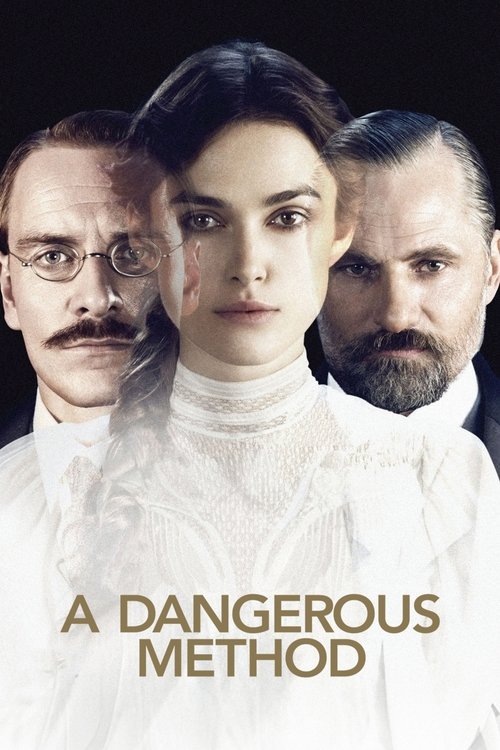
A Dangerous Method2011
Cronenberg examines the relationship between Jung, Freud, and their patient Sabina Spielrein. Intellectually rigorous, sexually charged, and unexpectedly human about the messiness of breakthrough thinking.
But Very talky and restrained. Some find Cronenberg's approach clinical rather than warm; the sexual material might feel gratuitous to others.
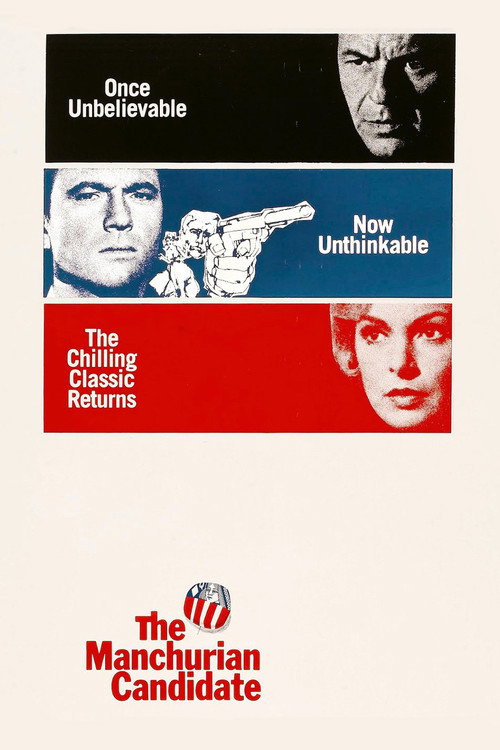
The Manchurian Candidate1962
Released the same year, this paranoia thriller uses psychological manipulation as its engine. Brilliant, terrifying, and completely grounded in Cold War anxiety and fractured minds.
But It's darker and more cynical than Freud. The political plot can feel dated if you're not engaged by early-60s American anxieties.
Not sure tonight? Get a pick in a minute, starting from Freud: The Secret Passion
The wildcard
Something you would not have found on your own.
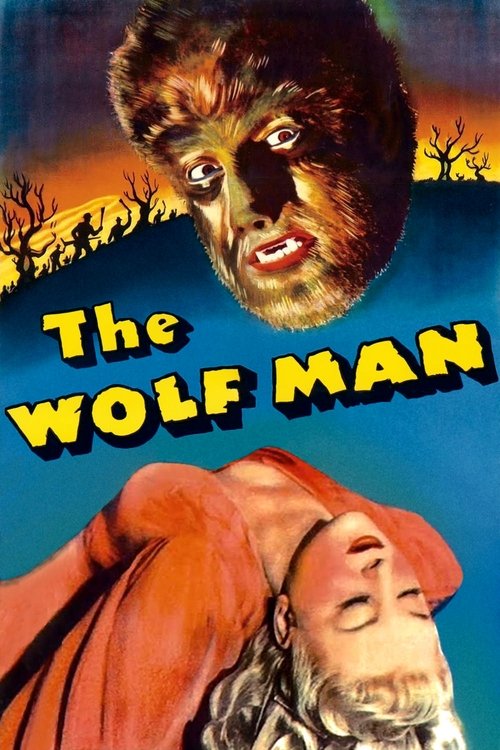
The Wolf Man1941
Both films pit rational, scientific understanding against forces that resist cure. Both are tragedies of insight: knowing why something happened doesn't save you from it.
A Universal horror film where the 'cure' is pursued through psychology rather than superstition. The monster is internal; the tragedy is that understanding the wound doesn't heal it. Beautifully composed and quietly devastating.
But It's a monster movie, and a slow one—no action sequences or jump scares. The special effects are crude by any standard.
More like this (8)
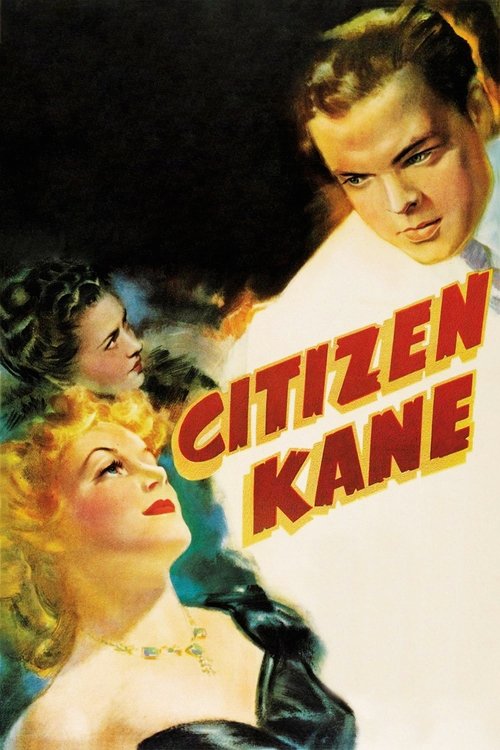
Citizen Kane1941
Welles's debut uses psychoanalytic structure to excavate a life—each scene a memory, each clue pointing inward. Formally revolutionary and surprisingly moving about ambition and damage.
But The pacing is deliberate. Without context, the famous 'Rosebud' reveal can feel like a letdown rather than a catharsis.
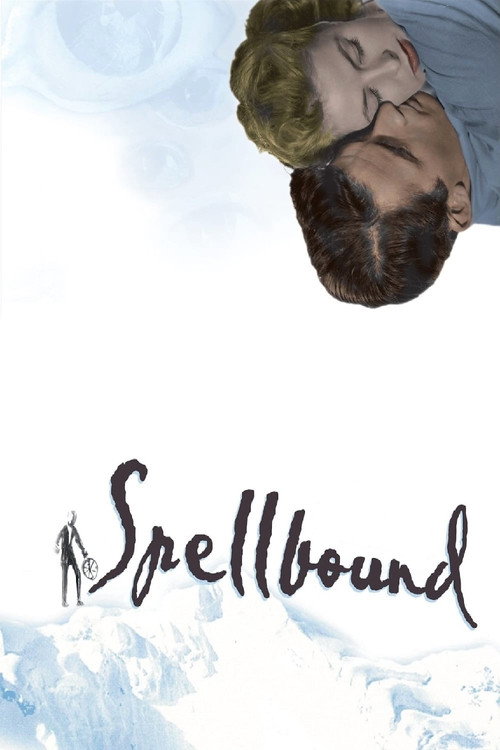
Spellbound1945
Hitchcock's psychoanalytic thriller features Freudian dream logic, a mysterious amnesia, and genuine suspense. Ingrid Bergman is wonderful as the analyst solving the crime through therapy.
But The Freudian interpretation is now dated, and Hitchcock's approach to psychology is more surface than substance. It's more about plot than ideas.
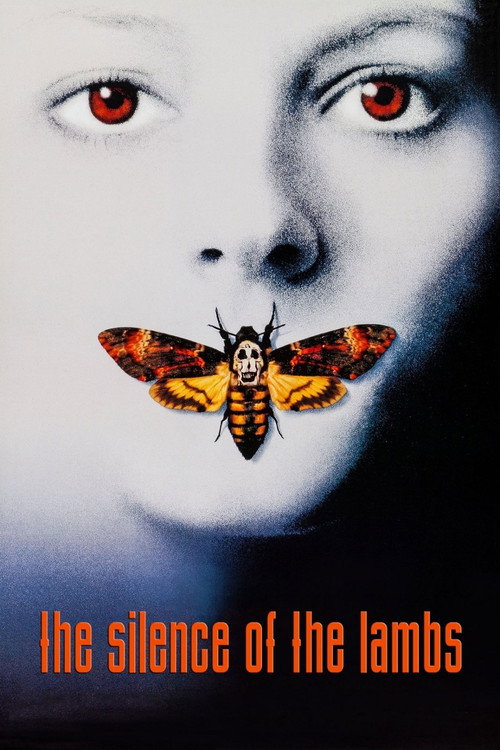
The Silence of the Lambs1991
Modern psychodrama where therapy and interrogation become the real hunt. Brilliant performances, immaculate direction, and a psychological cat-and-mouse game that never stops moving.
But Extremely violent and disturbing. The serial killer content might overshadow the intellectual framework for some viewers.
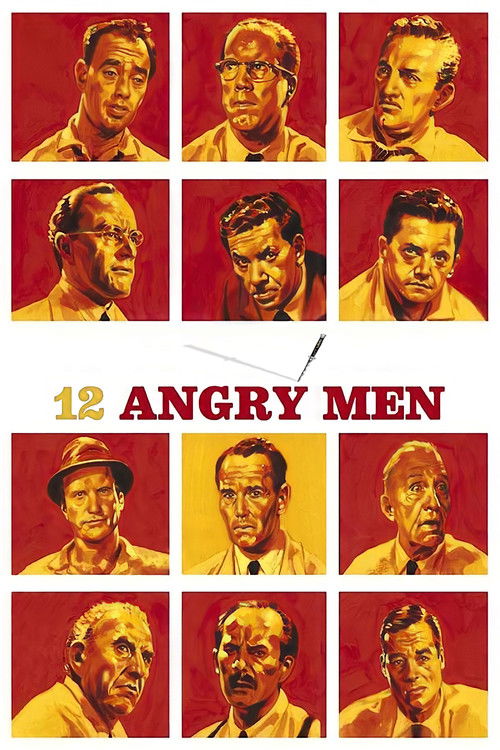
12 Angry Men1957
Sidney Lumet's single-room masterpiece about reasoning, bias, and the human mind on trial. Character-driven, conversational, and utterly absorbing despite zero action.
But Entirely dependent on dialogue and argument. If you need plot momentum or visual variety, this will feel static and talky.
Minari2021
A quiet, moving family drama about generational pain, desire, and the scars we carry into new lives. Lee Isaac Chung finds profound humanity in small moments and silences.
But Almost nothing 'happens' in conventional terms. It's contemplative and slow; some will find it meandering rather than meditative.

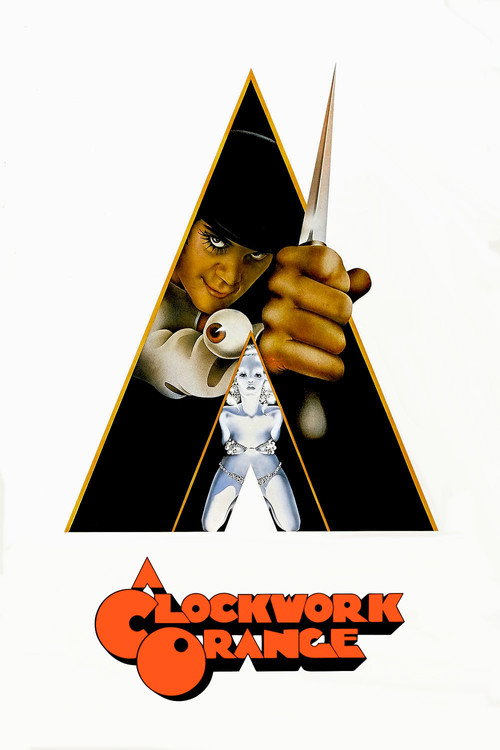
A Clockwork Orange1971
Kubrick's provocative adaptation of psychological conditioning, free will, and the violence embedded in ideology. Visually stunning, aurally stunning, intellectually uncompromising.
But Extremely violent and morally extreme. Kubrick's coldness can feel cruel; the film doesn't offer easy answers or catharsis—some will see that as pretentious distance.
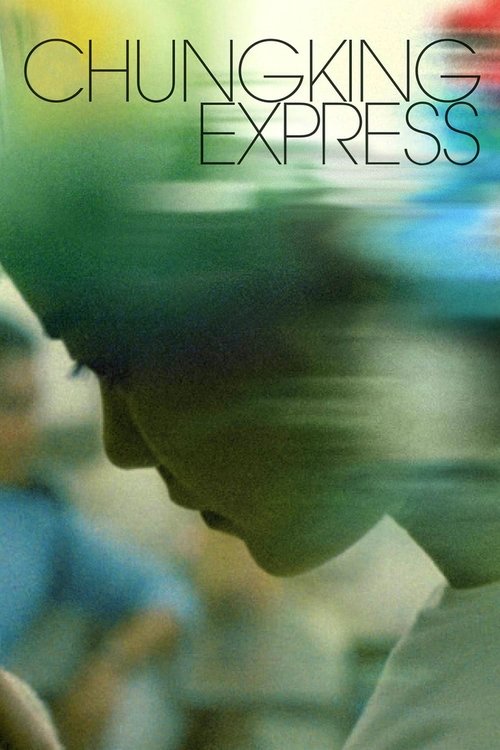
Chungking Express1994
Like Freud, it's interested in how we construct stories about ourselves to survive. Both films suggest that self-knowledge is fragmentary, layered, and never fully resolved—and that that's the human condition.
Wong Kar-wai's fever-dream romance told in fragments, overlapping timelines, and character monologue. Visually sumptuous and emotionally precise about loneliness, longing, and the stories we tell ourselves. It's poetry, not plot.
But Deliberately opaque structure. Some will find it self-consciously beautiful and emotionally distant; others will see the constant style-shifting as distraction from the narrative.
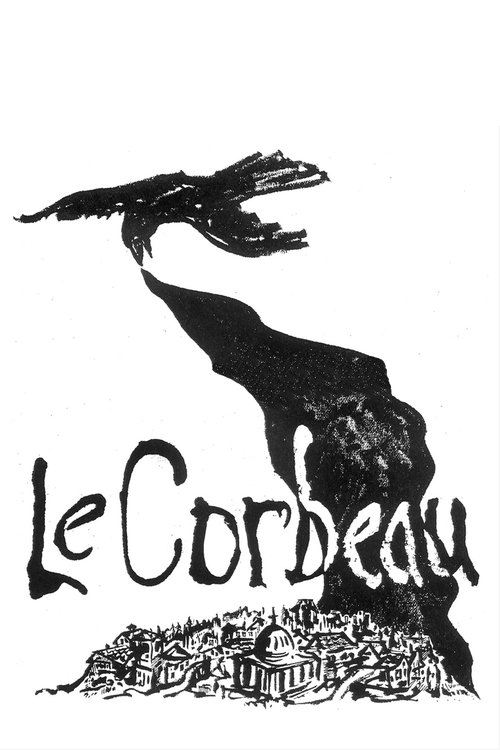
Le Corbeau1943
Both examine the danger of bringing hidden truths to light. Freud liberates through confession; Le Corbeau shows the same act destroying lives. Both understand that knowledge itself can be a weapon.
A French thriller from the Nazi occupation where anonymous letters destroy a provincial town by revealing secrets and unconscious truths. Hitchcockian before Hitchcock—paranoid, psychologically precise, and bleakly funny about how exposure leads to violence.
But It's in French with subtitles. The film was controversial as 'anti-French' propaganda; it's austere and pessimistic about human nature—no redemption, only exposure and ruin.
People
Cast
 Montgomery CliftSigmund Freud
 Susannah YorkCecily Koertner
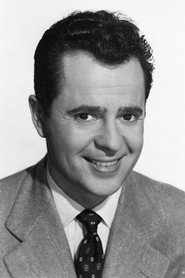 Larry ParksDr. Joseph Breuer
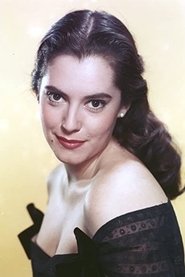 Susan KohnerMartha Freud
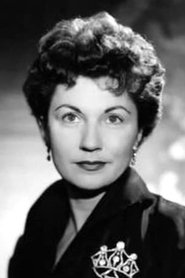 Eileen HerlieFrau Ida Koertner
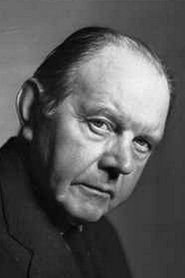 Fernand LedouxDr. Charcot
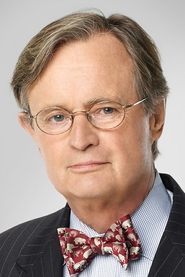 David McCallumCarl von Schlossen
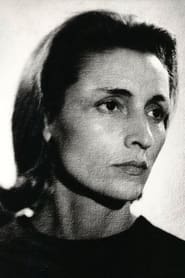 Rosalie CrutchleyFrau Amalia Freud
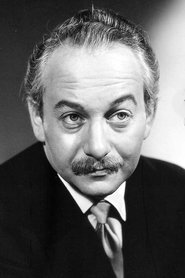 David KossoffJacob Freud
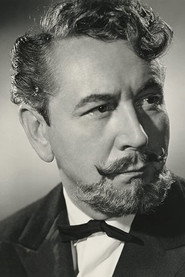 Joseph FürstHerr Jacob Koertner
- Alexander MangoBabinsky
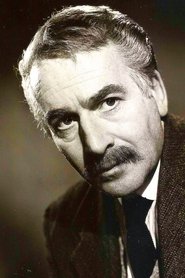 Leonard SachsBrouhardier
Directing
- Laci von RonayAssistant Director
- Ray Gosnell Jr.Assistant Director
- John HustonDirector
- Angela AllenScript Supervisor
Writing
- Charles KaufmanScreenplay
- John HustonScreenplay
- Wolfgang ReinhardtScreenplay
- Charles KaufmanStory
- Jean-Paul SartreWriter
Production
- George GolitzenAssociate Producer
- Robert LennardCasting Consultant
- Edward MuhlExecutive In Charge Of Production
- Wolfgang ReinhardtProducer
- C.O. EricksonProduction Manager
- Bob LarsonUnit Production Manager
Recommended by
The Seven-Per-Cent Solution, The Mark, Curiosity, The Silver Cord, Underworld Beauty