
Television series
Curiosity
- Mystery
- Dip in and out
Curiosity is Discovery Channel's ambitious documentary series that tackles big existential and scientific questions through investigation and expert testimony. Each hour-long episode dives into a single phenomenon—from the nature of consciousness to the origins of the universe—with the energy of someone who just can't let a question go. It's designed for the restlessly intelligent viewer who wants immediate, accessible answers without the academic padding.
Should you watch it?
Watch it if you enjoy a wide-ranging tour of big questions, where the host goes almost anywhere and asks almost anyone to get an answer.
Skip it if you want rigorous, tightly argued science, since this one leans toward wonder and breadth, and its answers to hard questions can feel brisk.
What it asks of you: Each hour-long episode covers a lot of ground, so it asks you to settle into one question at a time and accept a fast, wide-ranging survey over slow immersion.
Not sure? Find tonight's pick in a minute.
If you liked this
Cosmos1980
Carl Sagan's legacy remade with stunning visuals and Neil deGrasse Tyson's infectious wonder. It asks the same big questions about our place in the universe that animate Curiosity, but with more poetic depth and visual grandeur.
But Thirteen hours is a commitment, and some episodes veer philosophical rather than explanatory, which can feel slower if you want quick answers.
Mythbusters2003
Same spirit of relentless investigation and practical testing. Adam and Jamie ask "what if?" and then actually build things to find out. It's Curiosity's funnier, more hands-on cousin, with the same satisfaction of a mystery solved.
But The production style is dated now, and some myths drag on longer than the actual answer warrants.

Explained2018
Netflix's sleek, snappy series tackles one concept per episode—cryptocurrency, the stock market, caffeine—with clarity and visual wit. Similar structure to Curiosity but even more focused, designed for the person who wants the essential answer in 15 minutes.
But The brevity sometimes feels reductive; complex topics get the highlight-reel treatment.

Not sure tonight? Get a pick in a minute, starting from Curiosity
The wildcard
Something you would not have found on your own.
The Ascent of Money2008
Both series treat fundamental human questions as puzzles worth traveling the world to understand, with expert testimony and historical investigation as the tools.
Niall Ferguson's economic documentary asks a very different kind of question—how did finance reshape civilization?—but uses the same investigative energy and globe-trotting methodology. It's Curiosity applied to human systems rather than natural ones, with real stakes.
But Ferguson's politics color the analysis, and economics is far messier than physics; some conclusions feel more arguable than the hard facts Curiosity deals in.
More like this (6)
How the Universe Works2010
Discovery's long-runner that asks similar cosmological questions but leans harder into astronomy and physics. Narrated with gravitas and built on solid scientific consultation. Genuinely awe-inspiring about scale and structure.
But It can be repetitive if you watch too many episodes in sequence; there's only so many ways to explain stellar formation.
The Fabric of the Cosmos2011
Brian Greene makes theoretical physics tangible through clever metaphors and visual demonstrations. It's intellectually rigorous but designed for curious non-physicists, exactly Curiosity's target audience.
But Some concepts (quantum entanglement, spacetime) remain genuinely hard to grasp even with Greene's skill; you might finish still confused.
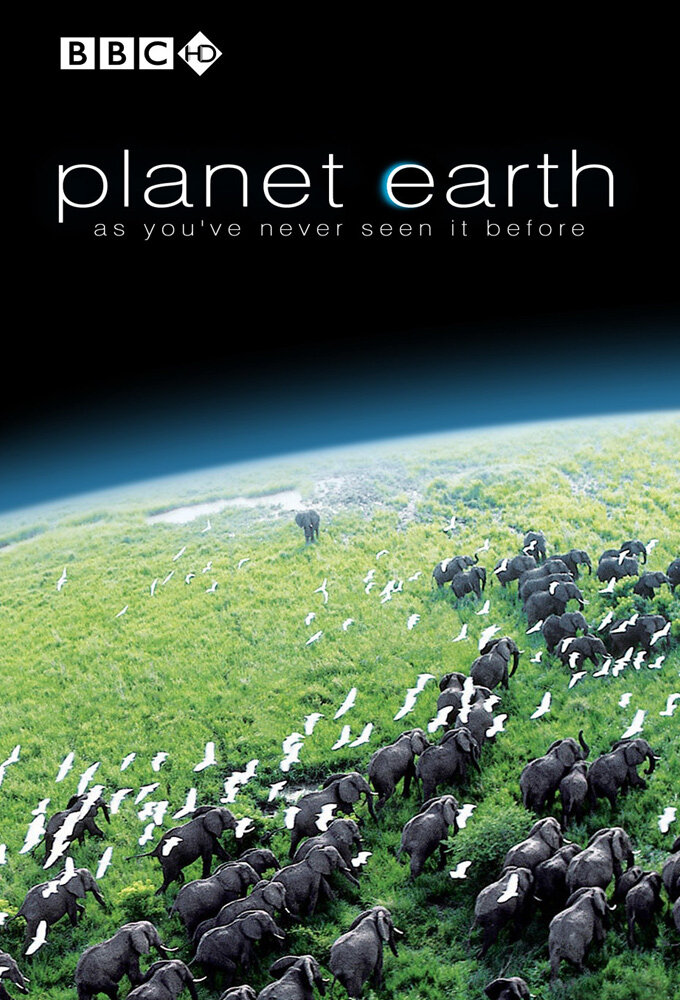
Planet Earth2006
Curiosity asks big questions; Planet Earth answers them through patient observation of how life actually works. Attenborough's narration and the cinematography transform biological investigation into something transcendent.
But It's more meditative than inquisitive—if you specifically want debate and multiple perspectives, this is pure observation.
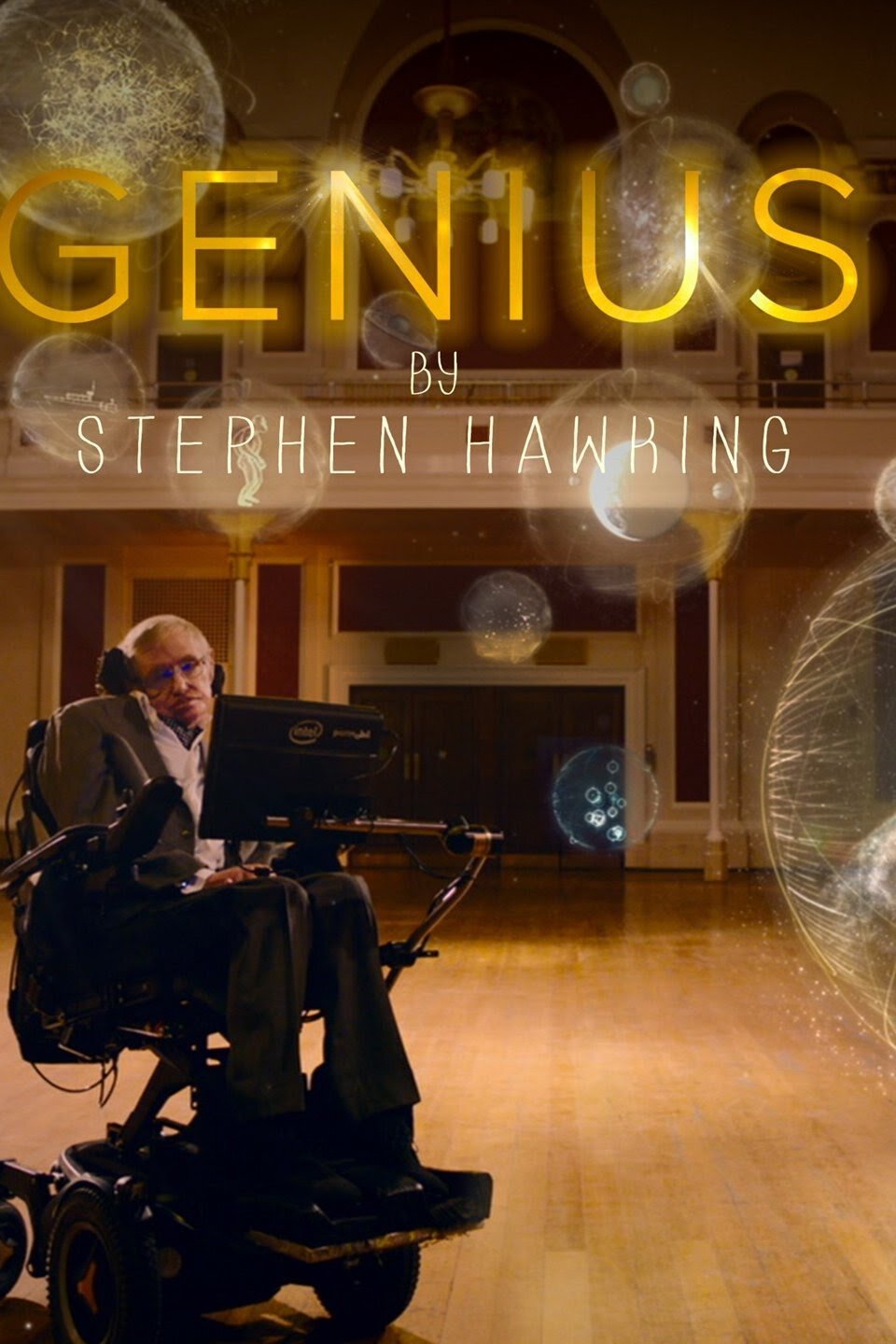
Genius by Stephen Hawking2016
Hawking explores the lives of brilliant minds grappling with fundamental questions. It's about the people asking the questions Curiosity tackles, with dramatization and interviews that add human stakes to abstract inquiry.
But The dramatic sequences can feel a bit overwrought and sometimes oversimplify the actual science.
What on Earth?2015
Each episode investigates a strange natural phenomenon or unexplained pattern visible from space. It has Curiosity's detective energy and that same satisfaction when a mystery resolves into neat science.
But Production values are lower than you might expect for a series about satellite imagery, and some explanations are obvious within minutes.

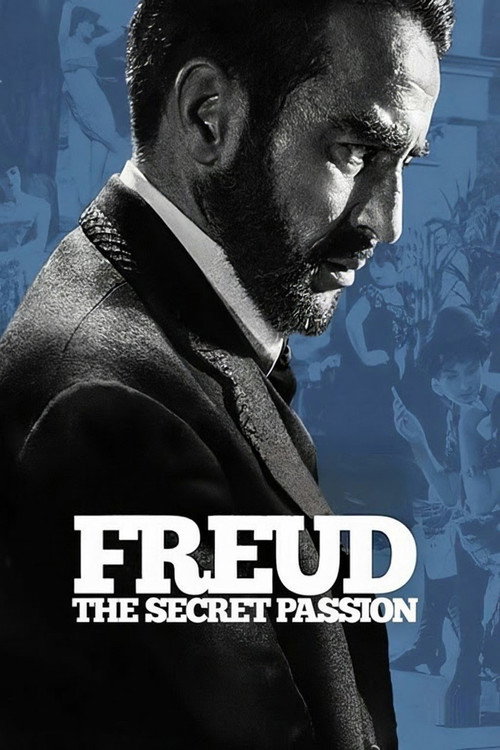
Freud: The Secret Passion1962
Where Curiosity asks what we should know, this asks why a brilliant mind became consumed with understanding human behavior—it's curiosity as character study.
This obscure Montgomery Clift biopic asks why Freud became obsessed with the unconscious mind—treating psychological inquiry as adventure. It's a feature film, not TV, but it has that same drive to trace ideas back to their source and ask why we're curious in the first place.
But Clift's performance is mannered, the film is in love with Freud in ways modern viewers might resist, and it's genuinely hard to find.
People
Cast
 Martin SheenNarrator
 Josh CharlesNarrator