
Television series
The Ascent of Money
Niall Ferguson's brisk historical gallop through five centuries of finance, from Renaissance banking houses to the 2008 crisis. Slick, confident, occasionally infuriating—Ferguson makes economics visceral and human-scaled, tracing how money's logic has shaped empires, wars, and lives. For anyone who wants history to explain the present without needing a finance degree.
Should you watch it?
Watch it if you enjoy a historian's sweeping argument delivered with a lecturer's confidence, and want the 2008 crisis explained through centuries of banking booms and busts.
Skip it if you want a neutral, even-handed survey of economics, since this is one historian's argument, pressed hard from the first episode.
What it asks of you: Six hour-long episodes, so a steady evening commitment for a subject that rewards paying attention to dates, debts and wars rather than skimming.
Not sure? Find tonight's pick in a minute.
If you liked this
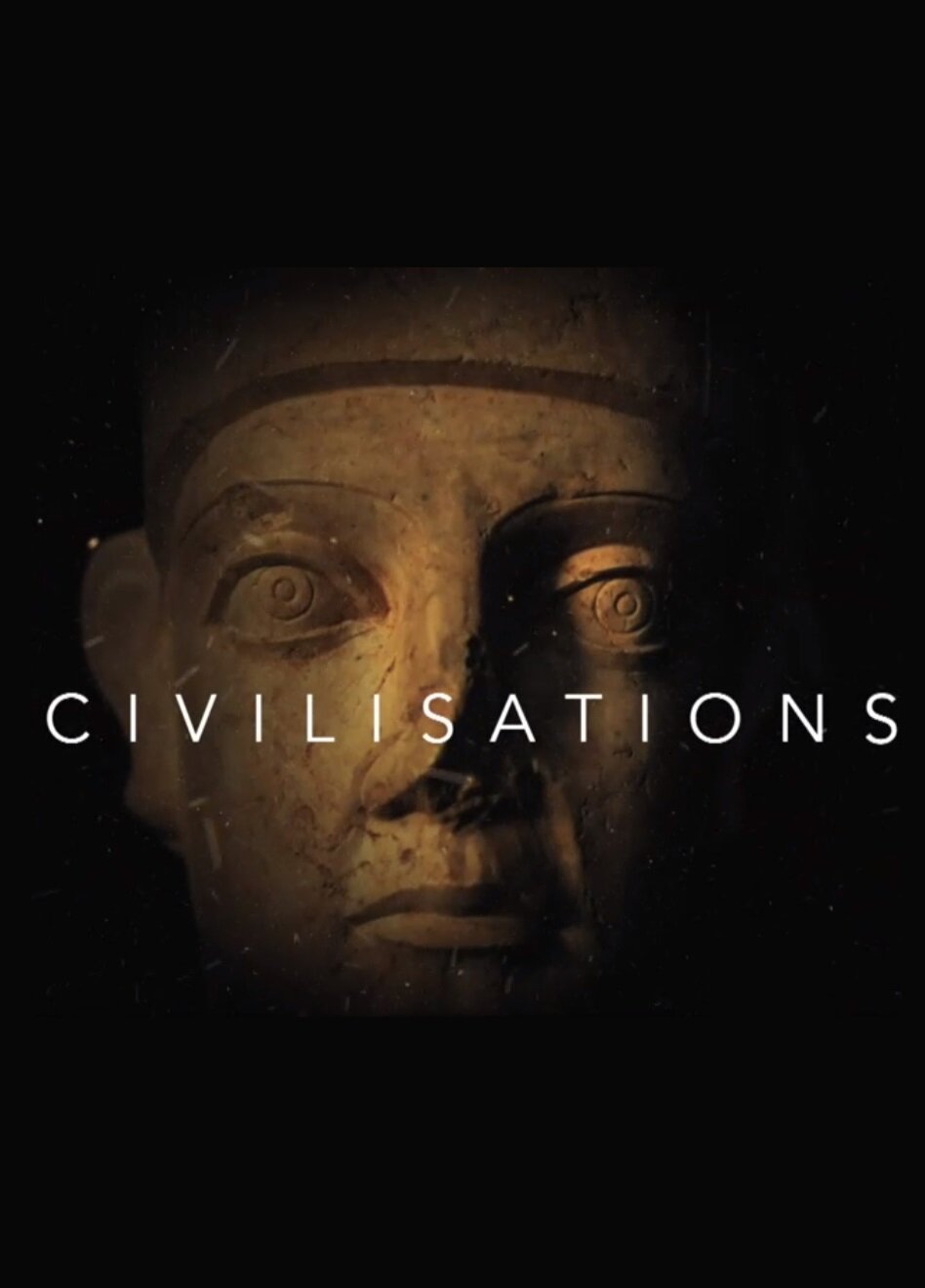
Civilisations2018
Simon Schama's panoramic history of art across continents and centuries. Like Ferguson, he finds the human story in grand systems—but his canvas is culture, not capital. Equally addictive.
But Nine hours long. The scope, while thrilling, can feel overwhelming if you want something snappier.
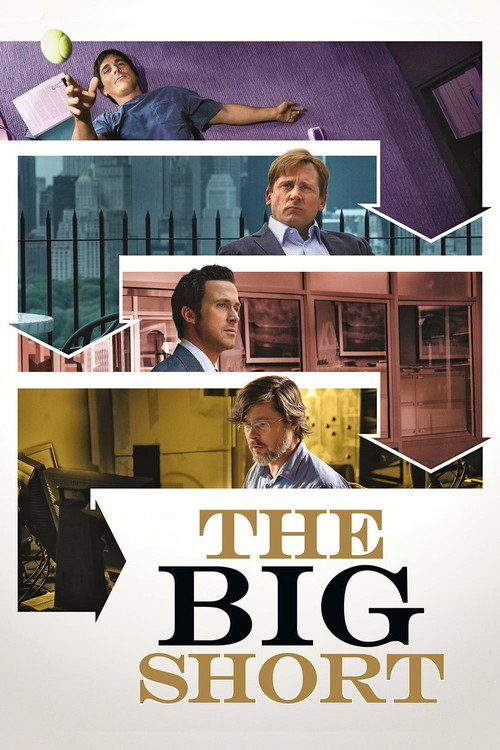
The Big Short2015
McKay's comic-furious anatomy of the 2008 mortgage crisis. It takes the economic catastrophe Ferguson contextualizes and makes it personal, absurd, maddening. Best companion piece to *Ascent*.
But Deliberately scattershot in style. Some find the fourth-wall breaks clever; others find them exhausting.
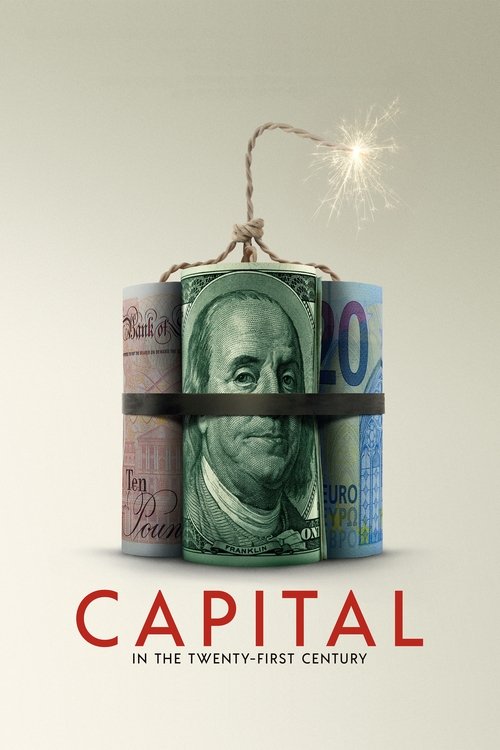
Capital in the Twenty-First Century2019
A documentary adaptation of Piketty's sprawling economics tome. Interviews, animation, and real-world examples make it more digestible than the book, though still ambitious.
But Piketty's French-inflected English and the sheer volume of data can feel like homework dressed as cinema.
Not sure tonight? Get a pick in a minute, starting from The Ascent of Money
The wildcard
Something you would not have found on your own.
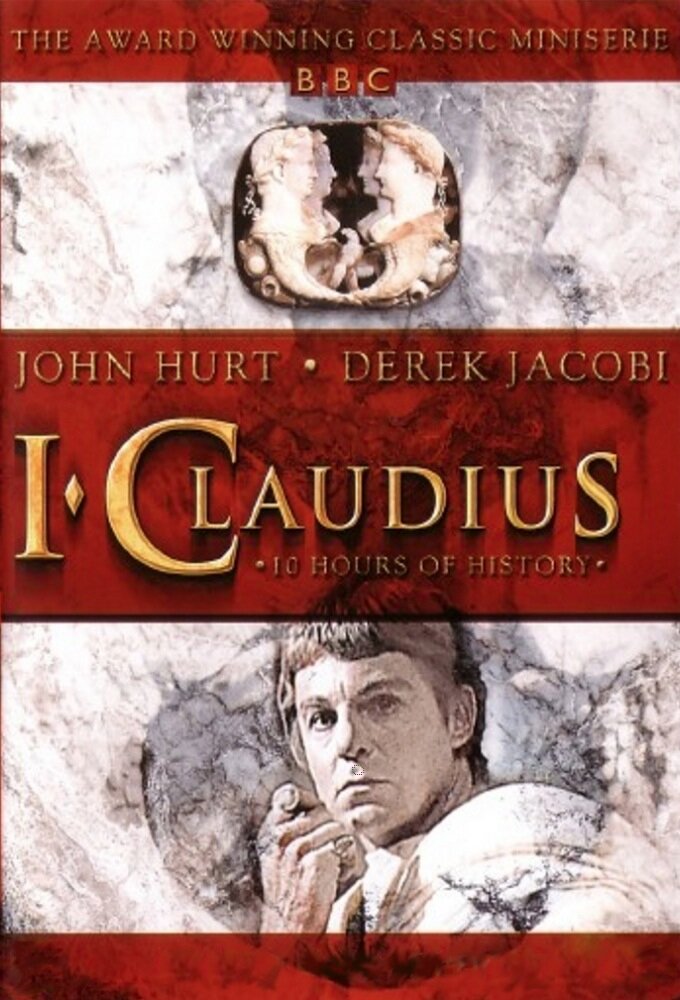
I, Claudius1976
Both treat history not as a story of great men, but as a system—written rules and unwritten ones, incentives and consequences that force human beings into predictable shapes.
BBC drama about Roman imperial succession, corruption, and how power really works beneath official history. It's not about money, but it's obsessed with the same question: how do systems perpetuate themselves?
But Deliberately theatrical staging in places, slow pacing by modern standards. Some find the camp aesthetic dated rather than charming.
More like this (2)
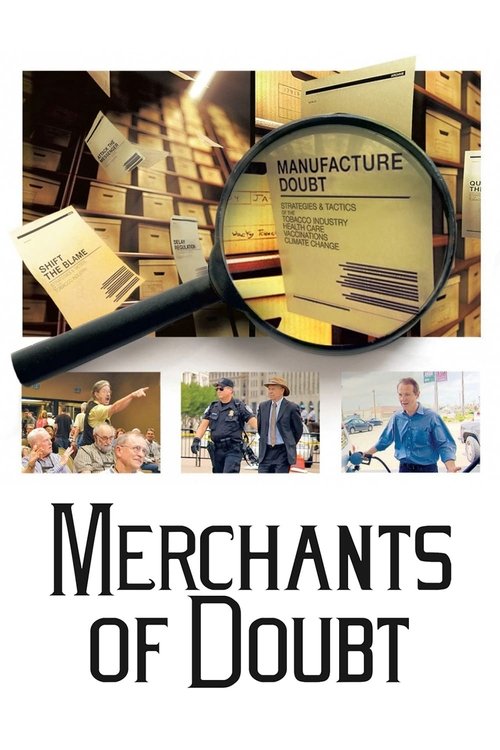
Merchants of Doubt2014
An investigation into how industries manufacture uncertainty and manipulate public opinion. It's about PR and power as much as facts—economic logic applied to epistemology itself.
But The film is lean and angry; it doesn't pause for nuance or the other side's good faith. That's partly the point, but it can feel reductive.
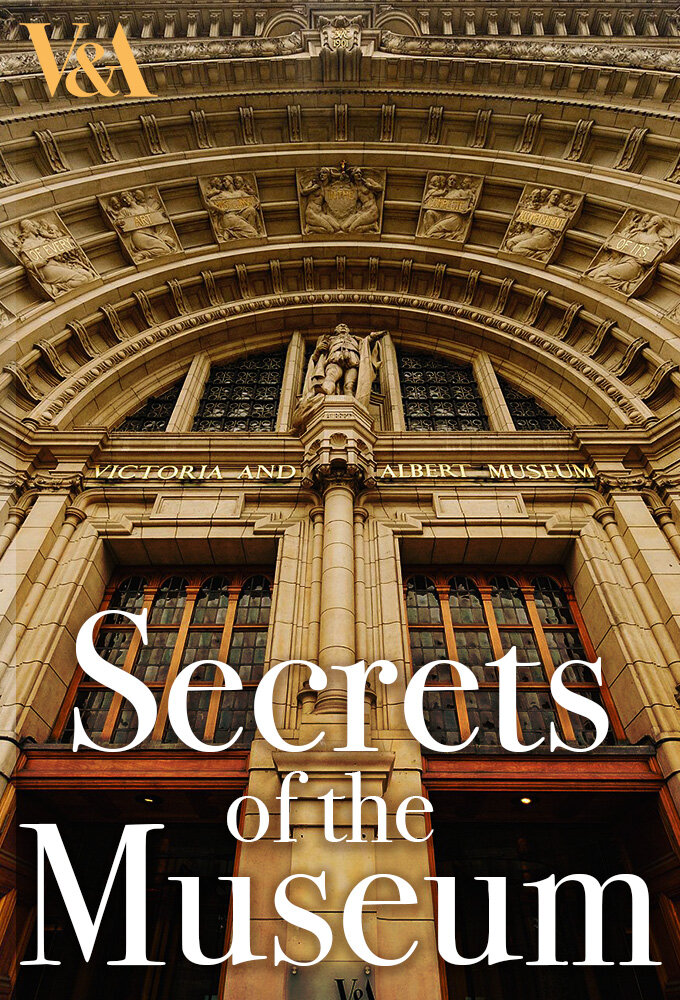
Secrets of the Museum2020
Both use specific historical material—finance, artifacts—to ask the same question: who controls the narrative, who gets rich, and what does that tell us about power?
A Turkish drama about power, artifacts, and how museums curate national identity—including who gets to own history and profit from it. It's Succession in Ottoman clothing, with economics as the bloodsport.
But Subtitled, and the premise is niche. If you don't click with the characters in episode one, the investment feels optional.
People
Cast
 Niall FergusonPresenter
Recommended by
The Men Who Built America, The Babushkas of Chernobyl, Island at War, Madoff: The Monster of Wall Street, Mountain, Bhaji on the Beach, Banking on Bitcoin, Freakonomics, Curiosity, Civilization: Is the West History?, Mosagallu, The Son of Joseph, Becoming Warren Buffett, Genius of the Modern World