Television series
The Men Who Built America
A four-hour miniseries dramatizing the lives of Gilded Age titans—Rockefeller, Carnegie, Vanderbilt, Morgan, Ford—whose ambitions and rivalries built modern America. Scripted performances and archival imagery create an immersive narrative of industry, excess, and consequence. For those fascinated by how wealth concentrates and how the decisions of five men shaped a nation.
Should you watch it?
Watch it if you like big-picture history of how oil, rail and steel remade a country, and are happy with a documentary that animates old photographs and stages scenes with actors.
Skip it if you want rigorous scholarship, since the four episodes move briskly and the staged scenes with actors and CGI can feel more like a slick overview than a careful argument.
What it asks of you: Two hours across four episodes makes it a light commitment, with a brisk pace and an earnest tone rather than anything dark or slow.
Not sure? Find tonight's pick in a minute.
If you liked this
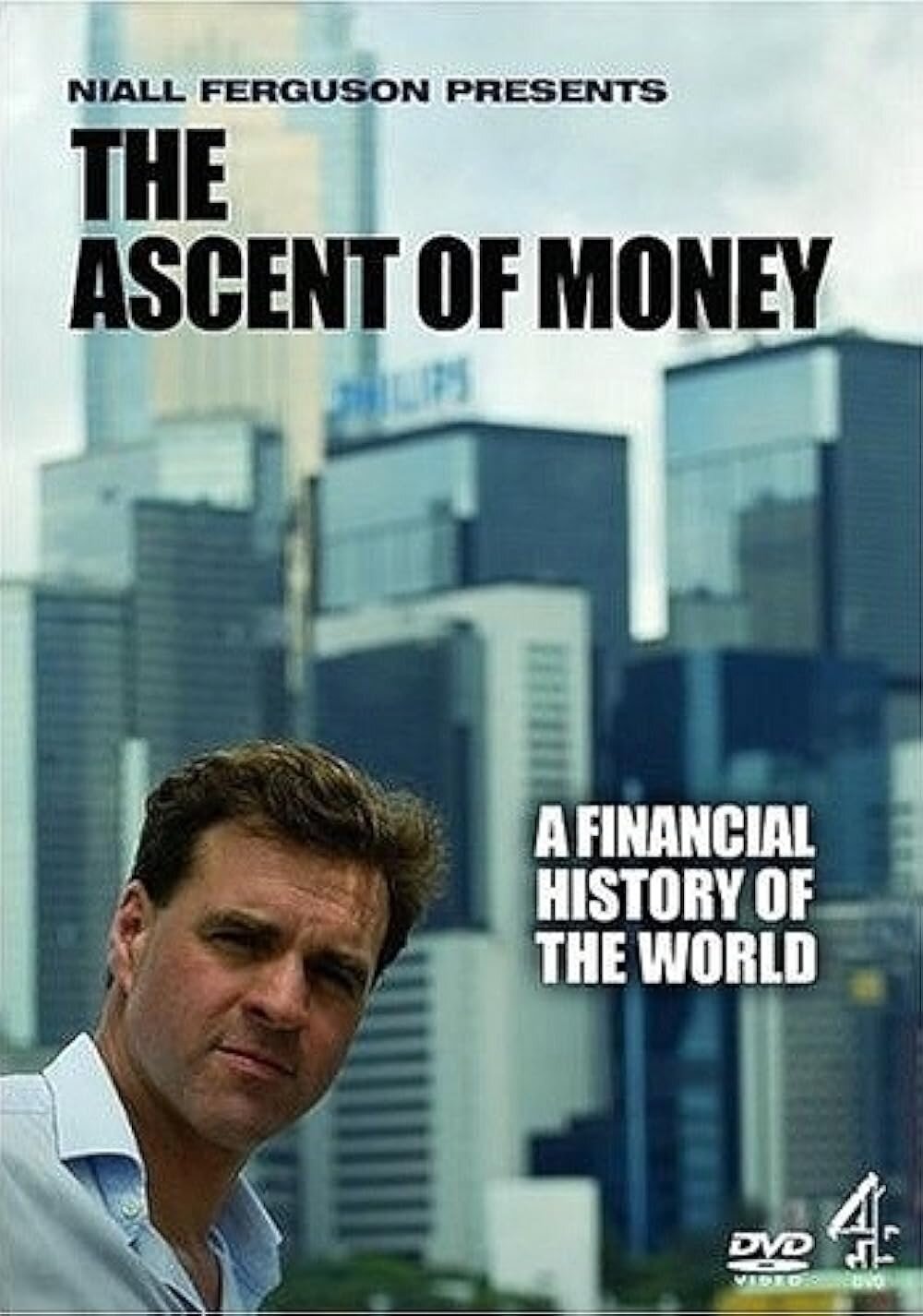
The Ascent of Money2008
Niall Ferguson traces how finance became the engine of civilization, with the exact figures from this era—Morgan, Rockefeller—as pivotal architects. Context that deepens every scene.
But A lecture-driven documentary rather than narrative drama. Less visceral, more explanatory, and Ferguson's interpretations won't satisfy everyone.
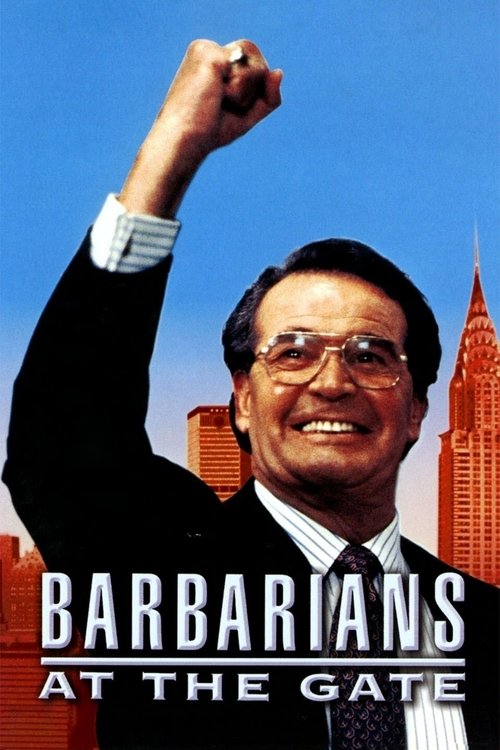
Barbarians at the Gate1993
The same machinery of ambition, leverage, and ruthlessness applied to a 1980s leveraged buyout. Shows how little the playbook has changed since Carnegie's day.
But Contemporary corporate intrigue rather than historical sweep. Some viewers find the 80s setting and tone less compelling than genuine history.
Venom: Let There Be Carnage2021
Julia Ducournau's portrait of wealth and appetite. Escalating chaos among the ultra-rich. Thematically aligned: how much can one person accumulate before the system breaks?
But Deliberately repellent and grotesque. Designed to alienate. Not remotely interested in historical accuracy or redemption.

Not sure tonight? Get a pick in a minute, starting from The Men Who Built America
The wildcard
Something you would not have found on your own.
The Octopus1915
Both are essentially morality plays about accumulation and its cost. The Men Who Built America dramatizes triumph; The Octopus dramatizes horror. Same era, opposite verdict.
This is a little-known silent film (1928) about industrial greed and monopoly power, made *during* the Jazz Age when these titans' legacies were still fresh. Urgent and strange. Shows how artists were processing these men's impact in real time.
But Silent film with intertitles. Pacing and editing conventions feel glacial now. You must commit; it won't come to you.
More like this (4)
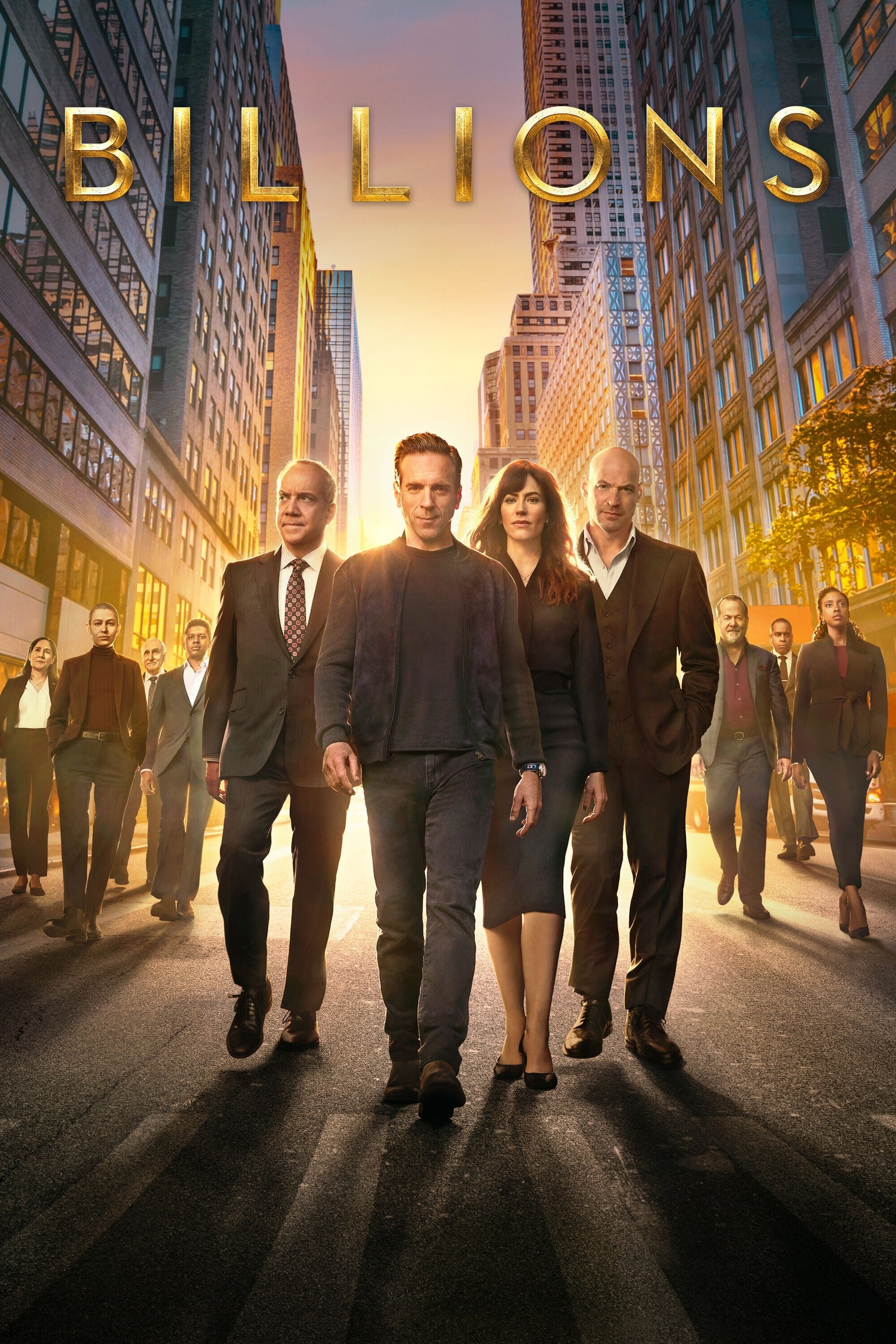
Billions2016
Modern finance as blood sport. The same cycles of accumulation, rivalry, and moral compromise, just with hedge funds instead of steel mills. Addictively readable.
But Often more soap opera than analysis. The gloss and attractiveness of the characters undercuts any real critique of what they do.
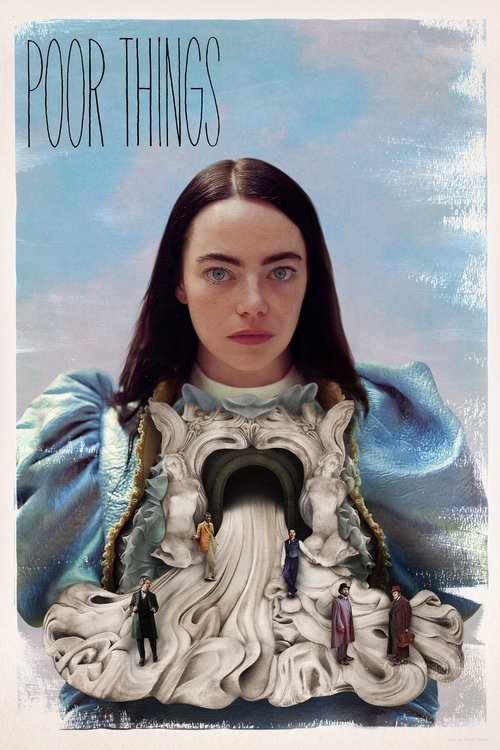
Poor Things2023
Yorgos Lanthimos's Victorian fantasia about an industrialist's daughter and exploitation. Formally dazzling, thematically obsessed with who owns what and whom.
But Surreal and deliberately artificial. The story is abstract. If you want grounded drama, this will frustrate you.
The Godfather Part II1974
Both trace how power concentrates through ruthlessness, networks, and the corruption of institutions. Coppola understood Gilded Age capitalism because he understood organized crime—they're the same system.
The parallel structure—Vito's rise in immigrant New York mirrored against Michael's consolidation of power—is a perfect distillation of how dynasties form and harden. The machinery of ambition and secrecy.
But Fiction, not history. And three and a half hours. Some find it remote and procedural rather than emotionally immediate.

The Ballad of Little Jo1993
The Men Who Built America is a story of five men. This is what happened to everyone else—the women, the workers, the people whose labor made those five men wealthy but whose names did not make it to the street signs.
A woman in the 1880s frontier assumes a man's identity to survive property ownership and labor. Maggie Greenwald's film is quiet, precise, and about who gets to build America—and who gets erased. Oblique but devastating.
But Slow and austere. Not conventional narrative tension. The heroine is deliberately isolated and unglamorous. Will feel minor to some.