
Film
EXPO: Magic of the White City
- Light-hearted
A hypnotic documentary tour of the 1893 Chicago World's Fair, where ambition, electricity, and architectural vision collided to create a temporary city that changed America forever. Gene Wilder's narration glides you through the grounds like a dream, revealing how one fair inspired generations of innovators and introduced wonders—from the Ferris wheel to electric light—that would reshape the modern world.
Should you watch it?
Watch it if you relish architecture and tinkering history, and like being walked slowly through a long-vanished world by a guide who finds wonder in gadgets, buildings and crowds.
Skip it if you want a fast-cut documentary with talking heads and sharp arguments; this is a leisurely, nostalgic tour at feature length, so restlessness may set in.
What it asks of you: Settle in for nearly two hours of unhurried gliding over exhibits and grounds, attention going to images and one voice more than to plot or argument.
Not sure? Find tonight's pick in a minute.
If you liked this
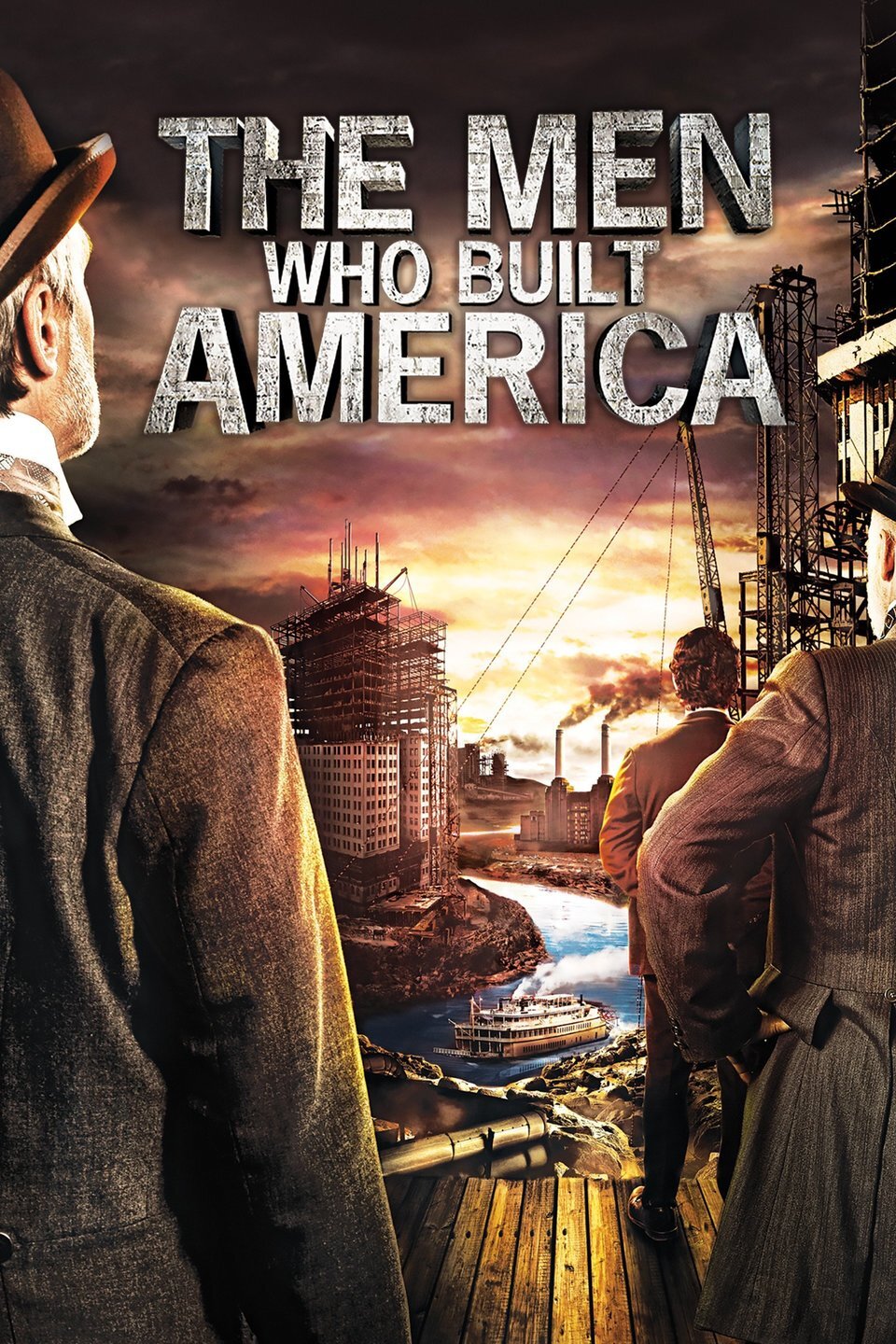
The Men Who Built America2012
Six-hour miniseries following the titans who forged industrial America. Captures the same era of boundless innovation and ruthless ambition that made the World's Fair possible.
But Heavy on talking heads and dramatic reenactment. Moves at documentary pace, which some find plodding.
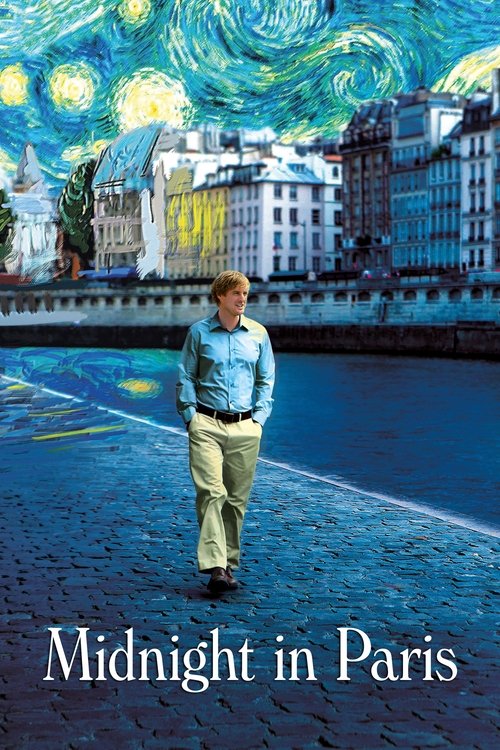
Midnight in Paris2011
A fantasy about falling in love with an imagined past. Like EXPO, it's enchanted by a particular moment in history and what it meant for dreamers and creators.
But Whimsical in a way that can feel precious. The time-travel conceit won't appeal to viewers wanting grounded storytelling.
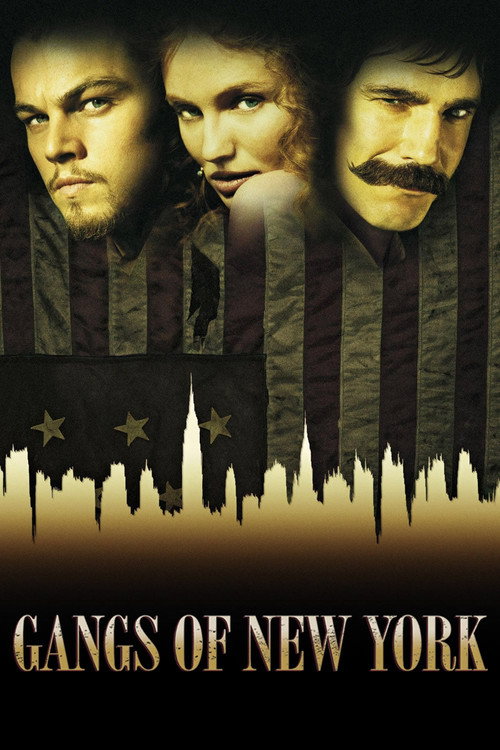
Gangs of New York2002
Scorsese's epic about 19th-century New York captures the same fever dream of American ambition—the chaos and vision underneath the Gilded Age glitter.
But Brutal and violent in ways EXPO is not. Three hours long. Heavy subject matter, not escapist.
Not sure tonight? Get a pick in a minute, starting from EXPO: Magic of the White City
The wildcard
Something you would not have found on your own.
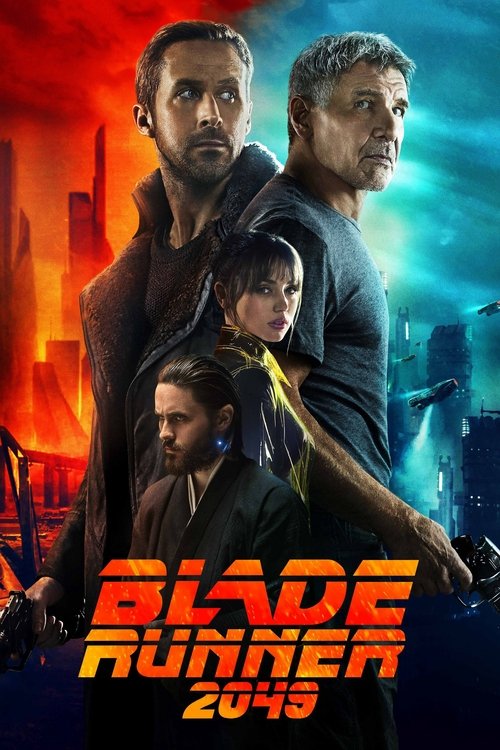
Blade Runner 20492017
Both films treat their worlds as monuments. They ask you to walk through and absorb rather than follow plot. Both find transcendence in human-made spaces.
A film designed to be seen as visual architecture—long, patient shots of constructed worlds that build awe through scale and design. Where EXPO used cinematography to preserve a historical space, this uses it to dream a fictional one into being.
But Deliberately slow and demanding. Sci-fi premise and plot are secondary to atmosphere. Can feel hollow if you're looking for character or story.
More like this (5)
Hidden Figures2016
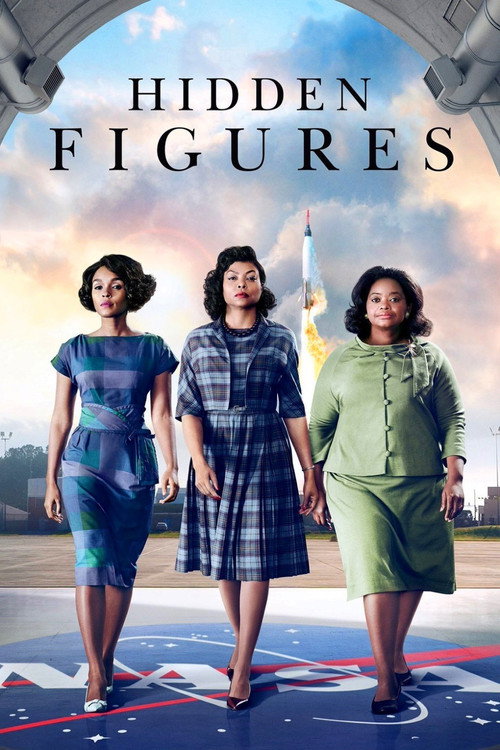
Celebrates real people solving real problems during the space race—the same spirit of human ingenuity and 'what's possible' that animated the World's Fair.
But Heavily dramatized. Emotional arcs sometimes outweigh historical accuracy. Straightforward narrative, nothing experimental.
The Transcontinental Railroad2003
Burns again, documenting how one engineering feat literally united a nation. Same period, same scope of ambition, same question: what can humans build?
But Familiar documentary structure. If you're tired of Ken Burns' voice and style, this won't refresh you.
A Thousand Clowns1965
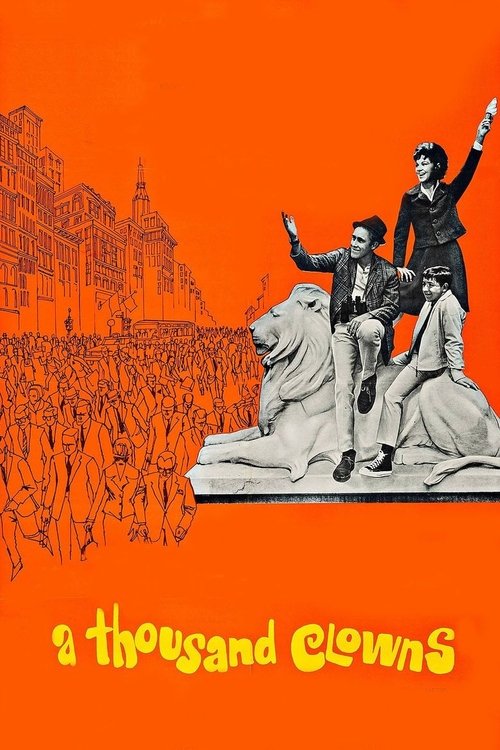
A small, smart film about wonder and imagination in modern life—how to stay amazed by the world. Tonal cousin to EXPO's sense of enchantment.
But Completely different setting and era. Story-driven rather than visual. May feel unrelated on first viewing.
My Octopus Teacher2020
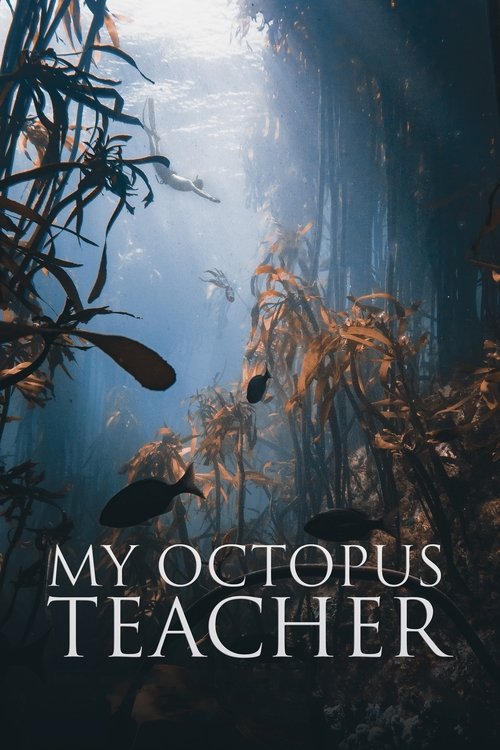
Both documentary films use time and observation to transform how you see something familiar. Both suggest the world is stranger and more beautiful than you knew.
A year-long observation of one extraordinary creature, filmed with the patience and wonder of a naturalist. Same meditative pacing as EXPO, same sense of being initiated into marvels.
But Minimal narrative. Some find it slow or precious. The emotional arc relies on your willingness to sit with quiet wonder.
O Dreamland1953
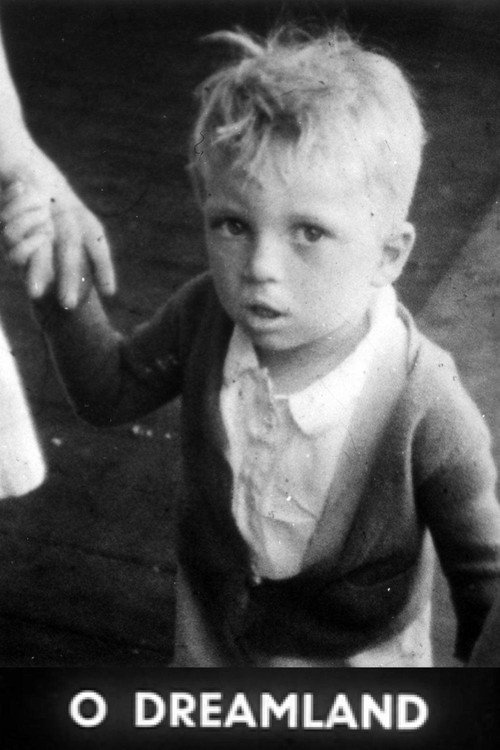
Both films use the fair—a built space of leisure and spectacle—as a way to explore how humans organize wonder. Both are fascinated by technology and architecture as sources of collective rapture.
A six-minute avant-garde silent film—with music—documenting a British amusement park. The early cinema of wonder and innovation, exactly contemporary with the World's Fair's cultural moment. Hypnotic and historically strange.
But Experimental and unmotivated. No narration, no explanation. Demands you surrender to its logic. May read as incomprehensible or tedious rather than visionary.
People
Cast
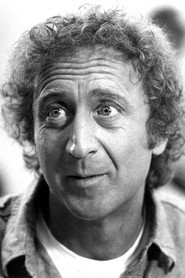 Gene WilderNarrator (voice)
Directing
- Mark BusslerDirector
Writing
- Brian ConnellyWriter