
Film
O Dreamland
Lindsay Anderson's 1953 portrait of Margate's amusement park is a thirteen-minute masterclass in documentary irony. Shot in colour with a jazz soundtrack, it captures the manufactured chaos of manufactured joy—screaming crowds, garish rides, eating, grinning—without a trace of warmth. Not a love letter to British eccentricity, but a sharp-eyed anatomisation of pleasure itself.
Should you watch it?
Watch it if you love wry, observational short films that find comedy in crowds and in the gap between a place's promises and its reality, and you're happy without a story to follow.
Skip it if the subject is one amusement park and the joke stays largely the same, so if you need a story or characters to carry you, it may feel slight.
What it asks of you: Brief at about thirteen minutes, it moves at a steady clip and stays light, asking you to watch closely rather than follow a thread.
Not sure? Find tonight's pick in a minute.
If you liked this
Man with a Movie Camera1929
Dziga Vertov's documentary symphony of Soviet city life moves with visual exuberance and formal invention that predates Anderson's playful irony. A dazzling precedent for observational cinema as art.
But Silent, avant-garde, and makes demands on your attention; the rapid montage can feel alienating rather than welcoming.

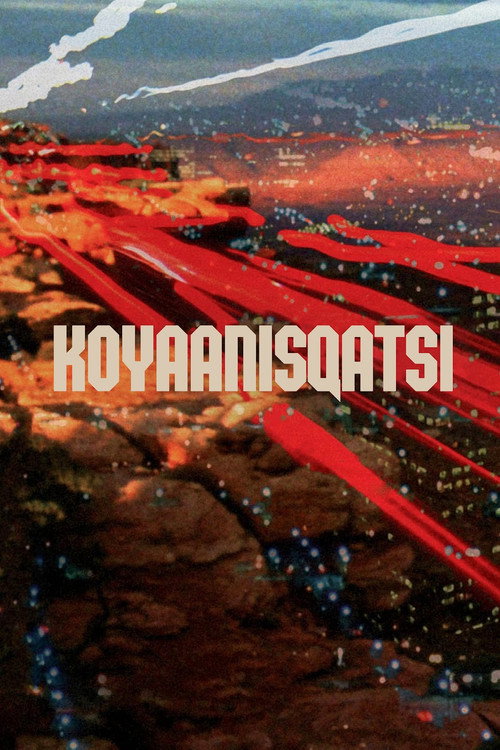
Koyaanisqatsi1983
Like Anderson, Godfrey Reggio uses vivid colour, rhythm, and Philip Glass's hypnotic score to estrange the everyday and expose the machinery behind modern life. Mesmerizing and deeply critical.
But Nearly feature-length, wordless, and relentless; some find it pretentious or exhausting rather than revelatory.
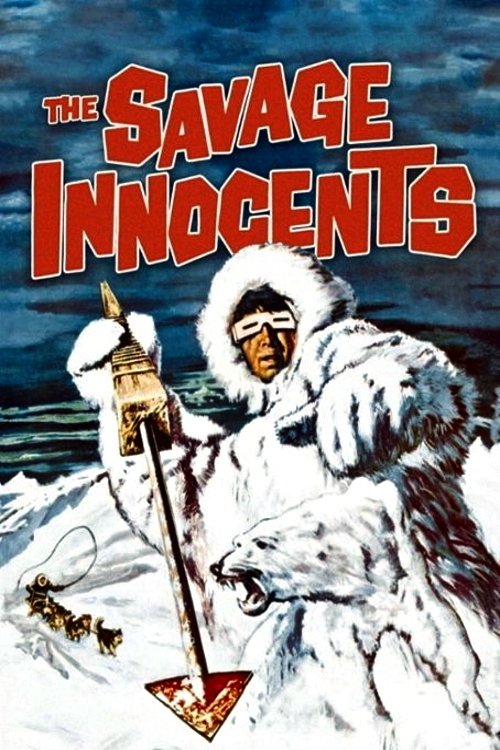
The Savage Innocents1960
Anderson's contemporary Nicholas Ray made this stunning colour film about Inuit life with similar formal precision and a refusal to sentimentalise his subjects. Beautiful and unsettling.
But Uneven tone and some outdated anthropological attitudes make it occasionally uncomfortable to watch now.
Not sure tonight? Get a pick in a minute, starting from O Dreamland
The wildcard
Something you would not have found on your own.
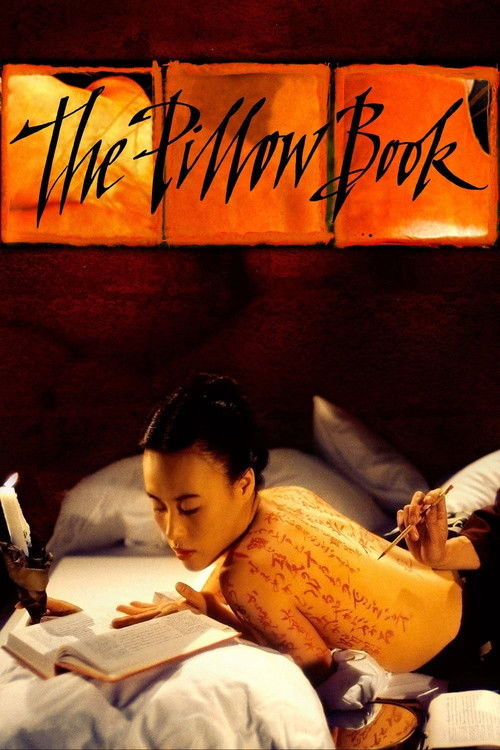
The Pillow Book1995
Both use the visual surface—colours, crowds, sensations—as the subject itself, refusing to separate form from content and treating observation as an act of critique.
Peter Greenaway's densely layered film collages text, image, performance, and colour into a shimmering essay on pleasure, desire, and consumption. Formally dazzling in a way that mirrors Anderson's ambitions.
But Deliberately obscure, sexually explicit, and hostile to linear narrative; feels more like a visual essay than a film, which bores or repels most viewers.
More like this (7)
Kes1970
Anderson directed this portrait of a working-class Yorkshire boy; his cool eye for social detail and refusal to soften the environment's grimness create something both tender and brutal.
But Slow, austere, and offers no catharsis; the ending is deliberately punishing.

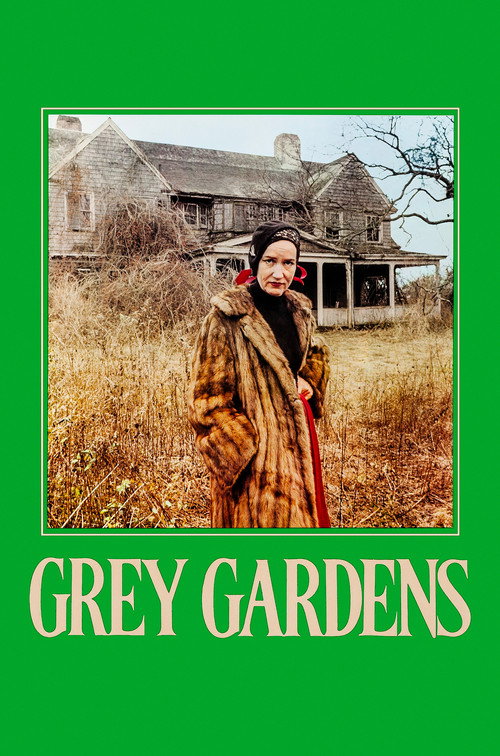
Grey Gardens1976
The Maysles brothers' documentary observes two reclusive women in a crumbling mansion with the same detached, fascinated precision Anderson brought to Margate. Unsettling and hypnotic.
But Voyeuristic and sometimes uncomfortable; it trades on the subjects' mental illness and decay in ways that feel ethically murky.
Singin' in the Rain1952
Released the year before Dreamland, this Hollywood musical is pure manufactured joy. Watching them back-to-back clarifies what Anderson was critiquing about spectacle and authenticity.
But If you're looking for documentary grit, this is the opposite; it's unironic, optimistic, and designed to comfort.

Stalker1979
Andrei Tarkovsky's long, deliberate science-fiction film shares Anderson's belief that cinema should alienate and question rather than entertain. Formally rigorous and profoundly philosophical.
But Glacially paced, nearly three hours, and requires complete surrender; many viewers find it testing rather than rewarding.

Come and See1985
Elem Klimov's Belarusian war film uses saturated colour and documentary-like precision to achieve something devastating. Like Anderson, it refuses to look away from the cost of spectacle.
But One of cinema's most harrowing films; it depicts violence and suffering with unflinching brutality that can be genuinely traumatising.

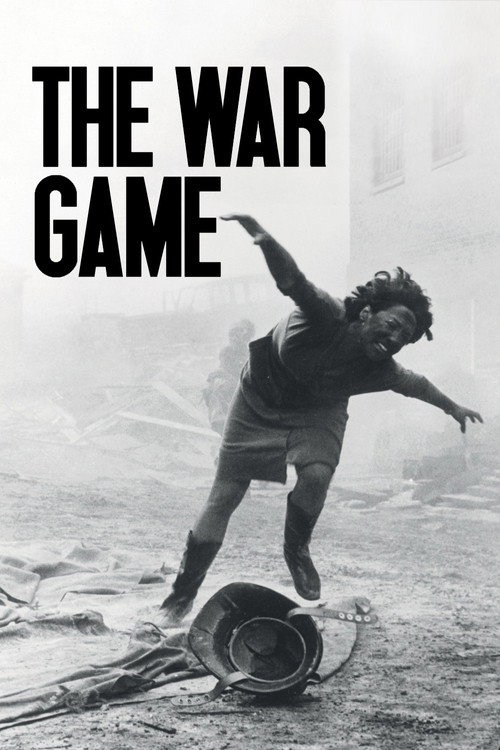
The War Game1966
Peter Watkins's mock-documentary about nuclear war employs Anderson's formal detachment to horrifying effect. Brilliantly constructed and intellectually savage.
But Deeply bleak, banned for decades by the BBC, and offers no hope or resolution; a difficult watch by design.
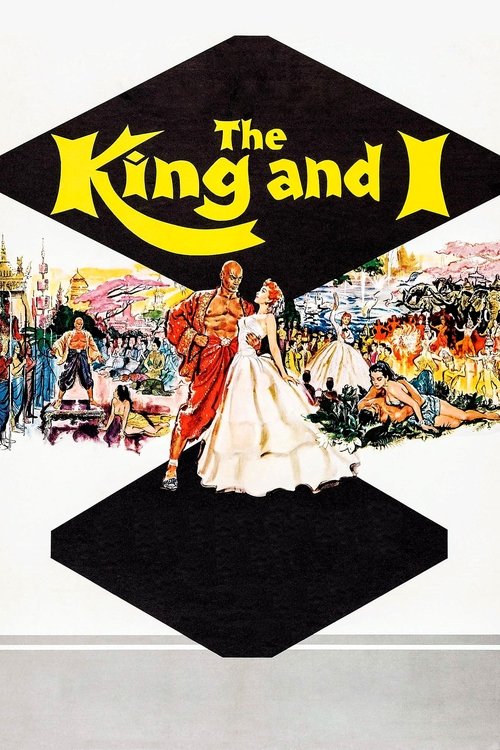
The King and I1956
Mirror image: where Anderson sees amusement parks as ideological spaces manufacturing false feeling, Rodgers sees the musical itself as a space where manufactured emotion becomes genuine. They're arguing the same debate.
Rodgers and Hammerstein's glorious Technicolor musical is nearly Dreamland's opposite: joy manufactured with sincerity and skill, asking viewers to surrender to spectacle. Watching it after Anderson sharpens both films.
But Deeply dated colonial attitudes that no rewatch can smooth; the film is also long and stagey, which tests patience if you're not already onboard.
People
Directing
- Lindsay AndersonDirector
Writing
- Lindsay AndersonWriter
Recommended by
EXPO: Magic of the White City, The Linguists, The Trojan Women, The Way to the Stars