
Film
The Trojan Women
- Drama
- Very dark
- Slow-burning
Michael Cacoyannis's austere 1971 film of Euripides' ancient tragedy, with Katharine Hepburn as grieving Queen Hecuba. It strips away spectacle for raw emotional devastation—women of a fallen city facing slavery, death, and unbearable loss. Punishing and hypnotic. For those who want theatre that wounds.
Should you watch it?
Watch it if you want a grief-soaked, language-driven chamber piece where the power lives in long speeches and faces rather than action, and you are happy to sit with ancient tragedy on its own terms.
Skip it if you need plot momentum or a sense of the wider world, since the story is largely confined to one ruined place and its people mostly talk about what has already been lost.
What it asks of you: Patience with lament is the price: long stretches of mourning speech, little relief, and a slow, heavy pace that lets sorrow settle for all 105 minutes.
Not sure? Find tonight's pick in a minute.
If you liked this
Medea1969
Pasolini's operatic adaptation of Euripides' other masterpiece of female rage and suffering. Maria Callas sings and suffers across Cappadocia. Monumental, strange, unforgettable.
But Glacially paced and visually remote; Pasolini demands patience and offers no comfort. Callas sings rather than speaks dialogue, which takes adjustment.

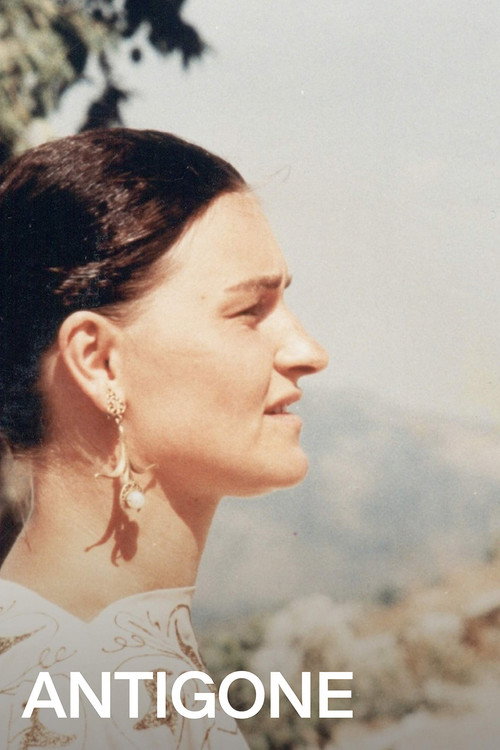
Antigone1992
Bresson's stark black-and-white film of Sophocles' play about duty, defiance and death. Shot like a philosophical argument made flesh. Anouilh's script sharpens the moral geometry.
But Formally severe, almost skeletal. The dialogue can feel more like debate than drama. No romantic relief.
Electra1962
Cacoyannis again, returning to Greek tragedy with Irene Papas as the vengeful, grieving daughter. Sun-scorched locations and primal family violence. A companion to Trojan Women.
But Relentlessly bleak and repetitive in structure; the action circles the same wound. Long static scenes demand real attention.

Not sure tonight? Get a pick in a minute, starting from The Trojan Women
The wildcard
Something you would not have found on your own.
Come and See1985
Both are studies of the undefended exposed to catastrophe. Trojan Women is aftermath, Come and See is the making of it. Both refuse to look away.
Elem Klimov's Belarusian masterpiece about a boy conscripted into WWII. Handheld, visceral, hellish. It finds the same unbearable truth as Trojan Women: that civilians bear the cost of war and history does not absolve anyone.
But Genuinely difficult to watch—graphic violence, trauma, nihilism. It will sit with you for weeks. Not cathartic, only true.

More like this (5)
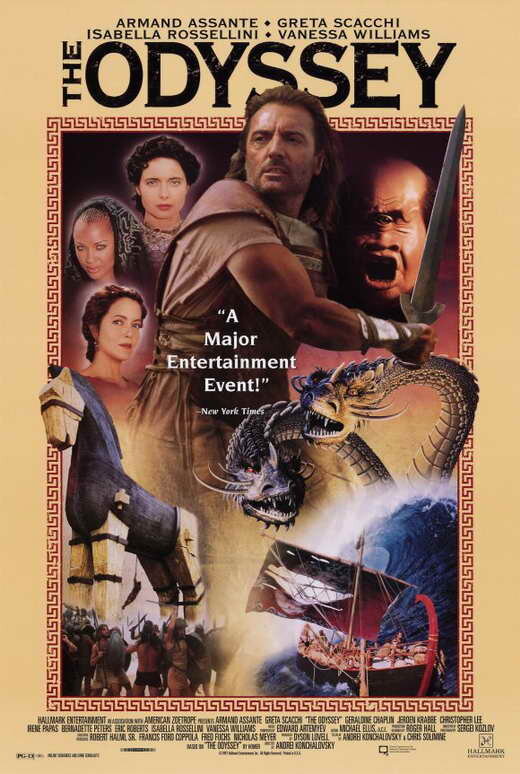
The Odyssey1997
Hallmark miniseries that actually captures Homer's mythic scope and genuine pathos. The voyage home feels earned rather than inevitable. Armand Assante as Odysseus is surprisingly moving.
But Some cheap sets and TV-movie lighting undercut the grandeur. Romantic subplots dilute the ancient story. Hammy in patches.
O Dreamland1953
Free-verse documentary of a working-class amusement park, set to hypnotic narration. Peter Watkins-adjacent study of post-war English fatigue and endurance. Brief and devastating.
But Experimental and oblique; no clear narrative. The connection to Trojan Women is thematic, not immediate. Very short and quietly devastating.

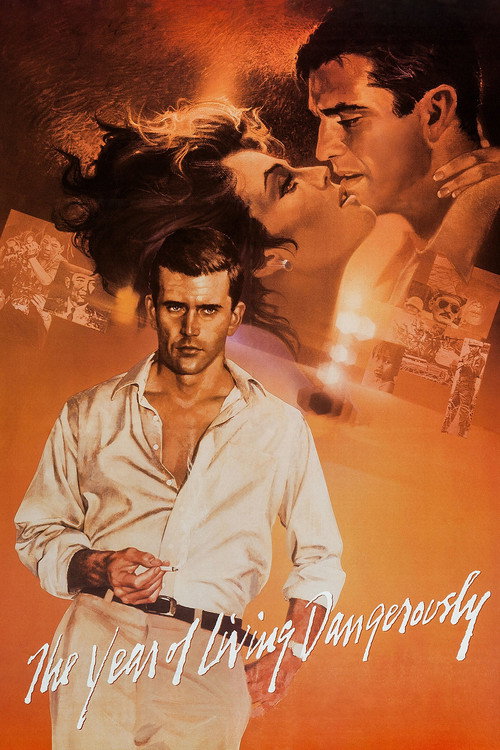
The Year of Living Dangerously1982
Weir's Indonesian political thriller with Mel Gibson, Sigourney Weaver, and Linda Hunt's career-best performance. Genuine moral stakes, real danger, crushing romantic and political failure.
But 1982 colour grading and some dated Cold War politics. The love story can feel obligatory next to the political machinery.
The Dressmaker2015
Kate Winslet returns to her small Australian hometown to settle scores with the women who destroyed her life. Darkly comic, surprisingly vicious, gorgeous to watch. Revenge dressed as reconciliation.
But Tonal shifts from drama to camp melodrama—works for some, alienates others. Third act turns almost campy. Hugo Weaving's monologue feels unearned.

Synecdoche, New York2008
Both are about how aftermath and loss become performance, how personal catastrophe repeats itself in theatrical space. Kaufman takes the Trojan Women premise—surviving unbearable loss—and turns it inside out as art.
Kaufman's collapse-narrative about Philip Seymour Hoffman's theatre director building a city inside a warehouse, casting his life and losses as fiction. Bewildering and gorgeous. About grief so large it becomes architecture.
But Genuinely baffling plot; the film is abstract and self-referential. Bleak to the point of anguish. Some find it brilliant, others exhausted and pretentious.

People
Cast
 Katharine HepburnHecuba
 Vanessa RedgraveAndromache
 Geneviève BujoldCassandra
 Irene PapasHelen
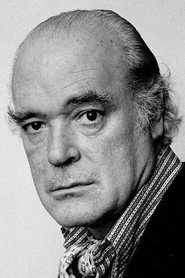 Patrick MageeMenelaus
 Brian BlessedTalthybius
- Alberto SanzAstyanax
- Pauline LettsWoman
- Rosalind ShanksWoman
- Pat BeckettWoman (as Pat Becket)
- Anna BentinckWoman
- Elsie PittasWoman (as Ersie Pittas)
Directing
- Mihalis KakogiannisDirector
- Margarita PardoScript Supervisor
Writing
- Mihalis KakogiannisScreenplay
- EuripidesTheatre Play
- Edith HamiltonWriter
Production
- Josef ShaftelExecutive Producer
- Anis NohraProducer
- Mihalis KakogiannisProducer
- Carlo LastricatiProduction Supervisor