
Film
Iphigenia
- Drama
- Very dark
Michaelakis Kakoyiannis' 1977 adaptation of Euripides strips the ancient tragedy to its existential core: a king forced to sacrifice his daughter to appease the gods, his wife's incandescent rage, and a young woman's dawning comprehension of her fate. Shot in austere, deliberate compositions, it's philosophical cinema that refuses melodrama, exploring power, duty, and the cost of obedience.
Should you watch it?
Watch it if you like tragedy played as ritual, where grief and pride are argued out in formal speeches and stately, stage-like rituals rather than action.
Skip it if you need momentum from your ancient-world epics, since the pace is deliberate and much of the drama lives in dialogue and waiting rather than combat.
What it asks of you: Runs just over two hours at a slow, weighty pace, with long speeches and a solemn mood that stays put from first frame to last.
Not sure? Find tonight's pick in a minute.
If you liked this
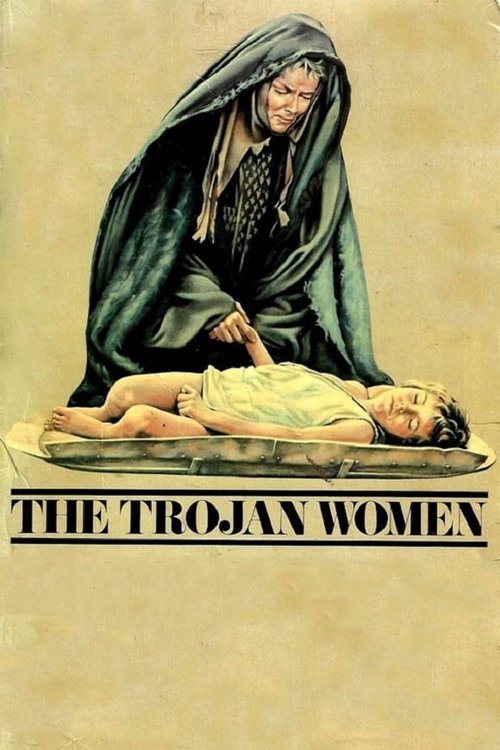
The Trojan Women1971
Also directed by Kakoyiannis, also adapting Euripides, with Irene Papas reprising her role as a woman destroyed by masculine war. Same unflinching look at suffering, same classical restraint married to contemporary anguish.
But Deliberately slow and static. If you need plot momentum or catharsis, this will feel like watching grief in real time, because it is.
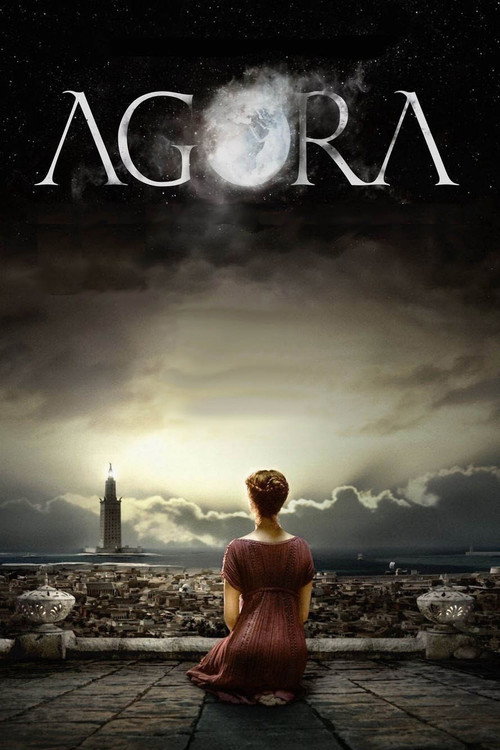
Agora2009
Alejandro Amenábar's meditation on sacrifice and principle set in ancient Alexandria. A woman mathematician confronts institutional power that demands her surrender—intellectual and physical. Visually sumptuous where Iphigenia is austere, but the moral machinery is identical.
But Ambitious in ways that don't always cohere. Some historical liberties will annoy classicists, and the pacing can feel uneven.
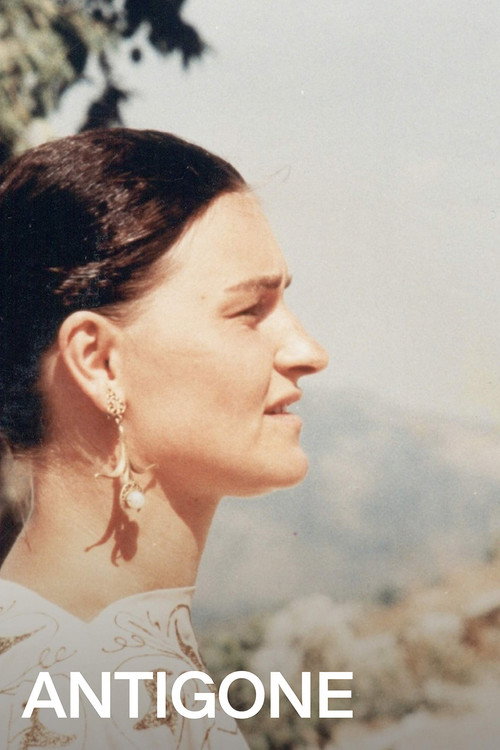
Antigone1992
George Tzavellas' adaptation of Sophocles, same Greek New Wave era. Another young woman facing impossible duty, another state apparatus grinding toward tragedy. The aesthetic is similarly uncompromising and formally controlled.
But Black and white, deliberately theatrical staging. If you're watching for spectacle rather than philosophical weight, you'll find it austere to the point of severity.
Not sure tonight? Get a pick in a minute, starting from Iphigenia
The wildcard
Something you would not have found on your own.
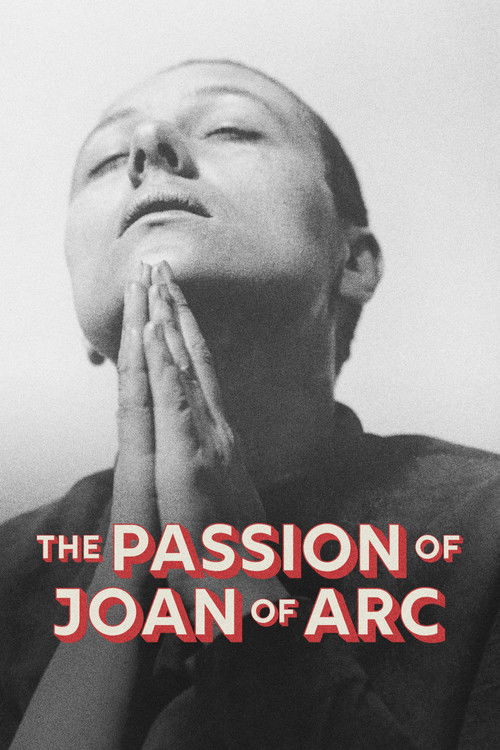
The Passion of Joan of Arc1928
Both films depict the moment a young woman moves from resistance to acceptance of her sacrificial role. Both use austere visual language to externalize internal devastation. Both find grandeur in quietness and moral refusal.
Carl Theodor Dreyer's silent masterpiece: a young woman facing execution, interrogated by the apparatus of the state, her faith unmovable. Renée Jeanne Machet's face becomes scripture—the same unbridgeable gap between an individual's certainty and the machinery that demands her surrender.
But Silent film, black and white, often incomprehensible dialogue cards, and a pacing that follows spiritual rather than narrative logic. Emotionally harrowing and offers no catharsis.
More like this (8)
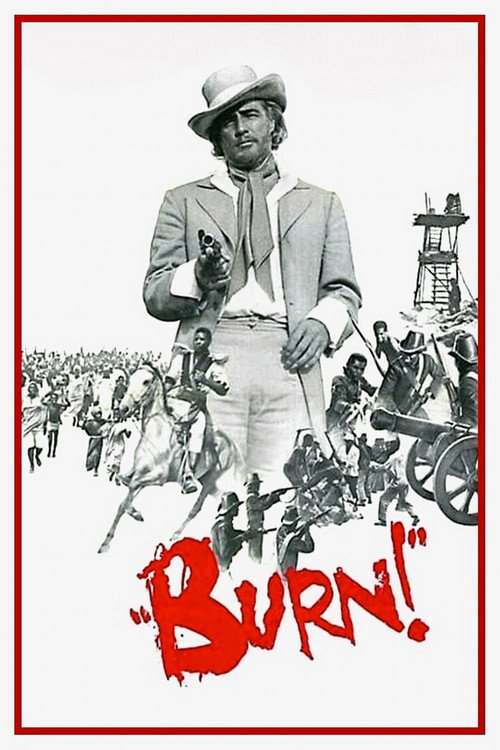
Burn!1969
Gillo Pontecorvo examines colonialism and complicity through a man sent to destabilize an island. Like Iphigenia, it's about systems that demand individual sacrifice for abstract causes, and the machinery of justification that makes murder feel inevitable.
But Marlon Brando's performance can feel mannered, and the film's didactic impulses occasionally overwhelm character. Slower than its subject matter might suggest.
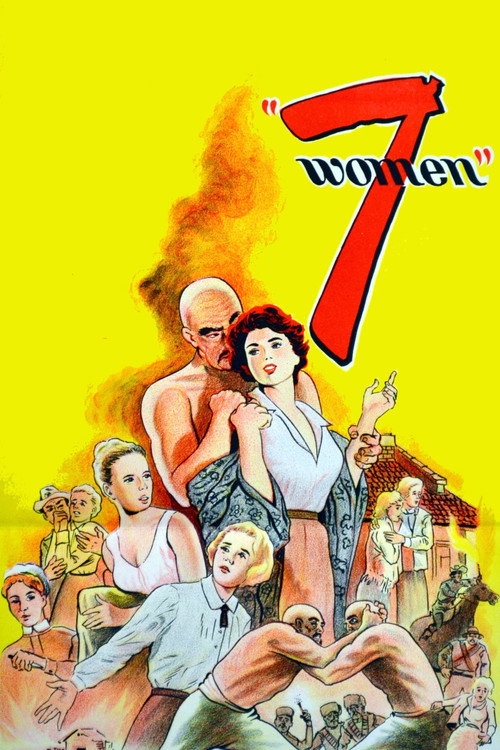
7 Women1965
John Ford's final film: a missionary group in China, a warlord, and a woman who chooses sacrifice to save others. Spare, austere, and morally unblinking about the cost of principle. Ford's last statement on duty and death.
But Feels more like a thesis than a drama. Anne Bancroft's quiet performance demands patience, and there's minimal action despite the dangerous premise.
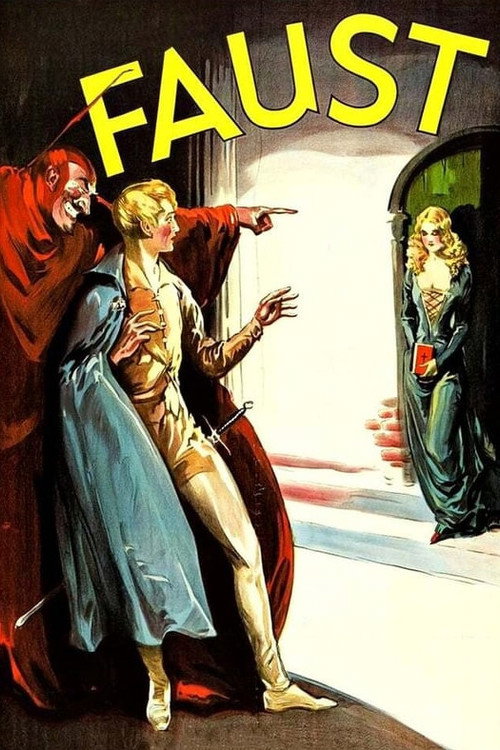
Faust1926
F.W. Murnau's expressionist masterpiece about a man who surrenders everything—his soul, his innocence, his daughter—in service of ambition. Like Iphigenia, it asks what we owe the gods and what price we'll pay in their name.
But Silent film, over two hours, visually overwhelming in ways that demand active watching. The pacing follows emotional logic, not narrative momentum.
Ikiru1952
Kurosawa's meditation on a bureaucrat dying of cancer, seeking meaning in sacrifice and duty. Not ancient tragedy but its spiritual twin: a man confronting the machinery of obligation and the cost of obedience to systems that don't love him.
But Devastating and quiet. If you need uplift or momentum, this will feel like watching someone come to terms with futility. Requires emotional surrender.

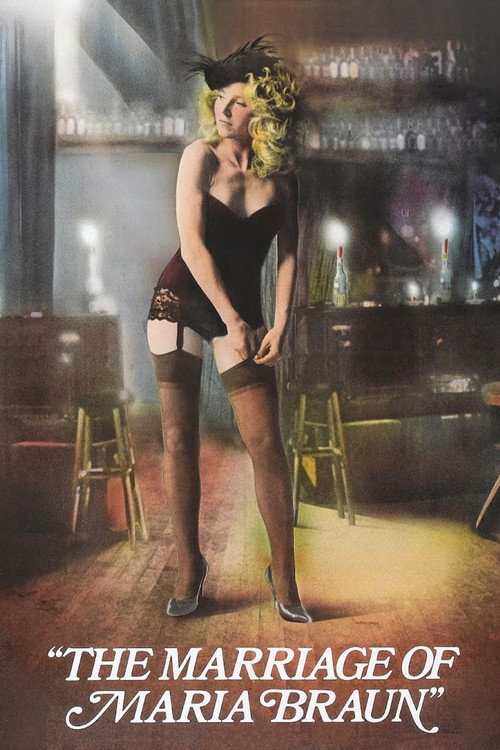
The Marriage of Maria Braun1979
Rainer Werner Fassbinder's examination of a woman navigating postwar Germany, making sacrifices for abstract causes and men who don't deserve them. The machinery is modern but the tragedy is classical: power, gender, and the cost of survival.
But Fassbinder's style is mannered and cold. Some will find it brilliant; others will find it emotionally exhausting and remote.
Stalker1979
Andrei Tarkovsky's metaphysical journey into a mysterious zone where desire and sacrifice become indistinguishable. Not literal tragedy but structured like one—men moving toward inevitable transformation, willing participants in their own undoing.
But Notoriously slow, three hours long, and philosophically abstract. Requires patience and tolerance for ambiguity. Some will find it profound; others will find it impenetrable.

Woyzeck1979
Both examine how individuals become instruments of abstract necessity. Both use formal visual control to contain chaos. But where Iphigenia's tragedy is ritualized and explained, Woyzeck's is random and meaningless.
Werner Herzog's adaptation of Büchner: a man of no consequence, ground down by every system around him—military, medical, romantic—until he fractures. The moral machinery is the same as Iphigenia's, but inverted: here, the sacrificial victim is powerless rather than royal, and no gods care what he does.
But Visually stunning but narratively fragmentary and deeply bleak. Klaus Kinski's performance is raw and occasionally incoherent. No resolution, no mercy, and a refusal to explain its own logic.

Come and See1985
Both depict the moment a young person is conscripted by forces beyond their control into participation in collective violence. Both use unblinking visual language and refuse to sentimentalize the death of innocence. But where Iphigenia is ritualized and philosophical, Come and See is chaotic and historical.
Elem Klimov's Belarusian war film: a boy watches his world—and himself—destroyed by mechanized violence. Not ancient tragedy but structured identically: an innocent forced into ritual slaughter, the gods replaced by the machinery of war, the same inexorable movement toward ruin.
But Devastatingly violent and visually graphic. Demands emotional endurance. Some sequences are difficult to watch, and the film offers no comfort or redemption. A document of atrocity, not entertainment.

People
Cast
 Irene PapasKlytaimnistra
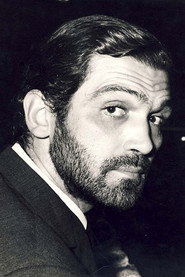 Kostas KazakosAgamemnonas
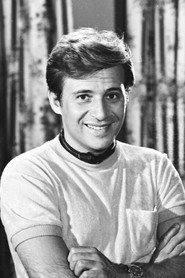 Kostas KarrasMenelaos
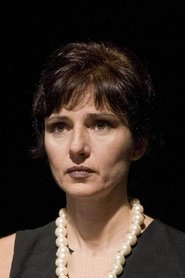 Tatiana PapamoschouIfigeneia
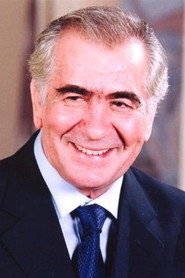 Christos TsagasOdysseas
 Panos MihalopoulosAchilleas
 Angelos YannoulisServant
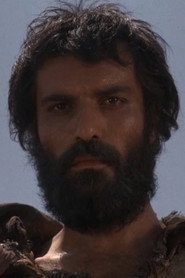 Dimitris AronisKalhas
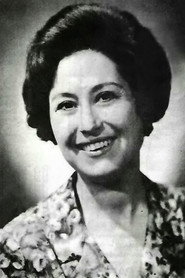 Eirini KoumarianouNurse
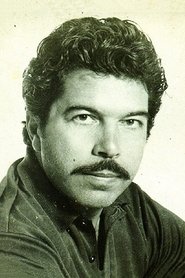 Giorgos OikonomouMessenger
- Dimitris KontogiannisMyrmidon (as Dimitris Kondogiannis)
Directing
- Mihalis KakogiannisDirector
Writing
- EuripidesTheatre Play
- Mihalis KakogiannisWriter