
Film
The Marriage of Maria Braun
Rainer Werner Fassbinder's post-war masterpiece follows a woman of fierce intelligence and will navigating the rubble of 1940s Germany. Maria Braun is no victim—she's calculating, sexual, ambitious, willing to do what survival demands. It's a portrait of a nation rebuilding itself through her story, intimate and epic at once. Gorgeous, tough, occasionally bleak.
Should you watch it?
Watch it if you like slow-burning postwar portraits where ambition and compromise are examined with cool irony, and a melodrama that keeps its distance and lets the frame do the arguing.
Skip it if you want emotional catharsis or warmth; it holds you at arm's length, and its deliberate, stylised artifice can feel chilly for a stretch of its two hours.
What it asks of you: Two hours of measured, deliberately paced storytelling where the postwar gloss looks almost too polished, and it rewards attention to what goes unsaid.
Not sure? Find tonight's pick in a minute.
If you liked this
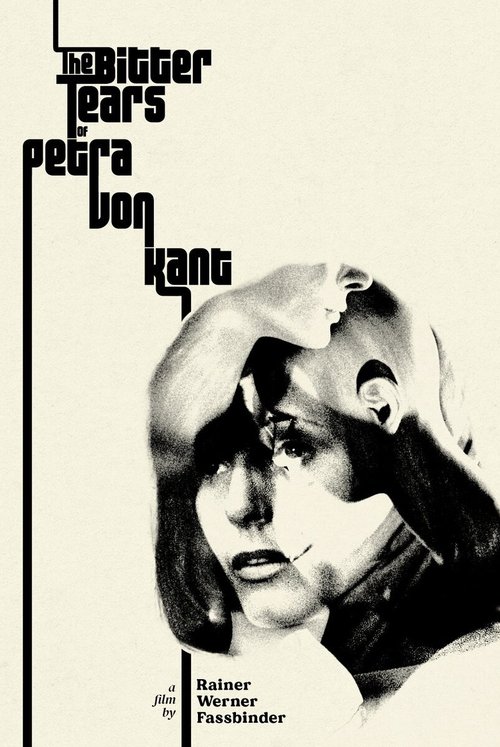
The Bitter Tears of Petra von Kant1972
Another Fassbinder gem about power, desire and cruelty between women. Confined to one room, it's tense as a drawn knife. Petra von Kant is every bit as manipulative and magnetic as Maria Braun, and the film finds tragedy in her ambition.
But Primarily a two-character chamber piece that some find static or airless. The lesbian relationship at its centre may not be what you're expecting.
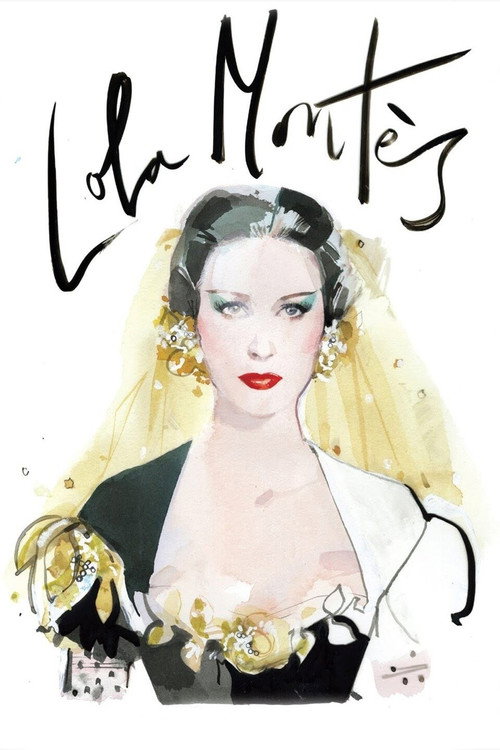
Lola Montès1955
Max Ophüls' swooning, heartbreaking circus-frame tragedy about a woman who uses her body and charm to survive and climb. Visually sumptuous where Fassbinder is austere, but the same brutal calculus of survival and self-invention.
But Told in reverse, with a fragmented structure that can feel mannered. The 1950s romanticism might feel distant from Maria Braun's grittier tone.
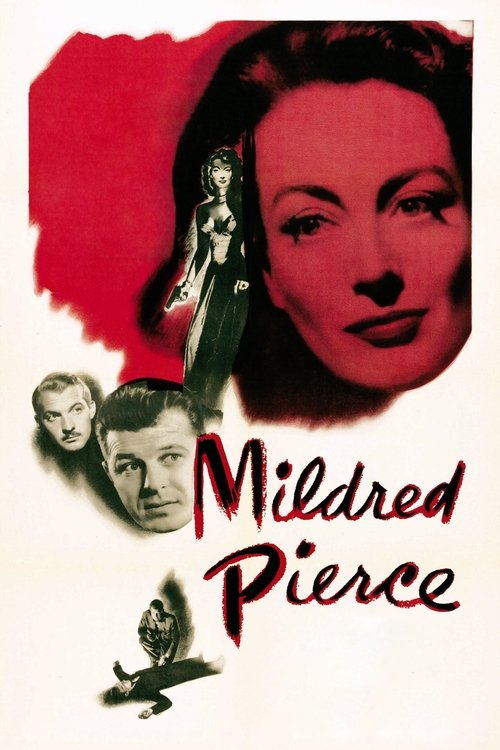
Mildred Pierce1945
Joan Crawford as a woman rebuilding her life through sheer force of will after abandonment. It has the same DNA—female ambition, the American dream corrupted, a mother's complicated choices. A noir with a female engine.
But Warner Bros. melodrama, not art cinema. The ending is sometimes read as moralistic in ways that might feel at odds with Fassbinder's moral ambiguity.
Not sure tonight? Get a pick in a minute, starting from The Marriage of Maria Braun
The wildcard
Something you would not have found on your own.
Stalker1979
Both are 1979 masterworks about desire and cost, but operating in completely different registers and nations. Watching them together is a study in how two artists of equal stature solved the same question differently.
Andrei Tarkovsky's mesmerizing science-fiction meditation released the same year as Maria Braun. Both films are about desire—what we want and what it costs us. One is Soviet realism, one West German melodrama; both are about the gap between wish and consequence, framed as journeys into contested spaces.
But Glacial pacing. Ten-minute sequences where nothing happens. Tarkovsky demands patience most viewers won't offer; it's not a reward, it's a barrier.

More like this (8)
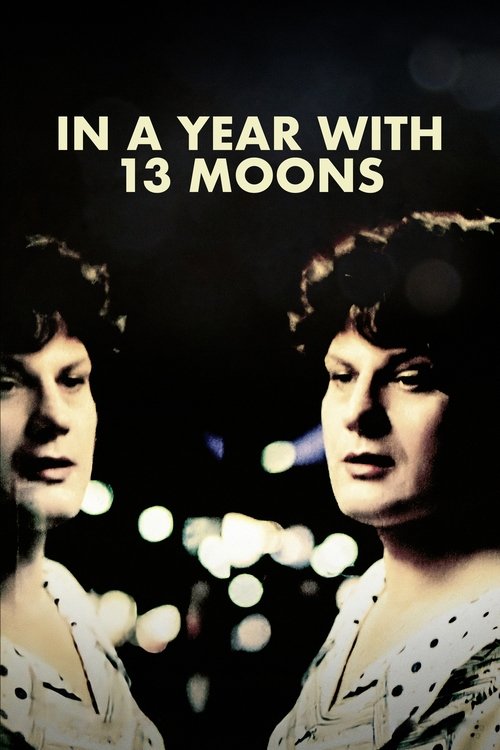
In a Year with 13 Moons1978
Fassbinder's most autobiographical film, equally fractured and raw. A meditation on love, loss and the violence casual people do to the vulnerable. Less controlled than Maria Braun but just as unsparing.
But Deeply depressing and genuinely difficult to watch. The subject matter—transition, exploitation—demands an emotional investment that not everyone can give.
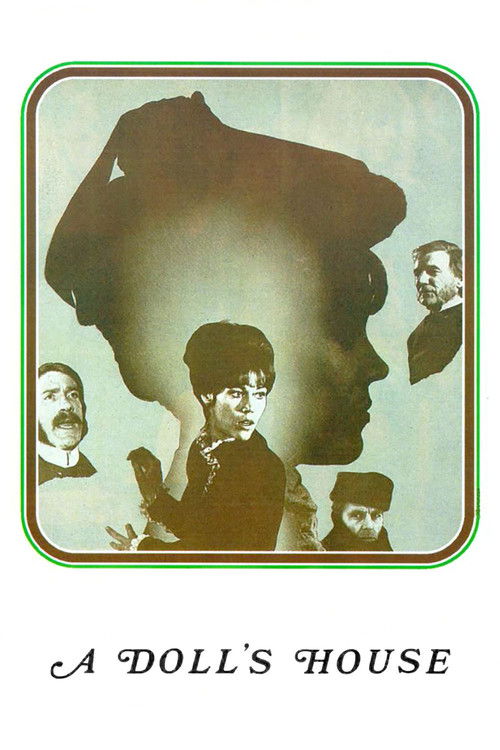
A Doll's House1973
Joseph Losey's adaptation finds the steel in Ibsen's Nora. Claire Bloom as a woman discovering her own will within a suffocating marriage. A feminist text that mirrors Maria Braun's journey toward autonomy and reckoning.
But Theatrical and contained. Some find the adaptation too faithful to the play's structure, which can feel static on film.
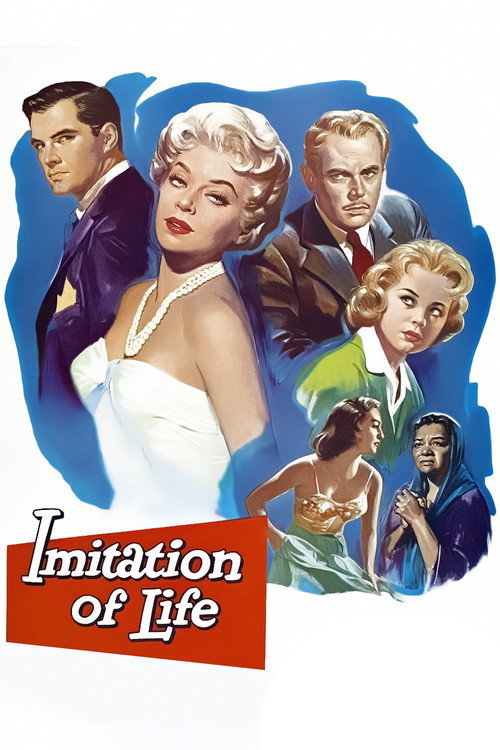
Imitation of Life1959
Douglas Sirk's masterpiece about a woman leveraging her looks and determination into a business empire. Melodrama as social critique. The glamour conceals real pain—Sirk sees what it costs to survive.
But Sirk's lush colour and heightened emotions read as campy to some. The racial subplot hasn't aged as gracefully as the rest.
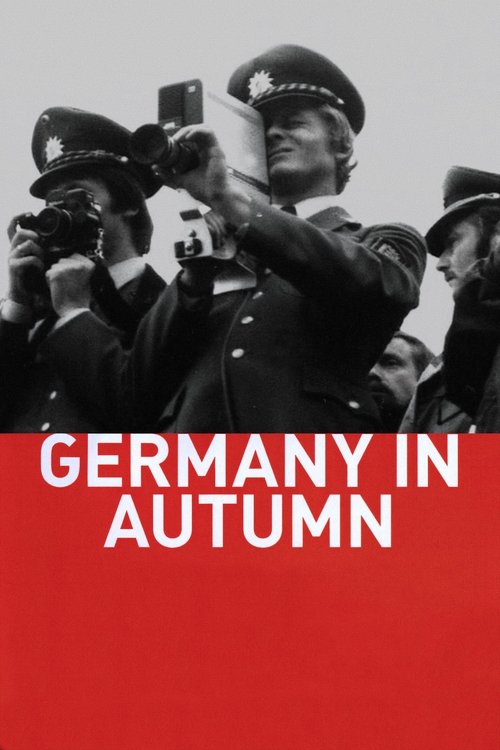
Germany in Autumn1978
Fassbinder and others film the German Autumn crisis in real time. Fever-dream collage of chaos and state violence. A companion piece to Maria Braun—her survival story set against the nation's actual political breakdown.
But Experimental, fragmented, sometimes opaque. Not a narrative film. Requires patience and some political literacy to unlock.
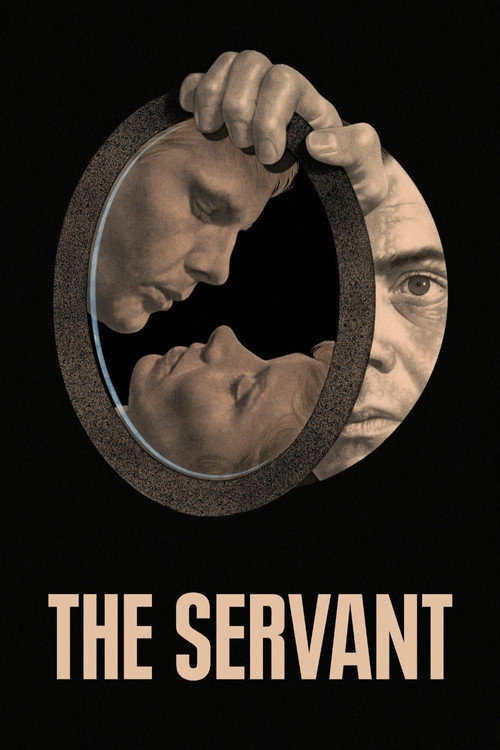
The Servant1963
Losey's chamber-piece about power, seduction and the fluidity of master and servant. Like Maria Braun, it's about someone who weaponizes vulnerability and sex to invert hierarchy. Ice-cold and gorgeous.
But Confined, claustrophobic setting. The sexual dynamics are predatory and uncomfortable—intentionally, but not everyone wants that for two hours.
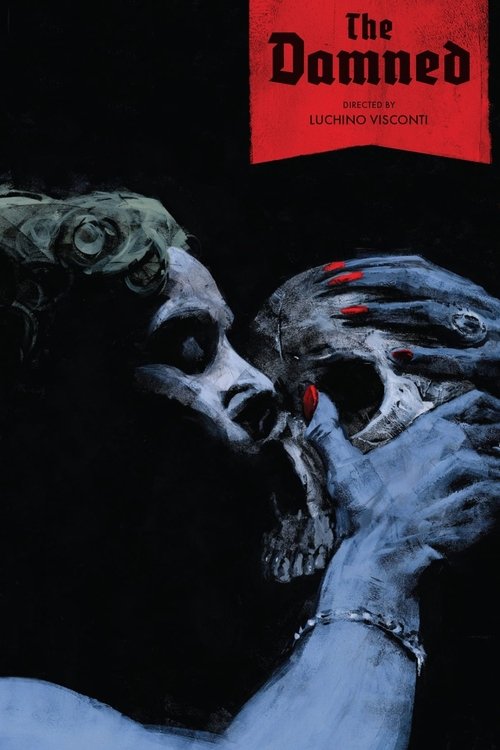
The Damned1969
Another German epic about ambition and corruption in the shadow of Nazism. A family's collapse parallels the nation's. Operatic and perverse, it shares Fassbinder's sense that survival itself corrupts.
But Nearly three hours. Visconti's baroque excess and the film's graphic content make it a difficult watch, even for those prepared for it.
Jeanne Dielman, 23, quai du Commerce, 1080 Bruxelles1976
Both films centre a woman's agency and survival, but Akerman shows the quotidian reality underneath Fassbinder's melodrama. Where Maria Braun is eventful and scored, Jeanne Dielman is quotidian and silent—same subject, inverted approach.
Chantal Akerman's three-hour portrait of a woman's routine: cooking, cleaning, sex work, arithmetic. Maria Braun's interior life made visible. No score, no drama—just the precise choreography of a woman's day, her autonomy expressed through small rituals and choices.
But Experimentally slow. Whole scenes of chopping vegetables. If you need plot momentum or traditional narrative, this will feel like punishment rather than cinema.

The Act of Killing2012
Both examine complicity and survival in post-conflict nations. Maria Braun succeeds in a broken world; The Act of Killing asks what people had to do to break it in the first place. A devastating pairing.
Documentary about perpetrators of 1960s Indonesian genocide asked to reenact their own killings. Fassbinder was obsessed with how ordinary people commit atrocities during political breakdown. This film does what he only implied: it forces you to watch a nation process its own violence without flinching.
But Extremely disturbing. Watching men cheerfully describe murdering thousands, performed for the camera, is one of cinema's most morally vertiginous experiences. Some will find it unwatchable.

People
Cast
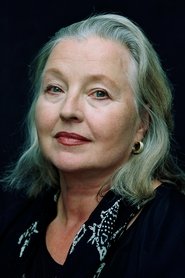 Hanna SchygullaMaria Braun
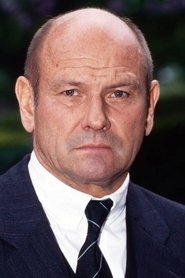 Klaus LöwitschHermann Braun
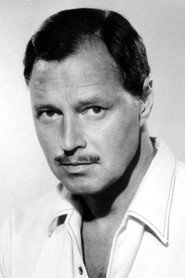 Ivan DesnyKarl Oswald
 George EaglesBill
 Gisela UhlenMother
 Elisabeth TrissenaarBetti Klenze
 Gottfried JohnWilli Klenze
 Hark BohmSenkenberg
 Günter LamprechtHans Wetzel
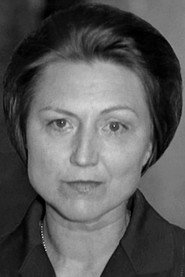 Lilo PempeitFrau Ehmke
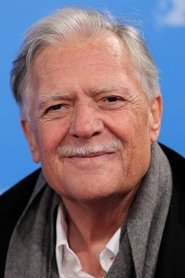 Michael BallhausCounsel
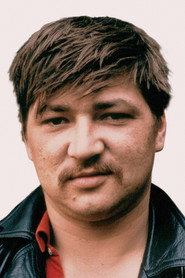 Rainer Werner FassbinderPeddler
Directing
- Rolf BührmannAssistant Director
- Rainer Werner FassbinderDirector
- Helga BeyerScript Supervisor
Writing
- Rainer Werner FassbinderIdea
- Pea FröhlichScreenplay
- Peter MärthesheimerScreenplay
Production
- Dieter DubineLocation Manager
- Hanns EckelkampProducer
- Michael FenglerProducer
- Volker CanarisProducer
- Wolf-Dietrich BrückerProducer
- Robert BuschProduction Assistant
- Jochen LosseProduction Coordinator
- Harry BaerProduction Manager
- Martin HäusslerProduction Manager
- Christine FallProduction Secretary
- Thomas WommerUnit Manager
Recommended by
Sunshine, Frida, Ali: Fear Eats the Soul, Iphigenia, Enemies, a Love Story, Rainer Werner Fassbinder's World on a Wire: Looking Ahead to Today, The Europeans, Sissi, That Hamilton Woman, Voyager, Chronicle of Anna Magdalena Bach, Lili Marleen, Ghosts