
Film
Chronicle of Anna Magdalena Bach
- Musical biopic
- Slow-burning
A 1968 experiment in biography: Anna Magdalena Bach narrates the mundane and sublime reality of living with Johann Sebastian Bach—his struggles for patronage, his daily composition, his children. Shot in period costume with his actual music, it's austere and intimate, built on counterpoint between voice and image. For those drawn to music history as lived experience rather than dramatized myth.
If you liked this
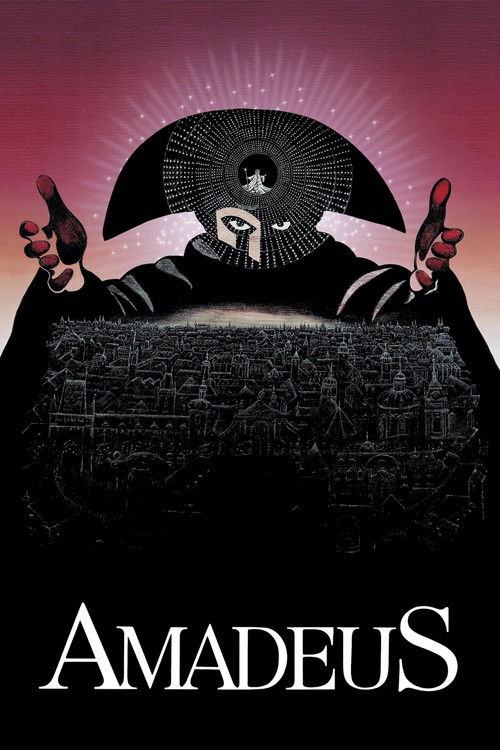
Amadeus1984
A masterclass in visualizing genius: Mozart's music floods the frame while Salieri's jealousy propels a vast drama. Opulent where *Chronicle* is spare, but equally obsessed with how creation actually happens.
But Three and a half hours of period costume drama can feel airless, and the baroque spectacle might overwhelm if you came for music rather than plot.
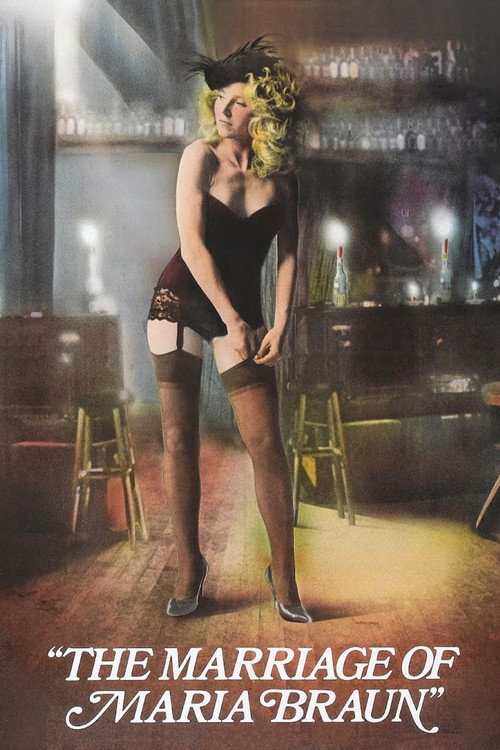
The Marriage of Maria Braun1979
Fassbinder's wife narrates her own story through postwar Germany's chaos, using her voice as counterpoint to image. Shares *Chronicle*'s formal intelligence about how a woman documents a man's era while living her own.
But A slower, more fractured narrative—this is cinema as essay, not comfort. Emotionally demanding in ways that take patience to unlock.
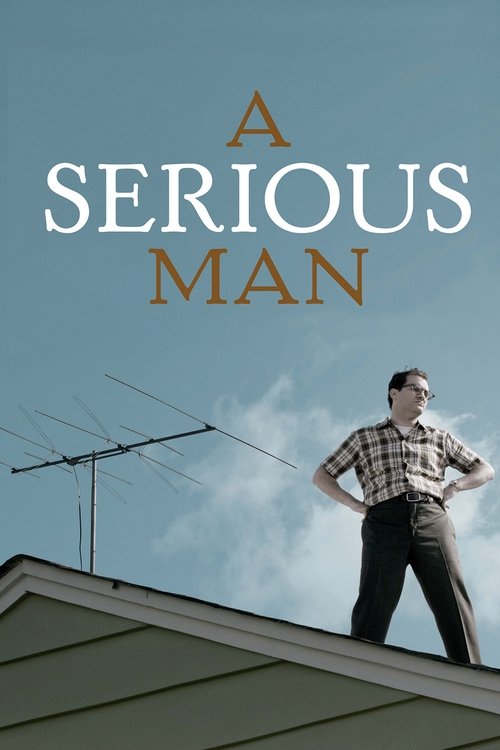
A Serious Man2009
The Coens dissect a life of small indignities and cosmic unfairness through Jewish liturgy and physics. Like *Chronicle*, it treats domestic struggle as genuinely consequential, and uses formal precision to find meaning in routine.
But Deliberately anticlimactic and sometimes bleak. If you need resolution and uplift, this withholds both intentionally.
Not sure tonight? Get a pick in a minute, starting from Chronicle of Anna Magdalena Bach
The wildcard
Something you would not have found on your own.
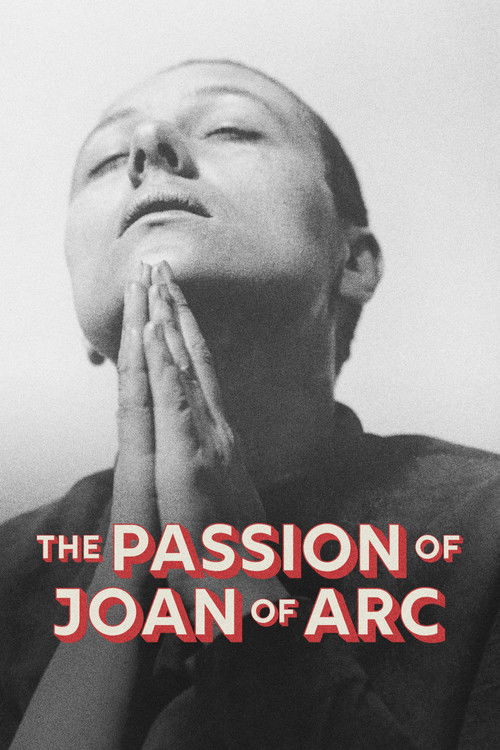
The Passion of Joan of Arc1928
Both use formal severity—minimal sets, restricted camera, the voice or face as text—to argue that a life's truth emerges through constraint, not embellishment. Restraint becomes the method and the message.
Bresson's 1928 silent film stages a saint's interrogation through extreme close-ups of her face—no scenery, no distraction, only presence. Like *Chronicle*, it trusts that restraint and repetition can reach depths that spectacle cannot. Pure cinema as spiritual inquiry.
But Silent, shot in 1928, almost abstract in its refusal of conventional drama. Some find it transcendent; others find it maddening and inaccessible.
More like this (8)
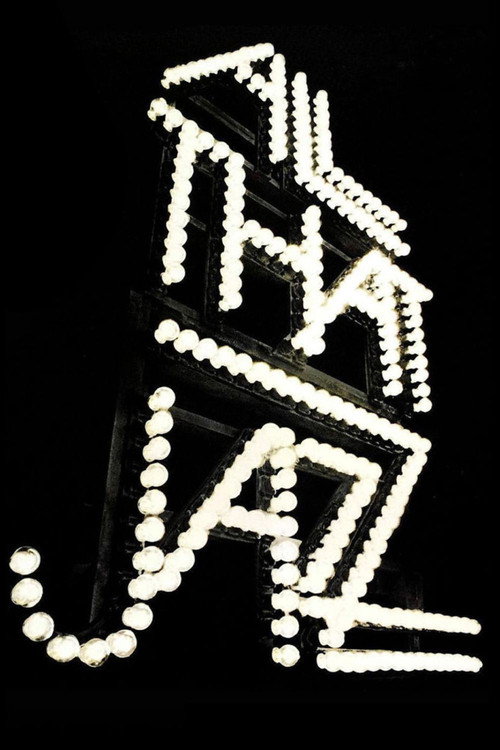
All That Jazz1979
Fosse's fever dream of a director's life conflates creation, mortality, and ego into one spellbinding interrogation. The music—his own obsessive compositions—functions exactly as Bach's does in *Chronicle*: as the truest autobiography.
But Explicit and sexual in ways that might jar if you expected something more restrained. Also hallucinogenic and occasionally incoherent by design.
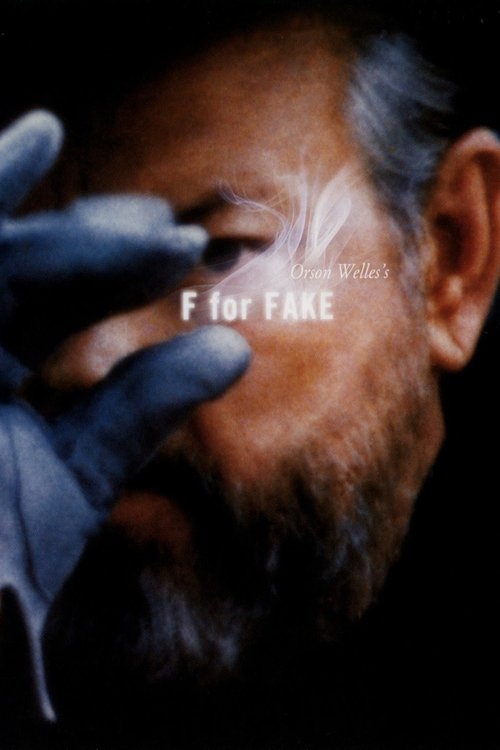
F for Fake1973
Welles' essay-film about art, authorship, and deception uses a woman's voice (among others) to narrate questions about who gets to tell whose story. Formally playful but deadly serious about biography and truth.
But Fragmented and essayistic—it refuses narrative shape. If you need plot momentum or conventional structure, this will feel like channel-surfing.
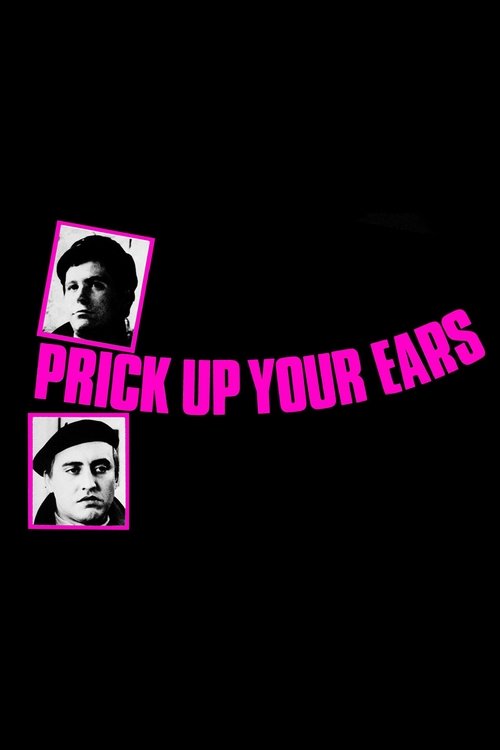
Prick Up Your Ears1987
The life of Joe Orton narrated through fractured memory and archive, where a lover's voice carries as much authority as the subject's. Messy, intimate, and honest about how we mythologize the dead.
But Messy in the content, too: graphic sex and violence, and a fundamentally sad story. Not a film for wanting to feel cheered afterward.
Synecdoche, New York2008
Kaufman collapses a man's art into his life until neither exists separately—every creation devours him. Like *Chronicle*, it's formally rigorous about the relationship between domestic reality and the work that emerges from it.
But Deliberately opaque and recursive to the point of alienation. Many viewers find it more impressive than moving, which can feel like a waste of emotional investment.

In the Mood for Love2000
Wong Kar-wai makes a film almost entirely of glances and silences, where the unsaid matters more than dialogue. The patient formalism and obsessive repetition mirror *Chronicle*'s trust that restraint can be more eloquent than statement.
But Glacial pacing and a plot that amounts to suppressed longing. If you watch films for event and momentum, this will feel like waiting for a train that never arrives.

The Turin Horse2011
Béla Tarr's final film imagines Nietzsche's last days: repetition, silence, the body failing, philosophy becoming purely physical. Austere and meditative about genius and its price, with a visual austerity that honors *Chronicle*'s restraint.
But Relentlessly bleak, nearly wordless, and shot in black-and-white grain that could feel punishing. Not a film for wanting beauty—it offers only truth.

Stalker1979
Both reject conventional biography or narrative. Instead, they embed spiritual or philosophical inquiry into the fabric of everyday routine—Bach composing, the stalker walking. The subject emerges through formal patience, not character development.
Tarkovsky's three-hour meditation on desire, faith, and spiritual longing moves through a landscape almost without plot. Shot in muted colour with long takes and minimal dialogue, it achieves what *Chronicle* achieves—the conviction that waiting and watching can be more profound than action.
But Glacially slow, philosophically abstract, and entirely uninterested in resolving its questions. Many viewers describe it as boring; others describe it as transcendent—there is often no middle ground.

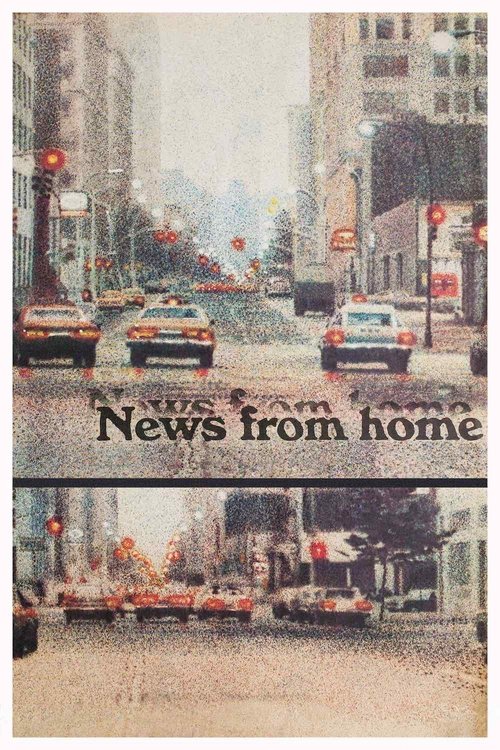
News from Home1976
Both trust that biography emerges not from event but from attention—to routine, to the unsaid, to what a life looks like when you simply watch it. Both understand that a woman's mediation (Anna Magdalena's, Akerman's mother's) is itself the story, not subordinate to it.
Chantal Akerman reads her mother's letters over fixed shots of New York streets—nine hours of quotidian detail, absence, and love. Like *Chronicle*, it uses a woman's voice to articulate a life lived in service to someone else's world, but it's avant-garde cinema, not period drama.
But Nine hours of video art: static shots of storefronts, monotone reading, no plot whatsoever. It's not a film for entertainment; it's a test of whether you can find meaning in accumulated texture.
People
Cast
- Gustav LeonhardtJohann Sebastian Bach
- Christiane LangAnna Magdalena Bach
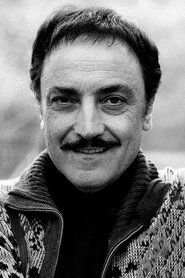 Paolo CarliniHölzel
- Ernst CastelliSteger
- Hans-Peter BoyeBorn
- Joachim WolffRector
- Rainer KirchnerSuperintendent
- Eckart BruntjenPrefect Kittler
- Walter PetersPrefect Krause
- Kathrien LeonhardCatherina Dorothea Bach
- Anja FahrmannRegine Susanna Bach
- Katja DrewanzChristine Sophie Henrietta Bach
Directing
- Danièle HuilletDirector
- Jean-Marie StraubDirector
Writing
- Danièle HuilletWriter
- Jean-Marie StraubWriter
Production
- Danièle HuilletProducer
- Franz SeitzProducer
- Gian Vittorio BaldiProducer
- Jean-Marie StraubProducer
- Aldo U. PassalacquaProduction Assistant
- Georg FöckingProduction Assistant
- Günther MaagUnit Manager
- Horst WinterUnit Manager