
Film
So Long, My Son
- Drama
- Slow-burning
A three-hour epic spanning four decades of Chinese life, following two families through the seismic shifts of reform, ambition, loss and compromise. It's patient, accumulated, devastatingly human—the kind of film that builds its weight slowly until it crushes you. For anyone who believes cinema's purpose is to hold an entire life in its hands.
If you liked this
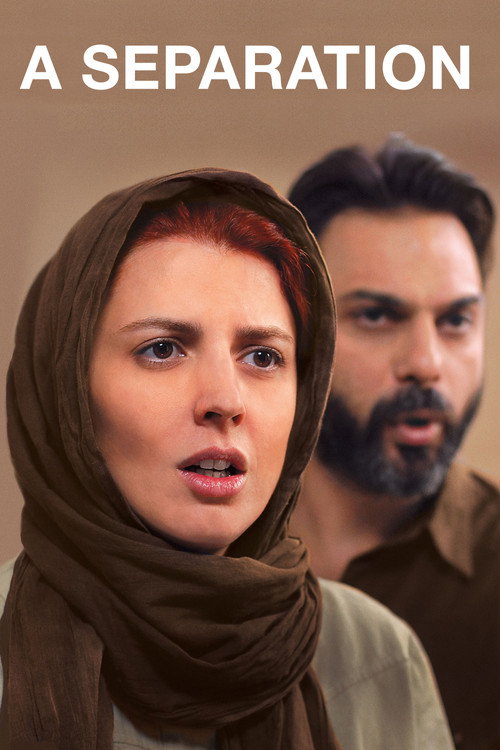
A Separation2011
A masterpiece about marriage, custody and class that shares this film's gift for finding moral complexity in ordinary circumstances. Both reveal how personal and political tragedy intertwine.
But Deeply claustrophobic and bleak. Neither film offers comfort, just truthfulness—which is harder to live with.
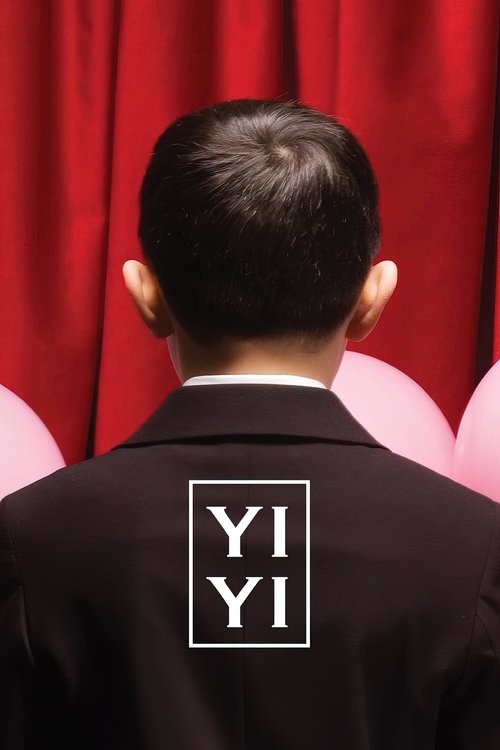
Yi Yi2000
Edward Yang's Taiwanese epic also spans decades of family life with unhurried grace, tracing how modernisation reshapes intimacy. The same meditative architecture, the same refusal to judge.
But Three hours of quiet accumulation. If you need plot momentum or clear resolutions, you'll find it slow.
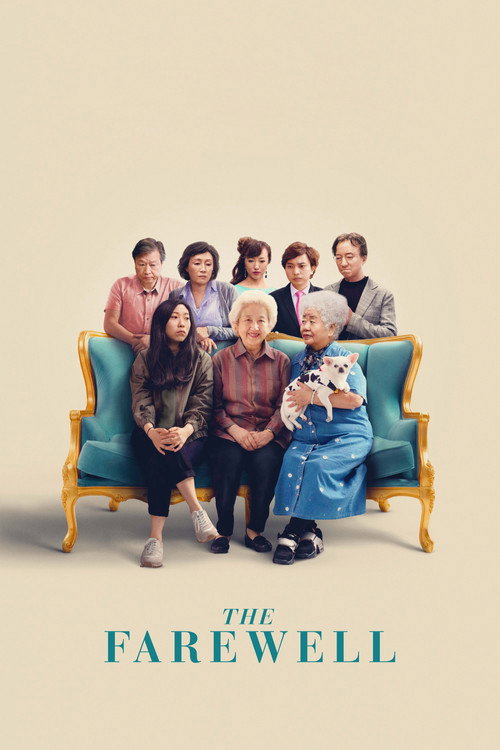
The Farewell2019
Lulu Wang captures the collision between Chinese family duty and American individualism with warmth and humour. Both films trace how large historical forces shape the smallest domestic moments.
But Lighter in tone, which might make this feel like a palate cleanser rather than a full reckoning.
Not sure tonight? Get a pick in a minute, starting from So Long, My Son
The wildcard
Something you would not have found on your own.
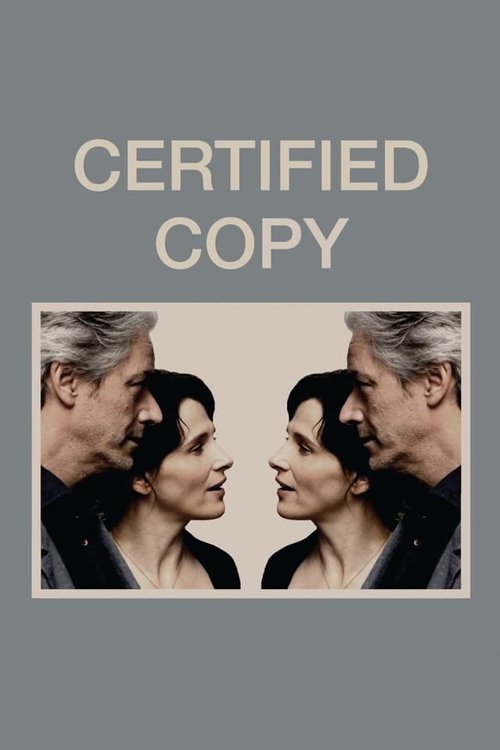
Certified Copy2010
Both films treat marriage and time as their true subject, and both understand that memory and versions of events matter more than objective truth.
Abbas Kiarostami's film is a single afternoon between a couple, yet it asks the same question as So Long, My Son: what is real in a relationship? It's a philosophical conversation that becomes a portrait of a marriage.
But Kiarostami assumes you'll stay curious rather than need clarity. It's austere, European, anti-narrative in ways that demand active engagement.
More like this (8)
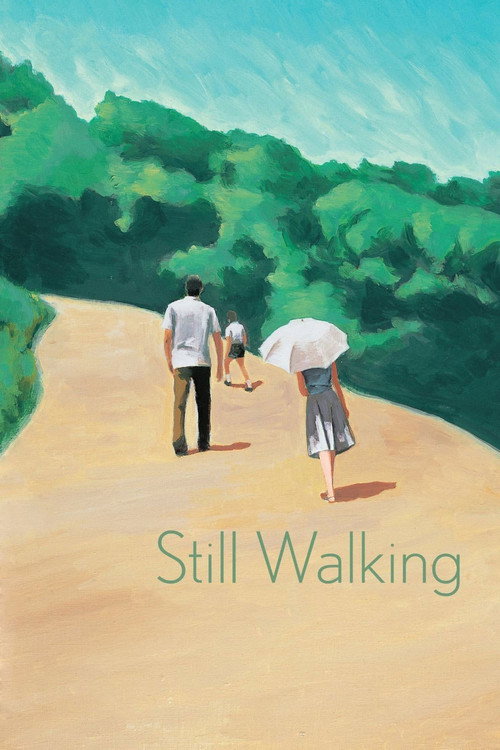
Still Walking2008
Hirokazu Kore-eda's film about a family gathering carries the same slow grief, the same sense of loss accumulating across years. Quiet, precise, and achingly tender about how families endure.
But Nothing dramatic happens. If you're looking for incident rather than feeling, it won't deliver.
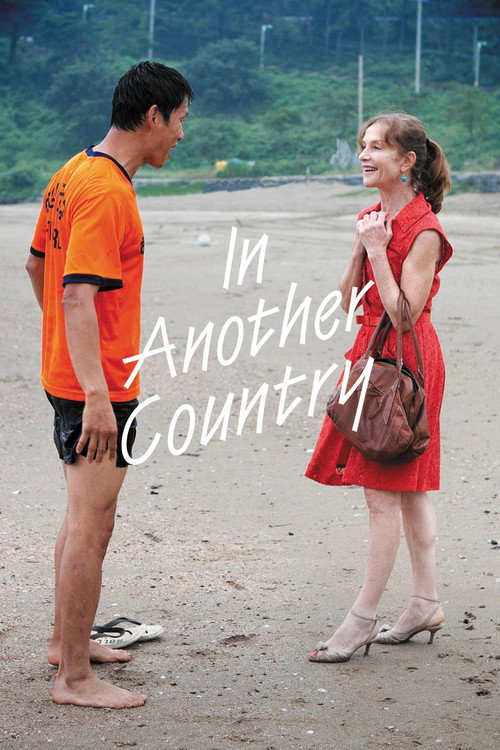
In Another Country2012
Hong Sangsoo explores repetition and memory in relationships with the same patient eye for how we survive. Both films trust their audiences to sit with ambiguity and time.
But Deliberately inconclusive and formally experimental. It asks you to meet it more than halfway.
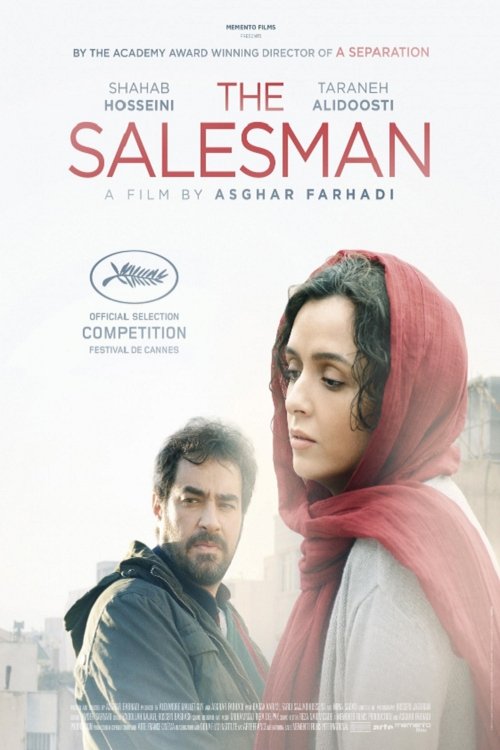
The Salesman2016
Asghar Farhadi's film about an Iranian couple dealing with trauma shares this one's unflinching interest in how marriages buckle under pressure. Finely observed, morally intricate.
But Another three-hour commitment about unhappy people in confined spaces. Not for those seeking escape.
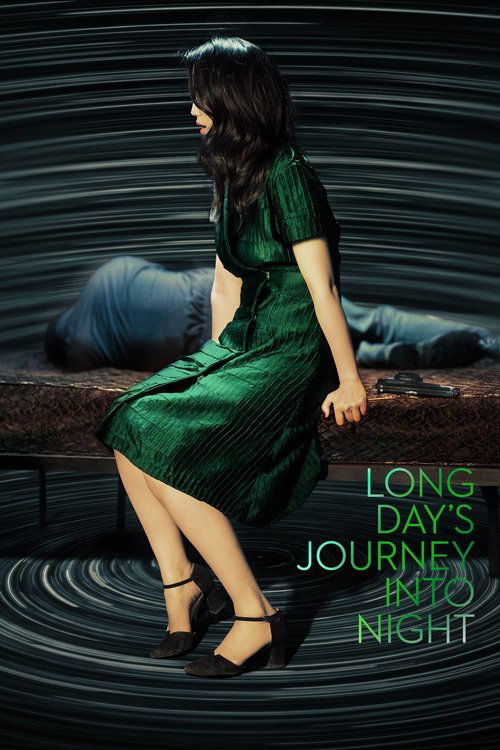
Long Day's Journey Into Night2018
Bi Gan's meditation on memory, loss and time moves through decades with dreamlike logic. Both films understand that cinema can hold contradictory emotional truths simultaneously.
But Formally very strange—long takes, shifts in perspective, an almost hallucinogenic atmosphere. It's more experimental than straightforward.
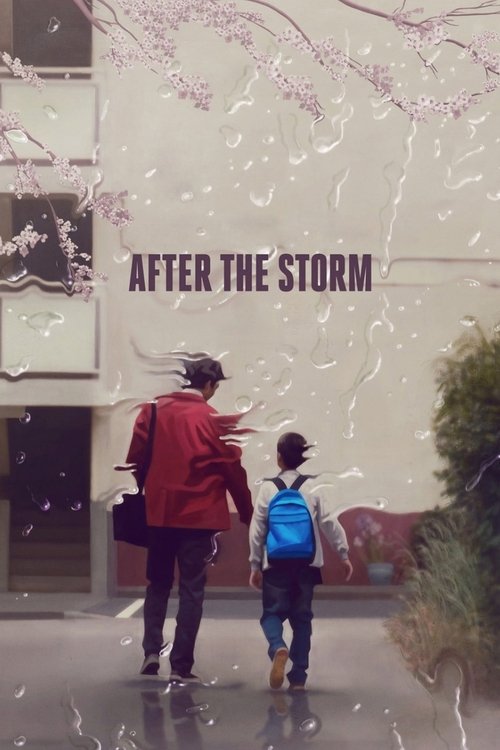
After the Storm2016
Kore-eda again, this time about a failed writer and his fractured family. The same generosity toward flawed people, the same belief that small moments contain everything.
But Deliberately domestic and unglamorous. There's no arc of redemption, just the ordinary difficulty of living.
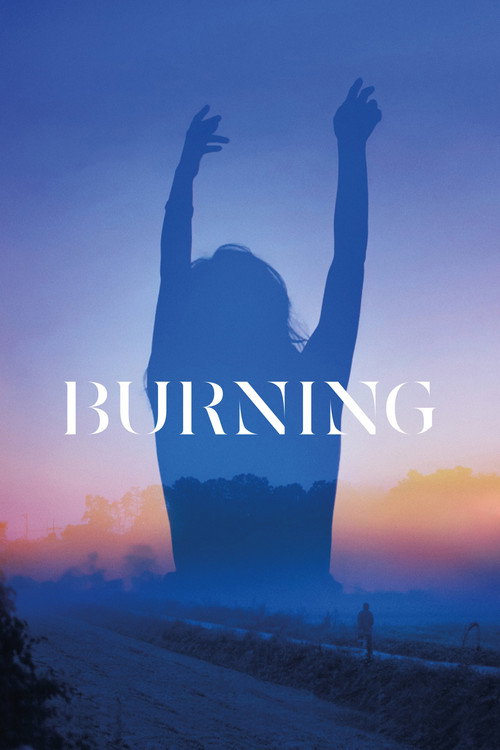
Burning2018
Lee Chang-dong's mysterious, slow-burn film about class, desire and violence shares the commitment to patience and moral ambiguity. Both reward the viewer willing to sit in uncertainty.
But Frustratingly oblique. It withholds explanation, which some find profound and others find infuriating.
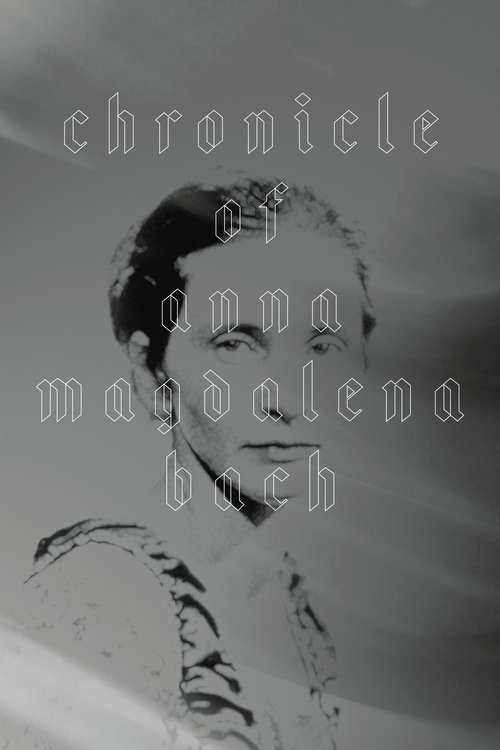
Chronicle of Anna Magdalena Bach1968
Both use time and form to communicate loss and endurance. Both trust cinema to be about presence—what remains, what we can hold onto—rather than plot.
Straub and Huillet's radical biography of Bach is formally austere but emotionally devastating—a slow construction of a life through documents, objects, and spaces. It proves that three hours of images and sound can be as exact as any novel.
But Experimental to the point of alienation. No dramatic scenes, no performances as we expect them. It's closer to a documentary or a poem than a narrative film.
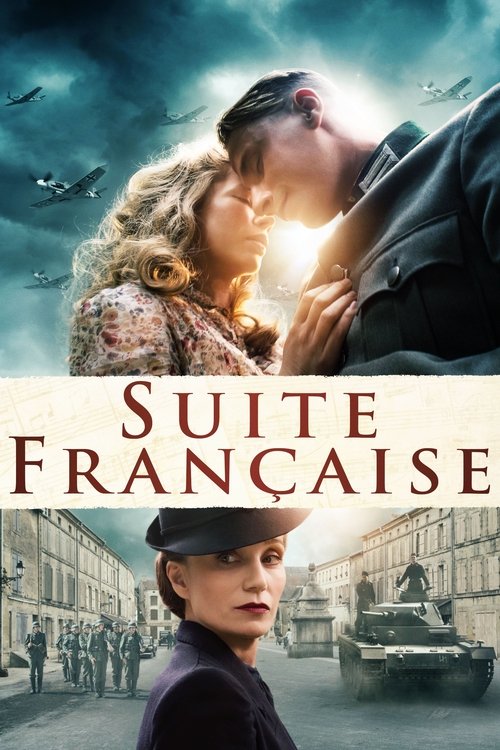
Suite Française2015
Both films believe that individual intimacy and historical catastrophe are inseparable. Both watch carefully how people continue living through circumstances they cannot control.
Saul Dibb's film uses occupied France to explore the same territory as So Long, My Son—duty, desire, and how people navigate impossible choices with quiet dignity. Supremely civilised storytelling about uncivilised times.
But A period romance in some ways, which might feel gentler or more escapist than what you're after. Some find its restraint distant.
People
Cast
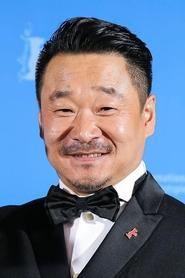 Wang JingchunLiu Yaojun
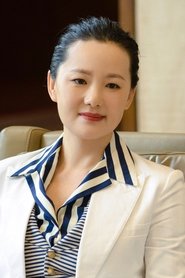 Yong MeiWang Liyun
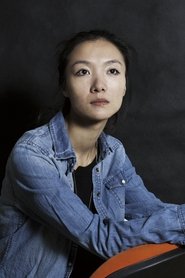 Qi XiShen Moli
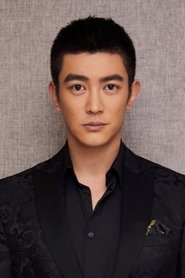 Du JiangShen Hao
 Ai LiyaLi Haiyan
 Li JingjingGao Meiyu
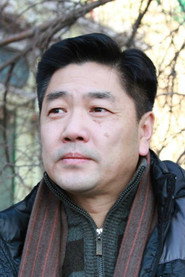 Xu ChengShen Yingming
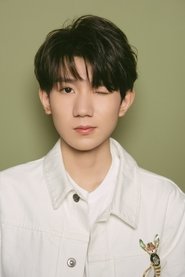 Roy WangLiu Xing
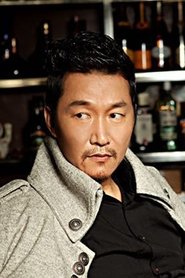 Zhaoyan GuozhangZhang Xinjian
- Wu ShuangShen Moli in youth
- Zhang XinyuanYoung Shen Hao
Directing
- Wang XiaoshuaiDirector
Writing
- Mei AhWriter
- Wang XiaoshuaiWriter