
Film
Long Day's Journey Into Night
Other titles called Long Day's Journey Into Night: the 1962 film.
- Drama
- Romantic drama
- Slow-burning
Luo Hongwu drifts back to his hometown after years away, chasing a ghost of a woman he never stopped loving. Bi Gan's film is a fever dream in 3D—hypnotic, digressive, visually intoxicating. It rewards patience and surrenders to mood. For viewers who love cinema as texture, not plot.
If you liked this
In the Mood for Love2000
Wong Kar-wai's essential meditation on longing and what we carry with us. Every frame is composed like a painting; the emotional precision beneath the beauty will haunt you for weeks.
But It's slow, elliptical, and deliberately withholding. If you need plot momentum or conventional narrative closure, this will feel like watching someone's daydream.

A Ghost Story2017
David Lowery's tender, melancholic exploration of memory, time, and what we leave behind. It has the same searching quality, the same sense of being trapped by the past. Devastatingly human.
But It's patient to the point of strangeness, featuring long static shots and minimal dialogue. The conceit—a ghost in a sheet—could feel precious in the wrong hands. Here it doesn't, but it demands trust.

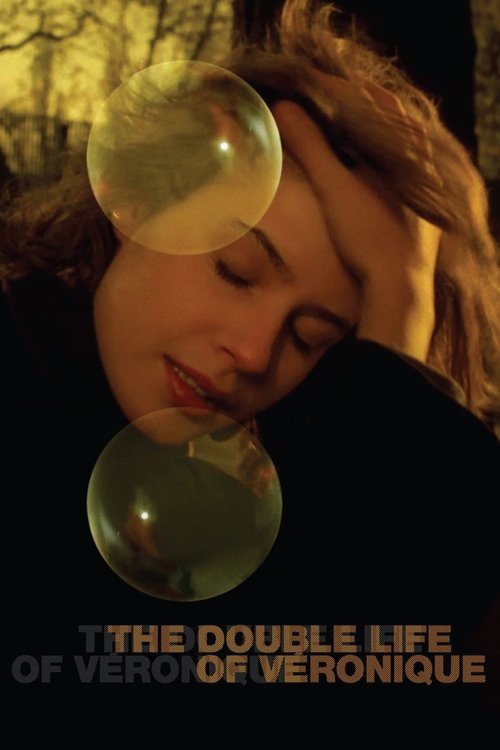
The Double Life of Véronique1991
Kieślowski's hypnotic mystery about duality and connection. It moves like a dream, fragments and intuitions rather than logic. Visual storytelling of astonishing control. Intoxicating.
But Plot is secondary; the film speaks in atmosphere and symbol. Long sequences of contemplation. Not for viewers who need everything explained.
Not sure tonight? Get a pick in a minute, starting from Long Day's Journey Into Night
The wildcard
Something you would not have found on your own.
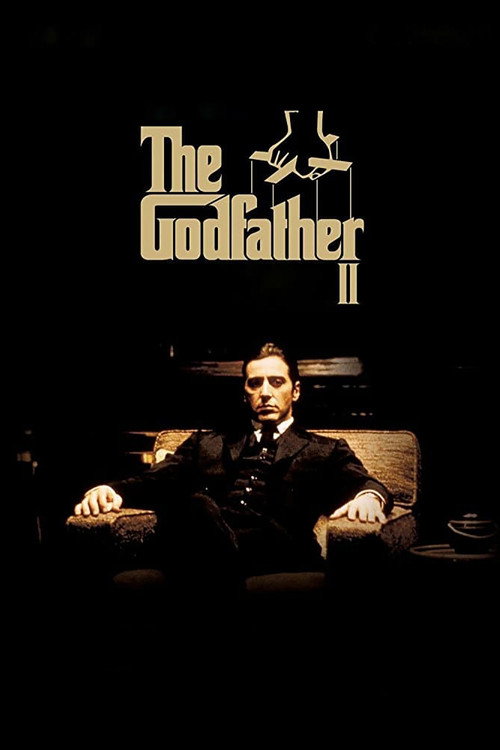
The Godfather Part II1974
Both are about men returning to origins that have transformed them, excavating memory against present reality. Both use formal brilliance—the 3D here, the cross-cutting there—as moral language.
Coppola's masterpiece does what this film does: splits narrative across time, weaving past and present into one emotional statement. A man building an empire, a man consumed by what he's built. The architecture of regret.
But Nearly four hours. Dense with characters and political complexity. Many watch it for the crime drama; missing the deeper tragedy requires patience.
More like this (7)
Mulholland Drive2001
Lynch's Los Angeles fever dream about identity, performance, and memory's cruelty. It has the same digressive, hypnotic quality—you're lost in it, which is the point. Brilliant and boundless.
But Intentionally fractured and opaque. Resists closure. Some will find it pretentious; most will find it maddening until suddenly they don't.

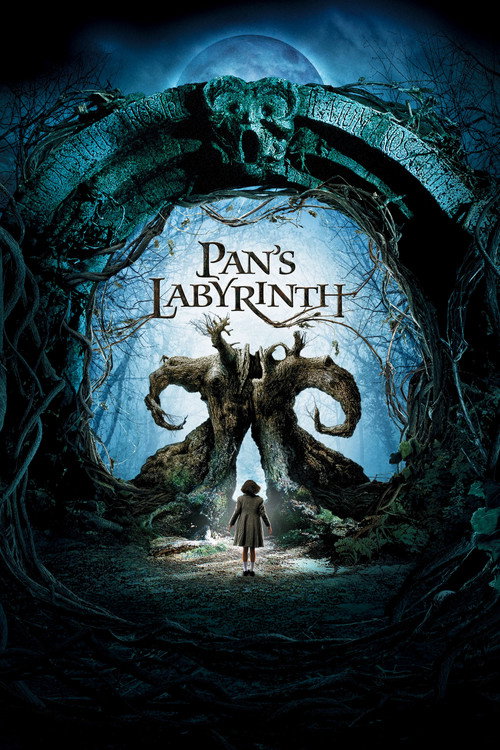
Pan's Labyrinth2006
Guillermo del Toro's dark fantasy set during Spanish fascism. Gorgeous, mythic, melancholic. A journey into another world as escape from an unbearable one. The production design alone justifies your evening.
But It's violent and unsettling, with real stakes and no promises of comfort. The fantasy elements might feel incongruous if you're after pure realism.
The Third Man1949
Greene and Welles' Vienna-set thriller about obsession, betrayal, and the past. It has that same quality of a man haunted by someone he knew. Shot like a geometric puzzle. Endlessly rewatchable.
But It's a classic, which means some viewers approach it as an obligation rather than a pleasure. If you resent being told something is important, you might resist it.

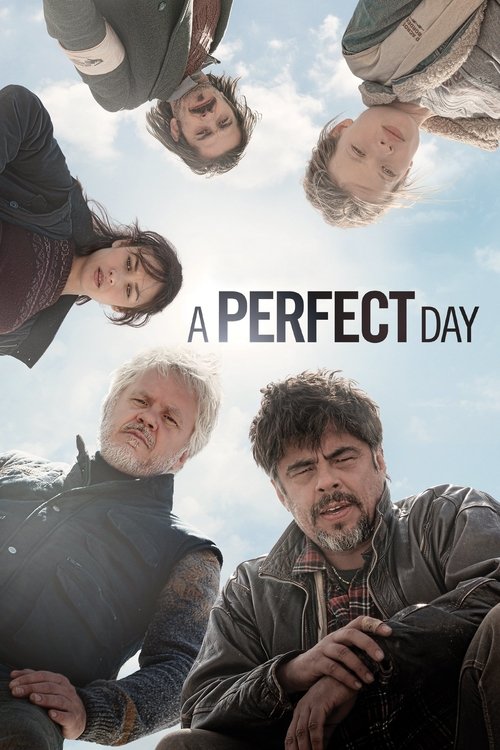
A Perfect Day2015
Fernando León de Aranoa's deceptively simple film about a group of UN workers trying to fix a bridge in post-war Albania. Funny, warm, and about the people we love and lose. Sneaks up on you emotionally.
But The premise sounds slight. The tonal shifts between comedy and genuine pathos might feel uneven. It's understated in ways that could read as placid.
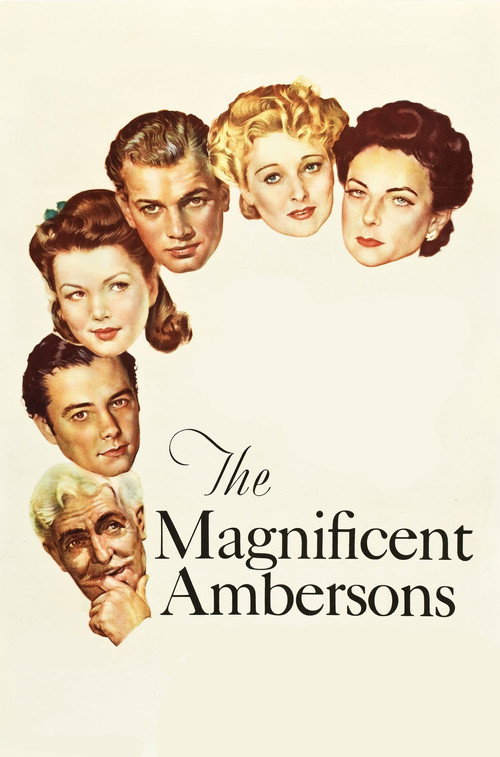
The Magnificent Ambersons1942
Welles again, but different: a meditation on the past's grip, family decline, the impossibility of return. Gorgeously shot. About a man haunted by what was. Deep echoes here.
But Famously compromised by studio interference. The ending, imposed against Welles' wishes, feels incomplete. Watching a great work in fragments is painful.
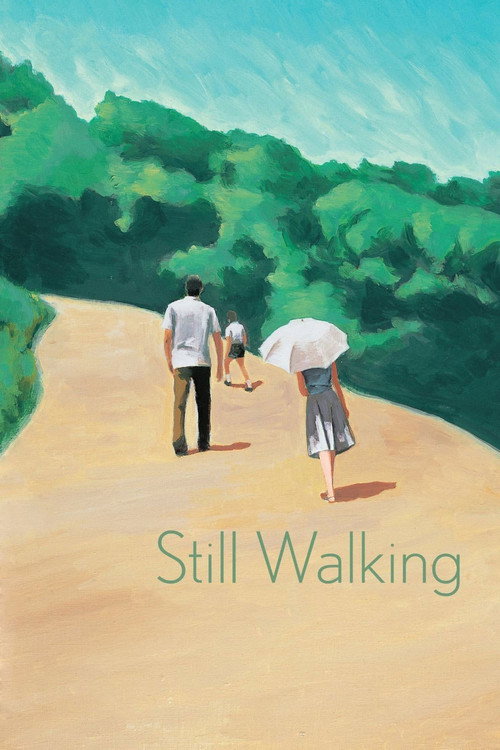
Still Walking2008
Both films find the same profound truth in different registers: you cannot return home because home exists only in what you've become. Memory is not arrival but exile.
Hirokazu Koreeda's achingly precise portrait of a family's reunion, circling loss they'll never articulate. Japanese domestic space as character. Quiet, patient, absolutely true. One of cinema's great achievements about grief.
But Nothing happens. It's a day at a house. If you need conventional dramatic conflict or plot escalation, you'll find it tedious. The emotional work is internal.
Come and See1985
Both films use their formal properties—3D immersion here, Klimov's grotesque distortion there—to place you inside a protagonist's fractured consciousness. Both demand surrender. Both ask: what remains when the past devours the present?
Elem Klimov's apocalyptic vision of a boy's loss of innocence during WWII. Not a war film—a descent into hell. Formal devastation to match its subject. A film that changes how you see cinema's capacity for truth.
But It is genuinely punishing. Not entertaining or comforting. Extraordinarily violent and cruel. Not a film you 'enjoy'—you survive it. Most will not want to see it twice.

People
Cast
 Tang WeiWan Qiwen / Kaizhen
 Huang JueLuo Hongwu
 Sylvia ChangWildcat's Mother / Red-haired Woman
 Lee Hong-ChiWildcat
 Chen YongzhongZuo Hongyuan
 Chloe MaayanPager
 Duan Chun-haoWan Qiwen's Ex-husband
- Bi YanminWoman Prisoner
- Feiyang LuoChild Wildcat
 Xie LixunLover of Red-haired Woman
 Qi XiWoman in Jade Hotel
 Ming DaoTraffic Police
Directing
- Shixue YuAssistant Director
- Bi GanDirector
- Bell ZhongFirst Assistant Director
Writing
- Bi GanScreenplay
Production
- Tingting GuoAssociate Producer
- Yuan HongAssociate Producer
- Charles GillibertCo-Producer
- Ding JianguoExecutive Producer
- Wan JuanExecutive Producer
- Han HanProducer
- Huang XiaomingProducer
- Shan ZuolongProducer
- Shen YangProducer
- Stanley Tong Gwai-LaiProducer
Recommended by
A Vigilante, 24 City, Jiang Hu: The Triad Zone, V, So Long, My Son, Witchboard, A Doll's House