
Film
Still Walking
Still Walking spends one long summer day with three generations of a Japanese family gathered at their parents' house, ostensibly to honour a son who died years ago. Kore-eda fills the hours with small talk, old grudges, and the particular tenderness of people who love each other imperfectly. Nothing is announced; everything is felt. It rewards patience over plot — perfect for anyone who wants a family drama that behaves like an actual family.
If you liked this
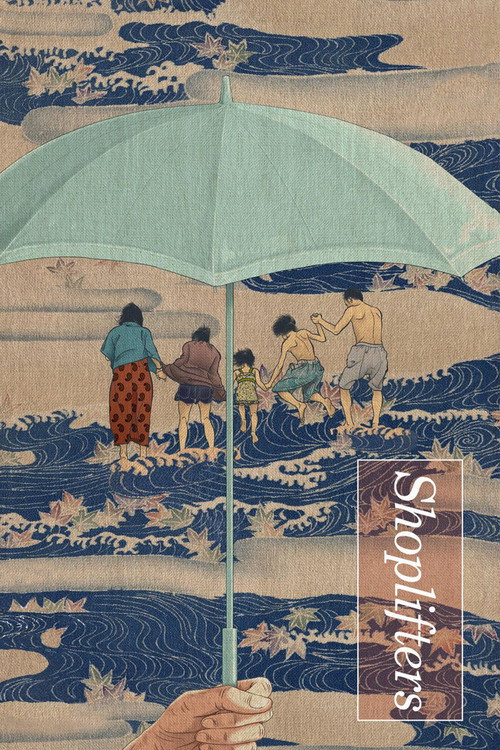
Shoplifters2018
If you fell for Kore-eda's patient, forgiving eye here, this is the fuller statement — a makeshift family bound by love and petty theft, told with the same unhurried tenderness and a gut-punch of an ending.
But The slow build and the moral ambiguity about the family's crimes can feel more unsettling than comforting.
After the Storm2016no page yet
The nearest sibling to Still Walking — a failed novelist and absent father drifts back into his family's orbit for one weekend, and Kore-eda finds the same quiet comedy in disappointment.
But If you wanted something with more forward motion, this is even gentler and slower than the film that brought you here.
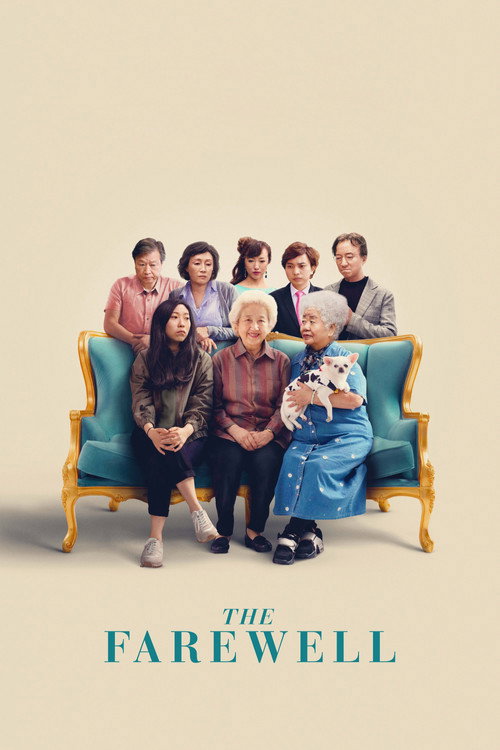
The Farewell2019
A family gathers under a pretext — here it's a fake wedding to hide a terminal diagnosis from a beloved grandmother — and it mines the same rich vein of things left unsaid at the dinner table.
But It leans warmer and funnier than Still Walking; if you wanted more ache and less charm, it might feel a touch lighter.
The wildcard
Something you would not have found on your own.
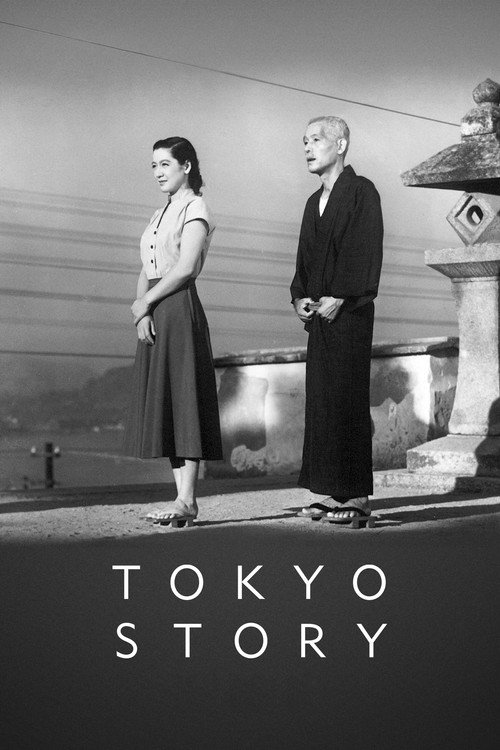
Tokyo Story1953
Kore-eda has openly named Ozu as his master, and Still Walking's low, tatami-level camera and its story of children disappointing their ageing parents is a direct descendant of this 1953 film — the blueprint everything else here is riffing on.
The film that essentially invented this whole mode of quiet, devastating family drama — an elderly couple visit their grown children, who are too busy to really see them.
But The pacing and formality of 1950s Japanese cinema will feel genuinely slow to anyone used to modern rhythms.
More like this (8)
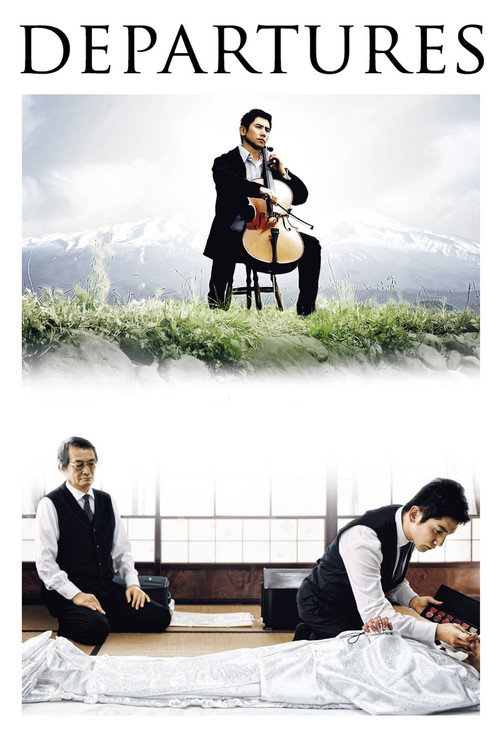
Departures2008
A Japanese drama about a man who stumbles into work preparing the dead for funerals, finding in that ritual the same quiet dignity and buried grief that runs through every scene of Still Walking.
But It's more plot-driven and occasionally sentimental in ways Kore-eda would never allow himself.
Our Little Sister2015no page yet
Three grown sisters take in a much younger half-sibling after their estranged father's death, and the film moves at the same domestic, seasonal pace — meals, chores, small reconciliations.
But Even less conflict than Still Walking; some will find it too gentle to hold their attention.
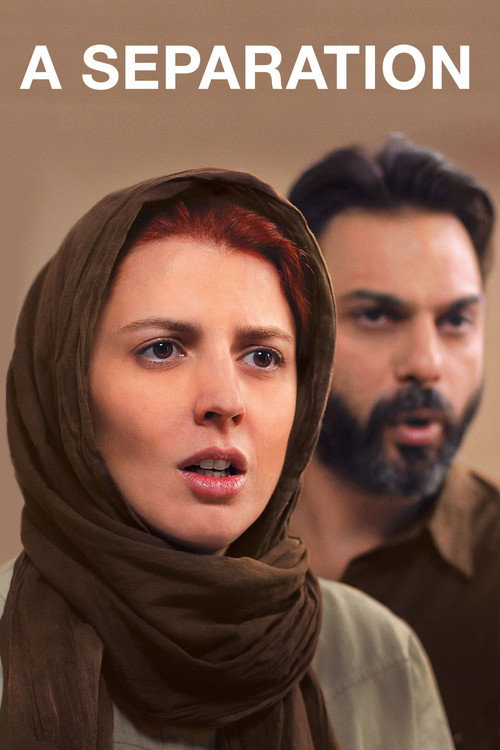
A Separation2011
An Iranian family drama that turns a household dispute into a portrait of an entire extended family's obligations and resentments, with the same eye for how ordinary rooms hold enormous feeling.
But It's more of a moral thriller than a mood piece — tenser and more plot-forward than Kore-eda's stillness.
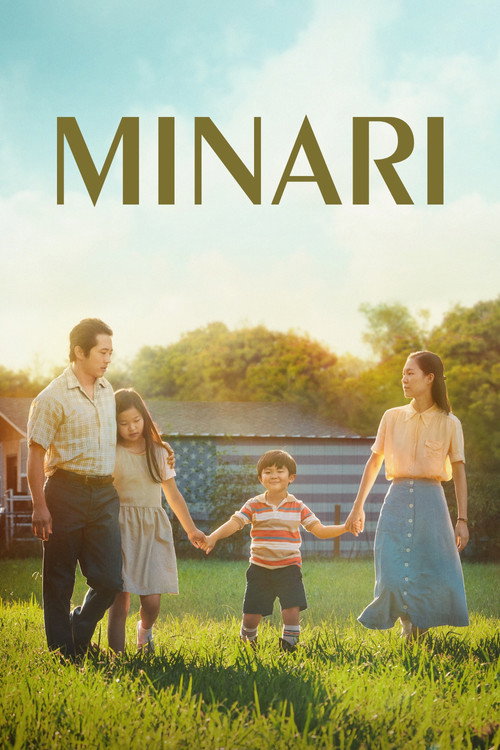
Minari2021
A Korean-American family trying to make a farm work in Arkansas, told with the same patient attention to daily labour and the quiet strain a grandparent's presence brings to a house.
But It's a touch more sentimental and visually lush than Still Walking's flatter, more observational style.
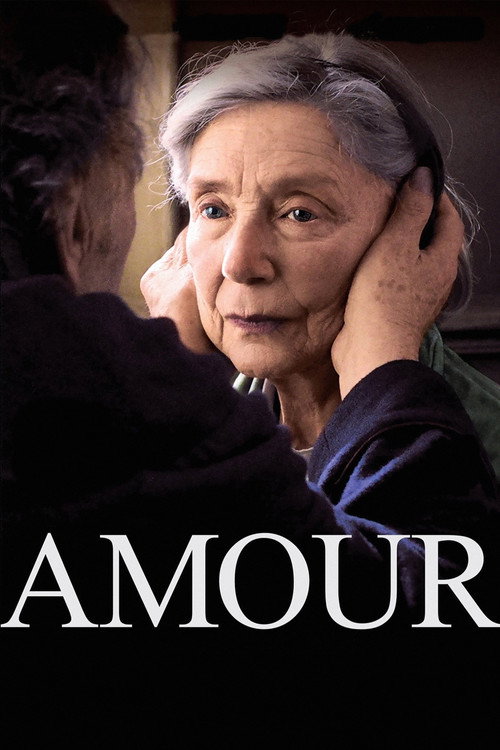
Amour2012
Haneke's unflinching look at an elderly couple facing mortality shares Still Walking's refusal to look away from the small, unglamorous mechanics of ageing and loss within a family home.
But Considerably bleaker and more punishing — this offers none of the warmth or humour Kore-eda allows himself.
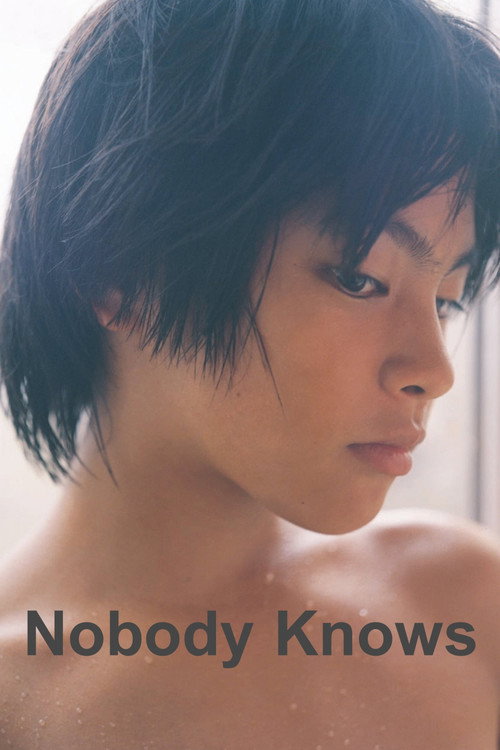
Nobody Knows2004
An earlier, more devastating Kore-eda film about siblings abandoned by their mother, told with the same patient, unsentimental camera and faith in children's resilience.
But Much sadder and slower-burning; this is not comfort viewing, so brace yourself.
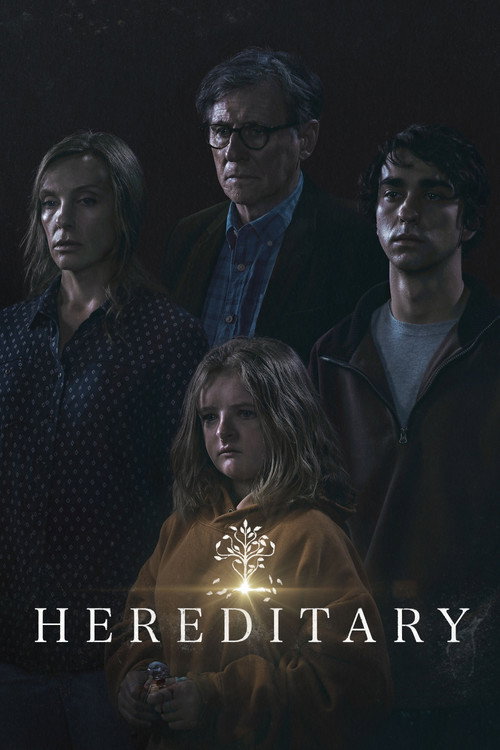
Hereditary2018
Both films use a family ritual, a dead child, and a house full of old grievances as their engine; Hereditary simply lets the horror genre do what Still Walking leaves implicit.
Take the family gathering, the unspoken grief, the buried resentment simmering under a house full of relatives, and let it curdle into full-blown horror. Ari Aster's film is Still Walking's nightmare mirror image.
But It's genuinely terrifying and graphic in ways that have nothing to do with Kore-eda's restraint — a very different kind of evening.
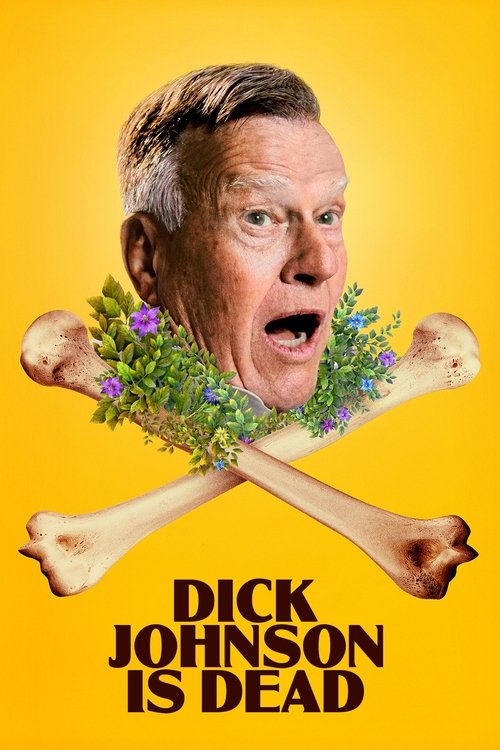
Dick Johnson Is Dead2020
Both films are built around a family's private choreography for facing mortality — one fictionalises a single day of grief, the other documents a father and daughter rehearsing it in advance, and it lands with unexpected force.
Filmmaker Kirsten Johnson stages her own father's death over and over as he develops dementia — a documentary that turns the dread underneath Still Walking's rituals into something you actually watch happen, and somehow makes it funny.
But The playful restagings of death might feel like too strange or too cute a way into something this painful.
People
Cast
 Hiroshi AbeRyota Yokoyama
 Yui NatsukawaYukari Yokoyama
 YOUChinami Yokoyama
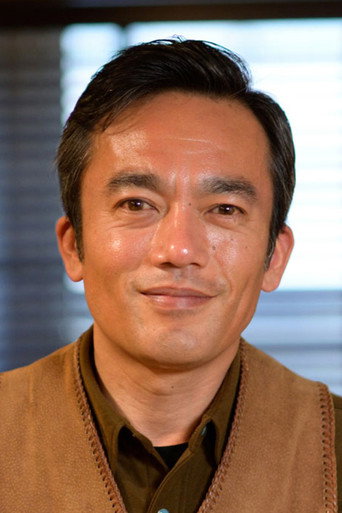 Kazuya TakahashiNobuo Kataoka
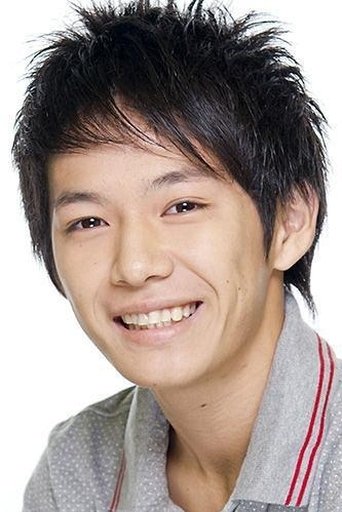 Shohei TanakaAtsushi Yokoyama
 Hotaru NomotoSatsuki Kataoka
- Ryôga HayashiMutsu Kataoka
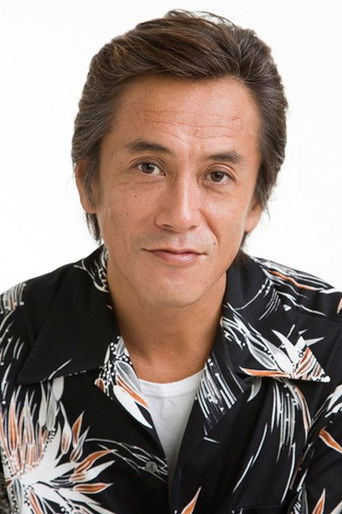 Susumu TerajimaSushi Deliverer
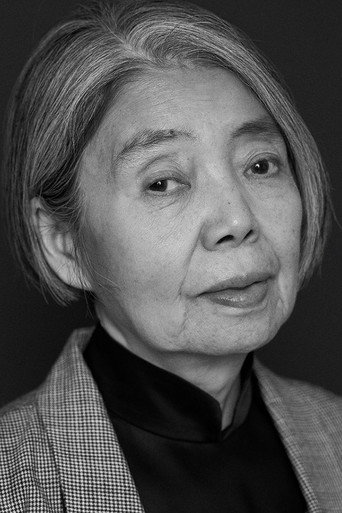 Kirin KikiToshiko Yokoyama
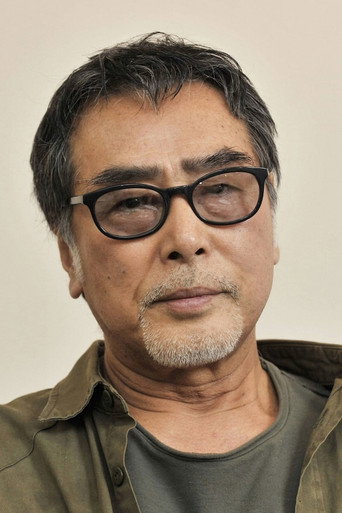 Yoshio HaradaKyohei Yokoyama
Directing
- Hirokazu Kore-edaDirector
Writing
- Hirokazu Kore-edaOriginal Story
- Hirokazu Kore-edaScreenplay
Production
- Hijiri TaguchiProducer
- Lee Bong-ouProducer
- Masahiro YasudaProducer
- Satoshi KonoProducer
- Yoshihiro KatoProducer
Recommended by
Departures, Nobody Knows, Tokyo Story, Ordinary People, A Year in the Life, An Autumn Afternoon