
Film
Drive My Car
- Drama
- Slow-burning
A widowed theater director drives toward Hiroshima with a young chauffeur assigned by the festival, and in their silences and conversations, grief and connection unfold. Ryusuke Hamaguchi's masterpiece unfolds like a play itself—measured, layered, achingly attentive to how people accidentally reveal themselves. It's for anyone who believes a three-hour film can move like poetry.
Should you watch it?
Watch it if you love slow character studies where grief surfaces through small gestures, long silences and the patient ritual of rehearsing a play, and you enjoy talk that unfolds in cars.
Skip it if you need brisk plotting, since at close to three hours it moves at an unhurried pace that some viewers will find testing.
What it asks of you: Nearly three hours at a deliberate pace, with long stretches of talk and silence in which meaning accumulates rather than arriving in big scenes.
Not sure? Find tonight's pick in a minute.
If you liked this
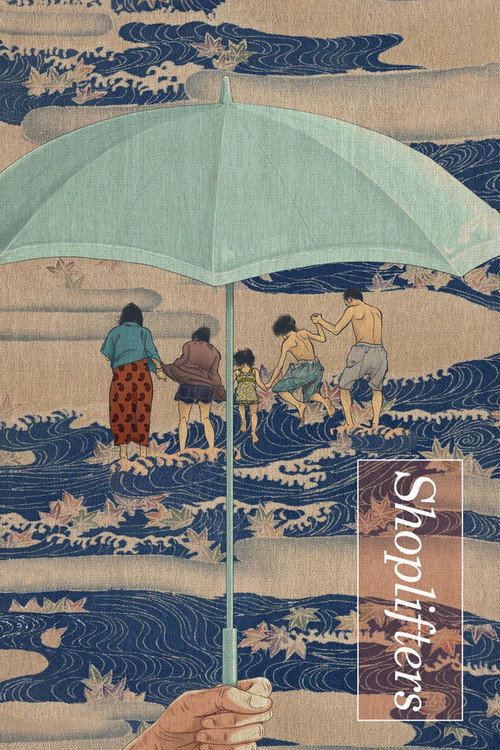
Shoplifters2018
Hirokazu Koreeda's portrait of a makeshift family surviving at the margins of Tokyo. Like Drive My Car, it finds profound dignity and love in people society has written off, using small moments—a meal, a gesture, a glance—to build devastating emotional weight.
But It moves slowly and obliquely. There's no plot momentum to carry you; you have to surrender to observation and let the film's rhythm become your rhythm.
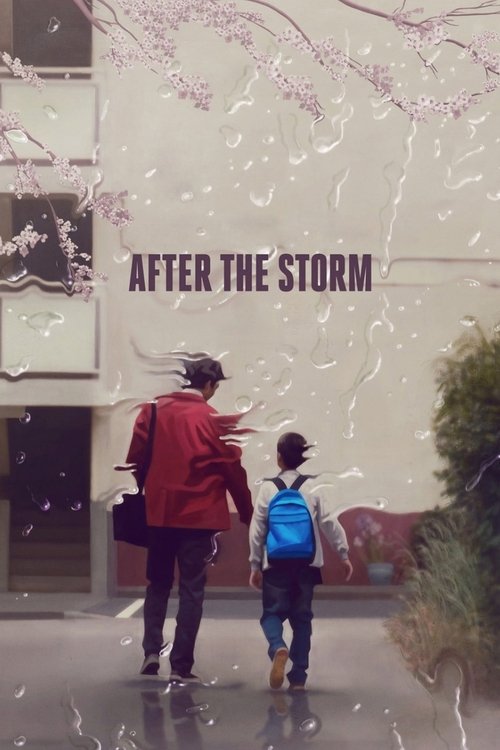
After the Storm2016
Koreeda again, but this time about a divorced man reckoning with failure and fatherhood. It shares Drive My Car's interest in how people live beside grief rather than overcome it, and in the specific textures of Japanese domestic space and courtesy.
But The emotional payoffs are quiet to the point of invisibility. Some will find it moving; others will worry nothing is actually happening.
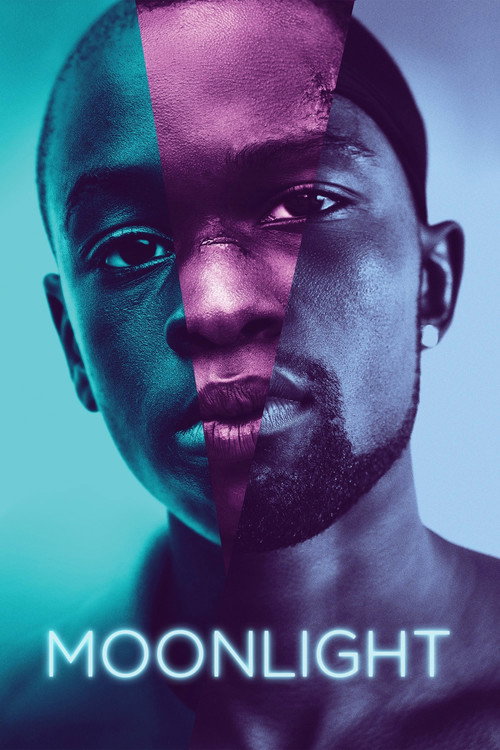
Moonlight2016
Barry Jenkins' three-act portrait of a young Black man's inner life, told through color, sound, and touch rather than exposition. Like Hamaguchi, Jenkins trusts silence and abstraction, building intimacy through what's unsaid and observed.
But The fragmented structure and lack of conventional plot may frustrate viewers looking for narrative momentum or clear resolution.
Not sure tonight? Get a pick in a minute, starting from Drive My Car
The wildcard
Something you would not have found on your own.
Ikiru1952
Both are Japanese films about aging artists reckoning with mortality through creative work and human connection; both trust silence and find beauty in ordinariness.
Kurosawa's masterpiece about a dying bureaucrat finding meaning in small acts of creation and care. It's the spiritual ancestor of Drive My Car—both films concern themselves with how people face mortality through work and connection, and both trust that a human life, however ordinary, contains profound tragedy and grace.
But It's seventy years old, in black and white, and shot in a style that feels deliberately distanced. Modern audiences often find it emotionally remote until the final act hits.

More like this (8)
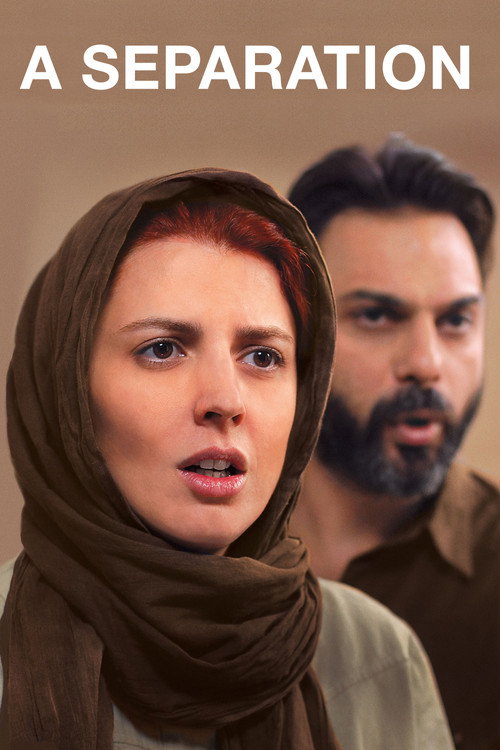
A Separation2011
Asghar Farhadi's investigation of a marriage dissolving under pressure. It shares Drive My Car's fascination with how people reveal themselves through dialogue, and how proximity—physical and temporal—can unlock confession and truth.
But It's deeply claustrophobic and morally ambiguous. There's no villain you can hate cleanly, which some find exhausting.
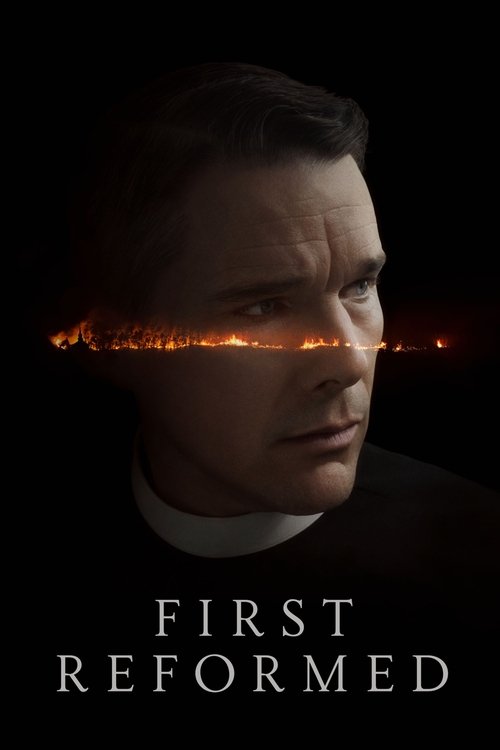
First Reformed2018
Paul Schrader's portrait of a pastor in crisis, shot in a narrow frame that traps you with his consciousness. Both films use constraint—of space, time, resources—to excavate what matters, and both end in acts of grace that aren't earned sentimentally.
But It's austere and formally punishing. The theological despair can feel unrelenting, and the film doesn't offer comfort.
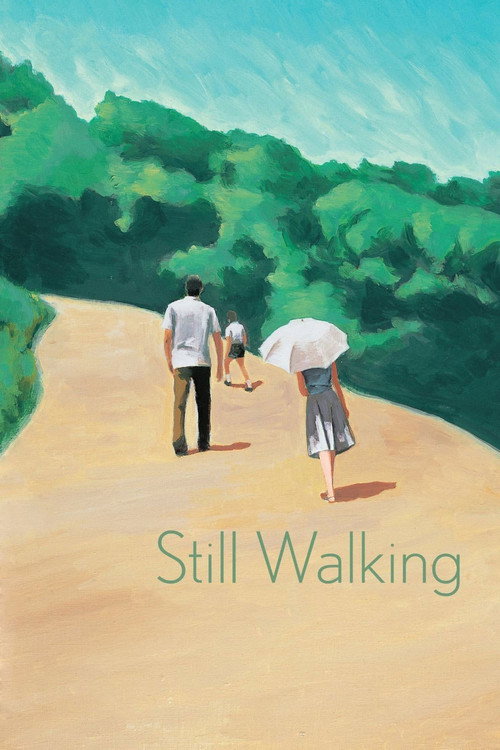
Still Walking2008
Hirokazu Koreeda once more—a family gathers after years apart, and beneath the ordinary rhythms of cooking and conversation, old resentments and sorrows surface. It's the closest relative to Drive My Car's interest in how the past lives in the present.
But Almost nothing happens. If you need a plot, this film will feel like an endurance test.
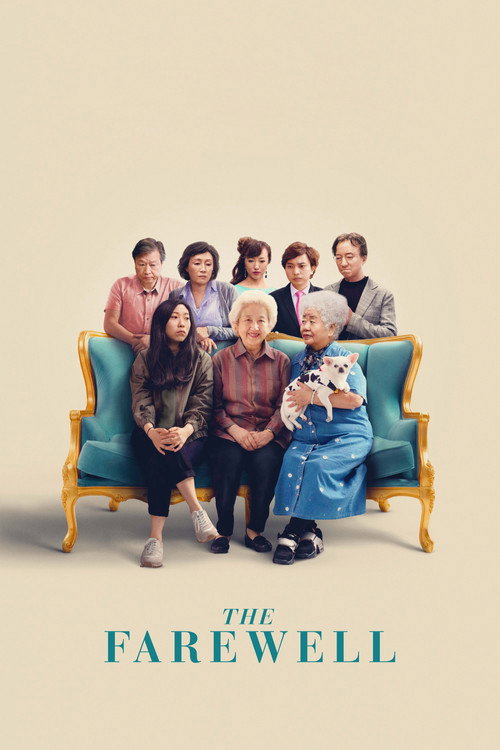
The Farewell2019
Lulu Wang's film about a family deciding to hide a terminal diagnosis from their grandmother, built on the tension between what's said and what's known. It mirrors Drive My Car's exploration of secrets, obligation, and love expressed through restraint.
But The tone shifts between comedy and sadness; some viewers find that tonal instability jarring rather than moving.
Synecdoche, New York2008
Charlie Kaufman's only directorial feature is formally ambitious in ways that align with Drive My Car—layered, self-referential, about an artist failing to process grief and loss. Both films treat theater and performance as metaphors for the gaps between self and world.
But It's deliberately confusing and often exhausting. The postmodern structure alienates many viewers rather than drawing them in.

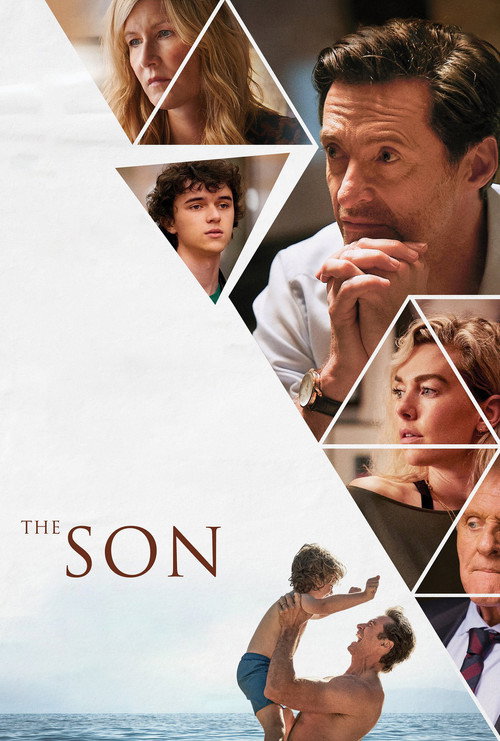
The Son2022
Florian Zeller adapts his own play about a man confronting his adult son's despair and his own failure as a father. Like Drive My Car, it's theatrical in its construction and ruthlessly focused on the spaces between people who love each other.
But It's claustrophobic and unrelenting in its focus on masculine damage. There's little lightness, and some may find it nihilistic.
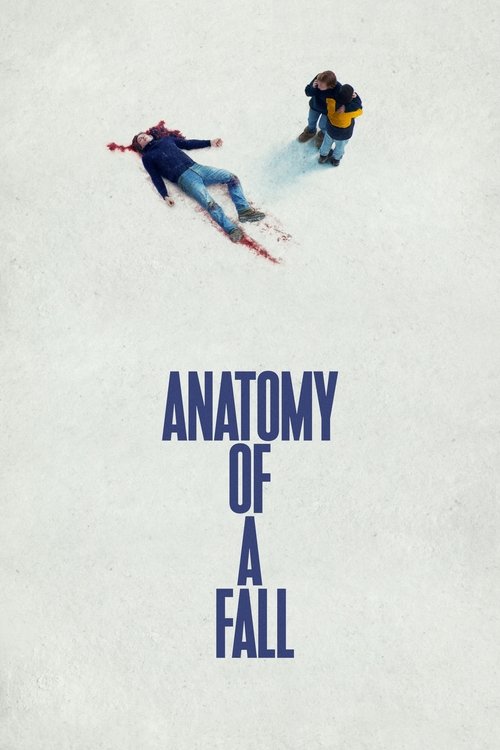
Anatomy of a Fall2023
Both films are constructed like plays, built on dialogue and small gesture; both excavate the hidden interior of relationships through sustained observation and proximity.
Justine Triet's courtroom mystery about a marriage examined under legal scrutiny, told through dialogue and the architecture of a house. Like Drive My Car, it's built on what people won't say, and on how presence and proximity can become unbearable when you're forced to really listen.
But It's almost entirely dialogue in a courtroom or a house. The pacing is legal and glacial; audiences expecting thriller momentum will be disappointed.
A Ghost Story2017
Both films treat grief as a formal problem, not a plot point; both use long takes and silence to create an atmosphere where time and presence become the real subject.
David Lowery's formally radical film about grief, time, and presence—a ghost haunting the house where his wife remains. Like Drive My Car, it's about the impossibility of communicating across a gulf, and about how love persists in forms that can't be acknowledged or answered.
But It's strange, oblique, and visually arch. There's a twenty-minute monologue that will test your patience, and the film's metaphysical bent may feel pretentious.

People
Cast
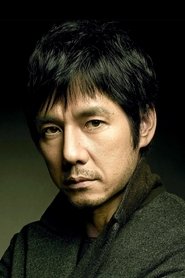 Hidetoshi NishijimaYūsuke Kafuku
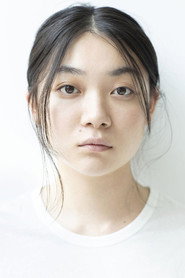 Toko MiuraMisaki Watari
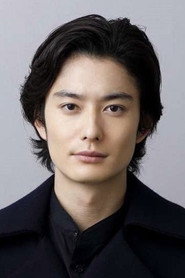 Masaki OkadaKōshi Takatsuki
 Reika KirishimaOto Kafuku
 Park Yu-rimLee Yoo-na
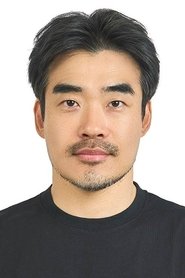 Jin Dae-yeonGong Yoon-su
 Sonia YuanJanice Chang
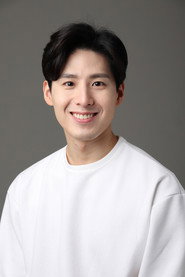 Ahn Hwi-taeRyu Jong-ui
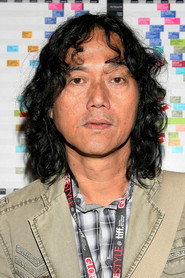 Perry DizonRoy Rossello
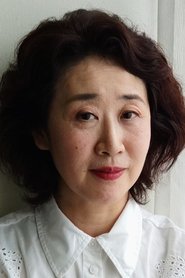 Satoko AbeYuzuhara
- Hiroko MatsudaYumi Etô
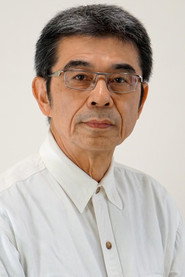 Toshiaki InomataTakashi Kimura
Directing
- Ha Bo-youngAssistant Director
- Kanna KimuraAssistant Director
- Koki MuramotoAssistant Director
- Lee Gun-wooAssistant Director
- Naoki WatanabeAssistant Director
- Takamasa OeAssistant Director
- Yôsuke NakamuraAssistant Director
- Ryusuke HamaguchiDirector
- Hayato KawaiFirst Assistant Director
- Hiroki KubotaFirst Assistant Director
- Mayumi IshidaStage Director
Writing
- Ryusuke HamaguchiScreenplay
- Takamasa OeScreenplay
- Haruki MurakamiShort Story
Production
- Lee Eun-kyoungAssociate Producer
- Tamon KondoAssociate Producer
- Kristine KintanaCasting Coordinator
- Lee Sang-yoonCasting Director
- Hitoyuki SuzukiCo-Producer
- Keiji OkumuraCo-Producer
- Misaki KawamuraCo-Producer
- Osamu KubotaCo-Producer
- Sachio MatsushitaCo-Producer
- Tsuyoshi GorôCo-Producer
- Yoshito NakabeCo-Producer
- Ayaka KawanoData Management Technician
- Yûta KusabaData Management Technician
- Kazuo NakanishiExecutive Producer
- Yuji SadaiExecutive Producer
- Kôji KobayashiExtras Casting
- Teruhisa YamamotoProducer
- Tomoyuki TamagawaProduction Accountant
- Haruna SatôProduction Assistant
- Fumiaki TagaProduction Coordinator
- Fumitsugu AbeProduction Coordinator
- Masahiko HotogiProduction Coordinator
- Shôko AokiProduction Coordinator
- Kazuya MatsukuraProduction Manager
- Satoko NakagawaProduction Manager
- Eri TakedaProduction Secretary
- Junnosuke TadaResearcher
- Satoshi EzoeResearcher
- Tsuyoshi SugiyamaResearcher
Recommended by
Insomnia, No Stone Unturned, The Past, Pierre, Under the Same Roof, La bola negra, Shall We Dance?, Encounter, The Trap, Blue Bayou