
Film
The Past
Asghar Farhadi's intimate mystery about a man returning to Paris to finalize his divorce, only to find his estranged family fractured by secrets. A slow-burn examination of how people wound each other and themselves through silence and half-truths. Farhadi's trademark precision—every detail matters, nothing is wasted—makes this feel like watching someone carefully dismantle a bomb.
Should you watch it?
Watch it if you love slow, precise domestic dramas where every glance and half-finished sentence carries the weight of old marriages, and you enjoy piecing together a past nobody will fully explain.
Skip it if you need brisk plotting or a clear sense of where things are heading, because it moves at a conversational pace and its tensions simmer rather than boil over.
What it asks of you: Expect over two hours of talk, cramped apartments and long silences; the rewards come from small looks and interrupted conversations rather than set pieces.
Not sure? Find tonight's pick in a minute.
If you liked this
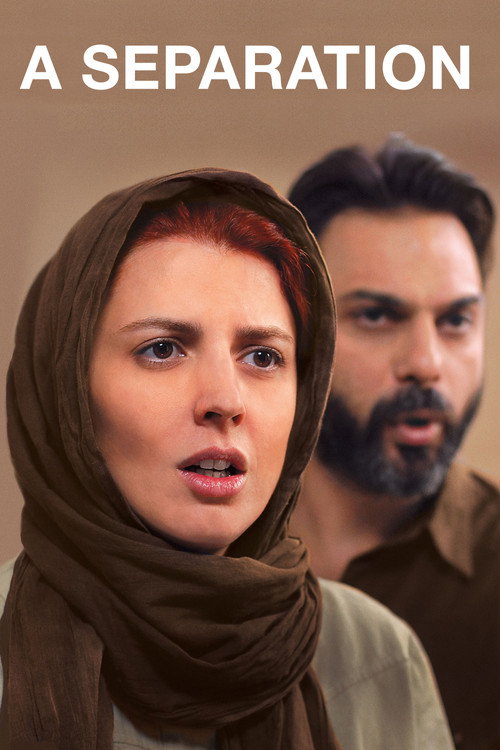
A Separation2011
Farhadi's masterpiece about a marriage collapsing under the weight of moral compromise. If you loved the architecture of The Past—how one decision ripples outward—this is where that precision was born. Shattering.
But Slower than slow. Two hours and 25 minutes of people having difficult conversations in rooms. Not for anyone wanting plot momentum.
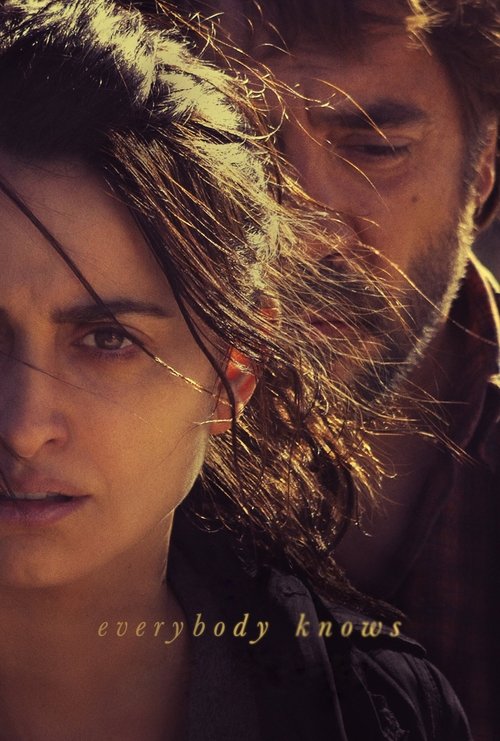
Everybody Knows2018
Farhadi working in a different register: a thriller about a kidnapping that unmasks the rot beneath a tight-knit community. Same director's attention to how secrets corrode relationships, but with more conventional suspense.
But Sometimes feels like it's trying to be a bigger, louder film than it has the confidence to be. More obvious than The Past.
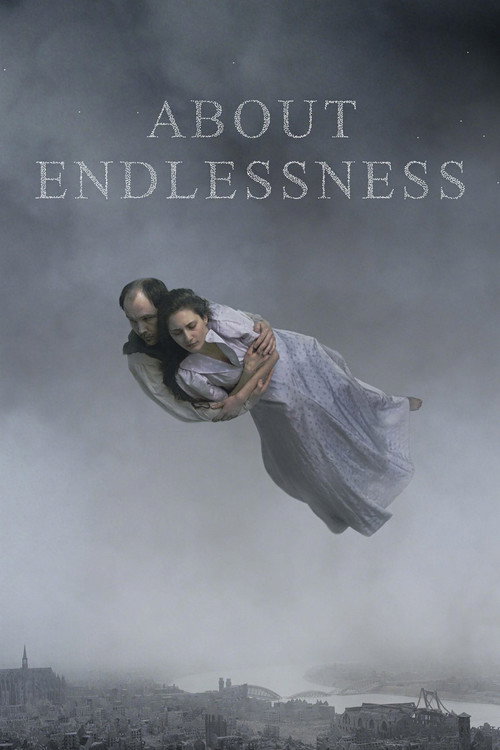
About Endlessness2019
Roy Andersson's meditation on human connection and suffering, told through a series of vignettes in his distinctive tableaux style. The same interest in what people carry silently, rendered through visual poetry instead of dialogue.
But Experimental and elliptical. The narrative is nearly non-existent, and some find it arch or emotionally distant.
Not sure tonight? Get a pick in a minute, starting from The Past
The wildcard
Something you would not have found on your own.
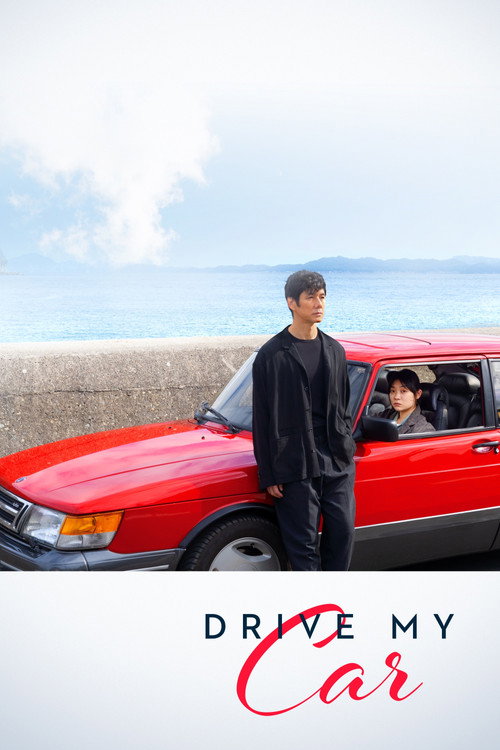
Drive My Car2021
Both are patient investigations of how people contain their wounds, and how proximity doesn't guarantee understanding. The construction is almost identical—revelation through implication, not exposition. But where The Past is forensic, Drive My Car is elegiac.
Ryusuke Hamaguchi's three-hour masterwork about a widowed theatre director and his driver. Both films are about people who cannot quite reach each other, trauma that shapes silences, and the slow accumulation of trust. But Hamaguchi opens outward where Farhadi closes inward.
But Three hours. In Japanese with subtitles. The plot barely moves; it's almost entirely about presence and stillness. Many will find it self-indulgent.
More like this (8)
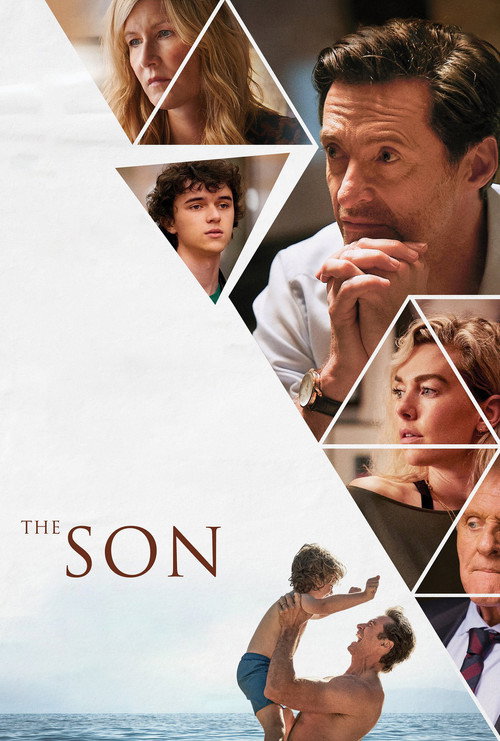
The Son2022
Florian Zeller's chamber piece about a father, a son, and the crushing weight of unspoken pain. Like The Past, it trusts the audience to read the silences. Tahar Rahim is magnificent here too.
But Claustrophobic and punishing. Not interested in resolution or comfort. Some will find it relentless.
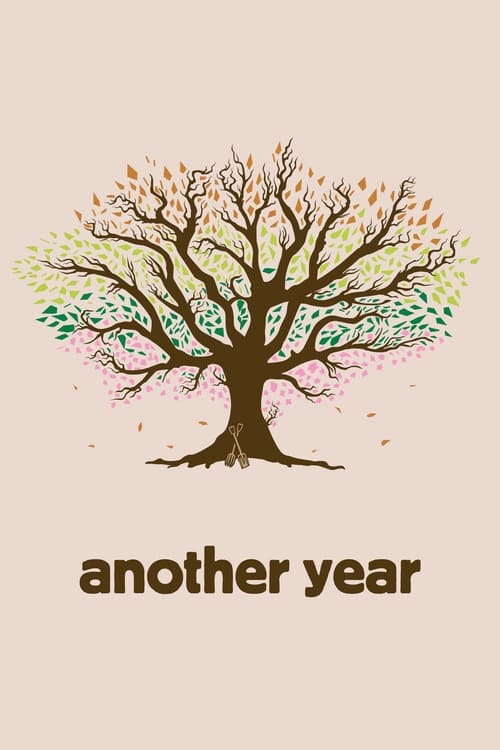
Another Year2010
Mike Leigh's portrait of a couple's marriage and the sadness of their friends. Observational brilliance—the way people hurt each other without meaning to, how comfort can be its own form of cruelty.
But British kitchen-sink naturalism. Very dry, very funny in a way that might make you uncomfortable. Feels longer than it is.
Winter Light1963
Bergman's sparse examination of faith, doubt, and a man unable to truly reach another person. The same emotional architecture as The Past, but rendered in gray Swedish light and extreme minimalism.
But Bleak doesn't begin to cover it. Seventy-five minutes that feel like a confession. Not what anyone would call fun.

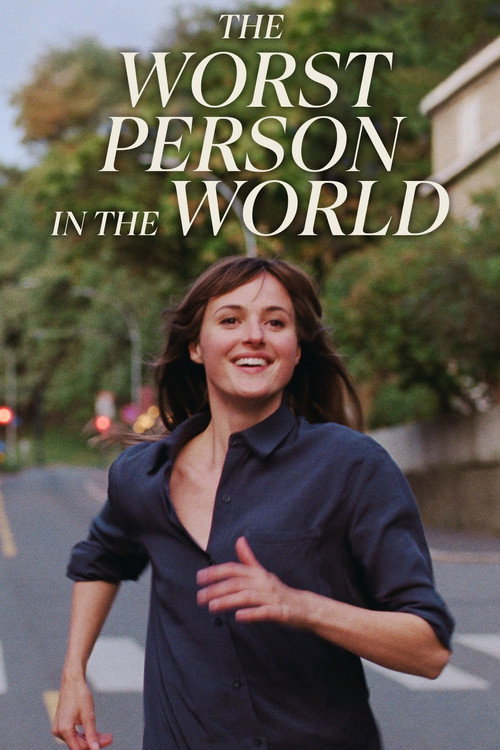
The Worst Person in the World2021
Joachim Trier's portrait of a woman navigating relationships, ambition, and self-sabotage. Sharp, funny, and genuinely moving about how we lie to people we love and ourselves.
But Very much a 2020s Oslo story. The tone shifts might feel inconsistent if you're not with it. Longer than necessary.
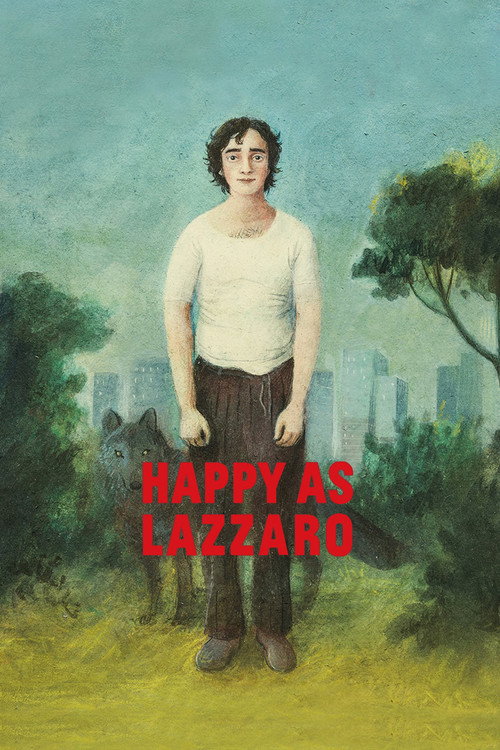
Happy as Lazzaro2018
Alice Rohrwacher's strange, beautiful film about innocence and exploitation. Like Farhadi's work, it's interested in how ordinary cruelty operates, but tells the story through magical realism and formal innovation.
But The tonal register is unlike anything else. Some will find it precious or too aware of its own cleverness.
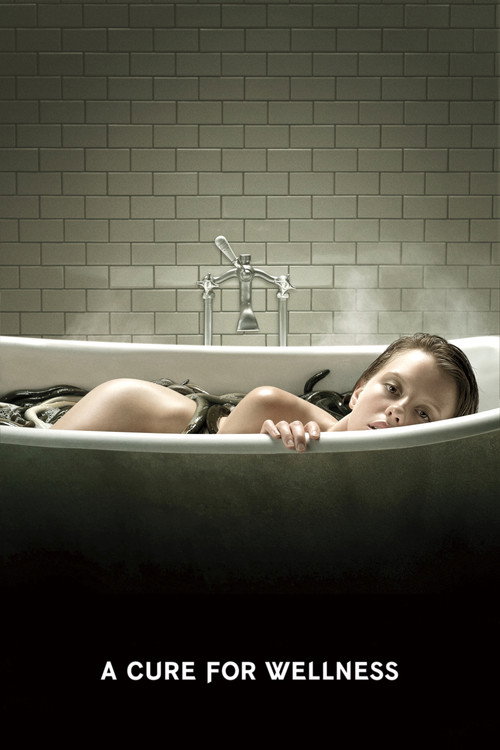
A Cure for Wellness2017
Gore Verbinski's thriller about a man drawn into a spa where something is deeply wrong. If you want Farhadi's meticulous construction of dread and revelation, but with a different genre machinery underneath.
But Overwrought and self-impressed at times. Two and a half hours of baroque style can exhaust rather than entrance.
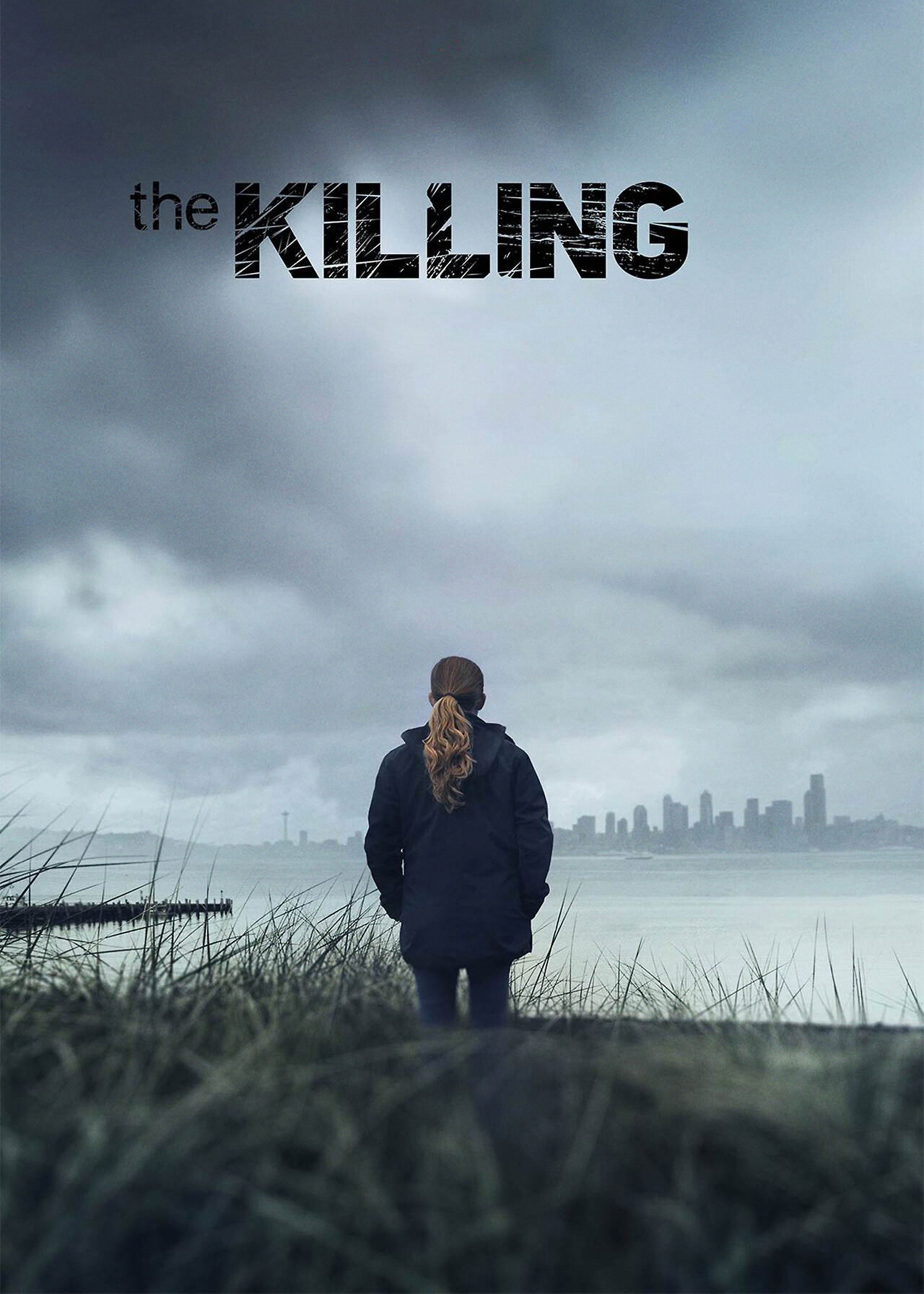
The Killing2011
Both use the slow excavation of a secret as a structure for exploring family damage. Both understand that answers matter less than what they cost.
Danish noir about a murder investigation and the family it destroys. Like The Past, it understands that mysteries aren't really about solving crimes—they're about how the search for truth unmasks everything we've been hiding from each other.
But Twenty episodes. Deliberately paced. Some find it glacial and repetitive. Also genuinely harrowing; contains graphic violence and child abuse.
The Wailing2016
Both films distrust easy answers. Both suggest that our need for narrative is more dangerous than the mysteries themselves. Both demand active interpretation rather than passive consumption.
Na Hong-jin's labyrinthine mystery about a town seized by plague and suspicion. Deliberately constructed to resist interpretation—you will never know what really happened. Like Farhadi's work, it's about how we construct narratives to make sense of chaos, and how wrong we usually are.
But Nearly three hours and willfully ambiguous. The tone lurches between horror and melodrama. Some will feel it's a shell game masquerading as profundity.

People
Cast
 Bérénice BejoMarie Brisson
 Ali MosaffaAhmad
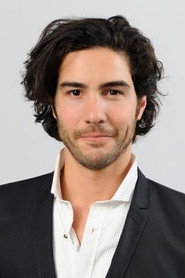 Tahar RahimSamir
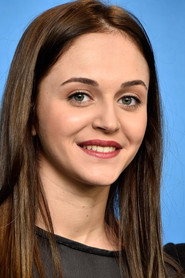 Pauline BurletLucie
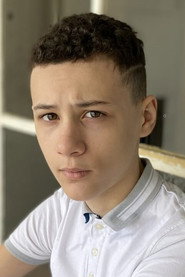 Elyes AguisFouad
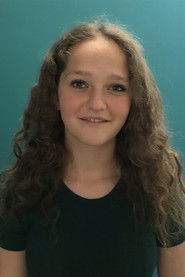
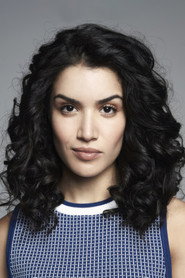 Sabrina OuazaniNaïma
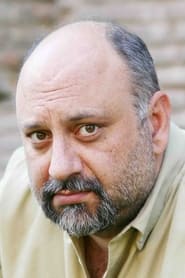 Babak KarimiShahryar
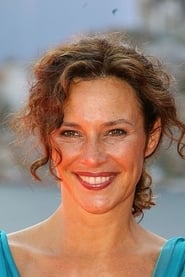 Valéria CavalliValeria
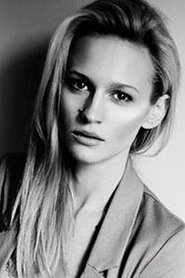 Aleksandra KlebanskaCeline
 Jean-Michel SimonetMédecin
- Pierre GuerderJuge
Directing
- Asghar FarhadiDirector
- Maryam NaraghiFirst Assistant Director
- Sylvie KoechlinScript Supervisor
Writing
- Massoumeh LahidjiAdaptation
- Asghar FarhadiWriter
Production
- Daniel GoudineauCo-Producer
- Valerio De PaolisCo-Producer
- Alexa RiveroExecutive Producer
- Alexandre Mallet-GuyProducer
- Frédéric SauvagnacProduction Manager
- Marie-Hélène LabretUnit Production Manager
Recommended by
About Elly, The Lesson, Floating Clouds, Everybody Knows, The Long Farewell, Fireworks Wednesday, No Bears