
Film
The Lesson
Other titles called The Lesson: the 2020 film, the 2023 film.
- Social drama
- Very dark
A Bulgarian schoolteacher, trapped by poverty and desperation in a small town, takes a morally ruinous gamble to save himself financially. It's a slow-burn character study that watches a decent man quietly disintegrate under the weight of economic pressure. Austere, sometimes brutal, for viewers interested in how circumstance can corrupt.
Should you watch it?
Watch it if you like slow, morally tangled dramas where a decent person's small compromises tighten around them and the camera stays patient through every humiliating phone call.
Skip it if you want warmth or pace to soften hardship; this one is airless, grinding and unsentimental, with little relief across its nearly two hours.
What it asks of you: Its 111 minutes unfold at a deliberate, almost procedural pace, so it rewards sustained attention and a tolerance for long silences and mounting discomfort.
Not sure? Find tonight's pick in a minute.
If you liked this
A Prophet2009
A man enters prison innocent and emerges transformed by necessity into something harder. Like The Lesson, it tracks moral erosion through confinement—physical in this case, financial in the other.
But French, subtitled, and deliberately paced. Prison procedural elements slow the character work, which some find repetitive.

Winter Light1963
Bergman's bleak study of a pastor losing faith and grip in a frozen Swedish town. Same DNA: a decent person cornered by circumstance and their own weakness, no escape route.
But Sparse, dialogue-light, and genuinely pessimistic. Shot in black-and-white on a shoestring. Not designed to comfort.

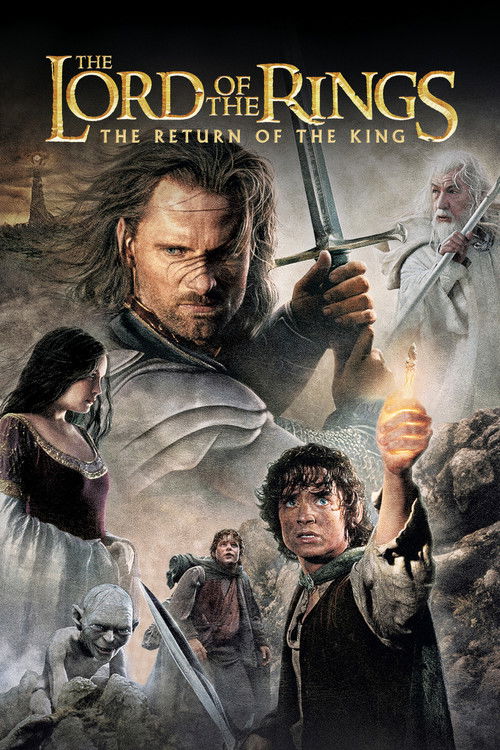
The Lord of the Rings: The Return of the King2003
Zvyagintsev's masterpiece: a man returns to his family after twelve years absent, and small decisions cascade into tragedy. Watches like documentary realism but operates as moral Greek tragedy.
But Wordless stretches. No musical cues. Demands your complete attention. A father's cruelty without explanation or redemption.
Not sure tonight? Get a pick in a minute, starting from The Lesson
The wildcard
Something you would not have found on your own.
The Turin Horse2011
Both are European studies of men crushed by forces larger than themselves, told without sentiment or escape. Tarr just removes the town and leaves only the essential despair.
Béla Tarr's black-and-white apocalypse: an old man, his daughter, a rented horse, and the slow end of the world. Not narrative—a visual meditation on decay, despair, and the weight of existing when nothing works.
But 150 minutes of grey, silence, and repetition. No plot resolution. Genuinely misanthropic. Some call it a masterpiece; others find it unwatchable.

More like this (7)
Stalker1979
Tarkovsky's meditation on desire and desperation: a guide leads two men into a forbidden zone where wishes might be granted. Slow, hypnotic, about the cost of wanting and the weakness that hunger reveals.
But 163 minutes. Minimal plot. Long takes of corridors and water. Tests patience like few films do.

The Killing1956
Kubrick's noir about a racetrack heist: ordinary men pushed by bills and bad luck into crime. Unfolds like a clock, showing how small desperation breeds larger catastrophe.
But Fragmented narrative can feel dated now. Some may find the sexism of its era distracting. Fairly cynical about human nature.

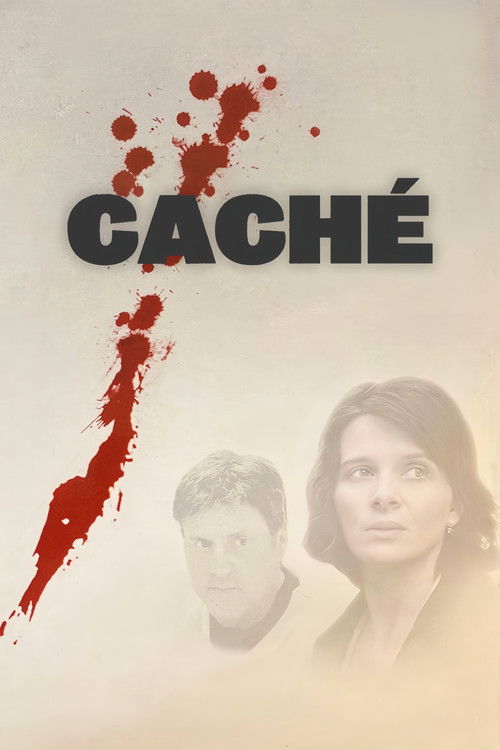
Caché2005
Haneke's thriller about comfortable bourgeois life infiltrated by mysterious videotapes. The real subject is complicity and how we rationalize harm. Builds dread through ordinariness.
But Deliberately withholding. You won't get answers. The ambiguity frustrates some viewers. Middle-class anxiety isn't everyone's genre.
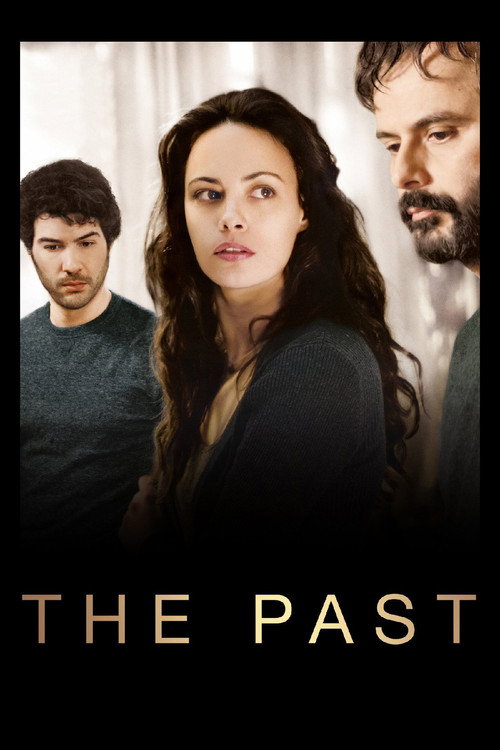
The Past2013
Asghar Farhadi explores how a returning husband destabilizes his ex-wife's new life and family. Character-driven, morally complex, with no clear villains—just people harmed by circumstance and choice.
But Iranian cinema isn't for everyone. The pacing is European-slow. Family drama without melodrama can feel like homework.
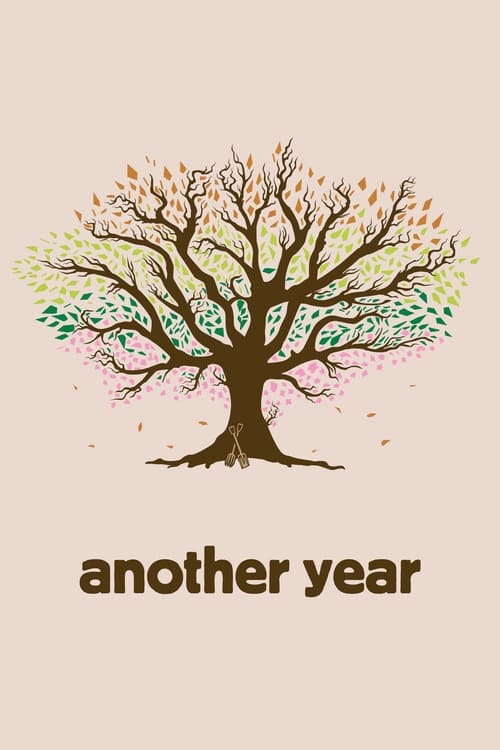
Another Year2010
Mike Leigh's portrait of a happy married couple and their struggling, lonely friends. Watches like satire but is genuinely about kindness and its absence. Quiet devastation.
But British social realism. Deliberately unglamorous. Jim Broadbent and Ruth Sheen are so likeable it's hard to sit with the film's argument about class and luck.
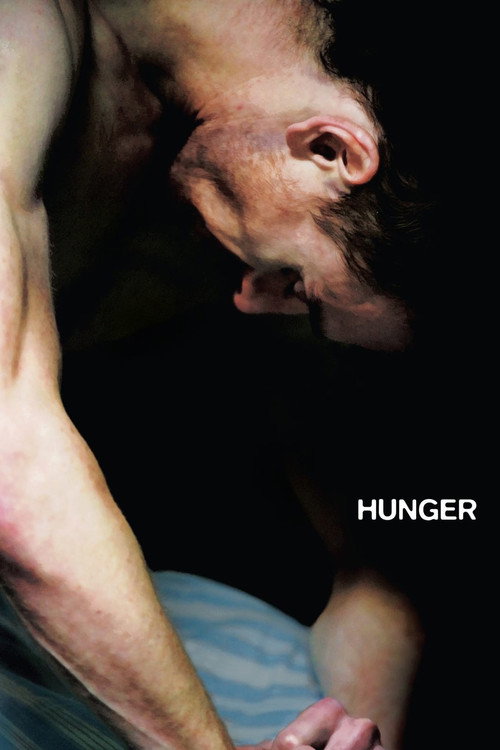
Hunger2008
Steve McQueen's debut follows a political prisoner on hunger strike in 1981. Formally radical but emotionally clear: a portrait of a man choosing self-destruction for principle.
But Graphic, unflinching depiction of bodily decline. Long static shots. Violently anti-narrative. Physically taxing to watch.
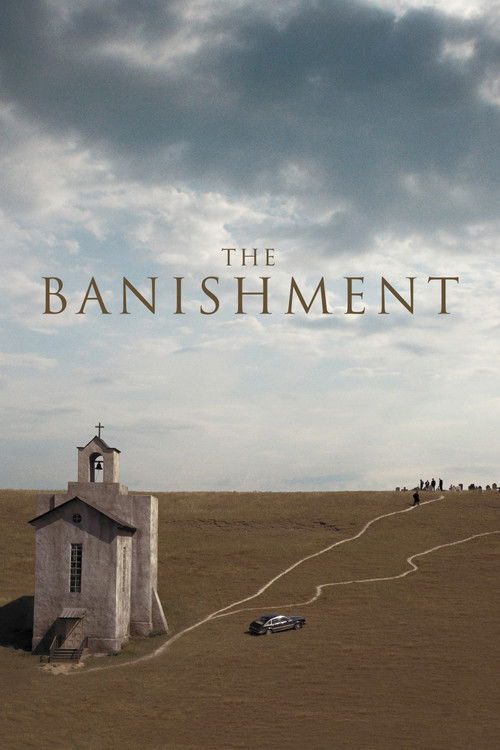
The Banishment2008
Both protagonists—schoolteacher and suspicious husband—are men undone by circumstances partly of their own making, spiralling into acts they can't undo. Both films refuse pity.
Andrei Zvyagintsev's chamber piece: a marriage implodes when a husband suspects infidelity. Watches like a fever dream—beautiful, claustrophobic, psychologically unmoored. A man's desperation becomes paranoia becomes violence.
But Deliberately ambiguous about what's real. Hostile to the viewer. Shot in long takes that feel like punishment. One of the cruelest films about marriage ever made.
People
Cast

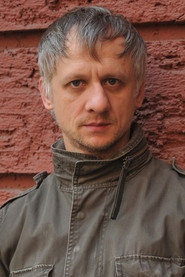
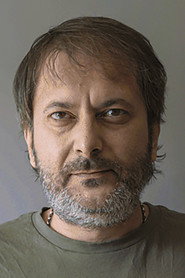
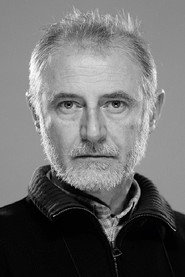
 Nikolay TodorovKutsev
Directing
- Kristina GrozevaDirector
- Petar ValchanovDirector
- Hristo SimeonovFirst Assistant Director
- Vladimir PetevSecond Assistant Director
Writing
- Kristina GrozevaScreenplay
- Petar ValchanovScreenplay
Production
- Metodi IlievLine Producer
- Irini VougioukalouProducer
- Konstantina StavrianouProducer
- Kristina GrozevaProducer
- Magdelena IlievaProducer
- Petar ValchanovProducer
- Poli AngelovaProducer