
Film
About Endlessness
- Drama
- Slow-burning
Roy Andersson's latest is a seventy-six-minute collage of tableaux—a man falling down stairs, Hitler at a party, a priest, a psychiatrist, ordinary people doing ordinary things. It's shot like a painting, narrated like a fairy tale, and feels like watching someone's fever dream about what it means to be alive. For those attuned to the strange and poetic.
Should you watch it?
Watch it if you enjoy deadpan, painterly vignettes where a static camera lingers on ordinary people and a single absurd joke lands harder for the stillness around it.
Skip it if you need momentum or a plot to hold onto, since nearly every scene is a single still frame with actors who barely move and little forward pull.
What it asks of you: Short at seventy-six minutes, yet every held shot lingers past comfort, so you settle into stillness and let the dry, slow jokes surface on their own.
Not sure? Find tonight's pick in a minute.
If you liked this
Synecdoche, New York2008
Charlie Kaufman's fractured masterpiece about art, mortality, and the impossibility of capturing life on film. A man builds a replica city inside a warehouse. Like Andersson, it's formally audacious and achingly human, collapsing the boundary between the personal and cosmic.
But It's deliberately disorienting and 124 minutes long. The narrative dissolves rather than resolves. Not a film that lets you rest.

The Turin Horse2011
Béla Tarr's bleak vision of the last days before the world ends. Spare, repetitive, hypnotic—each scene a small ritual of human dignity against encroaching nothing. Like Andersson, profoundly sad and strangely beautiful without sentimentality.
But It's entirely in black and white, slow to the point of deliberation, and offers no comfort or answers. Some will find it punishing rather than profound.

Mulholland Drive2001
David Lynch's Los Angeles nightmare is a cascade of scenes that refuse to cohere logically. It captures the texture of existence, the surreal slip between dreaming and waking. Both films treat reality as something slippery and personal rather than fixed.
But The structure is genuinely confusing on first viewing. If you need a clear plot, this will frustrate you profoundly.

Not sure tonight? Get a pick in a minute, starting from About Endlessness
The wildcard
Something you would not have found on your own.
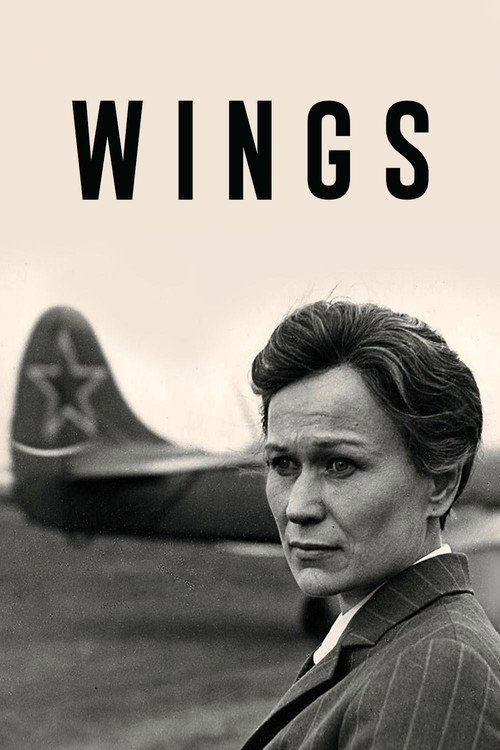
Wings1966
Both use visual fragmentation and surreal juxtaposition to suggest the infinite texture of a single human consciousness—not plot, but the sensation of being alive.
Larisa Shepitko's Soviet masterpiece (before she became famous for *Come and See*) is a cascade of a woman's memories and desires, flashing across the screen in fragmented scenes. Like Andersson's film, it's about the weight of all these small moments—the stairs, the embraces, the small failures—adding up to a life.
But It's only 83 minutes but feels longer. The editing is frenetic and associative rather than narrative. Soviet cinema aesthetics feel distant to many viewers now.
More like this (7)
A Ghost Story2017
Casey Affleck as a literal ghost watching time pass in a single house. Formally strange—long static shots, a man under a white sheet—it's a meditation on impermanence and memory. Shares Andersson's ability to find the infinite in the quotidian.
But It's unutterably bleak and moves at its own glacial pace. There's a scene of someone eating pie for five minutes that tests patience.

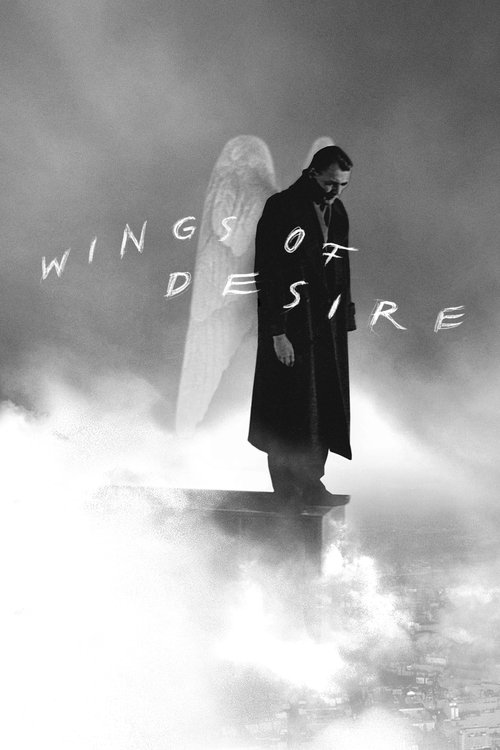
Wings of Desire1987
Wim Wenders' angels observing Berlin is philosophical, elegiac, and formally inventive. Like Andersson, it values the overlooked moment—a child's hand, an old song—as equivalent to grand history. Both films are love letters to human vulnerability.
But It's deliberately paced and metaphysical rather than plot-driven. The ending has no dramatic payoff. Some find it precious.
Stalker1979
Andrei Tarkovsky's three-hour meditation on desire and meaning—a man guides seekers through a mysterious zone. Long takes, minimal dialogue, a focus on sensation over narrative. Both films trust the audience's patience and reward it with depth.
But It's extremely long and deliberately slow. For many viewers, patience expires before revelation arrives.

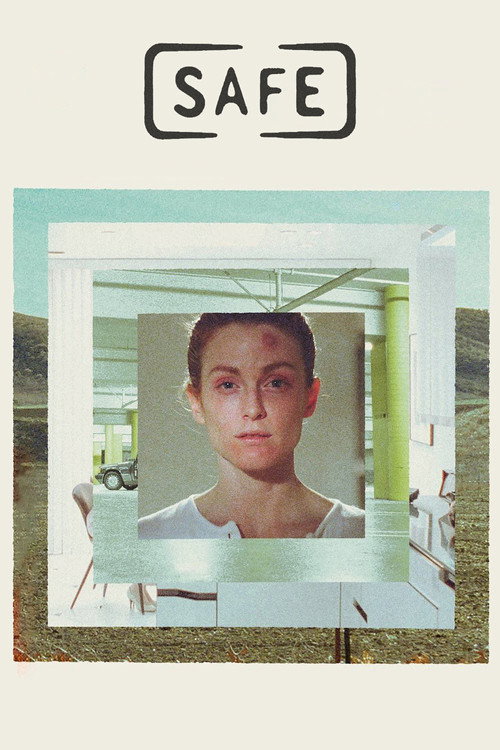
Safe1995
Todd Haynes' disturbing portrait of a woman developing mysterious environmental illnesses. Like Andersson, it uses detachment and formal precision to evoke dread. A critique of consumerism and the body that's both clinical and devastating.
But The protagonist is difficult to sympathize with, and the ending provides no resolution. Some view it as bleak nihilism rather than critique.
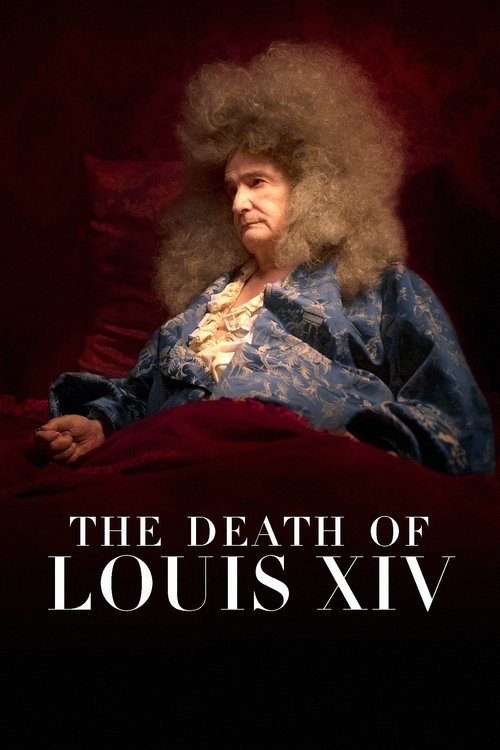
The Death of Louis XIV2016
Albert Serra's film is literally about the hours before a king dies—mostly him in bed, occasionally wandering. Painterly, grotesque, formally precise. A meditation on authority, embodiment, and the ordinariness of ending that echoes Andersson's concerns.
But It's 115 minutes of a dying old man in various states of decay. Visually striking but emotionally austere. Not everyone wants to sit with that.
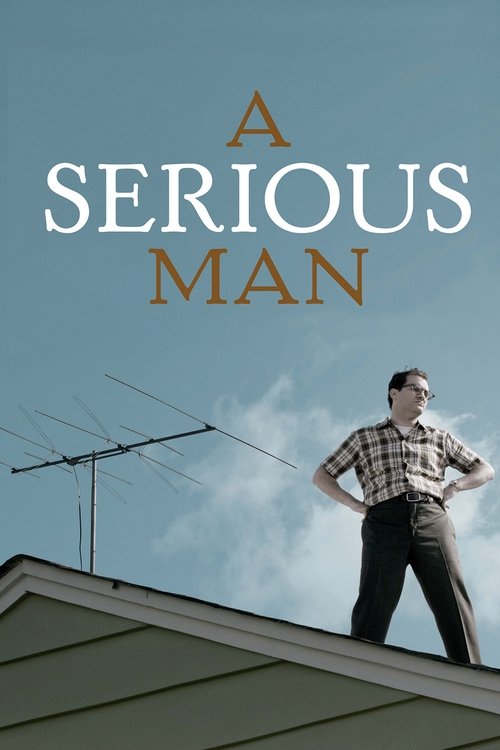
A Serious Man2009
Both films use a detached, almost anthropological gaze to suggest that human existence is fundamentally comic and tragic simultaneously—that suffering and banality are indistinguishable.
The Coen Brothers' midwest nightmare of a man watching his life collapse into absurdity. It has Andersson's dark comedy, its willingness to treat the trivial and the tragic as equivalent, and a narrator offering cryptic wisdom. Formal and philosophical without being pretentious.
But It's bleak without catharsis. The Jewish references and private jokes obscure the narrative. Some find the Coens cruel rather than insightful.
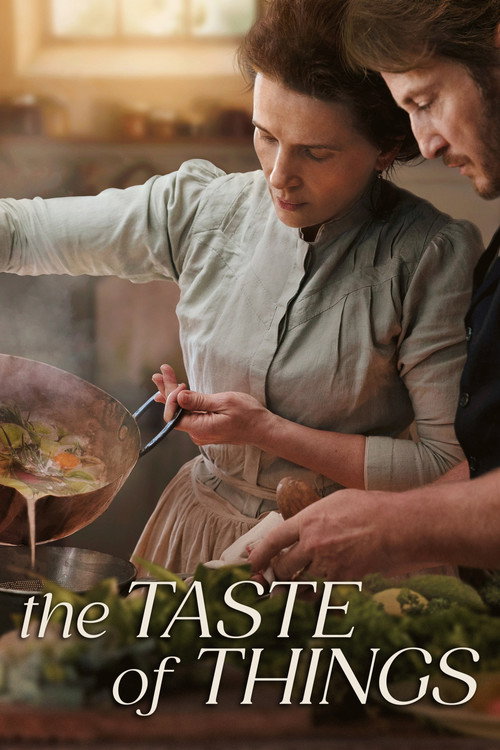
The Taste of Things2023
Both films find transcendence in ritual and quotidian repetition, treating a day's small gestures as cosmically significant. Time moves differently—dilated, eternal.
Trần Anh Hùng's meditation on a legendary chef in 1880s France, where a man and woman share unspoken devotion through food and routine. It's sensory and still, formal and intimate. Like Andersson, it treats ordinary acts—cooking, touching, remembering—as the substance of meaning.
But It's deliberately slow and repetitive in structure. If you want dramatic incident or clear emotional beats, you will be bored. The pacing feels foreign.
People
Cast
 Jan-Eje FerlingMan at the Stairs
- Kristina EkmarkMarketing director
 Martin SernerPriest
- Bengt BergiusPsychiatrist
- Anja BromsSecretary
- Magnus WallgrenAdolf Hitler
- Lisa BlohmChampagne-lover
 Tatiana DelaunayFlying Woman
- Anders HellströmFlying Man
- Thore FlygelDentist
Directing
- Roy AnderssonDirector
Writing
- Roy AnderssonScreenplay
Production
- Isabell WiegandExecutive Producer
- Sarah NagelExecutive Producer
- Johan CarlssonProducer
- Pernilla SandströmProducer
- Philippe BoberProducer