
Film
The Taste of Things
- Romance
- Period drama
- Slow-burning
A 1889 French chef decides to prove his love through cooking for the woman he adores—his own cook and muse. Sensory and tender, this film is almost edible: ravishing cinematography, intimate dialogue, and a meditation on devotion expressed through craft. For anyone who finds profound romance in the everyday, and who understands that the greatest love stories don't always end in marriage.
Should you watch it?
Watch it if you savour films where the pleasure lies in watching skilled hands work, a slow courtship told through meals, quiet glances and the sound of a kitchen at full stretch.
Skip it if you need plot momentum or a story that keeps raising stakes, since long stretches here are given over to preparing and eating food rather than driving toward a dramatic event.
What it asks of you: Two hours and fifteen minutes of unhurried attention, with long kitchen sequences and minimal dialogue, so it rewards patience more than it rewards a fast-moving viewer.
Not sure? Find tonight's pick in a minute.
If you liked this
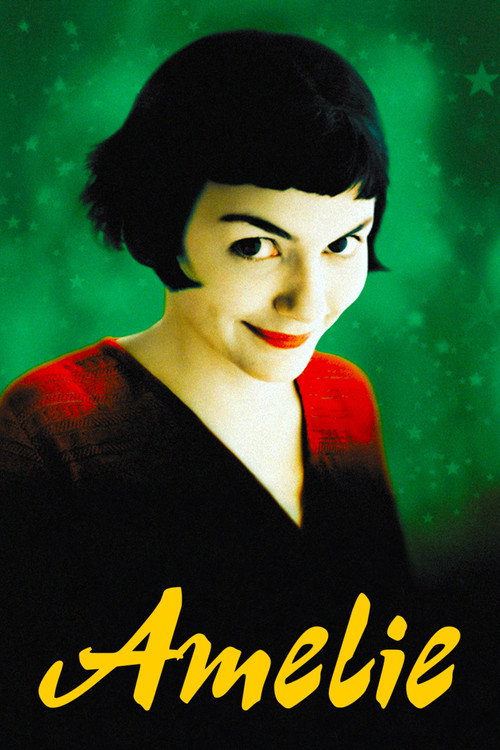
Amélie2001
French whimsy and genuine warmth; a film that finds magic in small gestures and modest spaces, with a heroine who understands the poetry of everyday life and the courage required to act on it.
But The cuteness can feel cloying on repeat viewings, and the fantasy-logic plotting occasionally trumps emotional weight.
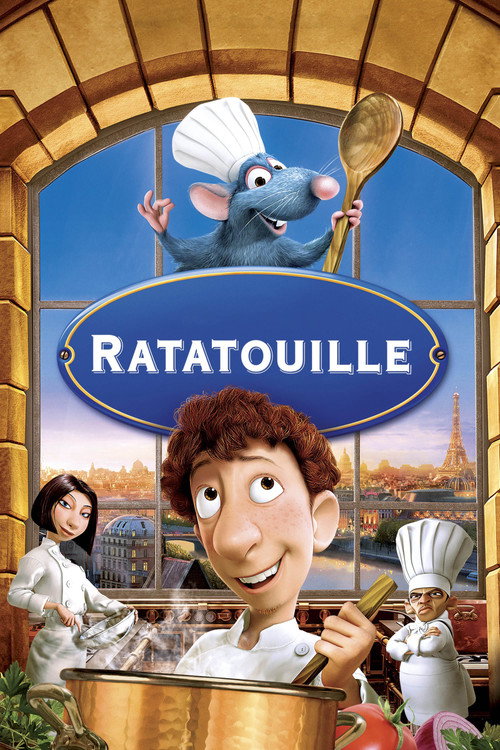
Ratatouille2007
A rat and a garbage boy bond over cooking in Paris. It shares The Taste of Things' belief that food is love, craft is sacred, and that true greatness requires complete devotion—but with Pixar's humour and warmth.
But It's animated comfort food; some find its emotional beats predictable, and the kitchen politics matter less than the sentiment.
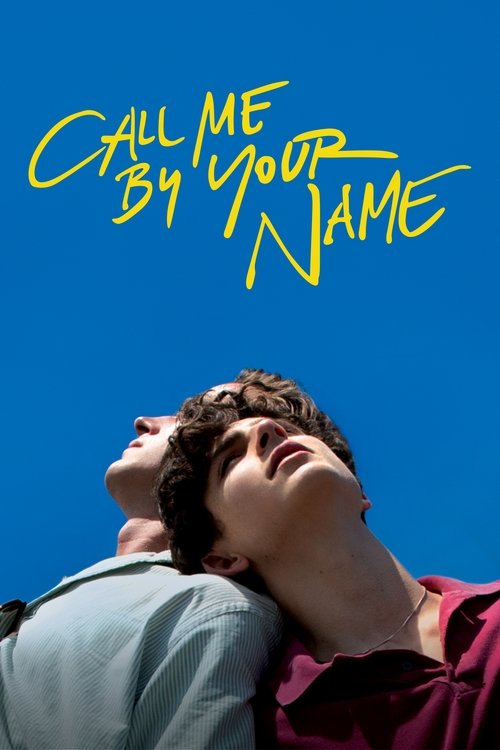
Call Me by Your Name2017
Two men, one summer, Italian landscapes, and the exquisite ache of desire and hesitation. Guadagnino's camera lingers on skin, fruit, water—sensory and erotic without cynicism, much like cooking itself.
But The pacing is glacial. Some find the age gap uncomfortable, and others feel the ending lets emotional complexity slide into wistfulness.
Not sure tonight? Get a pick in a minute, starting from The Taste of Things
The wildcard
Something you would not have found on your own.
Stalker1979
Both films believe that true mastery and love demand you slow down to the point of inefficiency. Both are about rituals that matter more than outcomes. Both ask: what are you willing to devote yourself to?
Tarkovsky's masterpiece: a guide leads two men through a mysterious zone to a room that grants wishes. It shares Taste's belief in the transcendence of devoted craft and long, unhurried looking. Hypnotic, difficult, unforgettable.
But 163 minutes of philosophical science fiction with minimal plot. Requires surrender; impatience will destroy it.

More like this (8)
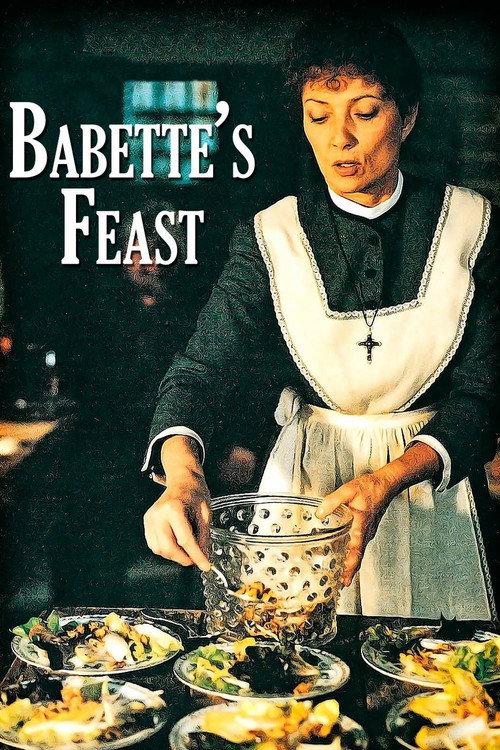
Babette's Feast1987
A French chef prepares an extraordinary meal for a small religious community. Like The Taste of Things, it understands that cooking is a language of love, sacrifice, and redemption.
But It's austere and slow-moving; the spiritual subtext won't resonate if you're not interested in faith or restraint as themes.
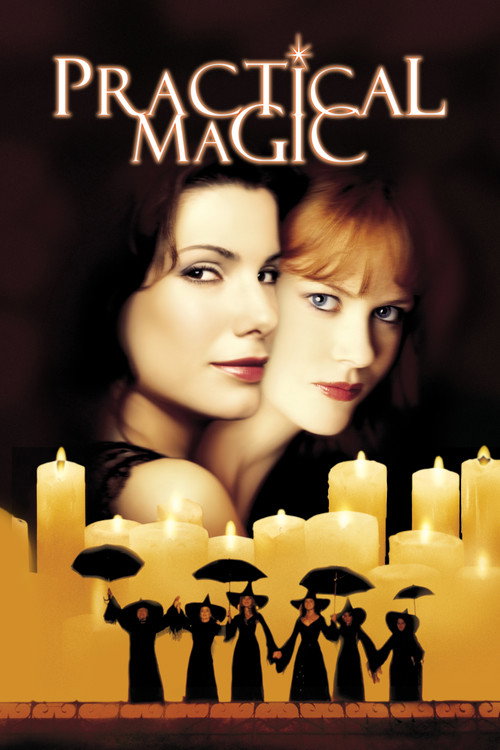
Practical Magic1998
Two sisters, witchcraft, and the messy persistence of love across generations. It has the same sensory richness and belief in devotion that outlasts logic.
But The tone lurches between comedy and melodrama. It's less refined than Taste, and the plot mechanics can feel contrived.
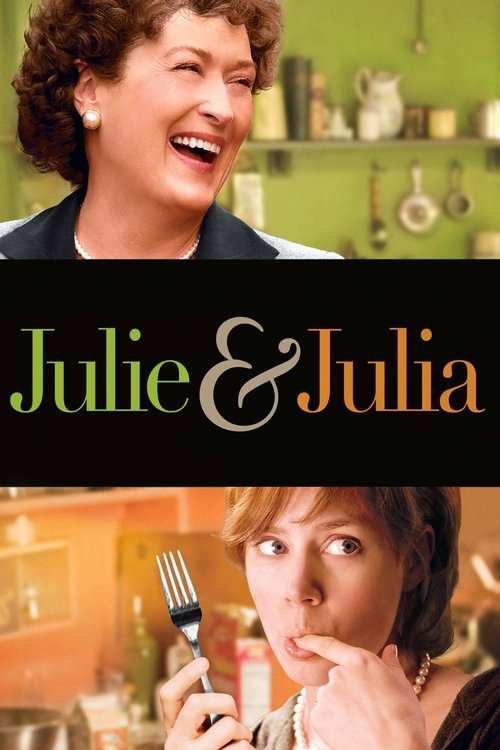
Julie & Julia2009
Meryl Streep as Julia Child, teaching that mastering your craft is its own love story. Split timelines, but both halves worship at the altar of cooking and persistence.
But It's broadly likeable rather than surprising; the dual narrative dilutes focus, and some find it too earnest about self-improvement.
A Prophet2009
Intensive, intimate, set in prison. A younger man and an older one form a bond that defies easy categorisation, built on loyalty, mentorship, and the question of what we owe those we love.
But It's bleak, violent, and morally murky. There's no comfort in it, and the romance is never straightforward.

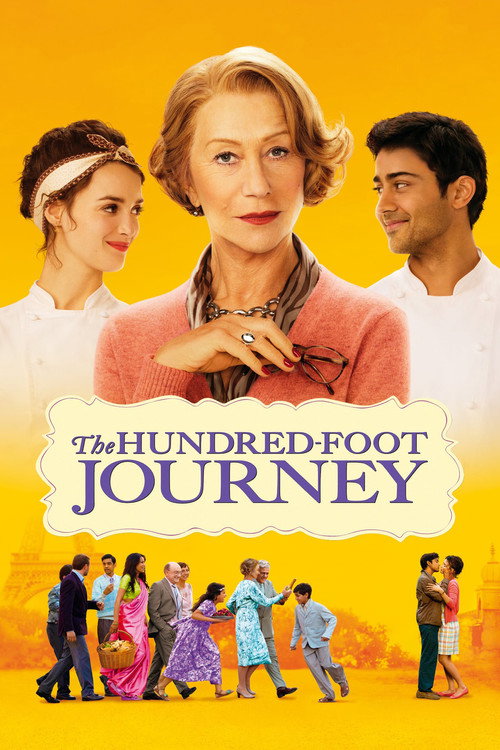
The Hundred-Foot Journey2014
A family's restaurant opens across from a Michelin-starred establishment. Food, cultural collision, and the slow warming of two people who begin with disdain. Lighter fare, but genuine heart.
But It's crowdpleasing and sometimes saccharine; the cultural commentary is surface-level, and it feels designed to offend no one.
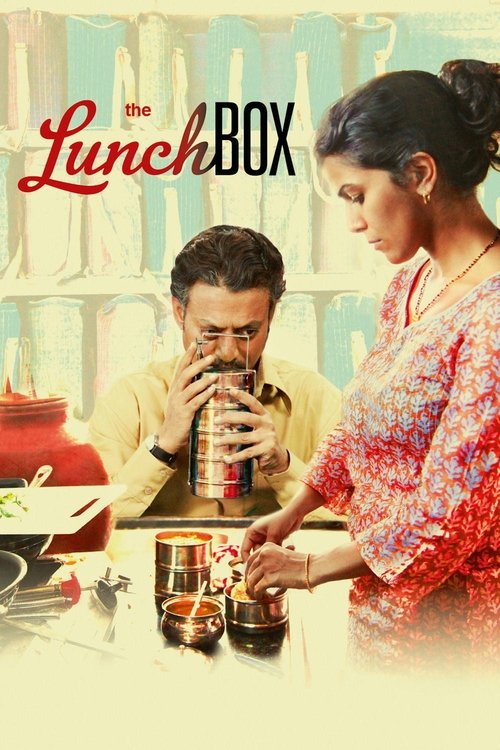
The Lunchbox2013
In Mumbai, a woman's tiffin—a lunch box—goes astray and begins a correspondence with a stranger. Quiet, sweet, and built entirely on the idea that food carries intention and care.
But Pacing is dreamy and slow; the resolution is ambiguous in ways some find unsatisfying. It's more mood than plot.
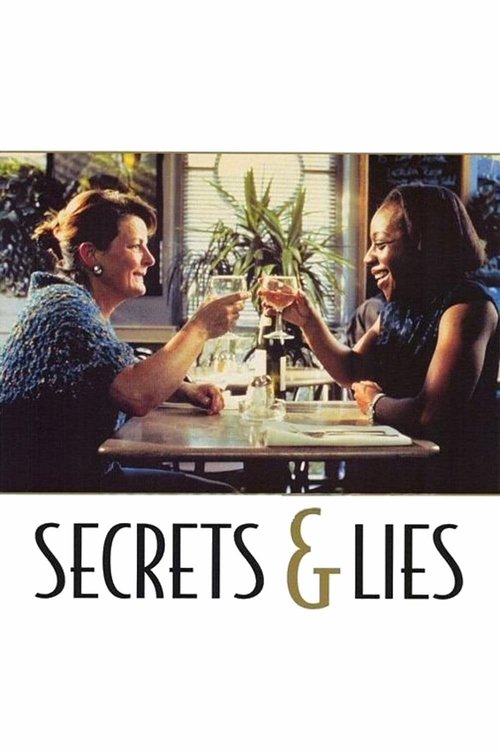
Secrets & Lies1996
Both are about love expressed obliquely—through cooking, through small kindnesses, through presence. Both trust that quiet observation is more moving than grand gestures. Both are fundamentally about what we do for people we can't quite say we love.
Mike Leigh's ensemble drama about an optometrist, her estranged birth mother, and a sprawling family. Dialogue-heavy, achingly human, with the same attention to how we communicate through small acts rather than declarations.
But It's unglamorous and emotionally exhausting; the naturalistic performances feel baggy if you prefer narrative drive, and the 142-minute runtime is entirely without spectacle.
Jeanne Dielman, 23, quai du Commerce, 1080 Bruxelles1976
The inverse: where Taste celebrates cooking as love, Jeanne Dielman presents it as labour, repetition, survival. Both films understand that the everyday rituals—especially cooking—are where the deepest human truths live. Both refuse to sentimentalise their subjects. Both require you to look closely at what others ignore.
Chantal Akerman's experimental three-hour portrait of a widow's daily routine: cooking, cleaning, receiving clients. It's radical in its refusal to judge or dramatise. Hypnotic if you surrender to it.
But There is almost no narrative or conventional emotion. It's avant-garde and challenging; most will find it impenetrable or boring, and that's not a failure of taste.

People
Cast
 Benoît MagimelDodin Bouffant
 Juliette BinocheEugénie
 Patrick d'AssumçaoGrimaud
 Emmanuel SalingerRabaz
 Jan HammeneckerMagot
 Frédéric FisbachBeaubois
 Galatea BellugiViolette
- Pierre GagnaireKüchenchef des Prinzen
 Bonnie Chagneau-RavoirePauline
 Yannik LandreinPère de Pauline
 Sarah AdlerMère de Pauline
 Jean-Marc RoulotAugustin
Directing
- Trần Anh HùngDirector
- Thierry VerrierFirst Assistant Director
- Cathy MlakarScript Supervisor
- Axelle RossiniSecond Assistant Director
- Oriane Brisson-BertrandThird Assistant Director
Writing
- Marcel RouffNovel
- Trần Anh HùngScreenplay
Production
- Nell MahéAssistant Location Manager
- Emilien BignonAssociate Producer
- Maeva GauthierCasting Assistant
- Gigi AkokaCasting Director
- Nora ChabertCo-Executive Producer
- Bastien SirodotCo-Producer
- Cédric IlandCo-Producer
- Christine de JekelExecutive Producer
- Marie Pierre DelabrièreExtras Casting
- Olivier DelboscProducer
- Coline HieronimusProduction Assistant
- Angeline MassoniProduction Director
- Angeline MassoniProduction Manager
- Valentine KervagoretProduction Supervisor
- Pierre PyUnit Production Manager
Recommended by
The Wound, Kitchen Nightmares, A Sunday in the Country, Tortilla Soup, Step Up to the Plate, Nagasaki: Memories of My Son, The Serpent and the Rainbow, The Tree of Wooden Clogs, Navillera, Mysteries of Lisbon, The Woman Who Left, Miss and the Doctors, The Power of One, Fading Gigolo, Welcome to Norway!, Flamin' Hot, Sweet Bean, The Funeral, Dust in the Wind, About Endlessness, The Light Shines Only There, The Road Home, Get Hard, Footnote, Woman Without Piano, The Conquest, Couple in a Hole, A Respectable Woman