
Film
The Woman Who Left
Lav Diaz's nearly four-hour Filipino drama follows a woman exonerated after 30 years in prison, now hunting the aristocrat who destroyed her life. It's a slow-burn meditation on injustice, class, and the possibility of forgiveness—vast in scope but intimate in feeling. For viewers patient with deliberate pacing and philosophical weight.
If you liked this
A Prophet2009
Haunting French prison drama about a young man's transformation behind bars and his calculated rise. Like *The Woman Who Left*, it examines how incarceration shapes identity and reveals the corruption of systems meant to contain us.
But It's intense and violent in ways that may feel gratuitous if you're not prepared for the brutality of its world.

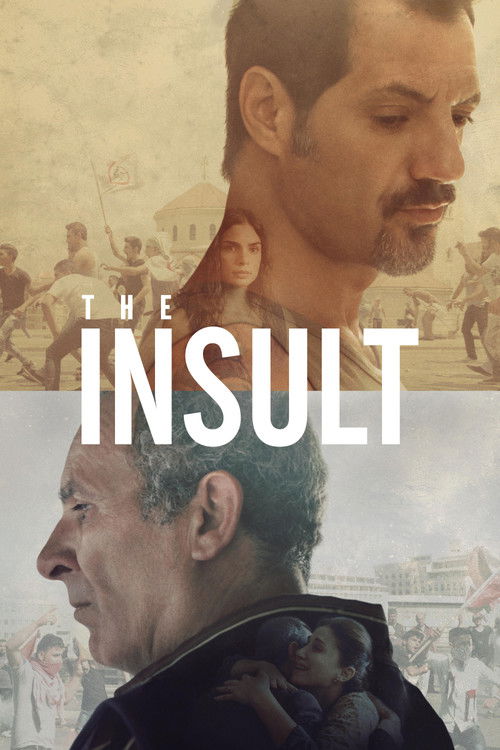
The Insult2017
Lebanese courtroom drama where a small incident unravels decades of historical trauma and class conflict. Shares Diaz's interest in how personal grievance becomes political, and how revenge questions our humanity.
But The dialogue-heavy second half may feel stagey, and the resolution is deliberately ambiguous rather than cathartic.
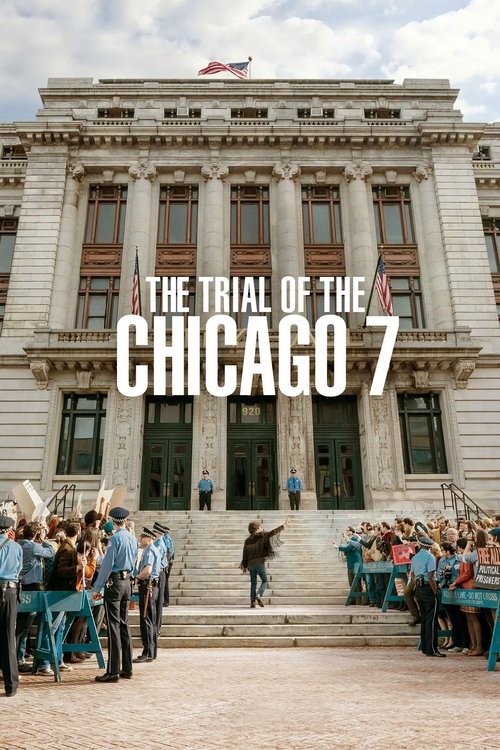
The Trial of the Chicago 72020
Courtroom ensemble about state injustice and institutional corruption, though with more narrative momentum. Shares the moral clarity about systems failing the innocent, even if its pacing is conventional by comparison.
But It's Hollywood-shaped and optimistic in ways *The Woman Who Left* refuses to be; some find that reassuring, others fake.
Not sure tonight? Get a pick in a minute, starting from The Woman Who Left
The wildcard
Something you would not have found on your own.
Stalker1979
Both use immense runtime not as indulgence but as formal statement—duration becomes part of the film's argument about patience, observation, and what we owe to witnessing.
Tarkovsky's 163-minute philosophical journey into a mysterious zone parallels Diaz's formal commitment to duration as meaning. Both films argue that time on screen is time to think, and that cinema's power is meditative rather than dramatic.
But It moves at the speed of Soviet philosophy, not narrative. Long takes of walking, talking, waiting. If you need plot, this will feel like punishment.

More like this (7)
Come and See1985
Soviet war film that treats its 142 minutes as a philosophical necessity, not indulgence. Both films demand patience and refuse to look away, transforming duration into a form of moral witness.
But It's harrowing and deliberately difficult; the pacing and subject matter are punishing in ways some viewers will reject on principle.

Memories of Murder2003
Bong Joon-ho's detective thriller explores how institutions fail the powerless while protecting the corrupt. The investigation mirrors Diaz's concern with truth-seeking in systems designed to obscure it.
But Its tone shifts between genre thriller and existential dread; some find that tonal instability frustrating rather than enriching.

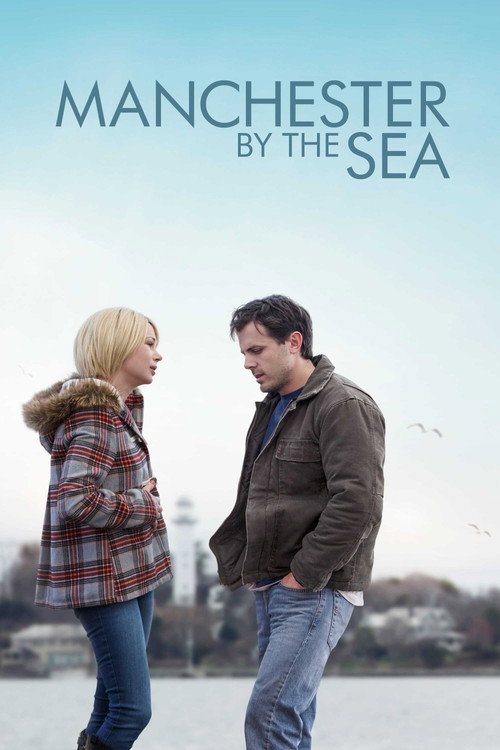
Manchester by the Sea2016
Deeply internal character study about a man unable to move past trauma. Both films understand that time doesn't heal everything and that some wounds remain the film's actual subject.
But Kenneth Lonergan's minimalism and American melancholy may feel too precious if you want narrative propulsion or emotional catharsis.
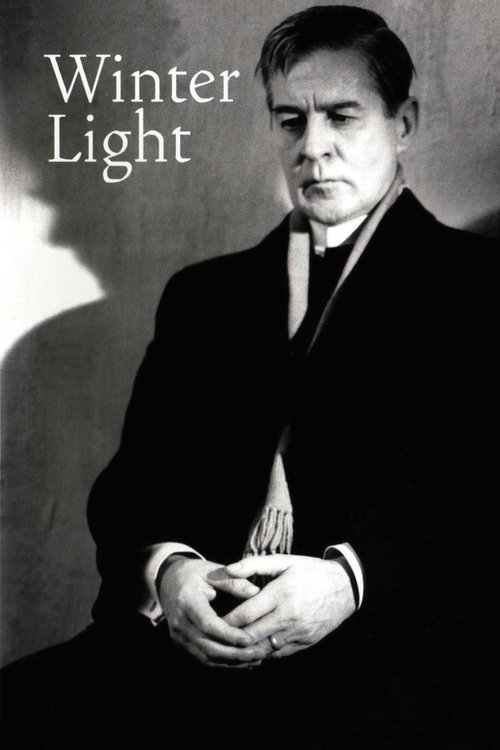
Winter Light1963
Bergman's stark meditation on faith and abandonment. Like Diaz's work, it treats spiritual desolation as the true subject and refuses sentiment or easy redemption.
But Swedish austerity and theology-inflected despair from 1963; the black-and-white austerity alone will deter most viewers instantly.
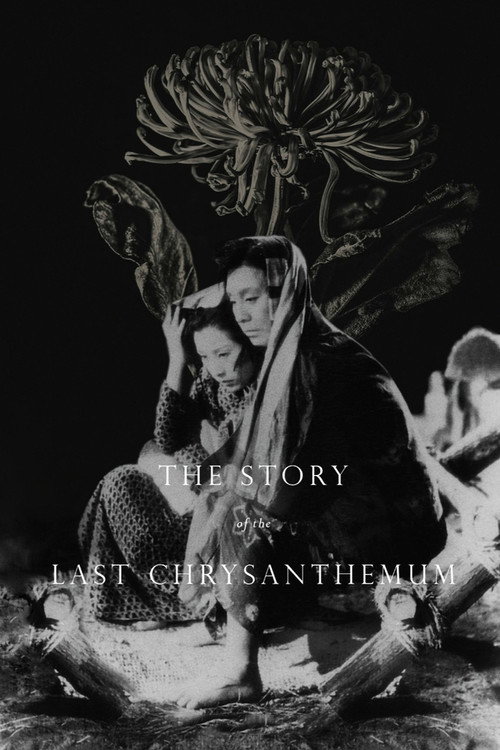
The Story of the Last Chrysanthemum1939
Mizoguchi's devastating film about sacrifice and societal indifference shares Diaz's patient observational style and belief that cinema should honor suffering without exploiting it.
But Silent-era pacing and a plot built on accumulated small cruelties rather than plot turns will feel glacial to those wanting momentum.
The Taste of Things2023
Both films argue that the intimate and sensory—a meal, a glance, presence itself—matter as much as justice or revenge. Both are about salvaging human connection from wreckage.
Truffaut's final film, a seemingly gentle period romance that becomes an elegy for sensuality and attachment in the face of mortality. Like *The Woman Who Left*, it's concerned with what remains when everything else is taken.
But It's a French film about food, love, and aging that some will find hermetically sealed from the world's urgency. The quietness reads as indulgence rather than depth.

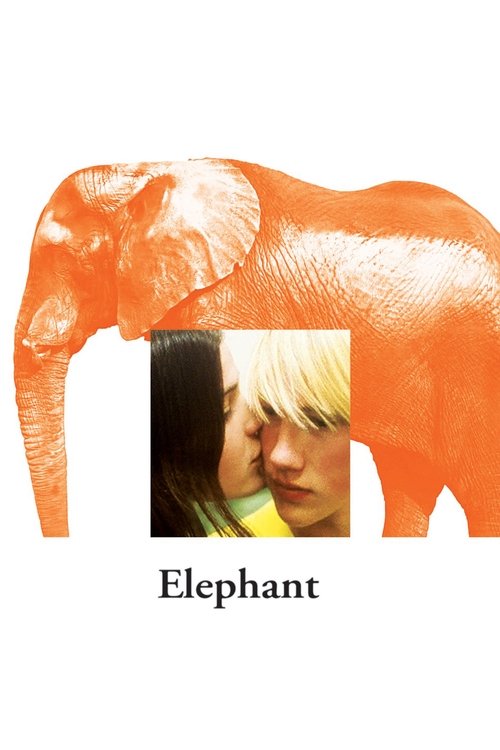
Elephant2003
Both films believe cinema's power lies in patient observation of the real world rather than plot mechanics. Both refuse to provide the psychological explanations audiences expect, trusting instead that witnessing is enough.
Gus Van Sant's experimental response to school shootings uses repetition, duration, and observational distance to examine how violence emerges from ordinary moments. It shares Diaz's formal commitment to watching rather than explaining.
But It has no conventional narrative, repeats scenes from different angles, and offers no catharsis or understanding. Some find it respectfully restraint; others find it evasive and frustrating.
People
Cast
 Charo SantosHoracia Somorostro / Renata
 John Lloyd CruzHollanda
 Michael De MesaRodrigo Trinidad
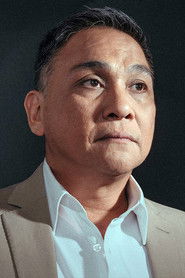 Nonie BuencaminoBalut Vendor
 Marjorie LoricoMinerva
 Lao RodriguezPriest
 Shamaine BuencaminoPetra
 Mae PanerWarden
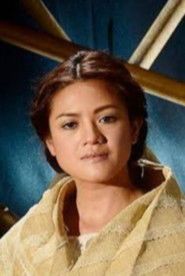 Jean Judith JavierMameng
 Kakai BautistaDading
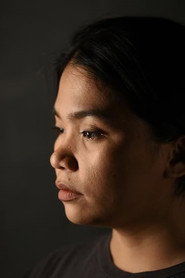 Mayen EstaneroNena
Directing
- Lav DiazDirector
Writing
- Leo TolstoyOriginal Story
- Lav DiazScreenplay
Production
- Lav DiazCo-Producer
- Ronald ArguellesExecutive Producer
- Carlo Francisco ManatadPost Production Coordinator
- Cecil BubanProduction Assistant
- Kristine KintanaProduction Manager
- Richard LormandPublicist
Recommended by
Leaving Neverland: The Aftermath, Do Not Split, Pussy Riot: A Punk Prayer, Made in India, In the Same Breath, Bread & Roses