
Film
Do Not Split
A 35-minute documentary capturing Hong Kong's 2019 pro-democracy protests through frontline footage and testimony. Shot amid live demonstrations, it's urgent and immersive—you're in the crowd, not watching from distance. Made for anyone trying to understand what actually happened, or what protest looks like when the state responds with force.
Should you watch it?
Watch it if you want raw, close-quarters footage of street confrontation and are happy to piece the politics together from what the crowd shows you.
Skip it if you want the wider history laid out for you, since this stays inside the streets and offers little context beyond what is in front of the lens.
What it asks of you: At about half an hour, it moves at the pace of a clash, tense and jolting, and it wants your full attention from first frame to last.
Not sure? Find tonight's pick in a minute.
If you liked this
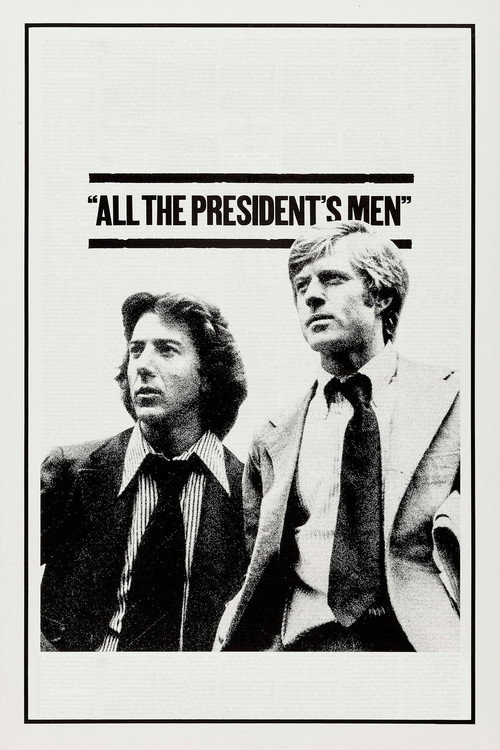
All the President's Men1976
Two journalists investigating Watergate in real time—the same propulsive urgency of Do Not Split, but chasing truth through institutions rather than streets. Gripping and meticulously detailed.
But Essentially a procedural about phone calls and typewriters. If you want action, this is slow.
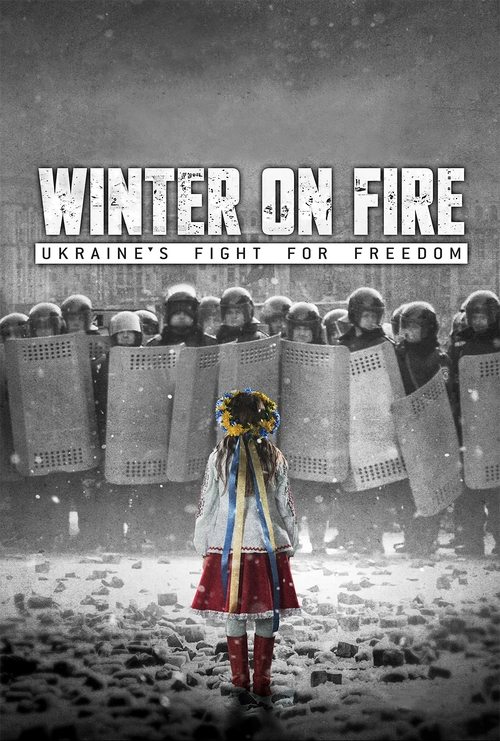
Winter on Fire: Ukraine's Fight for Freedom2015
Another intimate protest documentary—Kiev's Euromaidan uprising filmed from the barricades. Same visceral, you-are-there intensity and moral clarity as Do Not Split, with similar escalation.
But The editing is aggressive and sometimes chaotic. Some scenes are genuinely hard to watch.
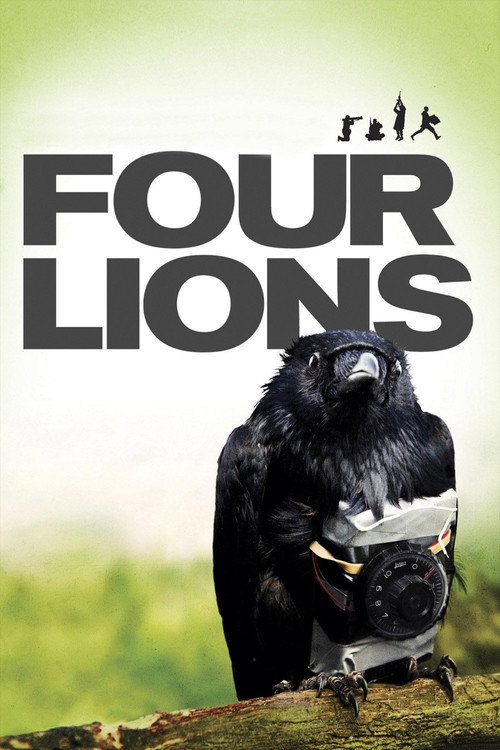
Four Lions2010
Chris Morris's pitch-black comedy about incompetent British jihadists. It takes political violence seriously while refusing solemnity—unflinching about ideology without propaganda.
But Joking about terrorism makes people uncomfortable. The laughs are thin and earned, not warm.
Not sure tonight? Get a pick in a minute, starting from Do Not Split
The wildcard
Something you would not have found on your own.
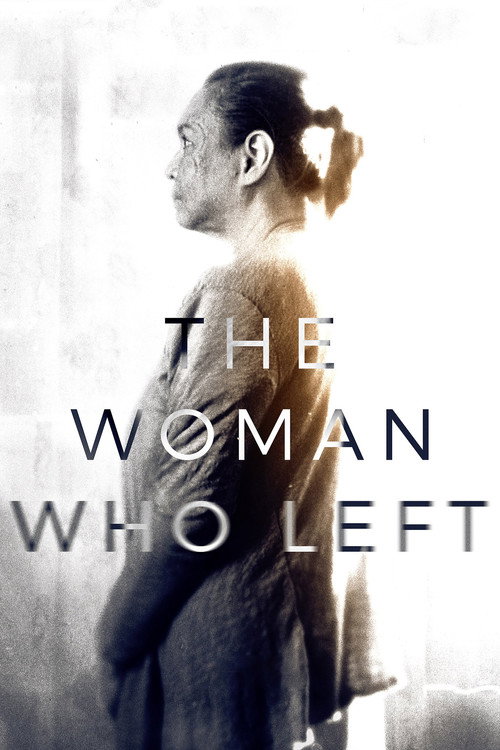
The Woman Who Left2016
Both witness ordinary people navigating impossible circumstances with dignity. Both refuse to dramatize struggle into spectacle.
Chloé Zhao's film about a woman rebuilding after displacement, set during pandemic lockdown in a Nevada mining town. It shares Do Not Split's documentary impulse—capturing precarity and resilience—but through intimate fiction rather than protest footage.
But Defiantly slow and unglamorous. Nothing happens in the way most films make things happen.
More like this (7)
The Act of Killing2012
A documentary about Indonesian death-squad executors directed by Joshua Oppenheimer. Horrifying and essential—it interrogates how ordinary people justify atrocity in ways Do Not Split's footage implies.
But It's profoundly disturbing and deliberately provocative. Some will find the method—letting perpetrators perform—ethically troubling.

13th2016
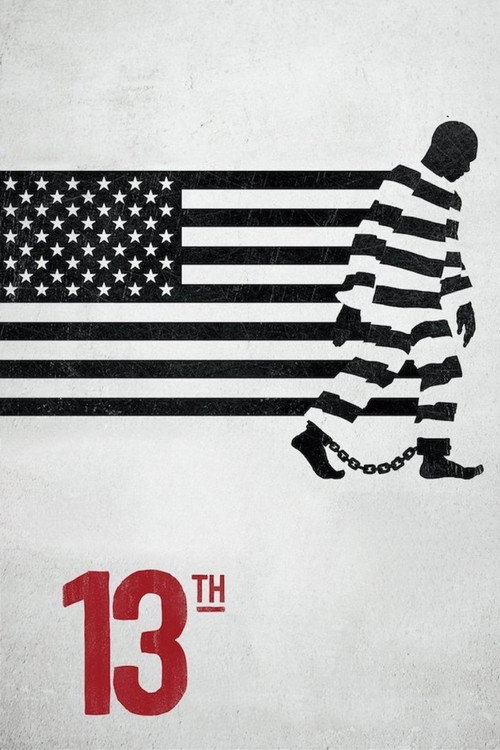
Ava DuVernay's essay-documentary on mass incarceration and systemic racism in America. Connects protest to the institutions that breed it, with the same moral urgency.
But Didactic and dense. If you're tired of long-form essays, this won't change your mind.
Whose Streets?2017
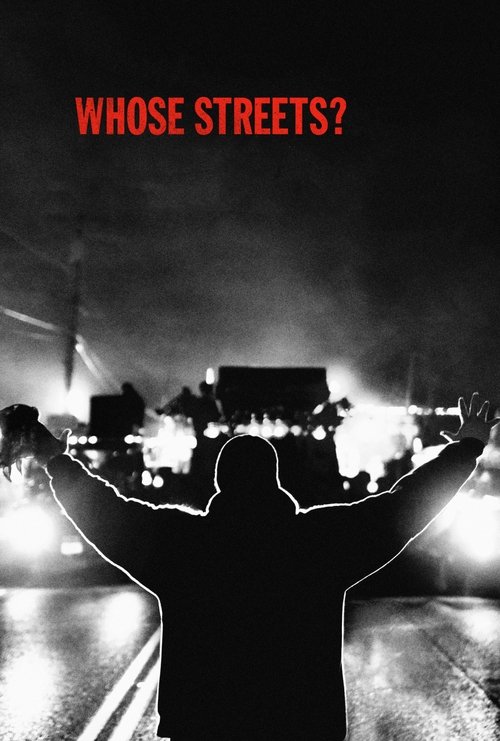
Ferguson uprising shot by local filmmakers, not outsiders. Raw, angry, and intimate—protests in your own streets, your own community's language.
But Unconventional structure; you won't find clean narrative arcs. It's fragments and truth, not a story.
Citizenfour2014
Laura Poitras's documentary about Edward Snowden. Intimate, claustrophobic, and about a man trying to expose state overreach—the institutional cousin of Do Not Split's street-level revolt.
But Slow-burn spy thriller energy; if you want clarity, the NSA's operations remain opaque even after watching.

Rocks2020
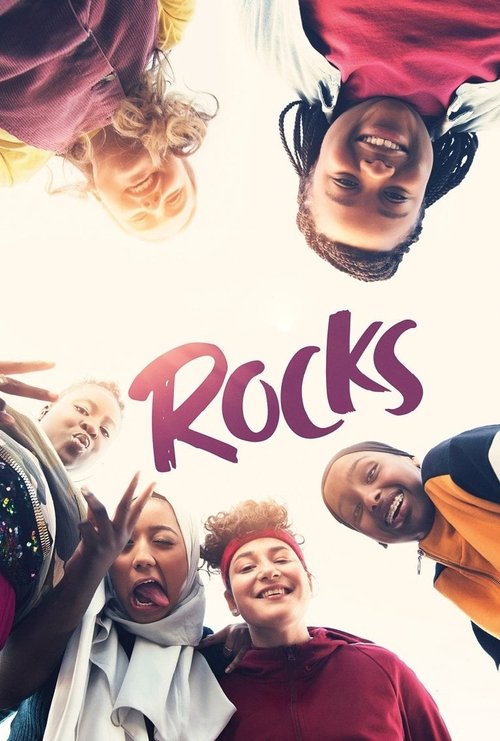
A British film about a teenager keeping her family afloat after her mother vanishes. It's about survival and resilience in precarious circumstances—the emotional texture of people under pressure.
But Not a documentary. The shift to fiction might feel like you're being asked to care about something smaller, more personal.
Come and See1985
Elem Klimov's Belarusian masterpiece about a boy in WWII. Brutal, unsentimental examination of how violence reshapes human beings. A meditation on what Do Not Split shows in minutes stretched across decades.
But It's punishing. One of cinema's most difficult watches. Many find it unwatchable.

The Battle of Algiers1966
It's the ancestor of Do Not Split—the film that proved documentary feeling could come from staged cinema, and that protest could be cinema's subject matter.
Gillo Pontecorvo's Algerian revolutionary masterpiece shot like a documentary but entirely staged. Every scene of protest and counter-insurgency feels viscerally real. A prophetic blueprint for how state and uprising collide.
But Made in 1966 about 1950s colonialism. The politics are unambiguous in ways modern audiences sometimes read as didactic.

People
Directing
- Anders HammerDirector
Production
- Anders HammerProducer
- Charlotte CookProducer