
Film
Leaving Neverland: The Aftermath
- Crime
- Investigative journalism
- Very dark
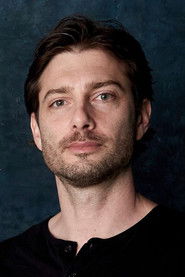
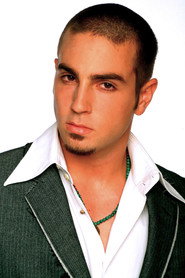
A follow-up documentary examining the aftermath of the original Leaving Neverland film—the legal battles, public reaction, and the lives of accusers James Safechuck and Wade Robson in the months following its release. It's a sobering look at what happens when powerful institutions mobilize to discredit survivors, and what it costs them to be heard.
Should you watch it?
Watch it if you followed the first film closely and want to see how its accusations were examined and weighed afterward, in a sober, close-focused hour.
Skip it if you want a standalone film, since this only makes sense after the first one, and its subject alone may be more than you can bear to revisit.
What it asks of you: Runs just over an hour of interviews, with long stretches of attentive listening and a pace that stays deliberate rather than sensational.
Not sure? Find tonight's pick in a minute.
If you liked this
Allen v. Farrow2021
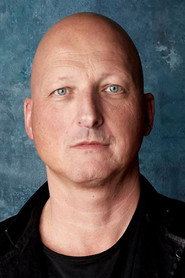
Similar investigative arc examining another high-profile abuse allegation and institutional defense. Amy Ziering's direction mirrors Reed's approach: meticulous, survivor-centered, unflinching about power dynamics.
But Another brutal chronicle of institutional complicity. If abuse narratives exhaust you, this won't feel fresh—it's the same machinery in a different case.
The Two Popes2019
Not about abuse, but a masterclass in how institutions handle reckoning. Fernando Meirelles explores accountability and moral courage within massive power structures, with genuine dramatic depth.
But It's a conversation between two men in rooms. If you need narrative propulsion or visual spectacle, this meditative approach will feel slow.
Four Hours at the Capitol2021
Documentary about January 6th that, like Aftermath, focuses on consequence and fallout rather than just the event itself. How do people live with what they've done, or witnessed, or survived?
But Political documentary that some will find heavy-handed. The urgency can feel didactic rather than exploratory.
Not sure tonight? Get a pick in a minute, starting from Leaving Neverland: The Aftermath
The wildcard
Something you would not have found on your own.
The Act of Killing2012
Both films force us to watch how people—perpetrators and institutions—tell stories to avoid accountability. Both examine the architecture of denial.
Indonesian documentary where the filmmaker convinces perpetrators of genocide to recreate their crimes on camera. Sounds impossible, but it becomes a profound study of how people construct narratives to survive what they've done. The mechanism of denial and justification mirrors institutional protection systems.
But Extremely long (159 minutes) and morally vertiginous. Watching perpetrators perform their violence is nauseating. Some find it gives abusers a platform.

More like this (7)
The Act2019
Dramatized account of Gypsy Rose Blanchard's abuse by her mother. It takes survival seriously while remaining absorbing drama. The performances are extraordinary and the moral complexity is earned.
But A dramatization of abuse can feel exploitative to some. Also significantly longer commitment than a feature film.
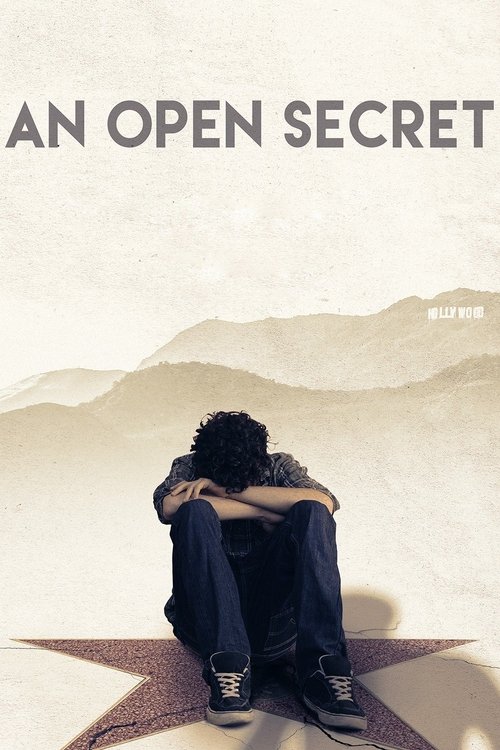
An Open Secret2014
Documentary about systemic child abuse in Hollywood, connecting dots between perpetrators and enablers. It's investigative work in the mode of Leaving Neverland, examining how institutions protect abusers.
But Lower production values than mainstream docs. Some sourcing choices are contested. Less cinematically polished than Reed's work.
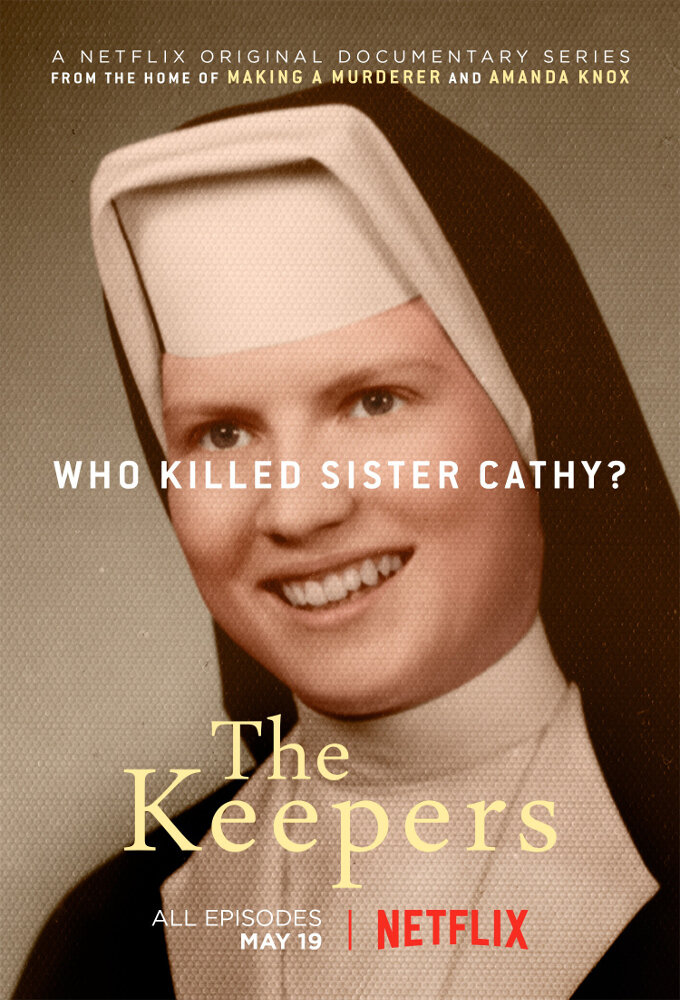
The Keepers2017
A nun's unsolved murder connects to broader patterns of institutional abuse and cover-up in the Catholic Church. It asks hard questions about complicity and how systems survive.
But Complex narrative spread across seven hours. The mystery element sometimes overshadows the survivors' stories, which some find uncomfortable.
Spotlight2015
Boston Globe investigation into Catholic Church abuse. It's a thriller about journalism, but it's really about how institutions weaponize silence and reputation to protect perpetrators.
But Ensemble cast means some survivors get less airtime. The procedural focus can distance you emotionally from the human cost.

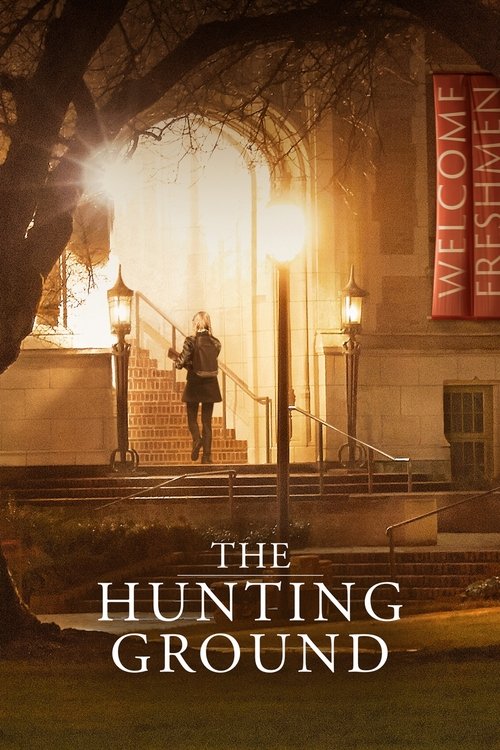
The Hunting Ground2015
Documentary about sexual assault on college campuses and institutional betrayal. It's structured like an investigation, examining how universities prioritize reputation over safety.
But Some of its claims have been disputed. Certain editing choices feel manipulative rather than investigative. Less rigorous than Reed's approach.
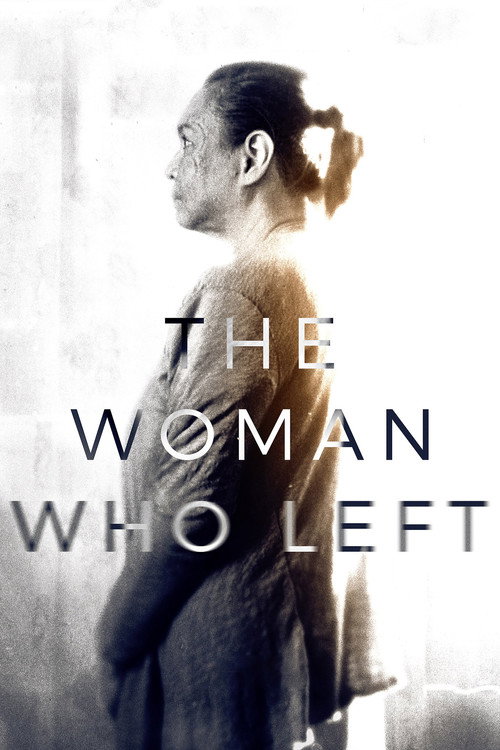
The Woman Who Left2016
While Aftermath documents legal aftermath, this dramatizes emotional aftermath: how survivors move through the world after being failed by systems. Both resist the urge to make trauma redemptive.
Filipino narrative film about a woman rebuilding her life after prison release. It's not about trauma as spectacle but as a quiet, ordinary fact. Bresson-like in its attention to the texture of survival and small resistances.
But Slow, meditative, deliberately unglamorous. No dramatic confrontations or catharses. Some will find it punishingly austere.
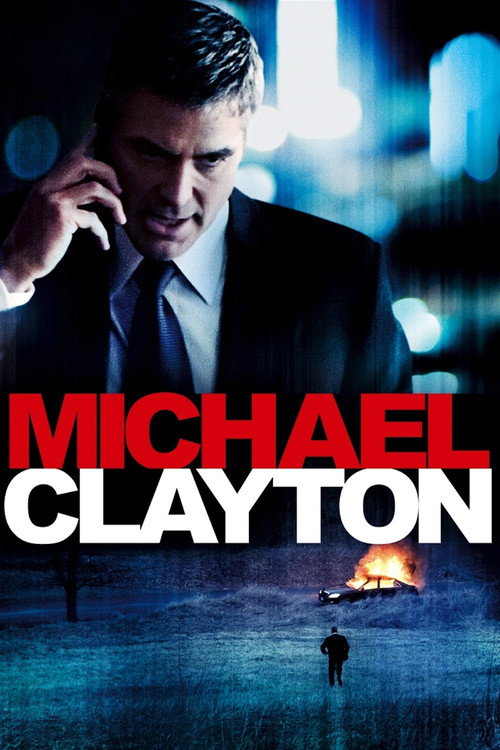
Michael Clayton2007
Both examine how institutions—legal, professional, cultural—protect the powerful at the cost of truth. Aftermath shows it happening; Clayton dramatizes why good people let it happen.
A legal thriller that's actually about institutional loyalty and how smart, decent people enable corruption from within. Toner-Hackman exchange at the end—accountability that arrives too late—captures something true about how these systems survive.
But It's a glossy thriller, not a documentary. If you need journalism-style accountability, the ambiguity will frustrate you.
People
Cast
 James SafechuckSelf
 Wade RobsonSelf
 Dan ReedSelf
- Joy RobsonSelf
Recommended by
Invincible, At the Heart of Gold: Inside the USA Gymnastics Scandal, Framing Britney Spears, An Open Secret, Bikram: Yogi, Guru, Predator, Britney: For the Record, Unprotected: Murder in Galicia