
Film
The Hunting Ground
- Crime
- Social drama
- Very dark
A shattering documentary about sexual assault on American college campuses and the institutional failures that enable it. Through the stories of survivors fighting for accountability, it exposes how universities systematically protect perpetrators over students. Essential, angry, and difficult—a film that demands you care about what happens next.
Should you watch it?
Watch it if you want a patient, evidence-driven investigation that lets survivors and administrators speak at length and lets the institutional record speak for itself.
Skip it if you need distance from painful personal testimony, since the film stays close to survivors' accounts and the anger builds steadily with little relief.
What it asks of you: Plan for a sober, document-heavy stretch of roughly one hundred and four minutes, mostly interviews, where the testimony sits heavily and the pace stays deliberate.
Not sure? Find tonight's pick in a minute.
If you liked this
The Front Runner2018
A sharp political thriller about how institutional power protects men accused of misconduct, with Hugh Jackman as a real candidate undone by old allegations. Explores the same machinery of cover-up and denial from a different angle.
But It's more interested in political strategy than moral clarity, and some find its ambivalence frustrating rather than nuanced.
An Inconvenient Truth2006
A documentary that changed the national conversation by refusing to let institutions off the hook. Like *The Hunting Ground*, it's built on fury that the powerful haven't acted, and it made that anger contagious.
But The presentation can feel dated now, and some of its specific predictions have shifted, which dulls its urgency slightly.
Spotlight2015
A methodical account of how journalists dismantled institutional silence around abuse. It's about the same machinery—cover-up, denial, power protecting itself—but seen through the lens of those breaking the story.
But Its procedural coolness can make the horror feel distant. You're watching reporters work, not survivors suffer, which some find less affecting.

Not sure tonight? Get a pick in a minute, starting from The Hunting Ground
The wildcard
Something you would not have found on your own.
The Trial of the Chicago 72020
Both are built around the question of how institutions suppress dissent and whose voice gets heard in response. One is immediate testimony; one is historical courtroom drama. Same fury, different register.
Aaron Sorkin's courtroom drama about protest, institutional power, and whose story gets believed. It's a thriller about the same question: how do you fight when the system itself is rigged against you?
But It's a scripted drama, not documentary testimony, so the stakes feel performed rather than lived. Also, it's a Sorkin film—if you find his style exhausting, you won't survive two hours of it.
More like this (6)
The Invisible War2012
Documents sexual assault in the US military and the Pentagon's refusal to address it. Same institutional indifference, same betrayal of those in the institution's care, same fight for basic accountability.
But It covers similar ground to *The Hunting Ground*, so watching both back-to-back can feel repetitive and exhausting rather than revelatory.
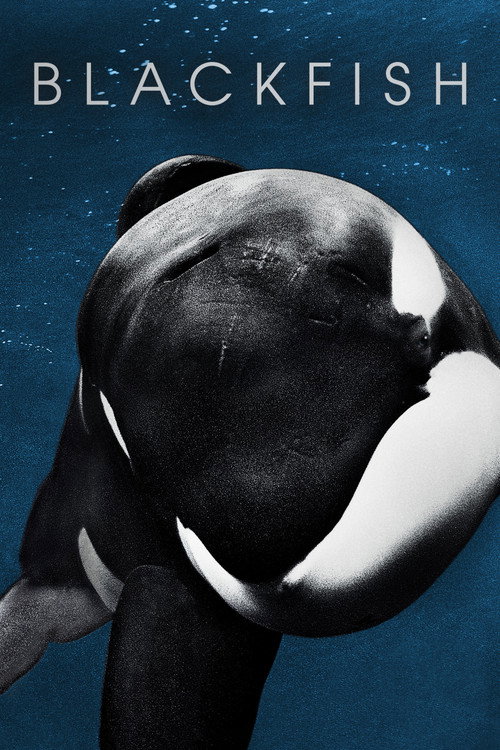
Blackfish2013
An exposé of institutional cruelty and cover-up, where an enormous organization protects its image over safety. Different subject matter, but the architecture of denial and damage is identical.
But Some argue it oversimplifies its case, and if you know the counterarguments, the advocacy can feel one-sided rather than investigative.
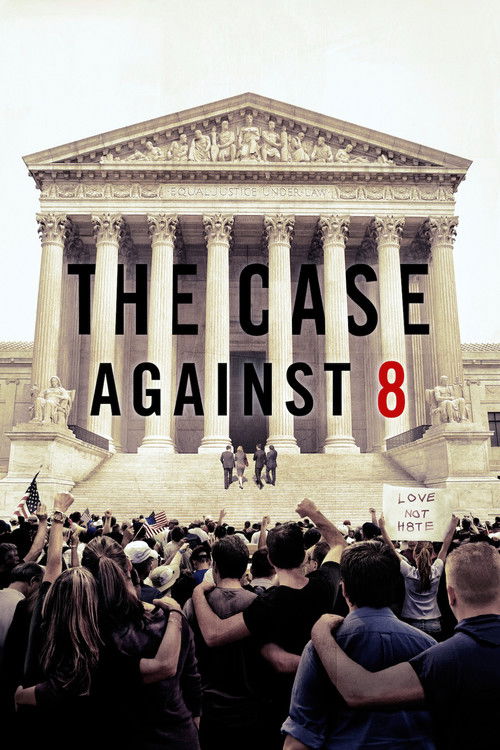
The Case Against 82014
Follows litigation against institutional discrimination with real stakes and real people. It shows how institutions entrench injustice, and how that gets challenged through sheer persistence.
But It's focused on legal strategy rather than emotional impact, which can make it feel procedural when you want it to burn.
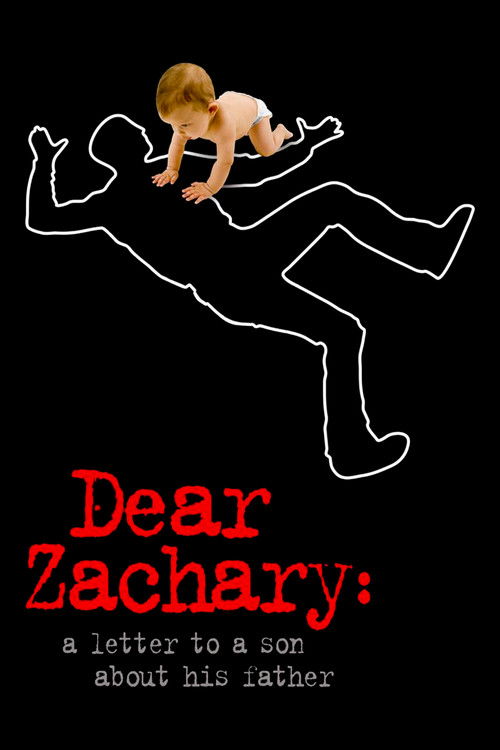
Dear Zachary: A Letter to a Son About His Father2008
A documentary about a murder and institutional failure to pursue justice. The emotional gut-punch builds slowly, and it shares *The Hunting Ground*'s rage at systems that protect the guilty.
But It's punishing to watch, and the turn it takes in the final stretch is so devastating that some find it cruel rather than cathartic.
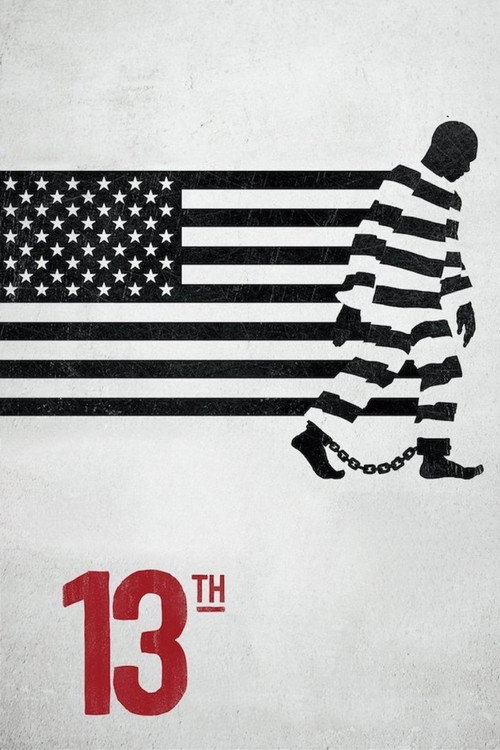
13th2016
Both trace how American institutions—campus and prison—systematically harm vulnerable people and engineer their silence. But *13th* works at the level of policy and history, not individual testimony.
Ava DuVernay's documentary traces mass incarceration as institutional racism, using the archive and argument to show how systems weaponize themselves. It has *The Hunting Ground*'s clarity about how power protects itself.
But It's a dense essay-film with rapid cuts and layered argument. If you need narrative and character to stay engaged, it can feel relentless and abstract.
Grey Gardens1976
Both films are about institutions (family, university, society) that fail to protect people within them. But *Grey Gardens* is observational and oblique where *The Hunting Ground* is direct—it makes you sit with discomfort rather than offering righteous clarity.
An unsettling documentary about two women isolated in a decaying mansion, ignored by family and institutions. It's about abandonment and the way the powerful let the vulnerable suffer without intervention.
But It's a 1975 film made with a very different ethics around consent and exploitation. Some find it fascinating; others find it uncomfortable and invasive.

People
Cast
- Andrea PinoHerself
- Annie ClarkHerself
- Claire PotterHerself
- Melinda ManningHerself, assistant dean of students, University of North Carolina
- Claire PotterHerself, professor of history
- Kimberly TheidonHerself, medical anthropologist and former Harvard professor
- Kamilah WillinghamHerself
- Caroline HeldmanHerself, associate professor of politics, Occidental College
- David LisakHimself, clinical psychologist
- Leslie StrohmHerself, general counsel, University of North Carolina
- Danielle DirksHerself, assistant professor of sociology, Occidental College
- Diane RosenfeldHerself, a lecturer on law, Harvard Law School
Directing
- Kirby DickDirector
Production
- Bonnie GreenbergCo-Producer
- Nicole EhrlichCo-Producer
- Amy BlavinExecutive Producer
- Dan CoganExecutive Producer
- Geralyn White DreyfousExecutive Producer
- Jennifer Siebel NewsomExecutive Producer
- Paul BlavinExecutive Producer
- Ruth Ann HarnischExecutive Producer
- Tom QuinnExecutive Producer
- Amy ZieringProducer
Recommended by
Very Young Girls, Honor Diaries, Audrie & Daisy, Bully, One Nation Under God, Leaving Neverland: The Aftermath, Mea Maxima Culpa: Silence in the House of God, Dolores, Roll Red Roll, Untouchable, Anita, Hot Girls Wanted, India's Daughter, The Australian Wars, The Invisible War, Saving Face, The Mask You Live In, Outrage, After Tiller