
Film
Mea Maxima Culpa: Silence in the House of God
- Crime
- Very dark
Alex Gibney's devastating investigation into the Catholic Church's systematic cover-up of clerical sexual abuse, anchored by four deaf men whose abuser was finally prosecuted after decades of silence. It's meticulous, angry, and unflinching—an exposé that traces institutional corruption from American parishes to the Vatican itself. Essential viewing that demands accountability.
Should you watch it?
Watch it if you want a patient, document-driven investigation that lets the paper trail and the institution's own records carry the weight, rather than a film that asks you to be shocked.
Skip it if you need brisk pacing or varied texture; much of this rests on voiced readings of documents and archive footage, which can feel static across its runtime.
What it asks of you: A steady, unhurried run of just under two hours, with little light relief; the weight builds through accumulation rather than any single jolt.
Not sure? Find tonight's pick in a minute.
If you liked this
Spotlight2015
The Boston Globe's investigation into abuse and cover-up, told with surgical precision. Deeply moving without sentiment, showing how institutions protect themselves and journalists dismantle that protection.
But It's methodical and restrained; there are no villainous monologues, which some find less dramatically satisfying than righteous anger.

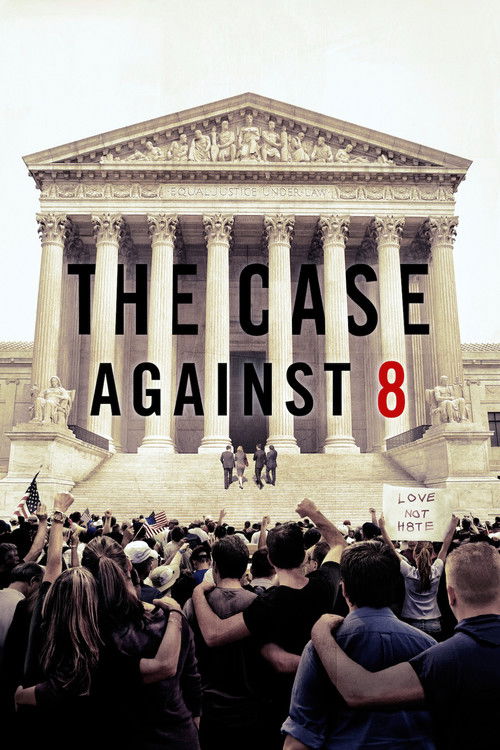
The Case Against 82014
Documentary about the legal fight to overturn Prop 8, following real people through a system designed to silence them. Like Mea Maxima Culpa, it traces power structures and the cost of speaking truth.
But Heavy subject matter. The outcome is known, which some find dulls tension, though the emotional stakes remain piercing.
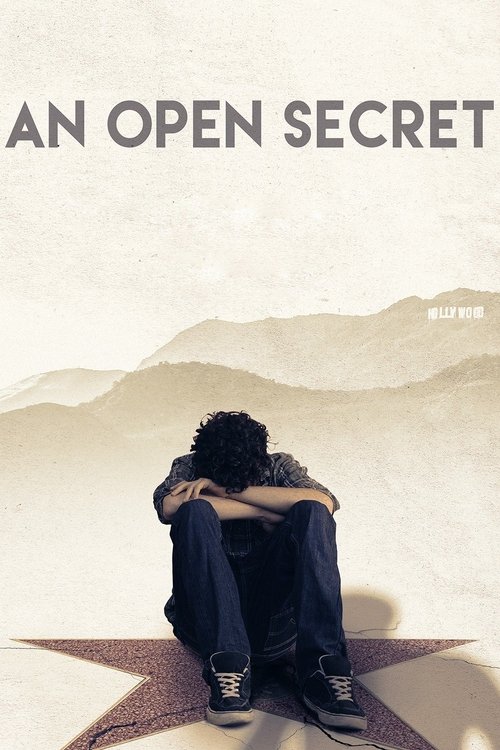
An Open Secret2014
Investigates predatory power in Hollywood using a similar forensic method: survivors' testimonies, institutional denial, money protecting abusers. It shares Gibney's unflinching commitment to making silence impossible.
But Can feel repetitive in its revelations. The scope is broad, which sometimes works against narrative momentum.
Not sure tonight? Get a pick in a minute, starting from Mea Maxima Culpa: Silence in the House of God
The wildcard
Something you would not have found on your own.
The Seventh Seal1957
Both demand an answer from faith institutions that never comes. Both treat silence not as absence but as a choice.
Bergman's medieval plague film engages directly with faith and doubt, suffering and God's silence. Not about abuse, but about the crisis of faith that survivors experience—how can God permit this? How does one live after?
But Entirely in a different register: philosophical, dreamlike, sparse. It's not an investigation; it won't satisfy the appetite for accountability that Gibney provides.

More like this (8)
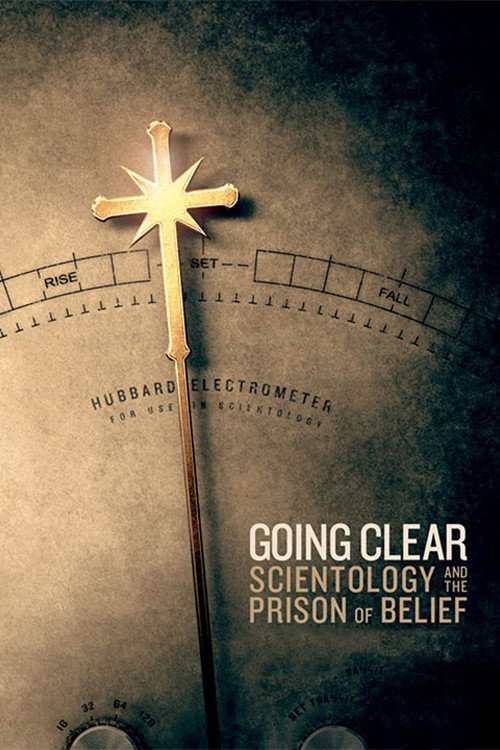
Going Clear: Scientology and the Prison of Belief2015
Another Gibney investigation into institutional corruption and the silencing of victims. Same rigorous method, different apparatus of control. Utterly absorbing.
But Very long and detail-heavy. If you're not drawn to the specifics of Scientology, it can feel exhausting rather than necessary.
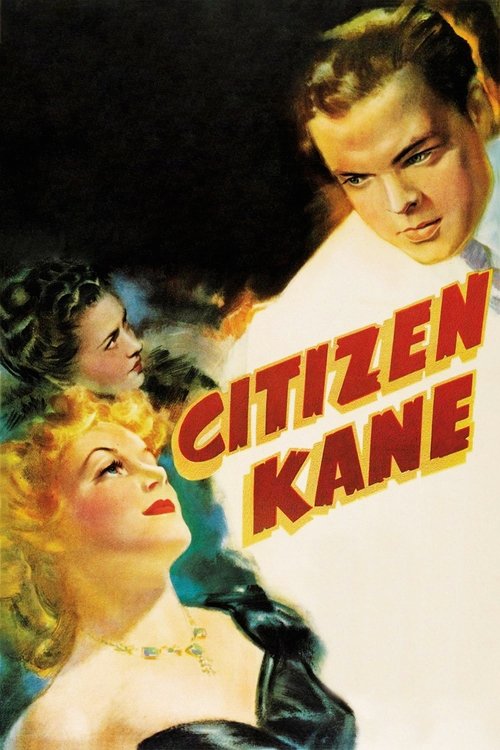
Citizen Kane1941
The DNA of all institutional exposés. Traces how power accumulates and distorts truth; how money silences dissent. A structural ancestor to Gibney's method.
But It's a masterpiece that sometimes feels like homework. The emotional immediacy of modern trauma documentaries isn't here.
The Two Popes2019
Dramatizes the ideological conflict within the Church over abuse and accountability. Gives you the Vatican perspective that Mea Maxima Culpa only hints at; they make a fascinating pair.
But It's diplomatic where the documentary is righteous. Some find the humanizing of institutional actors beside the point when victims are ignored.
Deliver Us from Evil2006
Amy Berg's documentary about Oliver O'Grady, a priest who abused children for decades while the Church moved him between parishes. Pioneering work that Mea Maxima Culpa builds upon.
But It's earlier and less comprehensive. Some feel it lacks the Vatican-level scope that makes Gibney's film so damning.
The Hunting Ground2015
Investigates sexual assault on college campuses and institutional cover-up. Same pattern as Church abuse: power silencing victims, bureaucrats protecting reputation over safety.
But Takes a more polemical tone than some prefer. Critics argue it's advocacy rather than investigation, though that was always partly true.
Filthy Rich2020
Documentary about Jeffrey Epstein, following a similar trail: a predator enabled by wealth and institutional silence. Less directly about cover-up than Mea Maxima Culpa, but the machinery is identical.
But Newer and more sensational. Some find the salacious material overshadows the deeper institutional critique that makes Gibney's film so important.
Winter Light1963
Both ask what the Church owes those who suffer. Both conclude: not enough, and never will.
Bergman again, but more acute: a pastor loses faith while a parishioner begs for help. The Church present but hollow, offering nothing. Brutally short and quiet where Mea Maxima Culpa is expansive and furious.
But Bleak minimalism about spiritual emptiness. If you want investigation and naming, this offers only doubt and darkness. No catharsis, no justice.

Come and See1985
Both document how systems protect their own by destroying witnesses. Both argue that certain silences constitute atrocity.
A Soviet war film following a boy through apocalyptic violence. Not a documentary, but a visceral study of institutions (military, political, ideological) destroying the young and silencing their suffering. A sensory equivalent to what Gibney proves intellectually.
But Brutal, hallucinatory, nightmarishly pessimistic. Not for viewers seeking hope or closure. Very difficult to watch.

People
Cast
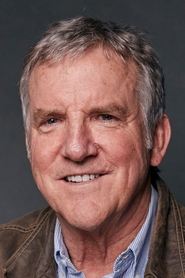 Jamey SheridanTerry (voice)
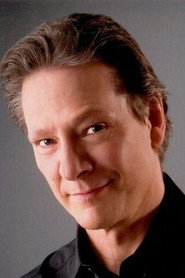 Chris CooperGary (voice)
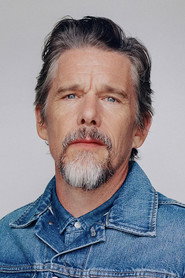 Ethan HawkePat (voice)
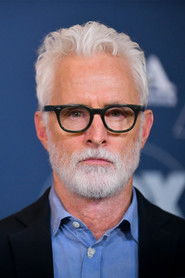 John SlatteryArthur (voice)
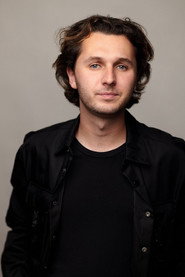 Brady BrysonDeaf Child
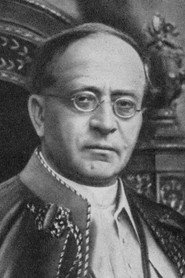 Pius XI.Self (archive footage)
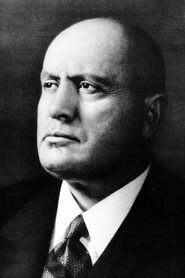 Benito MussoliniSelf (archive footage)
- Rembert WeaklandSelf - Archbishop of Milwaukee, 1977-2002
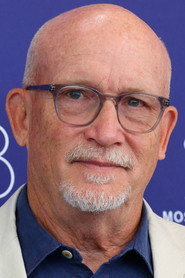 Alex GibneySelf - Narrator (voice)
Directing
- Alex GibneyDirector
Writing
- Alex GibneyWriter
Production
- Isaac GardnerArt Department Production Assistant
- Sloane KlevinCo-Producer
- Jessica KingdonExecutive Producer
- Lori SingerExecutive Producer
- Sheila NevinsExecutive Producer
- Alex GibneyProducer
- Alexandra JohnesProducer
- Jedd WiderProducer
- Kristen VaurioProducer
- Todd WiderProducer
- Sara BernsteinSupervising Producer
Recommended by
The Keepers, Jonestown: The Life and Death of Peoples Temple, Deliver Us from Evil, The Last Place on Earth