
Film
The Last Place on Earth
A sobering immersion in Sumatra's Leuser Ecosystem, following activists fighting illegal deforestation to protect one of Earth's last wild places. It's a documentary that watches you as much as you watch it—intimate, urgent, and uncompromising about what's at stake. For anyone who loves nature, political cinema, or stories of people choosing principle over safety.
If you liked this
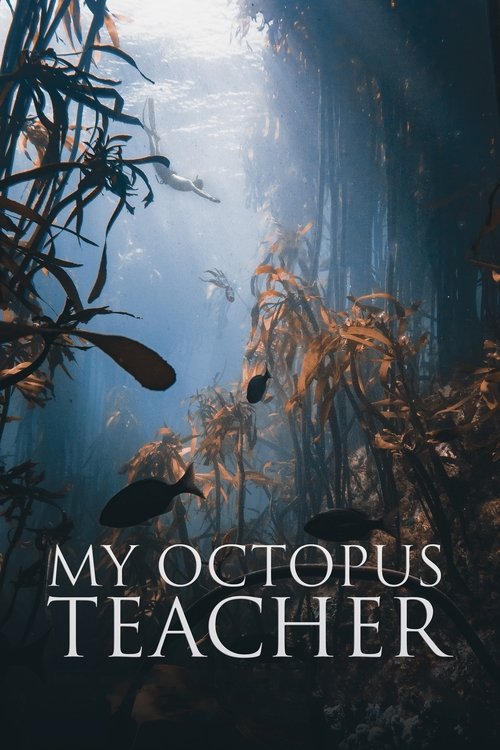
My Octopus Teacher2020
A filmmaker finds profound connection with an octopus in the South African kelp forest. It's meditative, visually stunning, and genuinely moving—proof that intimacy with nature can transform you.
But Some find the personal narrative self-indulgent, and the pacing won't suit anyone wanting urgency or action.
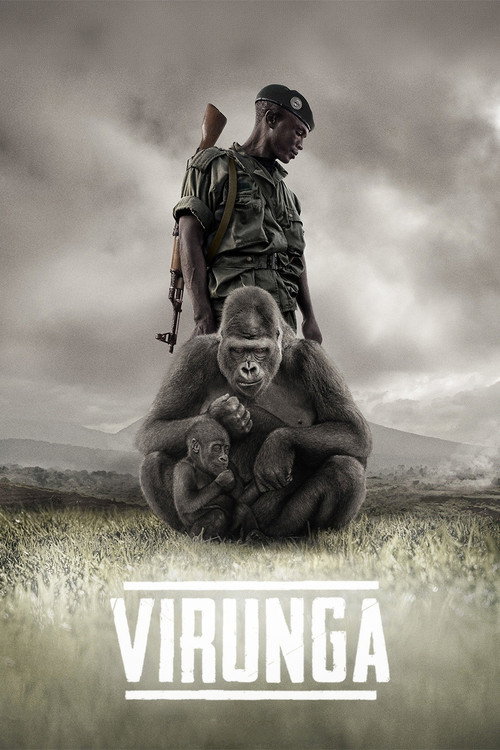
Virunga2014
Rangers defend a Congolese national park from armed militias and oil companies. Visceral, angry, and nail-bitingly tense—this is activism as thriller, with stakes that feel real because they are.
But The violence and corruption depicted are relentless and exhausting. It doesn't offer catharsis or a neat resolution.
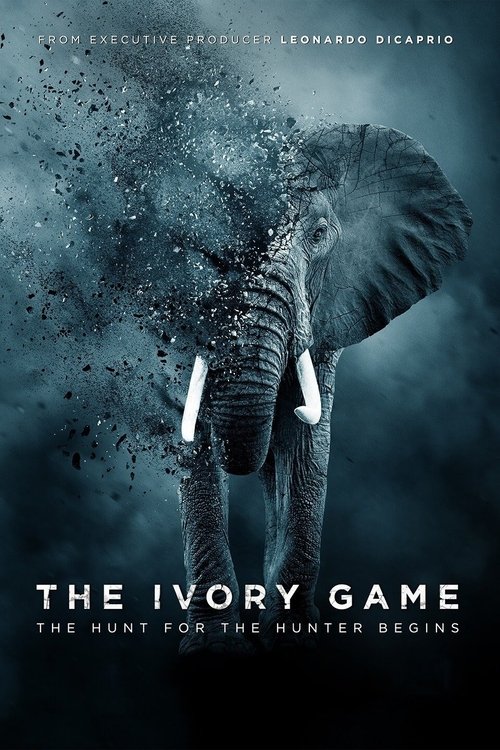
The Ivory Game2016
Inside the fight to stop elephant poaching, navigating competing interests and uncomfortable truths. Smart, propulsive, and surprisingly nuanced about the people on all sides of conservation.
But Some critics found it too sympathetic to industry figures. It prioritizes complexity over moral clarity.
Not sure tonight? Get a pick in a minute, starting from The Last Place on Earth
The wildcard
Something you would not have found on your own.
Stalker1979
Both use wilderness—real or imagined—as a space where human values are tested and revealed. The zone functions like the forest: a place where you confront what you actually believe.
Tarkovsky's meditative science fiction about a guide leading two men through a mysterious zone. Formally patient and philosophically dense, it's about desire, meaning, and what we'll risk for salvation—spiritual yearning disguised as a journey.
But It's deliberately slow, often static, and demands active surrender from the viewer. Running time over 160 minutes with dialogue-heavy scenes will test commitment severely.

More like this (7)
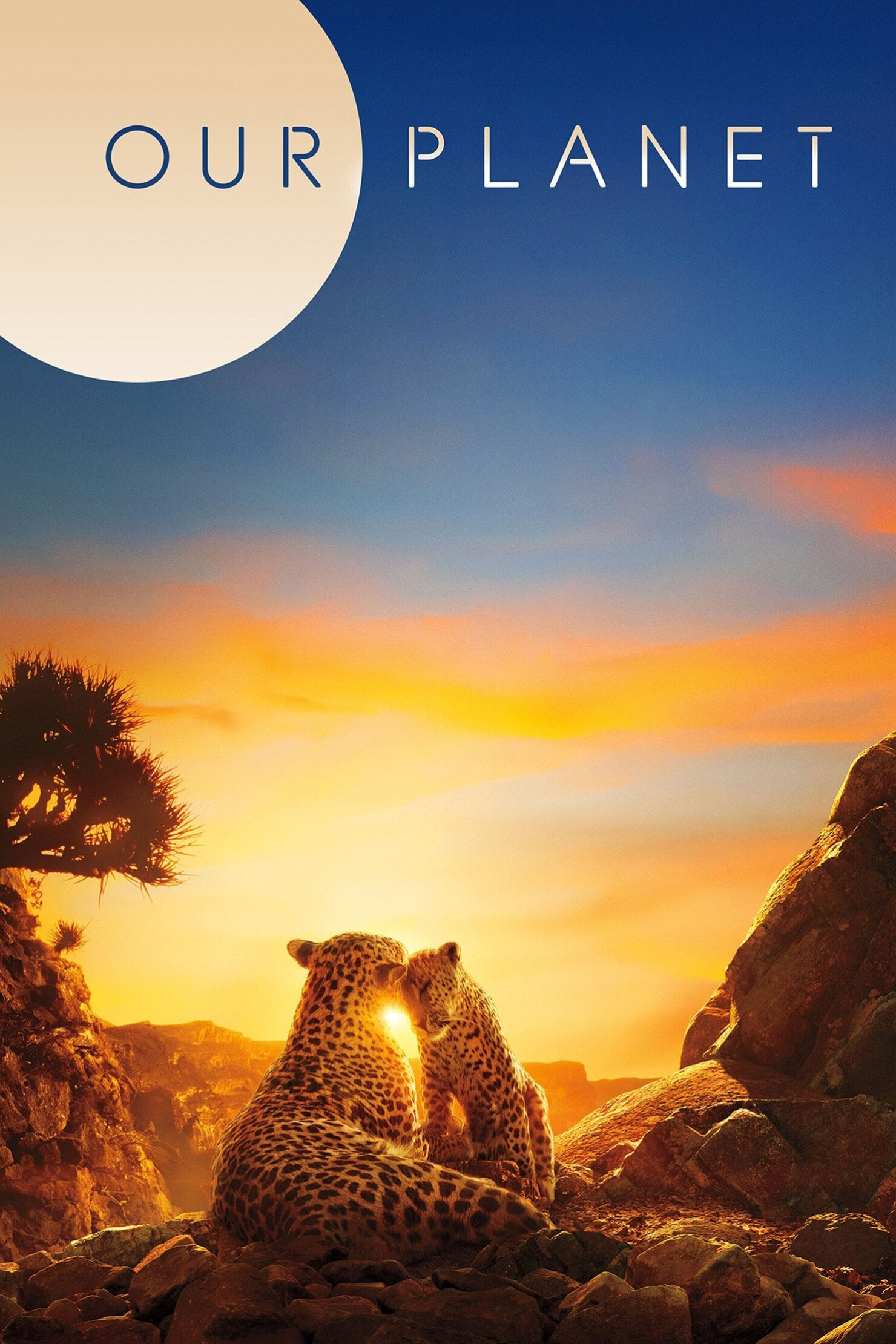
Our Planet2019
Breathtaking cinematography of the world's ecosystems, from Arctic ice to tropical rainforests. David Attenborough's narration makes it both beautiful and a reckoning with what we're losing.
But The spectacle can feel designed to comfort rather than demand action. Some sequences are manipulated for emotional effect.
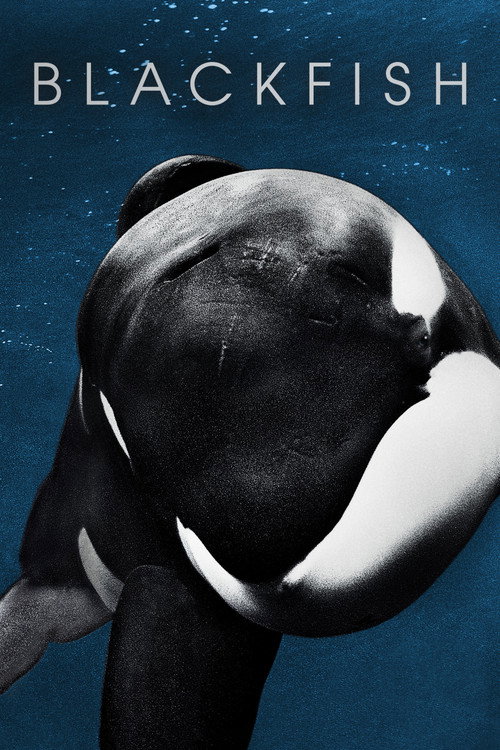
Blackfish2013
An investigation into orca captivity that spirals into something larger about power, complicity, and how we rationalize cruelty. Formally inventive and genuinely infuriating.
But The editing is sometimes one-sided, and SeaWorld's perspective is largely excluded. It's advocacy more than journalism.
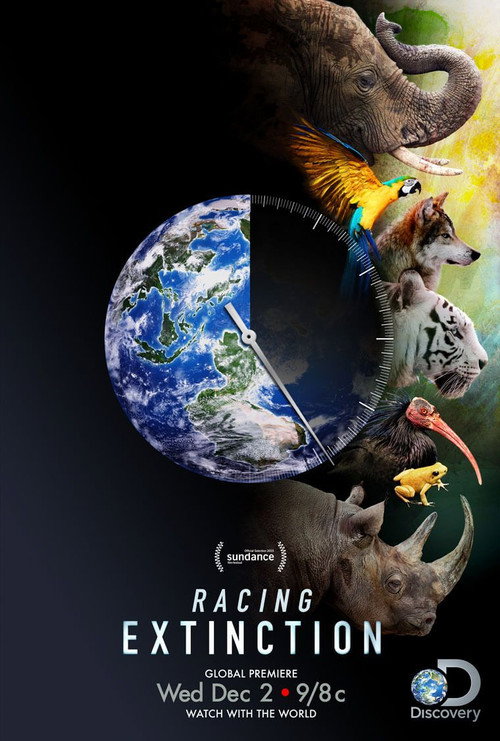
Racing Extinction2015
Visually stunning investigation into species disappearing faster than science can document. It spans continents and connects climate, poaching, and consumption in ways that feel urgent and interconnected.
But The scope is overwhelming rather than clarifying. It can feel like everything is falling apart with no coherent path forward.
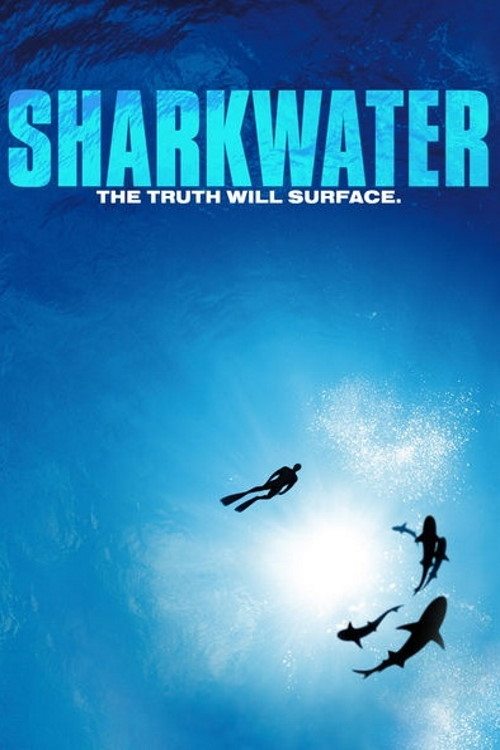
Sharkwater2006
Rob Stewart's impassioned documentary about shark finning became a call to action. Beautifully shot underwater sequences and genuine investigative journalism that changed policy.
But The personal stakes dominate, which some find distracting. It's less rigorous analysis than righteous anger, and that's the point.
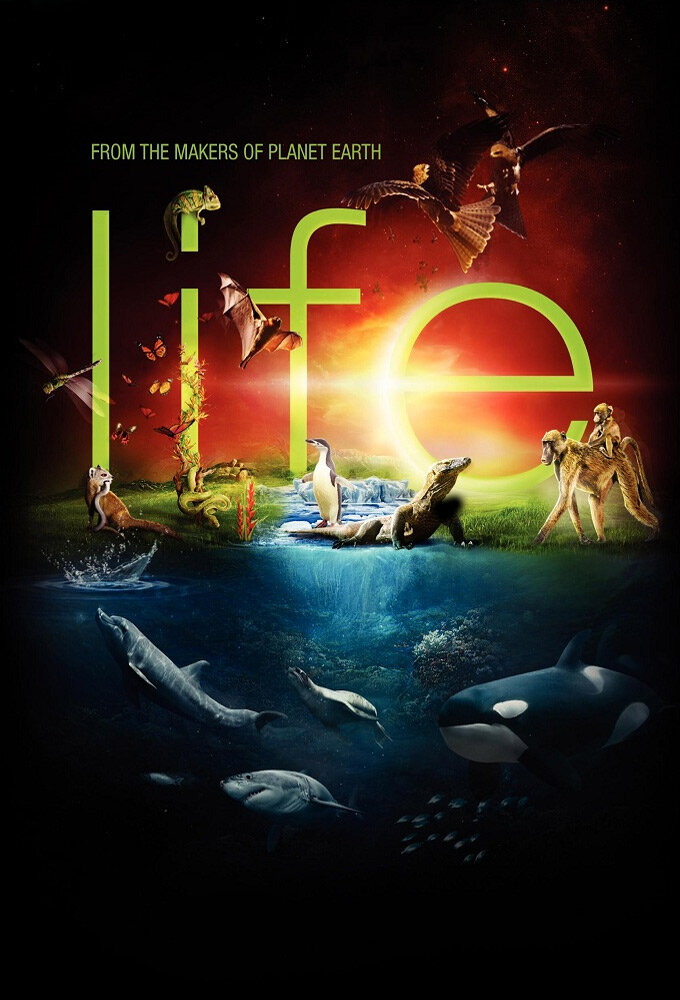
Life2009
Each episode isolates a survival strategy—how octopi hunt, how birds migrate, how armies cooperate. Absolutely gorgeous, endlessly clever, and makes you see animal behaviour as problem-solving we've never considered.
But It's more spectacle than story. The narration can feel detached, and there's minimal engagement with conservation or threat.
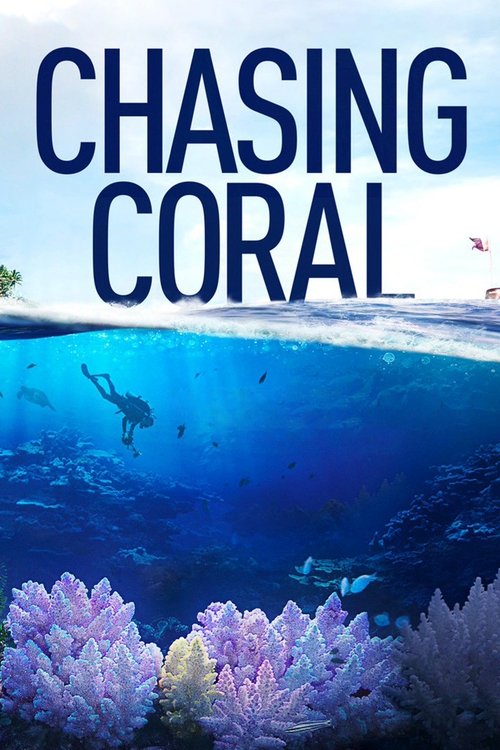
Chasing Coral2017
Underwater cinematographers document the 2016 coral bleaching event in real time. Technically audacious, genuinely haunting, and makes the invisible visible in ways that matter.
But The urgency and visual devastation are relentless. Some find the emotional register exhausting rather than galvanizing.
Mea Maxima Culpa: Silence in the House of God2012
Both document the systemic destruction of something irreplaceable—forests or innocence—by institutions that prioritize profit and power over accountability. Both follow witnesses brave enough to name what others ignore.
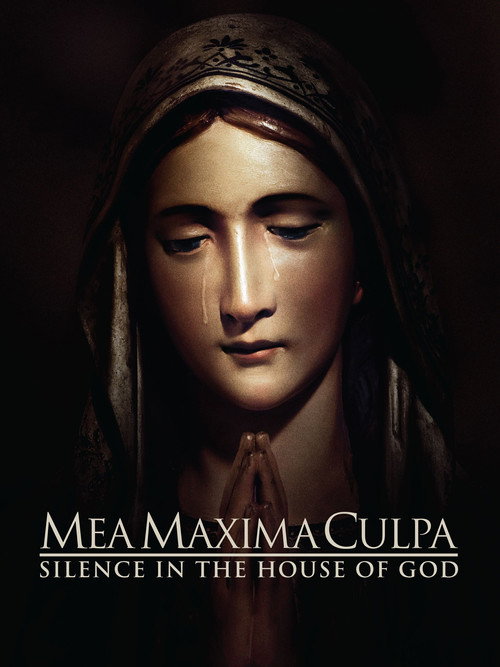
Alex Gibney's investigation into Catholic Church sexual abuse told through the voices of deaf victims whose assaults were compounded by silence and institutional protection. Formally inventive, morally clear, and uses testimony as an act of reclamation.
But The subject matter is graphic and traumatic. The film's anger is uncompromising and won't provide comfort or redemption narratives.
People
Directing
- David Booth GardnerDirector
Writing
- David Booth GardnerWriter