
Film
Deliver Us from Evil
Other titles called Deliver Us from Evil: the 2014 film, the 2020 film.
- Crime
- Very dark
Amy Berg's investigation into Father Oliver O'Grady and the institutional rot that enabled him is a meticulously assembled indictment. It sits with victims, confronts the subject, and traces how the Church moved a serial abuser between parishes for decades. Difficult, necessary, and constructed like a thriller—but the stakes are children's lives.
Should you watch it?
Watch it if you want a clear-eyed investigation of how an institution shielded its own, and you can sit with testimony that refuses to look away.
Skip it if the subject is child sexual abuse, told through survivors and an unsettling interview, so if you need distance or relief from heavy material, this will land hard.
What it asks of you: Roughly a hundred minutes, with long stretches of direct testimony and a slow, deliberate build that rewards steady attention rather than skimming.
Not sure? Find tonight's pick in a minute.
If you liked this
Spotlight2015
Another methodical investigation into Catholic Church abuse, this one following Boston Globe reporters. It shares Deliver Us from Evil's method: patient interviewing, institutional follow-the-money, the power of documentation. Gripping and enraging in equal measure.
But It's a conventional procedural drama with movie-star turns. If you want raw testimony and direct confrontation, the fiction frame might feel like it's softening things.

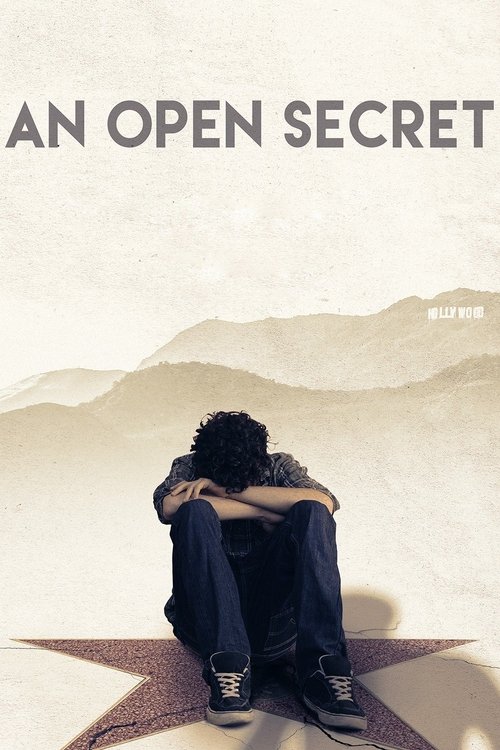
An Open Secret2014
Documentary about predatory behaviour in Hollywood's youth industry. Same investigative rigour, same institutional complicity, same buried victims. It's methodical and harrowing without sensationalism. Direct and unflinching.
But Less focused and less cinematically satisfying than Spotlight. Some may find it repetitive in structure or frustratingly inconclusive in places.
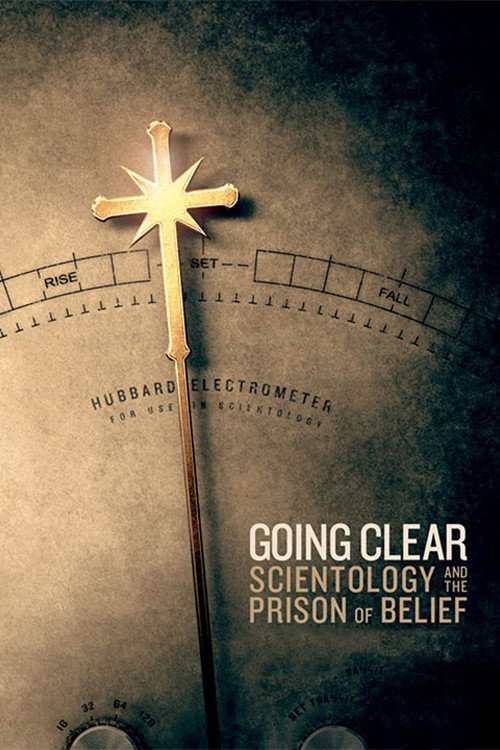
Going Clear: Scientology and the Prison of Belief2015
Alex Gibney doc examining another insular institution's abuse of power and silencing of victims. Similar architecture: interviews, documents, institutional behaviour patterns. Meticulously constructed argument disguised as testimony.
But At two hours-plus, it's dense with information. Some viewers find Gibney's style didactic, and the subject matter is thematically relentless.
Not sure tonight? Get a pick in a minute, starting from Deliver Us from Evil
The wildcard
Something you would not have found on your own.
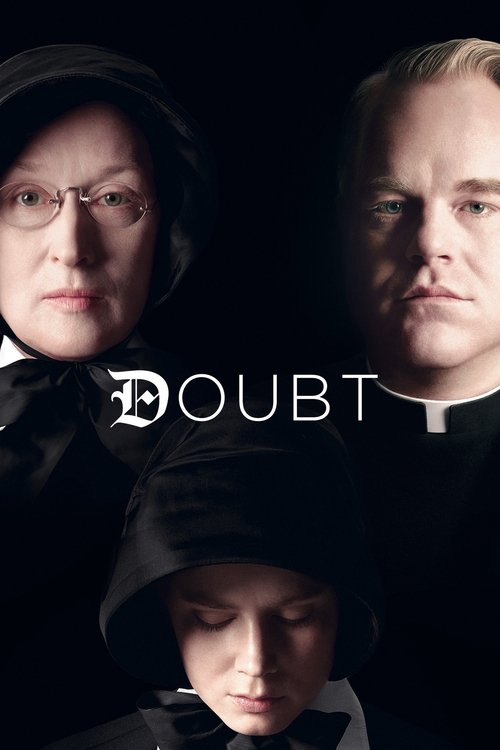
Doubt2008
Both examine how institutions protect abusers not through conspiracy but through structure—how belief systems and authority create conditions where harm flourishes quietly.
Meryl Streep and Philip Seymour Hoffman spar over whether a priest has abused a boy—but the film refuses to give you certainty. It's about the impossibility of knowing within institutions built on trust. A moral thriller about accusation, faith, and institutional protection.
But It's deliberately ambiguous in ways that may feel evasive if you want clear answers. Some find it cold or frustratingly withholding. The pace is theatrical and slow.
More like this (8)
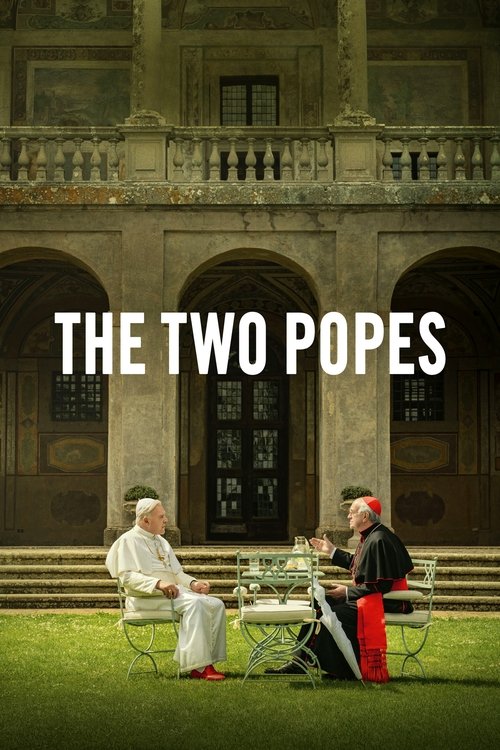
The Two Popes2019
A dramatised dialogue between Benedict XVI and his successor about faith, doubt, and institutional failure. Thoughtful counterpoint to Deliver Us from Evil—exploring the interior crisis for those who stayed within the system.
But It's speculative drama, not investigation. Some feel it's too sympathetic to the Church's perspective, or that it intellectualises what should remain visceral.
Mea Maxima Culpa: Silence in the House of God2012
Another Alex Gibney doc, this one centred on deaf boys abused by a priest in Wisconsin. Like Berg's film, it privileges victim voices and traces institutional obfuscation. Quieter than Deliver Us, but somehow more devastating.
But The focus on one abuse case means less breadth. Some find Gibney's pacing glacial, and the subject matter is almost unbearably sad.

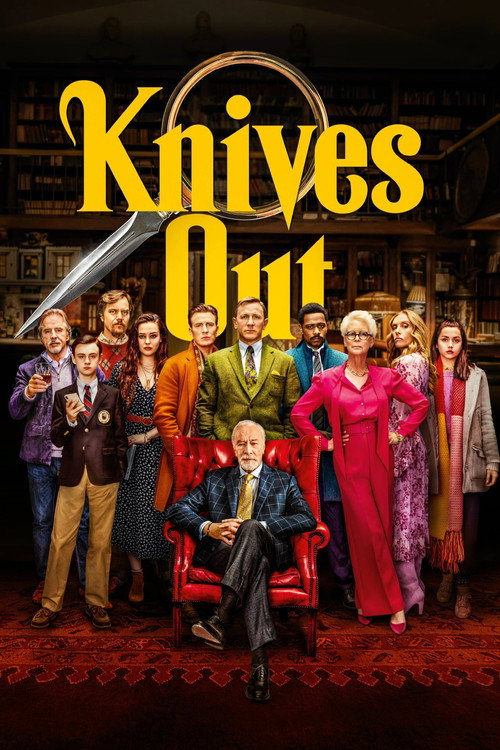
Knives Out2019
A locked-room mystery where meticulous investigation and interviews gradually reveal institutional corruption and complicity. It's about power, lies, and how structures protect the guilty. Genre-different but structurally satisfying.
But It's a whodunit, not a documentary. If you're looking for real testimony or real stakes, the fiction will feel trite or distancing.
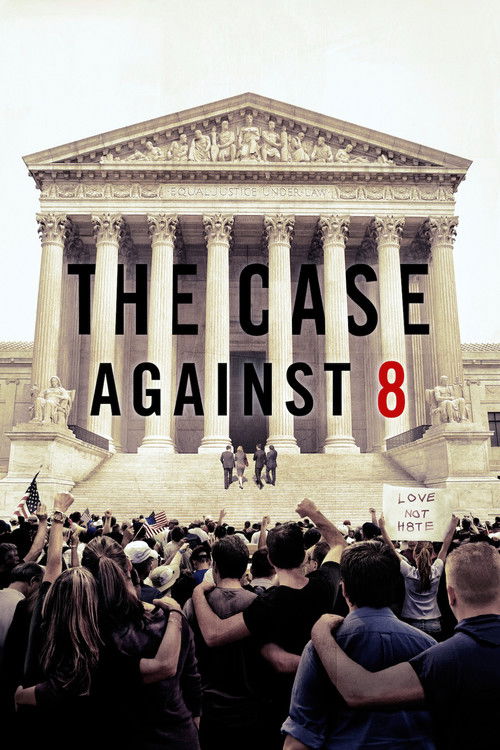
The Case Against 82014
Documentary following a legal challenge to California's same-sex marriage ban. Shares Berg's interest in institutions failing their members and the power of testimony from those harmed. Rigorous and hopeful.
But The subject matter is entirely different and the tone is ultimately hopeful—some may feel the emotional weight doesn't match Deliver Us from Evil.
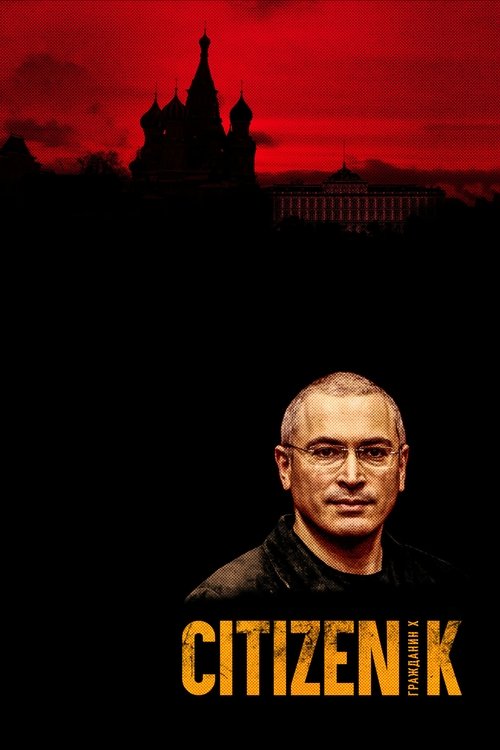
Citizen K2019
Gibney's portrait of a Russian oligarch and the systems that made him. Similar investigative structure, similar institutional critique, similar moral ambiguity. Fascinating parallel study of power and complicity.
But The subject is morally complicated in ways that may feel abstract compared to the direct harm in Deliver Us from Evil. It's also quite long and sometimes digressive.
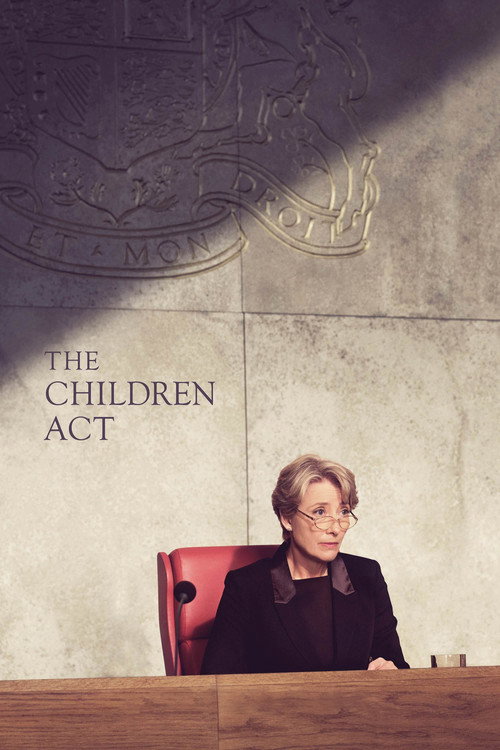
The Children Act2018
Fiona Headey plays a judge navigating competing institutional claims in a religious family case. It's a fiction that seriously engages with how law, faith, and harm intersect. Thoughtful and understated.
But It's intimate rather than investigative, and the drama is internal. If you want external accountability and documentary evidence, it will feel too quiet.
The Act of Killing2012
Both trust that testimony—allowing perpetrators to speak—can reveal institutional evil. But where Berg uses O'Grady's words against him, Daan Golan asks whether showing power what it looks like can ever dismantle it.
An Indonesian doc where the filmmaker interviews death squad executioners about their crimes, asking them to re-enact murders. Utterly unique: instead of confronting evil with evidence, it asks murderers to show themselves to themselves. Philosophically and morally vast.
But It's extremely difficult to watch—graphic, surreal, sometimes obscene. The method is controversial; some feel it gives perpetrators a platform. It requires active moral thinking from the viewer.

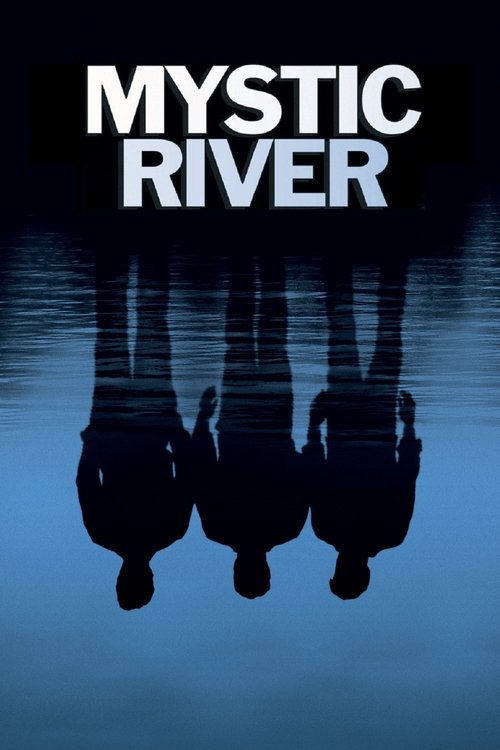
Mystic River2003
Both insist that understanding abuse means understanding the systems that contain it. Where Deliver Us from Evil traces the Church's structure, Mystic River traces how trauma architecture survives in all systems. Same skeleton in different clothes.
Clint Eastwood's noir about three men investigating a murder, each carrying childhood trauma. It's fiction, but it's a precise study of how abuse echoes through institutions (friendship, family, police) and how survivors and perpetrators are often structurally indistinguishable.
But It's dark genre cinema, not testimony. The moral ambiguity may feel like evasion if you want clarity. Some find the film-school fatalism self-indulgent.
People
Cast
- Oliver O'GradyHimself
- Thomas P. DoyleHimself
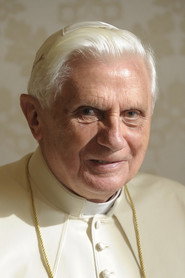 Benedict XVIHimself (archive footage)
- AdamHimself
- Monsignor CainHimself (archive footage)
- Jane DegrootHerself
- Ann Marie JyonoHerself
Directing
- Amy J. BergDirector
Writing
- Amy J. BergWriter
Production
- Amy J. BergProducer
- Frank DonnerProducer
Recommended by
Spotlight, Shakespeare Behind Bars, One Nation Under God, Hell House, Mea Maxima Culpa: Silence in the House of God, NAZA, After Tiller