
Film
NAZA
NAZA is an 80-minute documentary featuring testimony from Israeli insiders who designed and operated the systems enabling mass civilian casualties in Gaza. Shot through nighttime rooftop conversations in Tel Aviv, it offers rare access to architects of policy speaking on record. Essential viewing for understanding the mechanics of state violence, though emotionally punishing.
Should you watch it?
Watch it if you want to understand how the killing was organized, and you can sit with a hard, unhurried conversation film that follows the logic instead of soothing you.
Skip it if you need a sweeping, cinematic documentary with varied locations and visual play; this is talk-driven, built on shadowy rooftop conversations, and its intimacy may feel thin.
What it asks of you: Eighty minutes of close, low-lit talk with little relief, so arrive ready to listen closely and stay with discomfort without a clear emotional exit.
Not sure? Find tonight's pick in a minute.
If you liked this
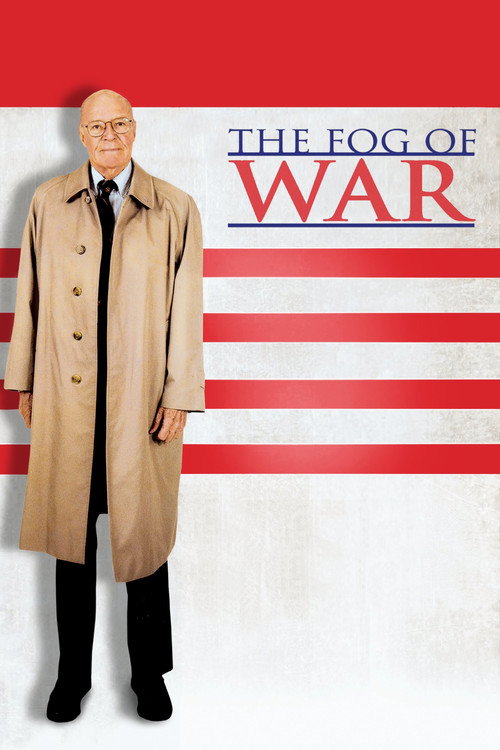
The Fog of War2003
Errol Morris documents Robert McNamara's frank reflection on Vietnam decision-making. Like NAZA, it captures powerful figures grappling with the consequences of systems they built, rendered in intimate, unavoidable terms.
But McNamara's retrospective distance can feel like a deflection. Some find the film's formal elegance obscures rather than clarifies moral reckoning.
The Act of Killing2012
Asks Indonesian death squad leaders to stage and watch recreations of the killings they committed. Documents rationalization, pride, and denial in real time. A devastating portrait of conscience absent.
But The recreation sequences can feel manipulative. Some viewers find the filmmaking technique disrespects victims by aestheticizing atrocity.

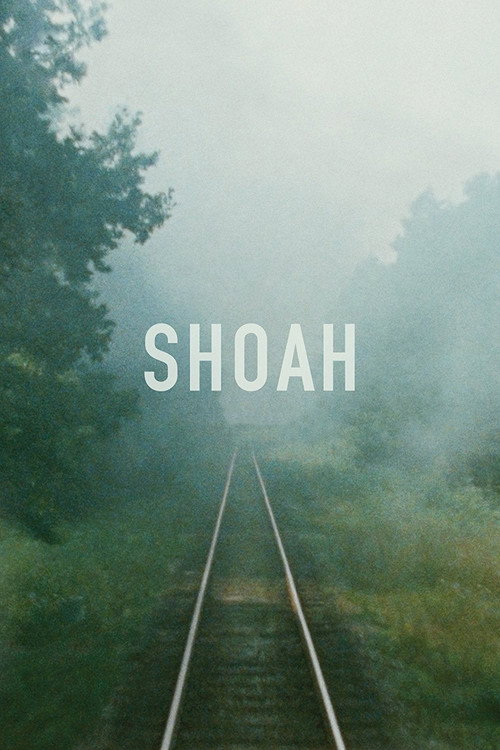
Shoah1985
Lanzmann's nine-hour testimony-based film captures Holocaust perpetrators and survivors in unguarded moments. Systematic in its approach to understanding bureaucratized genocide—foundational precedent for films like NAZA.
But Nine hours is a genuine commitment. Long silences and repetition test patience, though that is precisely the point.
Not sure tonight? Get a pick in a minute, starting from NAZA
The wildcard
Something you would not have found on your own.
Night and Fog1956
Both films use architectural and spatial testimony—Resnais through abandoned sites, NAZA through rooftops and systems—to make visible the infrastructure of mass killing. Both treat spaces as evidence.
Alain Resnais' 32-minute film intercuts Nazi concentration camp footage with contemporary (1950s) images of the empty sites. The moral weight comes from what's absent—the gap between documentation and presence. A foundational work on how cinema witnesses genocide.
But In color and black-and-white, some sequences are viscerally disturbing. The formal beauty can feel unseemly given subject matter, though that tension is intentional.
More like this (4)
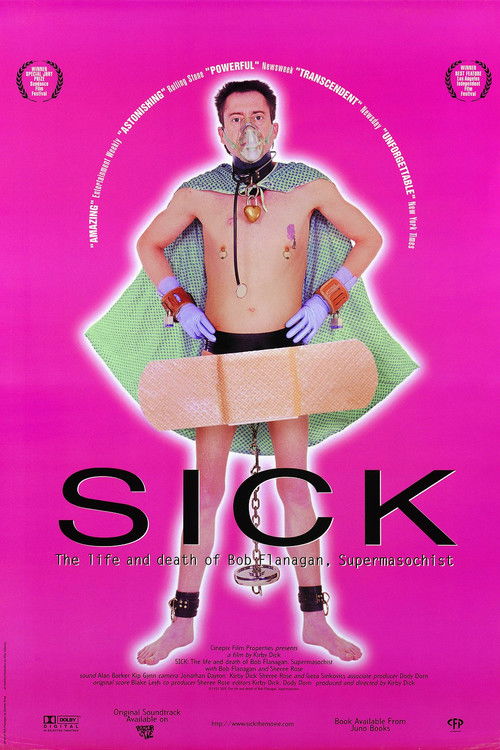
Sick: The Life and Death of Bob Flanagan, Supermasochist1997
Kirby Dick's documentary watches someone weaponize pain against their own body. Uncommon access to self-aware rationalization of self-destruction. Shifts how you think about consent, control, and the systems we build around suffering.
But Extremely graphic depictions of self-harm and bodily trauma. Difficult to watch even for viewers comfortable with difficult documentaries.
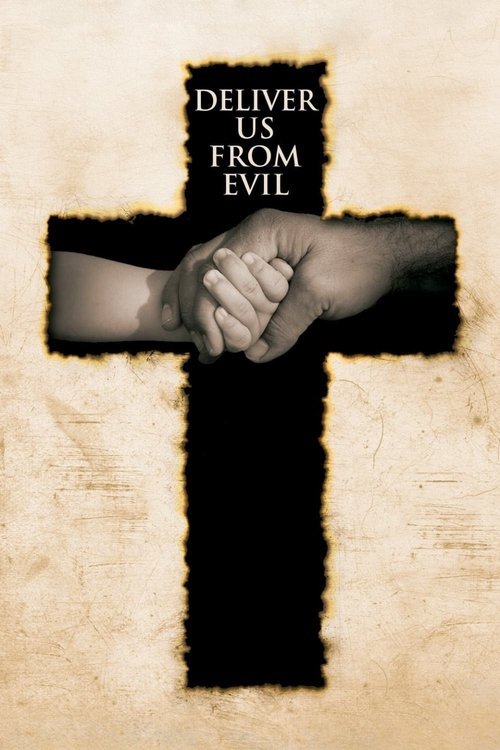
Deliver Us from Evil2006
Amy Berg's investigation of child abuse in the Catholic Church centers on the systems that protected abusers. Bureaucracy, rationalization, institutional loyalty—the framework of how harm gets perpetuated from above.
But Focuses on victims' testimonies, which can be triggering. The systemic nature of the story sometimes edges out individual accountability.
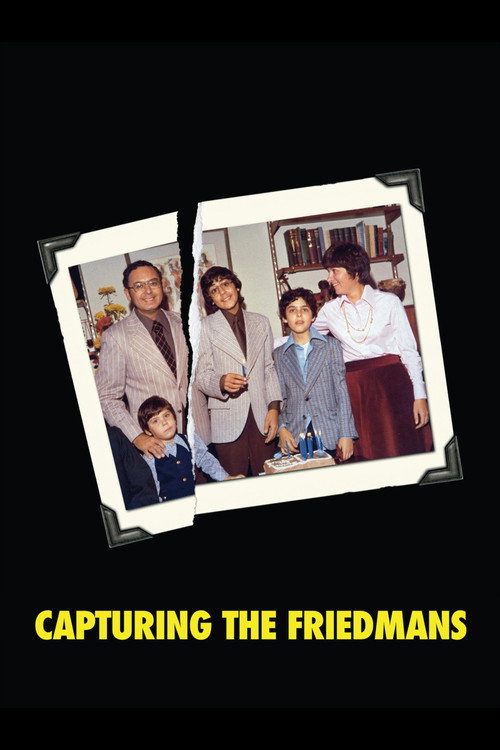
Capturing the Friedmans2003
Verite documentary of a family destroyed by accusations of child abuse. Fragmentary, contradictory, forces you to construct truth from competing narratives. Raises questions about certainty that documentaries like NAZA must also grapple with.
But The ambiguity about what actually happened frustrates some viewers. It's a film that withholds rather than answers.
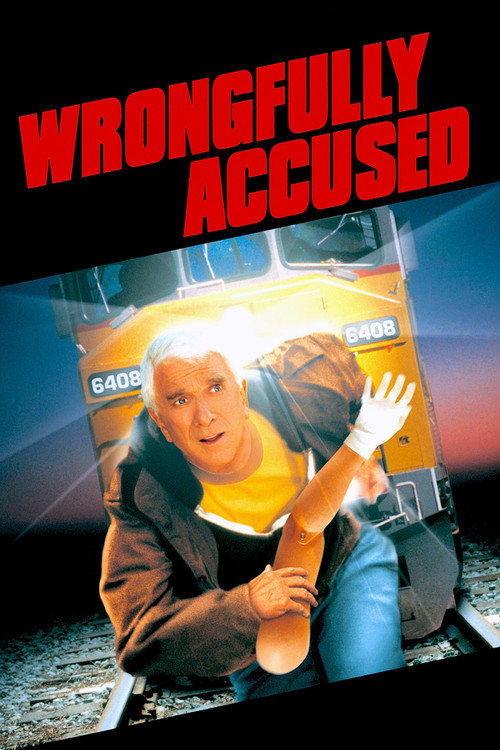
Wrongfully Accused1998
German documentary featuring interviews with men accused of Nazi war crimes, now elderly. Their attempts at justification and forgetting. A historical parallel to understanding how perpetrators rationalize decades later.
But Difficult to source in quality restoration. Limited theatrical distribution means you may need to hunt for it.
People
Cast
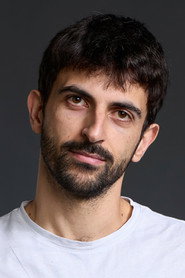 Yuval AbrahamSelf
Directing
- Rachel SzorDirector
- Yuval AbrahamDirector
Production
- Ekaterina OchagaviaCo-Producer
- Noa YachotCo-Producer
- Harriet GugenheimExecutive Producer
- Jonathan GlazerExecutive Producer
- Joseph SchullExecutive Producer
- Wendy Vanden HeuvelExecutive Producer
- Harry DaviesProducer
- James WilsonProducer
- Lindsay PoultonProducer