
Film
Shakespeare Behind Bars
Shakespeare Behind Bars follows incarcerated men in Kentucky who form a Shakespearean theatre company, discovering dignity, accountability, and transformation through performing the Bard's works. It's a documentary about redemption that takes both Shakespeare and the men seriously—no easy answers, no sentimentality. For anyone curious about rehabilitation, art's power, or whether people can change.
Should you watch it?
Watch it if you like documentaries that let people speak for themselves and watch a rehearsal room slowly turn into a place of trust, where the craft of verse matters as much as the stakes.
Skip it if you want a tightly plotted drama or a film that moves quickly; the camera mostly sits in rooms while men rehearse and talk, so the pace is patient.
What it asks of you: Ninety-three minutes of close, unhurried attention: long stretches of rehearsal and conversation, with its emotional weight arriving quietly rather than in big set pieces.
Not sure? Find tonight's pick in a minute.
If you liked this
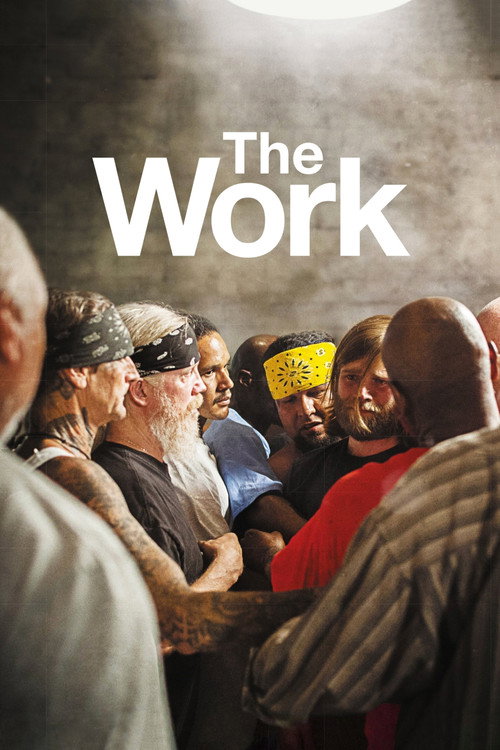
The Work2017
Documentary following emotional encounter groups inside a California prison where inmates, guards, and civilian visitors confront trauma and accountability together. Raw, unguarded, unforgettable—it trusts the audience to sit with discomfort.
But Nearly three hours of confrontational therapy can feel overwhelming or exhausting rather than cathartic, depending on your tolerance for intense emotional exposure.
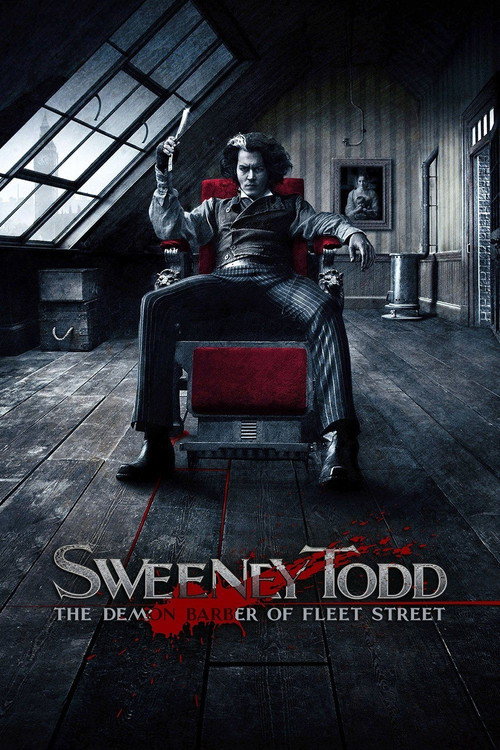
Sweeney Todd: The Demon Barber of Fleet Street2007
Documentary about a veteran Shakespeare teacher bringing the plays to maximum-security prisoners in Texas. Examines how classical literature becomes a mirror for examining choices, guilt, and identity inside prison.
But Slower-paced and less dramatically shaped than conventional docs; it feels like time spent rather than story consumed.
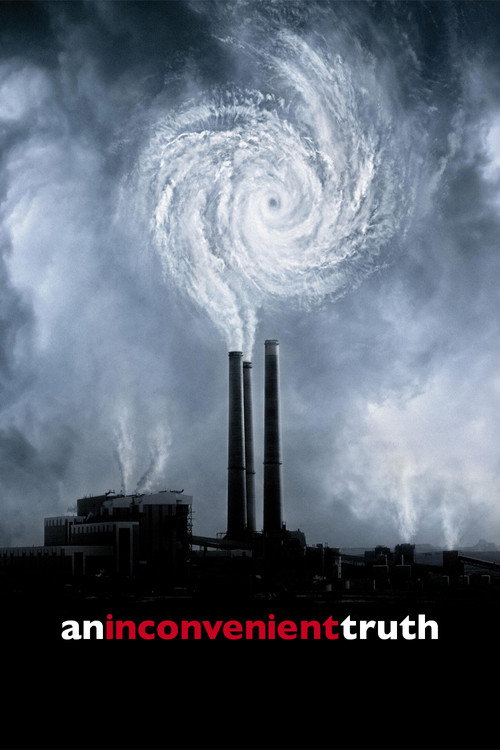
An Inconvenient Truth2006
If you're interested in documentaries that aim for real change, this Al Gore climate doc was the template—committed, urgent, trying to move an audience toward action.
But Much of the predicted timeline proved inaccurate. The rhetorical strategy can feel manipulative on rewatching, even about a genuine crisis.
Not sure tonight? Get a pick in a minute, starting from Shakespeare Behind Bars
The wildcard
Something you would not have found on your own.
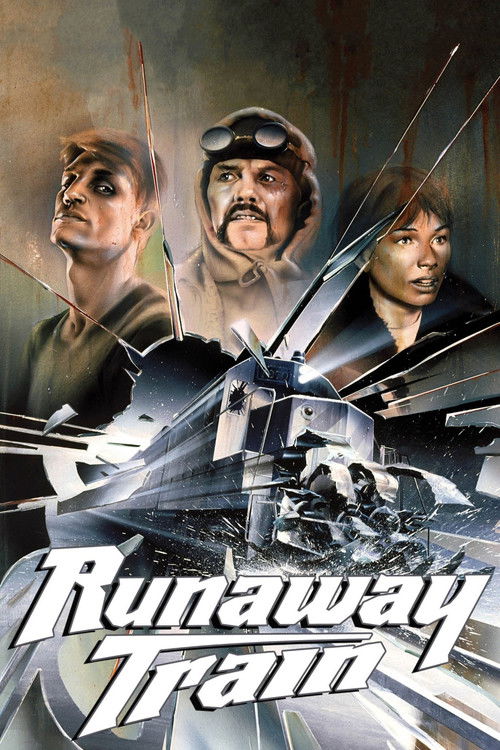
Runaway Train1985
Both explore whether incarcerated people can change trajectory or whether momentum (circumstance, choice, law) is inescapable. One through Shakespeare, one through train physics.
Action thriller where two escaped convicts hijack a train. Sounds pulp; it's actually a meditation on fate, control, and whether freedom means escape or something else entirely. Jon Voight is magnificent.
But The action momentum can feel at odds with the philosophical questions it's asking. Tonally uneven in ways some find frustrating rather than interesting.
More like this (7)
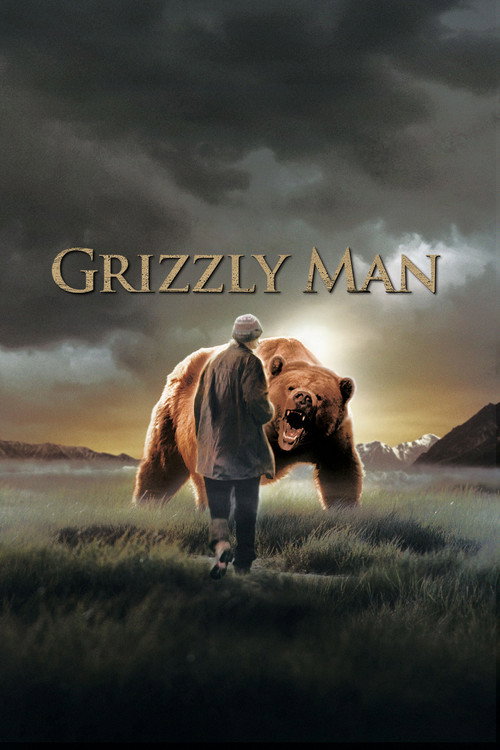
Grizzly Man2005
Werner Herzog documentary about a man obsessed with bears in Alaska. A study of devotion, delusion, and how art (and obsession) can destroy or redeem. Mesmerizing and troubling.
But The ending is real tragedy, not transformation. Herzog's narration can feel condescending toward his subject, which some find morally uncomfortable.
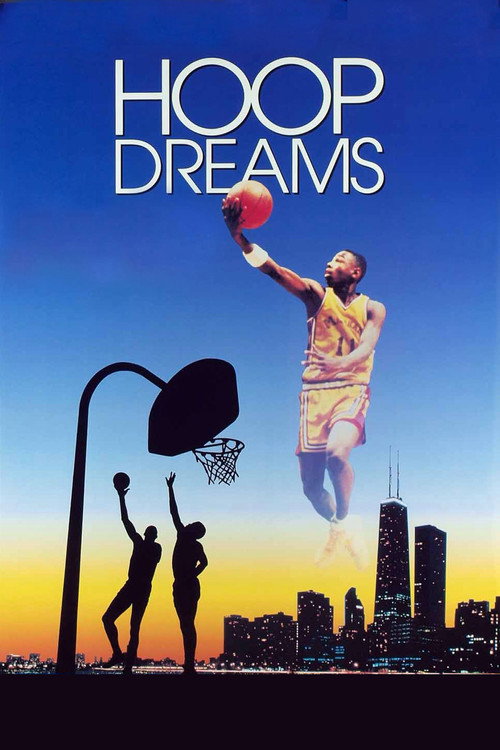
Hoop Dreams1994
Landmark documentary following two basketball-loving teenagers through high school and into college. A masterclass in long-form observation that trusts the camera and the subjects.
But At three hours and shot on video, it demands patience. The payoff isn't resolution—it's understanding. That's not for everyone.
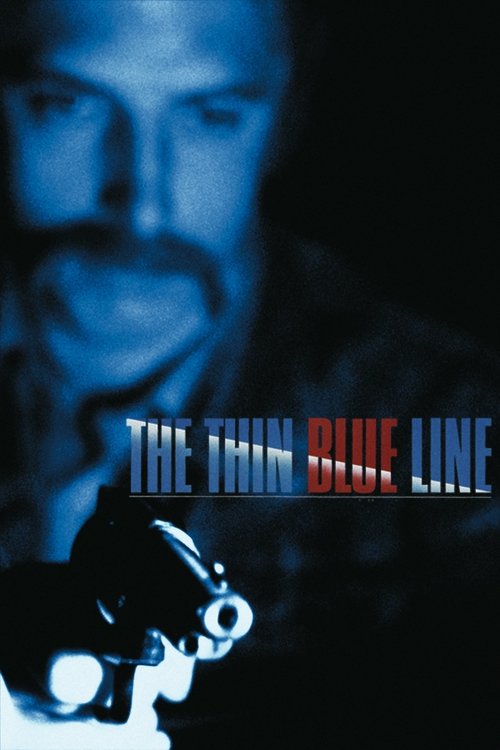
The Thin Blue Line1988
Errol Morris investigates a murder conviction, using stylized reconstruction and music to explore how justice can fail. Brilliant, tense, genuinely pivotal documentary.
But The subject matter (a wrongful conviction and murder) is inherently grim. The tone can feel somewhat detached from the human cost.
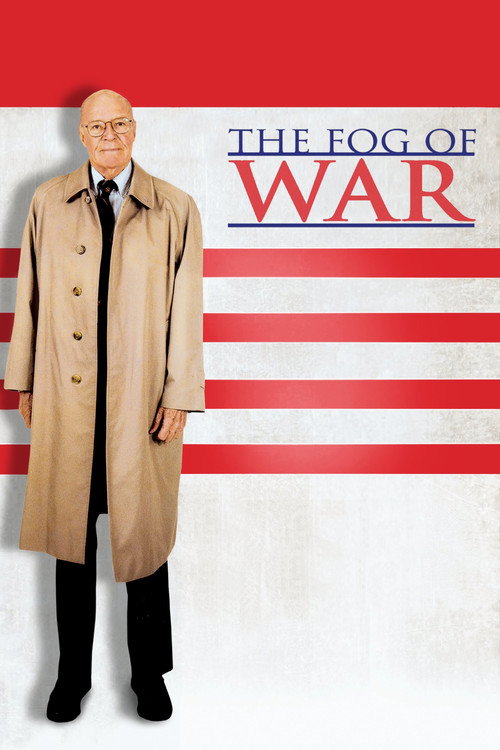
The Fog of War2003
Robert McNamara reflects on his role in Vietnam and other Cold War decisions. A meditation on power, regret, and the distance between intention and consequence.
But Some find McNamara's reflections insufficient given the scale of suffering, or feel the film is too sympathetic to an architect of war.
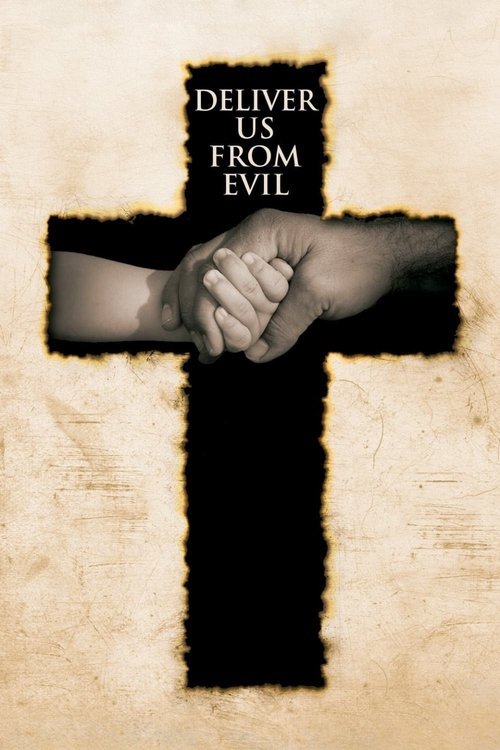
Deliver Us from Evil2006
Documentary investigation into priest abuse in the Catholic Church. Rigorous, thorough, and angry in exactly the right measure. Made the year of Shakespeare Behind Bars—part of a wave questioning institutions.
But Deeply disturbing subject matter handled without flinching. The trauma documented is real and cumulative; the film doesn't offer false comfort.
Synecdoche, New York2008
Both use theatrical performance as a tool for understanding oneself and one's past. But where Shakespeare Behind Bars finds redemption through speaking others' words, this finds dissolution through making your own.
Charlie Kaufman's only feature directing effort: a theatre director creates an enormous replica of New York inside a warehouse to stage his life. Fractured, hallucinatory, brilliant about art as transformation and self-deception.
But Deliberately confusing, tonal whiplash, emotionally punishing. If you want clarity or comfort, this obliterates both. It's a maze that doesn't have a solution.

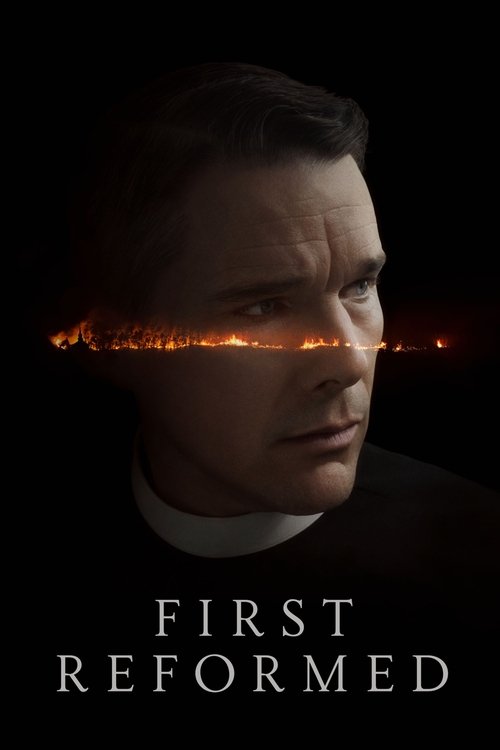
First Reformed2018
Both confront whether systems (prison, church) and institutions (Shakespeare, faith) can genuinely transform people or merely contain their suffering.
Paul Schrader film about a minister wrestling with faith, despair, and whether faith can change anything. Quietly apocalyptic, morally serious, searching for grace where it doesn't obviously exist.
But Bleak, slow, offers no comfort. A film about institutional failure to heal or transform—the opposite of redemption. It's depressing in a very conscious way.
People
Cast
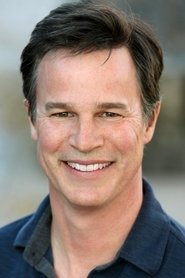 Hank Rogersonself
- James Stempleself
- Shana Haganself
Directing
- Hank RogersonDirector
Writing
- Hank RogersonWriter
- Jilann SpitzmillerWriter