
Film
The Work
The Work drops you into Folsom Prison for four days of group therapy where convicted killers sit knee-to-knee with volunteer strangers from the outside world, and the distance between them collapses. No narration, no talking heads — just bodies shaking, decades of buried rage surfacing in real time. It's raw, sometimes hard to watch, and one of the most convincing arguments for emotional honesty put on screen.
If you liked this
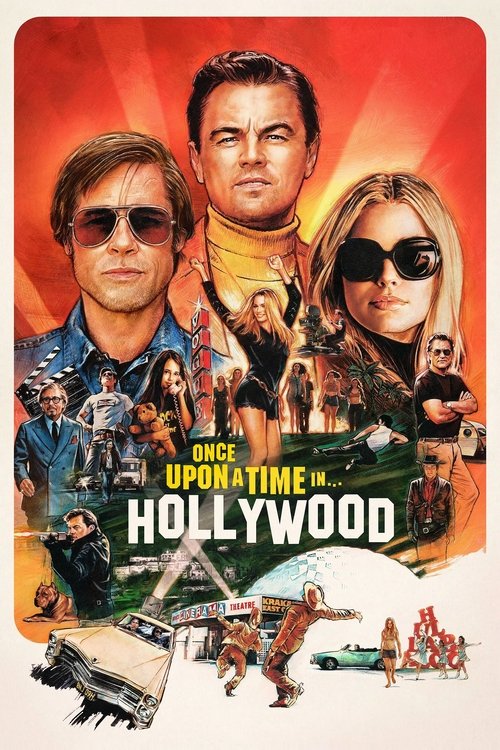
Once Upon a Time... in Hollywood2019
Garrett Bradley's black-and-white portrait of a wife fighting for her husband's release over two decades makes patience itself feel cinematic, with the same tenderness toward incarceration's toll as The Work.
But It's impressionistic and non-linear, more poem than case study — if you want procedural clarity, this will frustrate you.
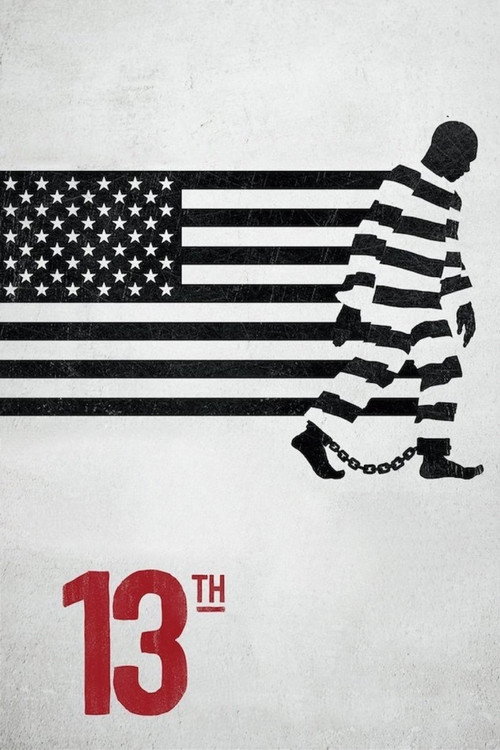
13th2016
Ava DuVernay traces a direct line from slavery to mass incarceration with startling clarity, giving the systemic context that The Work's intimate room never has space to explain.
But Argument-driven and fast-moving where The Work sits still — expect talking heads and archival montage, not silence.
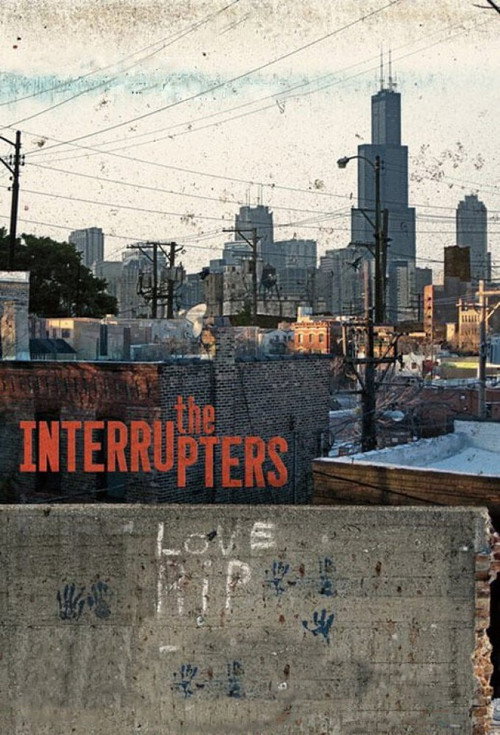
The Interrupters2011
Steve James follows former gang members trying to defuse Chicago violence before it detonates, and a single honest conversation feels just as life-or-death here as anything at Folsom.
But It plays out on the street, not in a room — more chase than confession, and its hope feels more fragile.
The wildcard
Something you would not have found on your own.
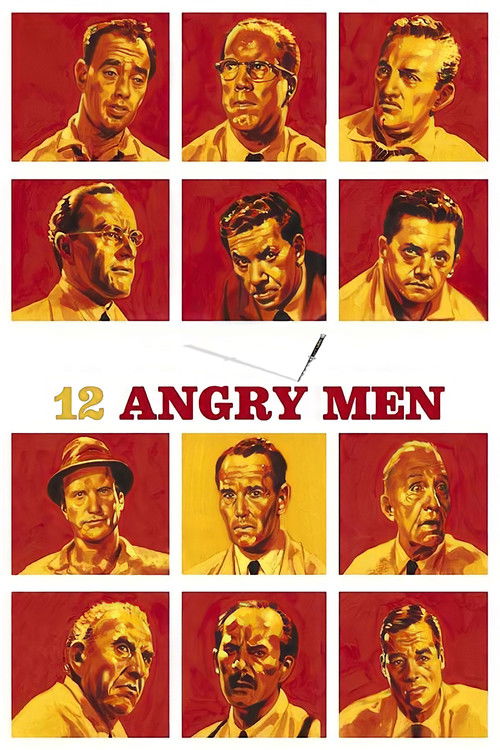
12 Angry Men1957
Both trap a room full of men and force them, through nothing but talk, to strip away denial and face an uncomfortable truth — one's a jury room, one's a prison gym, but the mechanism is identical.
Henry Fonda anchors this real-time courtroom drama where twelve strangers' prejudices and defences crack open one by one, decades before The Work's group sessions did the same thing for real.
But It's scripted and stagey by design, and the ending resolves far more neatly than anything Folsom's therapy room ever could.
More like this (8)
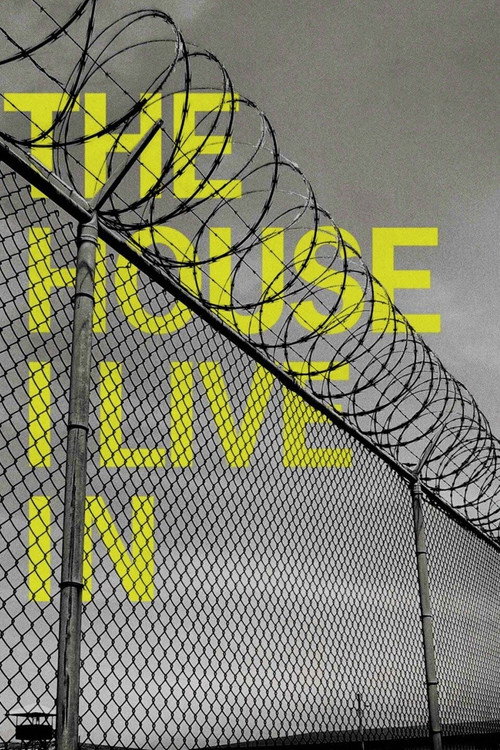
The House I Live In2012
Eugene Jarecki widens the lens to the entire drug war machinery that fills prisons like Folsom, giving devastating context to why so many men in The Work ended up there.
But It's a policy documentary at heart — expect statistics and experts, not the raw, unmediated emotion of group therapy.
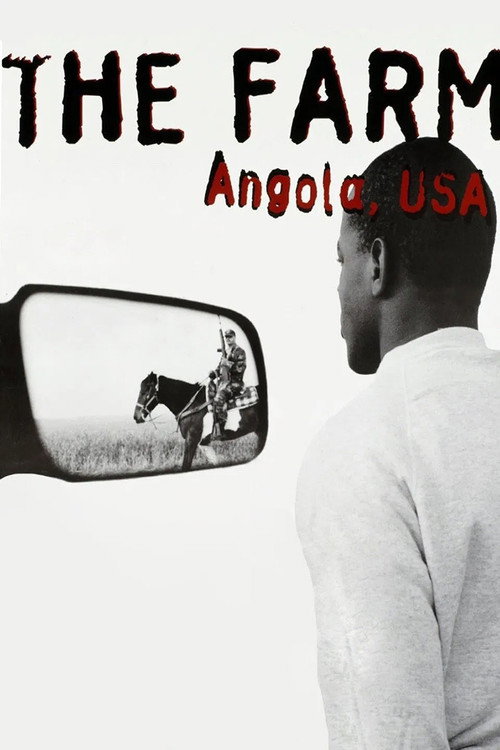
The Farm: Angola, USA1998
This Oscar-nominated doc goes inside Louisiana's Angola prison and finds the same unvarnished humanity in men serving life sentences, without any therapeutic framing softening the view.
But Rougher around the edges technically, and less intimate — it observes from more of a distance than The Work does.
Brother's Keeper1992no page yet
Four elderly, illiterate farmer brothers become the centre of a murder case in this quietly devastating doc, whose patient camera finds the same dignity in unlikely men that The Work does.
But It's rural and elegiac rather than confrontational — nobody's shouting, so the intensity builds much more slowly.
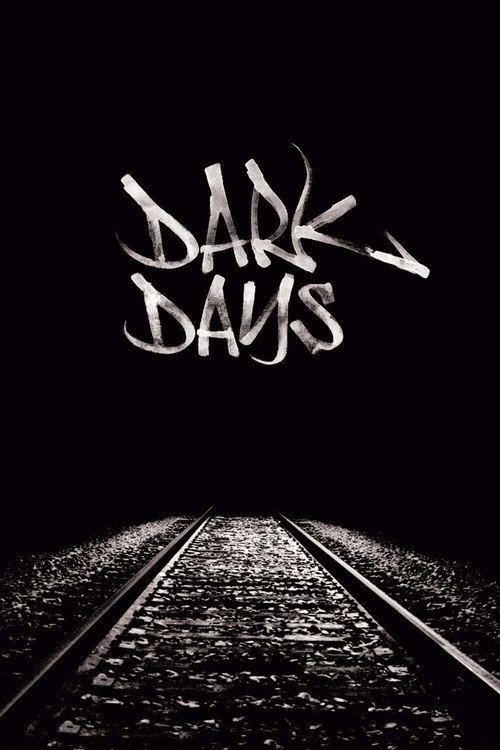
Dark Days2000
Marc Singer lived among people sheltering in Manhattan's train tunnels to make this, and the result has the same unblinking, hand-held intimacy and hard-won trust The Work's cameras earn at Folsom.
But It's about homelessness, not incarceration, and the mood is grimmer and more hopeless in places.
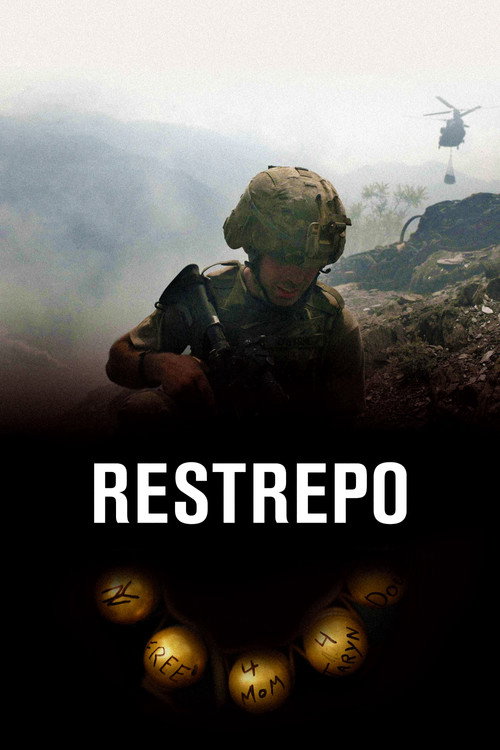
Restrepo2010
Embedded with a platoon in Afghanistan's deadliest valley, this doc finds the same rawness under extreme male pressure — fear, grief and bonding stripped of any performance.
But There's no therapy or catharsis here, just survival — if you want resolution, this won't give you any.
The Prison in Twelve Landscapes2016no page yet
A quieter, more essayistic look at incarceration's reach into American life, told through unexpected wide shots of towns and landscapes rather than any prison walls.
But Deliberately oblique and slow — you won't get a single face like the ones you remember from The Work.
In Treatment2008
It's the same room, the same silences, the same slow unraveling of a defended man — just written and acted, and stretched across seasons instead of captured as it actually happened over four days.
Gabriel Byrne plays a therapist across half-hour sessions with patients circling their own denial, trusting stillness and confrontation the same way The Work does — just with a script underneath it.
But Knowing it's fiction changes everything — the tension of not knowing what's real, which drives half of The Work's power, is gone.

Intervention2005no page yet
Strip away The Work's rigor and what's left is this: strangers ambushing someone into a room and forcing a confrontation with the truth on camera — same emotional machinery, aimed at ratings instead of rehabilitation.
This addiction-intervention reality show runs the exact same playbook — sudden confrontation, testimony, a breakdown, a decision — and it's compulsively watchable even while being shameless about being television.
But It's edited for maximum drama and often exploitative in ways The Work scrupulously avoids — treat it as junk food, not a serious companion piece.
People
Directing
- Gethin AldousCo-Director
- Jairus McLearyDirector
Production
- Gethin AldousExecutive Producer
- James McLearyExecutive Producer
- Rob AllbeeExecutive Producer
- Alice HentyProducer
- Angela SostreProducer
- Eon McLearyProducer
- Jairus McLearyProducer
- Miles McLearyProducer