
Film
Born into Brothels: Calcutta's Red Light Kids
Zana Briski gives cameras to children born in Calcutta's red light district, letting them document their own lives. What begins as a photography workshop becomes something messier and more human—a record of real kids dreaming, playing, and fighting for futures they're told they won't have. Unflinching but never exploitative, it's driven by the children's own vision.
Should you watch it?
Watch it if you want a documentary that finds hope in a place of real hardship, where the kids' own photographs and their stubborn curiosity carry the film more than any narrator does.
Skip it if you need a lighter evening or can't stomach footage of children growing up around prostitution and neglect, since the film stays close to that world without flinching.
What it asks of you: At 85 minutes it is short and unhurried, shot handcam-close and observational, so you'll need to sit with raw, sometimes painful scenes rather than be guided through them.
Not sure? Find tonight's pick in a minute.
If you liked this
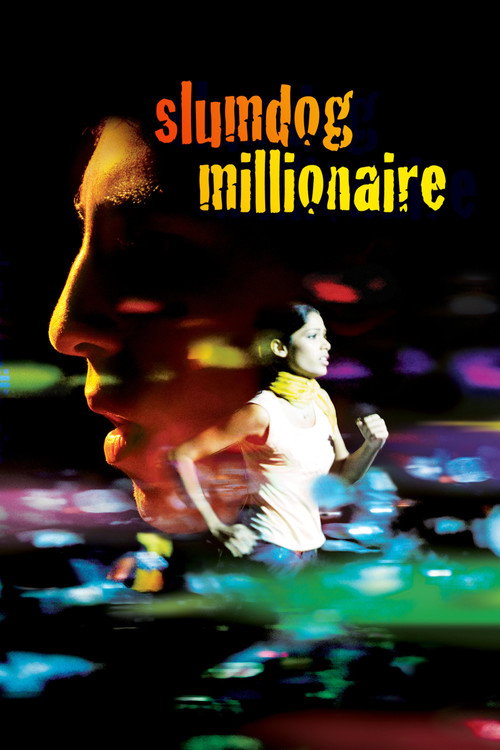
Slumdog Millionaire2008
Another outsider's lens on Indian poverty and resilience, but here the journey toward hope is told as narrative cinema. It shows how a documentary impulse—revealing what's hidden—can shape mainstream storytelling.
But The redemptive arc feels more engineered than earned, and it's far more polished than the grainy intimacy of what you've just watched.
City of God2002
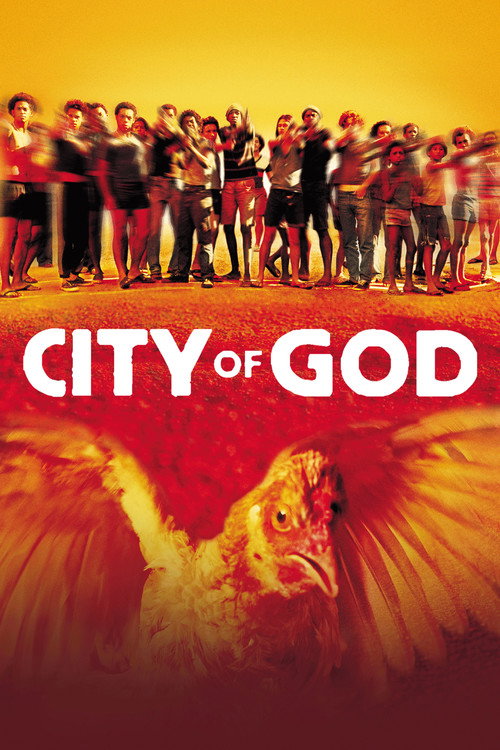
Brazilian favela children narrate their own story of violence and survival with stunning visual flair. Like *Born into Brothels*, it centers young people as protagonists of their own lives rather than victims we pity.
But It's stylized and energetic where *Born into Brothels* is contemplative. The formal beauty sometimes threatens to aestheticize the suffering.
Sunrise: A Song of Two Humans1927
A silent film about a couple nearly destroyed by desire and temptation, shot with expressionist intensity. It shares the documentary's understanding that the camera can reveal inner life without a single word of explanation.
But It's nearly a century old, formal, and abstract. You have to meet it on its own terms rather than being swept along.

Not sure tonight? Get a pick in a minute, starting from Born into Brothels: Calcutta's Red Light Kids
The wildcard
Something you would not have found on your own.
Touki Bouki1973
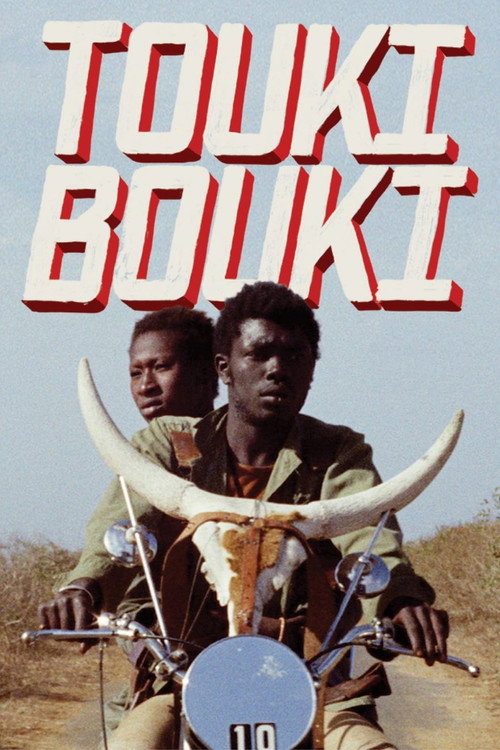
Both films center the interior lives of young people in the Global South without reducing them to their circumstances. Both understand that style and beauty are not frivolous when documenting real lives—they honor the dignity of the people on screen.
Senegalese New Wave cinema about two young people dreaming of escape. Shot with extraordinary visual invention and melancholy, it captures the texture of ambition and desire that haunts *Born into Brothels*—but as lyrical poetry rather than documentary witness.
But It's experimental and elliptical; plot takes a back seat to mood and form. The print quality is rough and the pacing will feel fractured if you're expecting clarity.
More like this (8)
Wadjda2012
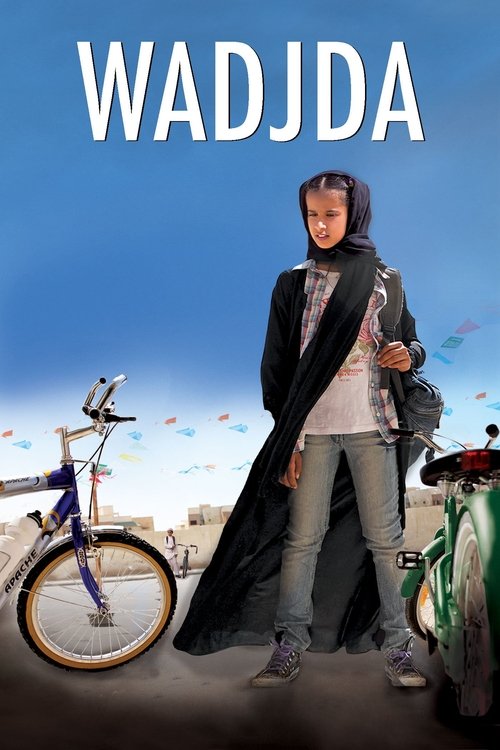
A girl in Saudi Arabia wants a bicycle. It's small, intimate, and told from a child's perspective with warmth and humor. Like the photographs in *Born into Brothels*, it finds humanity in constrained lives.
But The gentle tone might feel slight compared to the weight of what you've just watched. Some will find it too optimistic about real constraints.
The Act of Killing2012
A documentary where the filmmaker hands creative control to the subjects—Indonesian death squad leaders—and watches them perform their own history. It's an unsettling mirror to how Briski gave children cameras and trusted what they'd show.
But It's three hours, difficult to watch, and the moral stakes feel much heavier. Some find the approach uncomfortably permissive of its subjects.

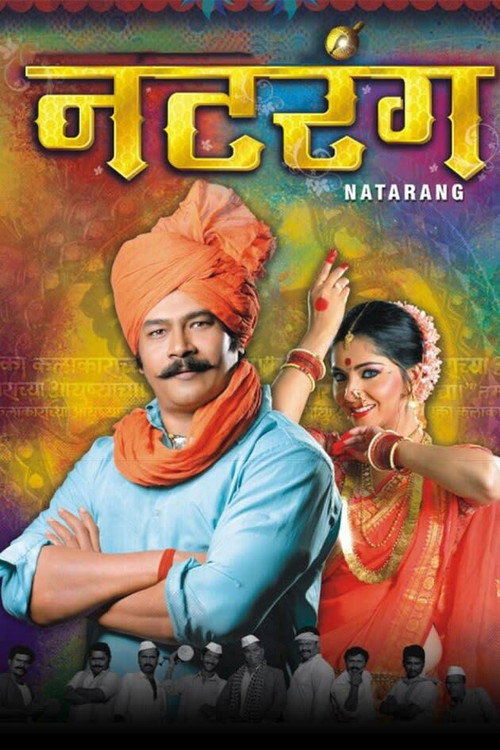
Natrang2010
A Marathi-language film about a man discovering theater in late life. It's about art as liberation and reinvention, and it shares *Born into Brothels*' faith that creative practice can transform a life.
But It's in a language you may not speak, and the pacing is unhurried. The rewards are there but you have to sit with it.
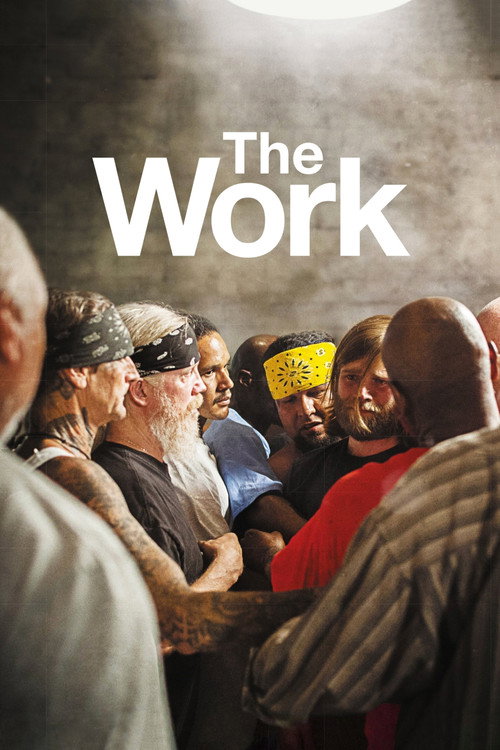
The Work2017
A documentary observing intensive group therapy in a men's prison. Like Briski's film, it trusts the camera to witness vulnerability and change without moralizing or manipulating the viewer's response.
But It's deliberately rough and unpolished, which some find more honest and others find exhausting. The slow revelation of emotion can feel heavy.
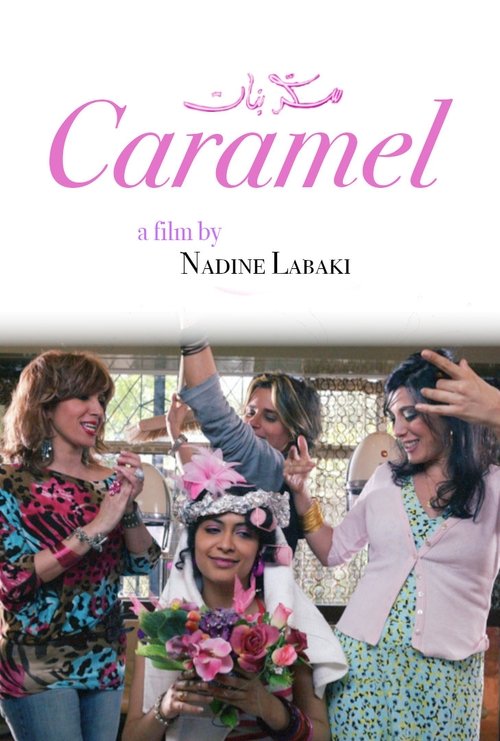
Caramel2007
Five Lebanese women gather at a beauty salon; their lives unfold in quiet moments of humor and pain. It's intimate cinema about people society overlooks, seen with affection and without sentimentality.
But Nothing explosive happens. If you need plot momentum, this will feel like eavesdropping on someone else's small talk.
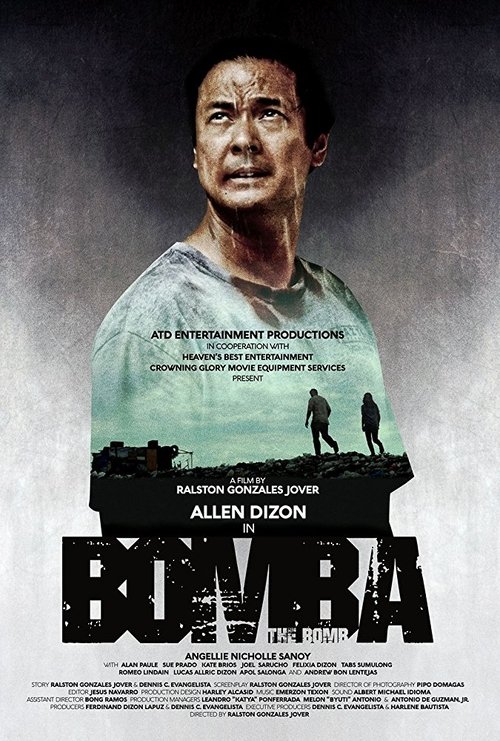
Bomba2018
A Kenyan documentary following young people in Nairobi's informal settlements as they create and perform their own stories. It echoes *Born into Brothels*' faith in letting young voices speak for themselves.
But It's less well-known and harder to find. The production values are modest and the narrative feels less shaped, which is honest but demands patience.
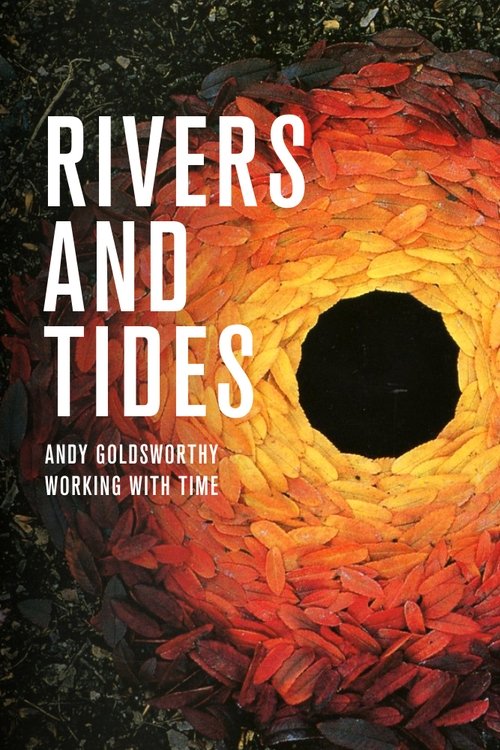
Rivers and Tides2001
Both films understand that the *process* of creating—not the outcome—is what changes a person. Both trust the camera to show transformation through work rather than telling us about it.
A documentary about artist Andy Goldsworthy making ephemeral sculptures from nature. It's about the act of creation itself—the discipline, joy, and transformation that comes from making something with your own hands, as the children do with cameras.
But It's slow, meditative, and has no narrative arc. If you want a clear story or emotional climax, this offers contemplation instead.
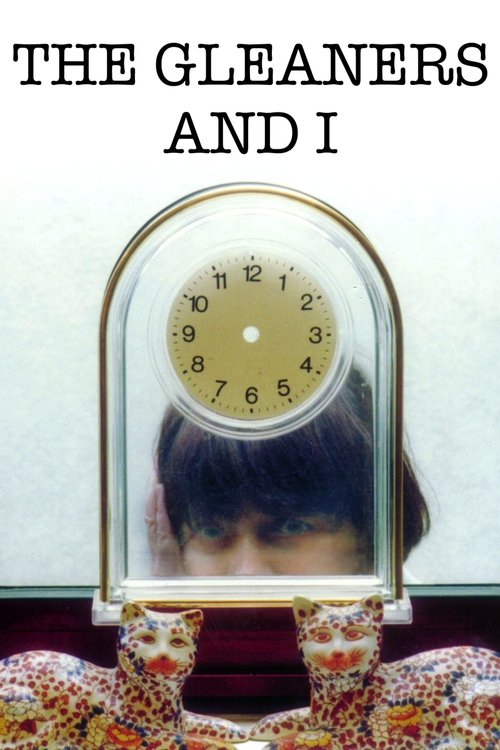
The Gleaners and I2000
Both films give ordinary people—the overlooked—the means to document and thus define their own lives. Both see the camera as an act of humanization and respect.
Agnès Varda gives a digital camera to a woman and films her filming, creating a philosophical essay on looking, collecting, and dignity. It's about the power of perspective—who gets to see, and what happens when you give someone the tools to look.
But It's a formal, essayistic film in French with no conventional story. The intellectual pleasure is real but not everyone comes to documentaries for that.
People
Cast
- Zana BriskiSelf
- AvijitSelf
- Geeta MasiSelf
- KochiSelf
- MamuniSelf
Directing
- Ross KauffmanDirector
- Zana BriskiDirector
Writing
- Ross KauffmanWriter
- Zana BriskiWriter
Recommended by
Slumdog Millionaire, Salaam Bombay!, Very Young Girls, Chandni Bar, Girl Rising, Workingman's Death