
Film
Touki Bouki
A Senegalese couple dreams of escaping to Paris, chasing glamour and possibility through the dusty streets of Dakar. Djibril Diop Mambéty's debut is intoxicating and restless—part romance, part critique, all visual fever. It moves like desire itself: sudden, contradictory, impossible to pin down. Essential viewing for anyone who wants cinema to feel alive.
Should you watch it?
Watch it if you respond to films that treat restlessness as a visual language, with jump cuts, dream fragments and sudden intimacy rather than a tidy plot, and you want a 1973 African film that feels as modern as anything made since.
Skip it if you need a story that moves steadily from one scene to the next, since this one drifts, fractures and circles back, and its moods can feel more like a painting than a narrative.
What it asks of you: Ninety-one minutes that ask you to stay with images and sound rather than follow a clear through-line, with a pace that is often unhurried and a tone that shifts between playful and melancholy.
Not sure? Find tonight's pick in a minute.
If you liked this
La Haine1995
Mathieu Kassovitz's portrait of three young men in a Paris housing project burns with the same urgency and visual invention. A masterwork about exclusion, rage, and the dream of escape that always costs more than you think.
But It's punishing and bleak in ways that require patience. The black-and-white cinematography and relentless tension aren't comfortable to sit with.

Memories of Murder2003
Bong Joon-ho's investigation into a serial killer becomes something bigger—a portrait of a society failing its people. Like Touki Bouki, it moves between genres and moods, building power through contradiction and visual daring.
But It's long, and the tonal shifts can feel destabilizing. The ending is deliberately ambiguous in ways some viewers find frustrating.

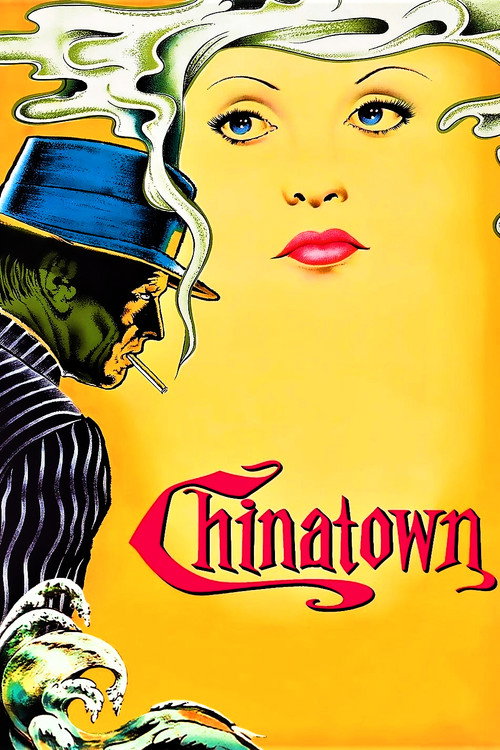
Chinatown1974
Roman Polanski's LA noir is also about power, desire, and the corrosive gap between the world you want and the one you're stuck in. Immaculate filmmaking that makes desperation feel like style.
But It's a male protagonist's story in ways that feel dated now. Some might find the cynicism exhausting rather than bracing.
Not sure tonight? Get a pick in a minute, starting from Touki Bouki
The wildcard
Something you would not have found on your own.
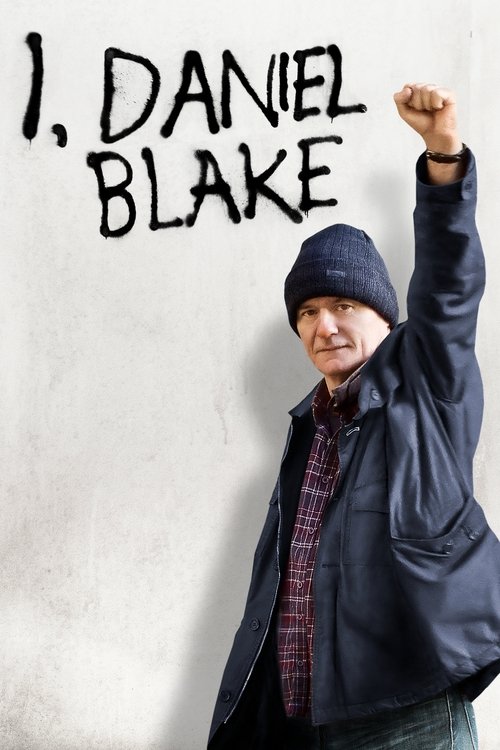
I, Daniel Blake2016
Both are furious love letters to people the world has decided don't matter, asking where beauty and dignity live when systems say they're not allowed.
Ken Loach's brutally honest film about a man trapped by systems that don't care about him shares Touki Bouki's rage at the machinery that keeps people small. Where Mambéty dreamscapes his anger, Loach documents it—but the fire is the same.
But It's relentlessly grim with no visual poetry to soften the blow. The social realism is exhausting, not exhilarating.
More like this (5)
Stalker1979
Andrei Tarkovsky's meditation on longing and the impossible dream moves at its own pace, with the same hypnotic visual power as Touki Bouki. Both films ask what we're really chasing when we chase the horizon.
But Tarkovsky works in long, meditative takes. If you need plot momentum, this will feel glacial and testing.

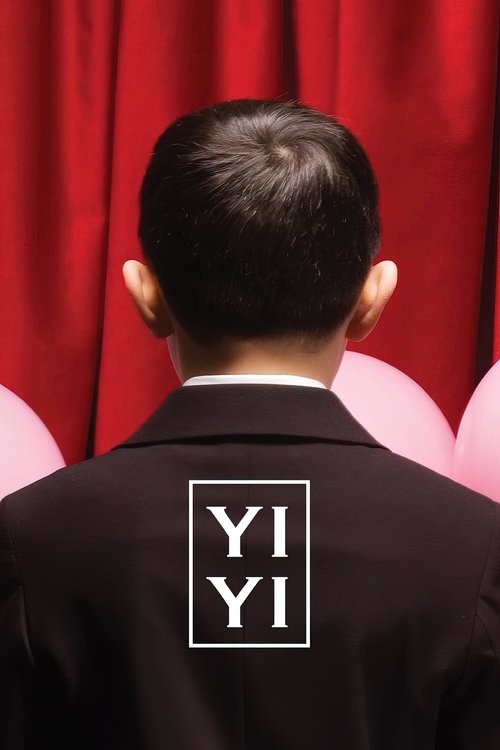
Yi Yi2000
Edward Yang's Taipei epic is sprawling and alive, capturing the texture of modern life and the small yearnings that keep us going. It has Touki Bouki's gift for making ordinary moments shimmer with meaning.
But It's two and a half hours and deliberately unhurried. The narrative threads don't tie up neatly, which some experience as unsatisfying.
Under the Skin2014
Jonathan Glazer's film is hypnotic and strange, using landscape and silence the way Mambéty uses color and movement—to create a dream-logic that feels more true than realism ever could.
But Plot is minimal and intentionally obscure. Long stretches of atmospheric tension won't work for anyone wanting conventional narrative clarity.

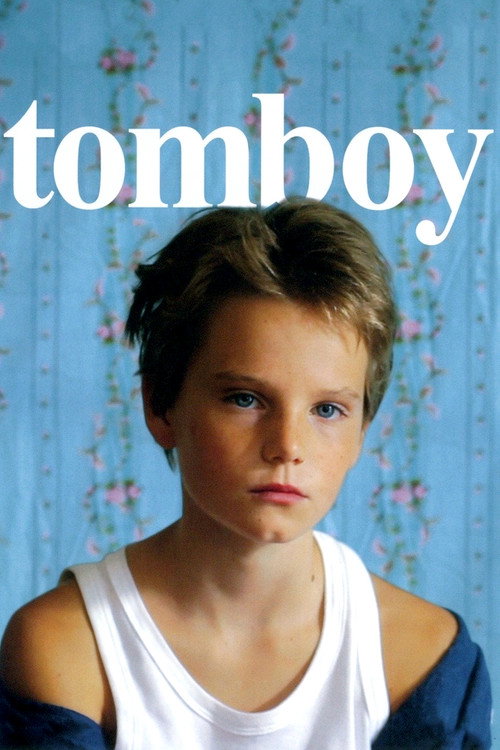
Tomboy2011
Céline Sciamma's intimate portrait of a child's summer in the suburbs has Touki Bouki's gift for finding radical meaning in small moments and small rebellions against the world's categories.
But It's quiet and domestic. The stakes feel intimate rather than epic, which might feel too small for some viewers.
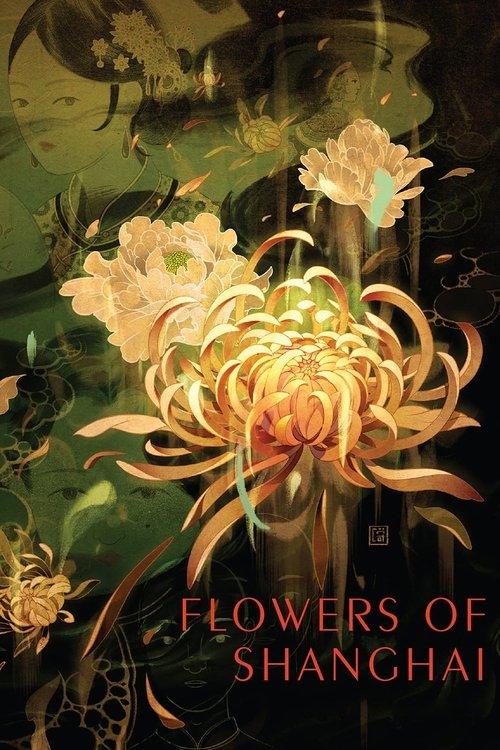
Flowers of Shanghai1998
Both are portraits of people trying to dream their way out of their circumstances, both filmed with such beauty that the entrapment becomes unbearable.
Hou Hsiao-hsien's film about desire, beauty, and the transactional nature of human connection is shot through windows and reflections—opulent and caged at once. It shares Touki Bouki's visual ecstasy and its underlying despair about whether escape is ever really possible.
But It's slow and elliptical, told almost entirely through composition rather than dialogue or plot. Patience is mandatory, catharsis is not guaranteed.
People
Cast
- Magaye NiangMory
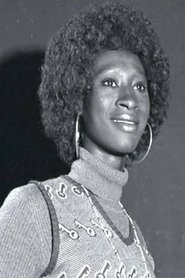 Myriam NiangAnta
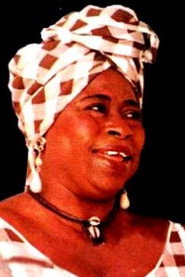 Aminata FallAunt Oumy
- Ousseynou DiopCharlie
Directing
- Djibril Diop MambétyDirector
Writing
- Djibril Diop MambétyWriter
Production
- Medoune FayeProducer
Recommended by
Born into Brothels: Calcutta's Red Light Kids, Days of Glory, Atlantics, Blockade, Xala, Beats, Sembene!, Pink Ribbons, Inc., The Afternoon Has Eyes