
Film
Days of Glory
Other titles called Days of Glory: the 1944 film.
Days of Glory follows four North African soldiers conscripted into the French army during World War II, fighting to liberate a country that treated them as colonial subjects. It's a muscular war film that swaps spectacle for intimate character study, letting you live inside the humiliation and brotherhood of men whose sacrifice was systematically erased from history. For anyone who thinks they know the war, it's essential.
If you liked this
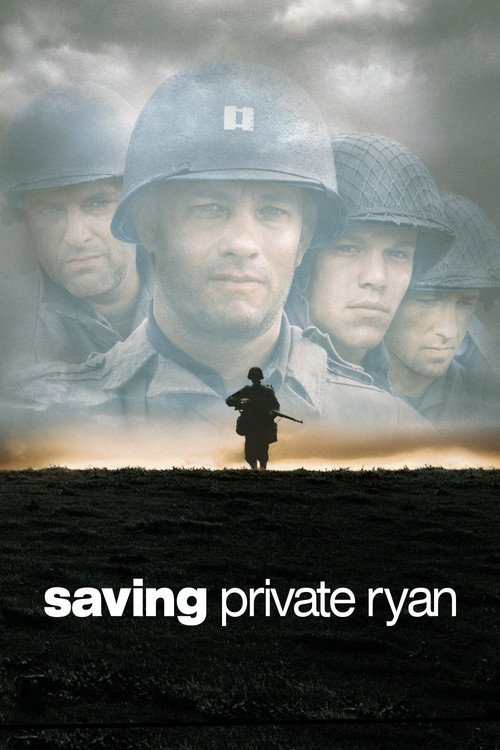
Saving Private Ryan1998
The gold standard of immersive combat filmmaking. If you want to understand how modern war films earn their emotional weight, this is where it began—and Days of Glory learned from it.
But Nearly three hours of visceral violence. The D-Day sequence is deliberately relentless, and some find it exhausting rather than cathartic.
Come and See1985
A Soviet masterpiece about a boy conscripted into WWII that treats war as psychological annihilation, not heroism. It shares Days of Glory's refusal to prettify combat or sacrifice.
But Bleak and difficult in ways that make you question why you're watching. No comfort, no easy catharsis. The final sequence is genuinely devastating.

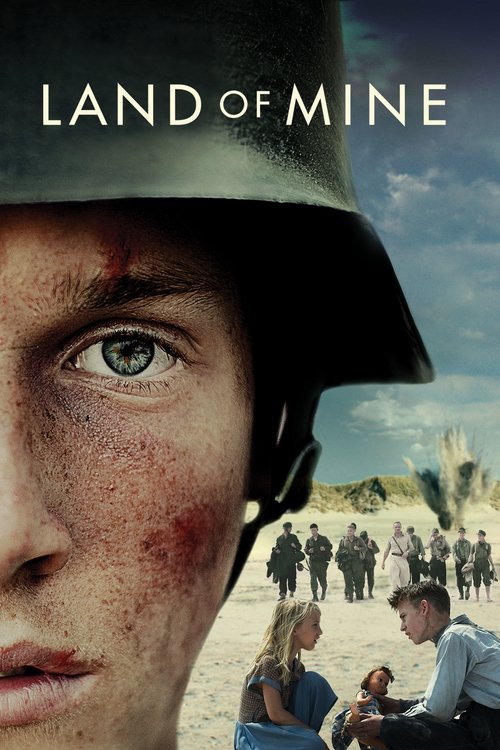
Land of Mine2015
Danish film about German POWs forced to clear landmines after WWII. Like Days of Glory, it examines the invisible soldiers and the moral corruption of war through a specific, forgotten story.
But Methodical pacing. It's more about accumulated dread than incident, and some find the slow-burn approach tedious rather than tense.
Not sure tonight? Get a pick in a minute, starting from Days of Glory
The wildcard
Something you would not have found on your own.
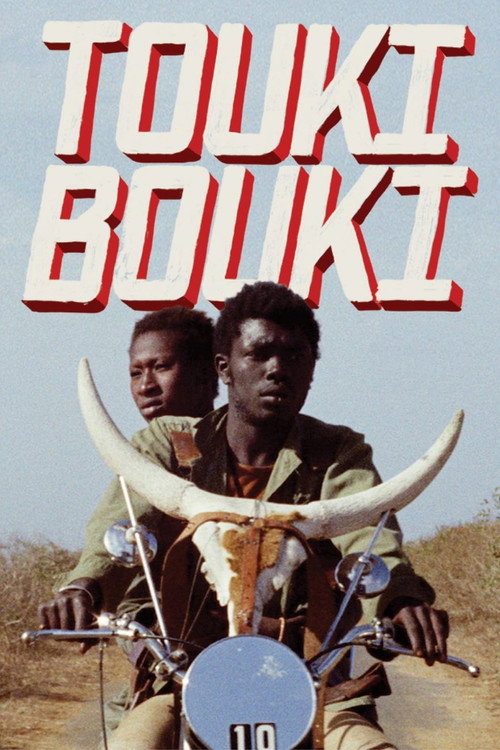
Touki Bouki1973
Both dissect the colonial relationship between Africa and France, but where Days of Glory does it through brutal realism, Touki Bouki does it through poetry and visual abstraction. Same wound, different language.
Senegalese poet-filmmaker Djibril Diop Mambéty's wild, metaphorical fever dream about two young people escaping postcolonial Africa. It's about the same colonial legacy as Days of Glory but told in fever-dream images instead of realism.
But Wildly nonlinear and symbolic. If you want a story that explains itself, this will frustrate you. It demands interpretation, not consumption.
More like this (8)
The Battle of Algiers1966
Gillo Pontecorvo's radical masterpiece about colonial resistance. Essential context for understanding the colonial soldiers in Days of Glory and why their sacrifice mattered so little.
But Shot in stark black-and-white and made in 1966. The formal distance from modern filmmaking can feel like a barrier at first.

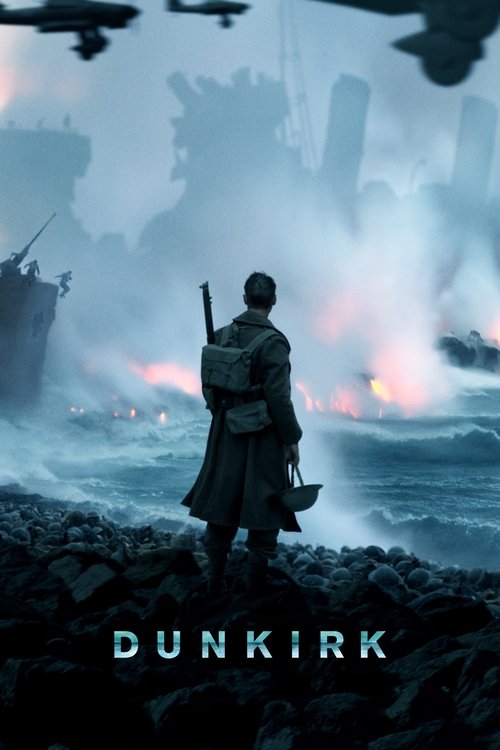
Dunkirk2017
Christopher Nolan's puzzle-box approach to WWII evacuation. A different kind of war film—fragmented, stylish, focused on survival over spectacle. Worth seeing for its formal ambition.
But The narrative complexity can feel cold, and it prioritizes technique over character. Some find it exhausting to follow without rewarding you emotionally.
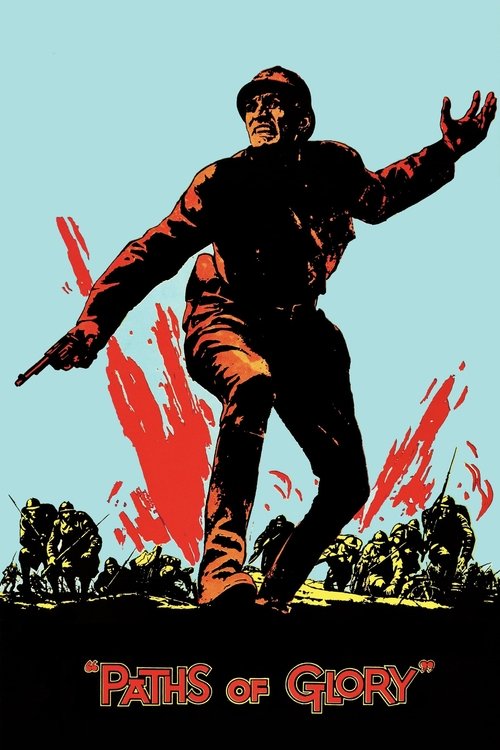
Paths of Glory1957
Kubrick's shathing indictment of military command and sacrifice. A war film that's actually angry at what war does to soldiers, told with surgical precision.
But Black-and-white, fifty-plus years old. It can feel like a historical artifact rather than a living film, especially in its quieter moments.
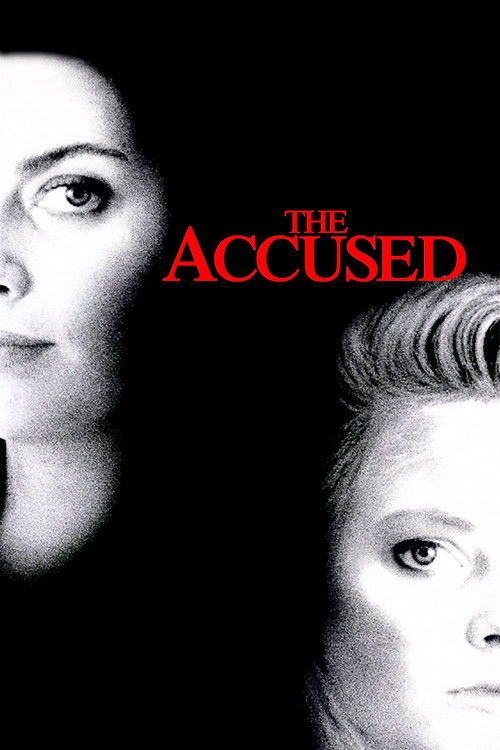
The Accused1988
Jodie Foster in a raw, furious film about trauma and institutional indifference. Like Days of Glory, it's about the system failing to acknowledge suffering, and it never lets that go.
But Graphic sexual violence at the film's core. It's necessary to the story but difficult to sit with, and some find the narrative manipulative.
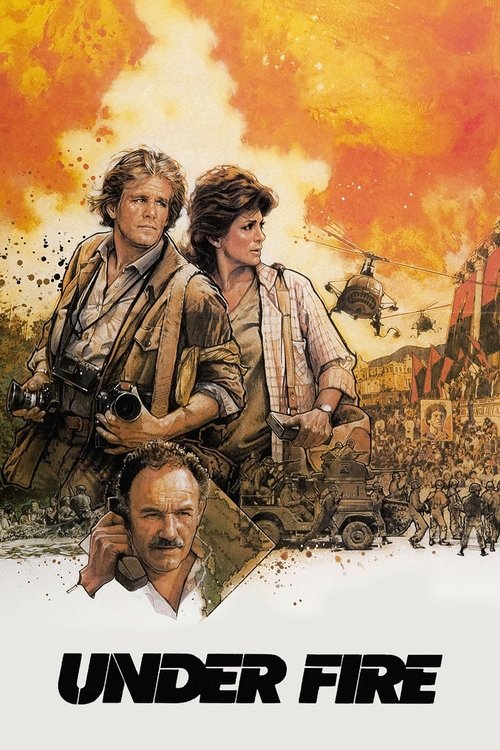
Under Fire1983
War seen through a war photographer's lens during Nicaragua's civil war. It captures the chaos and moral confusion of combat without needing big battles, and the politics matter.
But Dated in places and the romance subplot feels tacked on. Some of the dialogue is earnest in a way that hasn't aged well.
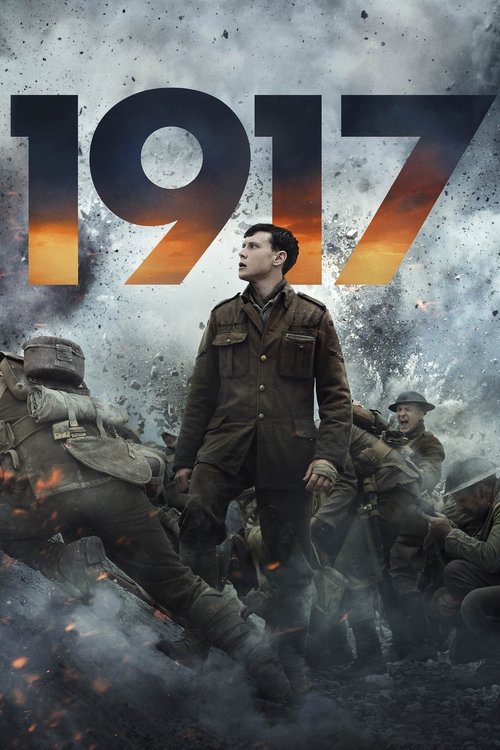
19172019
Technically stunning single-take WWII film following two soldiers on a deadly mission. If you want immersion and spectacle combined, this is the modern benchmark.
But The technical showcase can distract from character. You're often more aware of the camera than the men moving through it.
The Life of Oharu1952
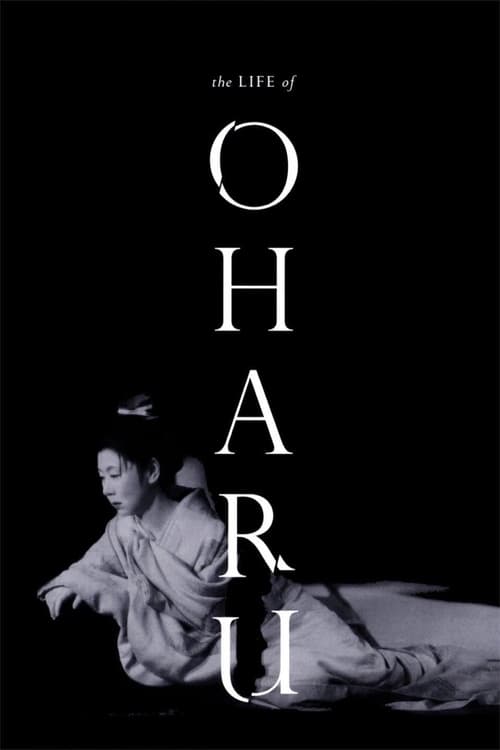
Like Days of Glory, it shows how systems use and discard people, how dignity is stolen through bureaucracy rather than violence. Both films are portraits of people crushed by forces larger than themselves.
Mizoguchi's heartbreaking portrait of a woman destroyed by systems designed to use her. A masterpiece about institutional cruelty that accumulates quietly until you realize how trapped she's been all along.
But Japanese cinema from 1952. Slow, subtle, elliptical. If you need plot momentum, this isn't for you—it's about erosion, not incident.
A Prayer Before Dawn2018
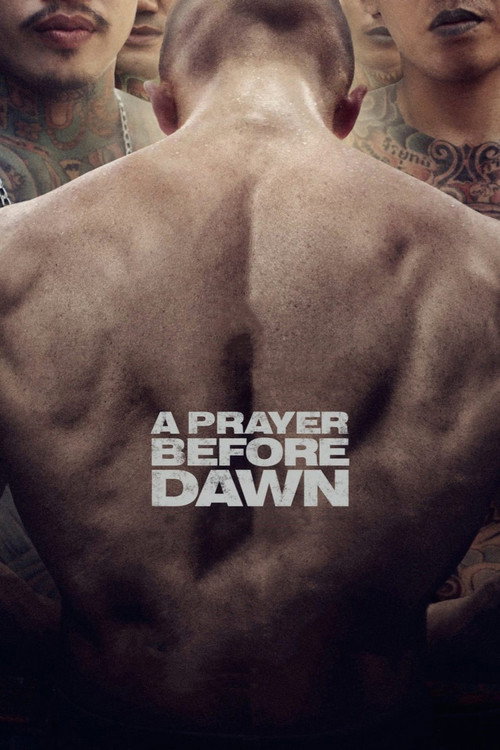
Both are about men stripped of identity by systems and finding brotherhood in extremity. Days of Glory is about colonial soldiers; this is about a prisoner in a foreign country. Same theme of powerlessness, different context.
Joe Cole in a documentary-like narrative about an American boxer imprisoned in Bangkok. Raw, unglamorous, and shot with doc-realism. It refuses to make prison, fighting, or rehabilitation feel noble.
But Violent and claustrophobic. Based on true experience and it never lets you forget it. Some find it punishing rather than illuminating.
People
Cast
 Jamel DebbouzeSaïd
 Samy NaceriYassir
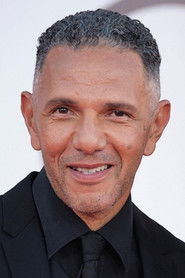 Roschdy ZemMessaoud
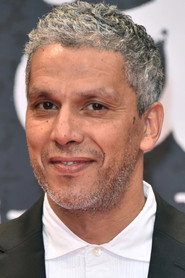 Sami BouajilaAbdelkader
 Bernard BlancanSergeant Martinez
 Mathieu SimonetCorporal Leroux
 Benoît GirosCaptain Durieux
 Mélanie LaurentMargueritte
 Antoine ChappeyColonel
 Assaad BouabLarbi
- Aurélie EltvedtIrène
 Thomas LangmannJournalist
Directing
- Rachid BoucharebDirector
Writing
- Olivier LorelleWriter
- Rachid BoucharebWriter
Production
- Nora HabibCasting
- Muriel MerlinExecutive Producer
- Jean BréhatProducer