
Film
Days of Glory
Other titles called Days of Glory: the 2006 film.
A 1944 wartime drama following Russian guerrillas resisting the Nazi invasion of 1941. Gregory Peck leads an ensemble cast through sabotage, sacrifice, and romance amid impossible odds. It's earnest and rousing—the kind of propaganda-tinged Hollywood epic that shaped how American audiences understood the Eastern Front, mixing heroism with genuine emotional weight.
If you liked this
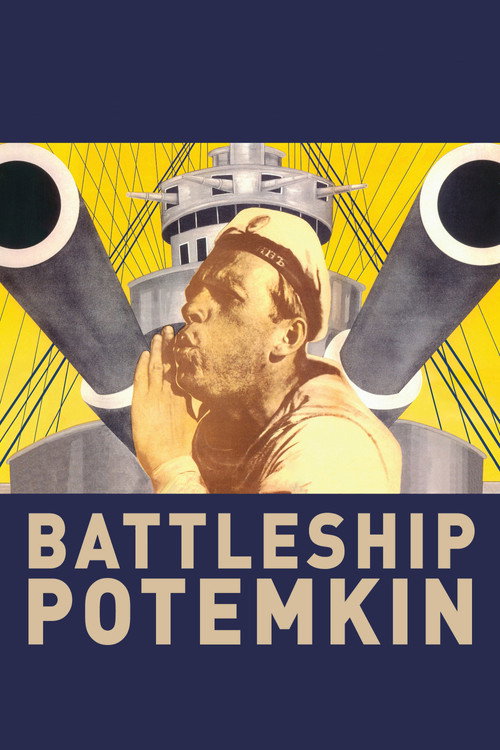
Battleship Potemkin1925
The foundational Soviet film about resistance and revolution. Its montage language influenced decades of war cinema and remains visually stunning. Essential viewing for understanding the cinematic grammar Days of Glory inherited.
But It's silent and formally experimental—patient pacing and symbolic abstraction will test modern viewers accustomed to conventional narrative.
Come and See1985
A Soviet masterpiece about a boy soldier in WWII. Devastatingly human where Days of Glory is heroic, it shows the same war from the ground up—mud, hunger, horror. Unforgettable and unsparing.
But Deeply traumatizing. Not a film you enjoy; it's something you endure and carry. Some scenes are genuinely difficult to watch.

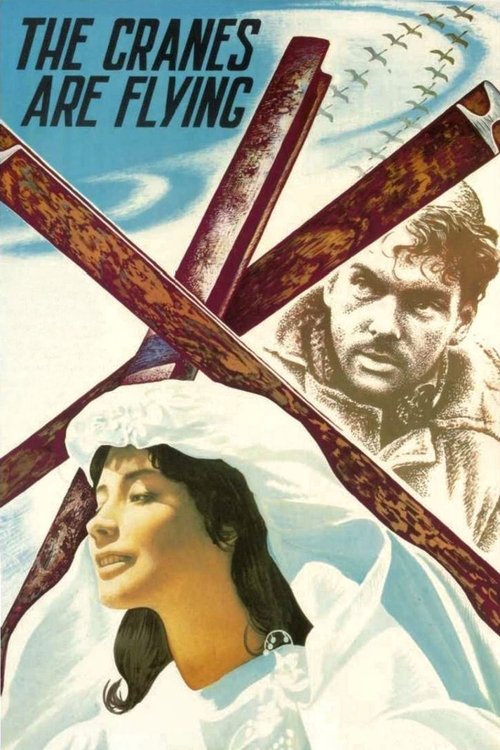
The Cranes Are Flying1957
Soviet cinema's most romantic wartime drama. A woman searches for her fiancé after he vanishes into the war. Cinematically gorgeous and emotionally complex, it balances intimacy with epic scope in ways Days of Glory reaches for.
But Slower pacing and a more introspective mood than American wartime drama. The romance takes precedence over action, which may disappoint action-first viewers.
Not sure tonight? Get a pick in a minute, starting from Days of Glory
The wildcard
Something you would not have found on your own.
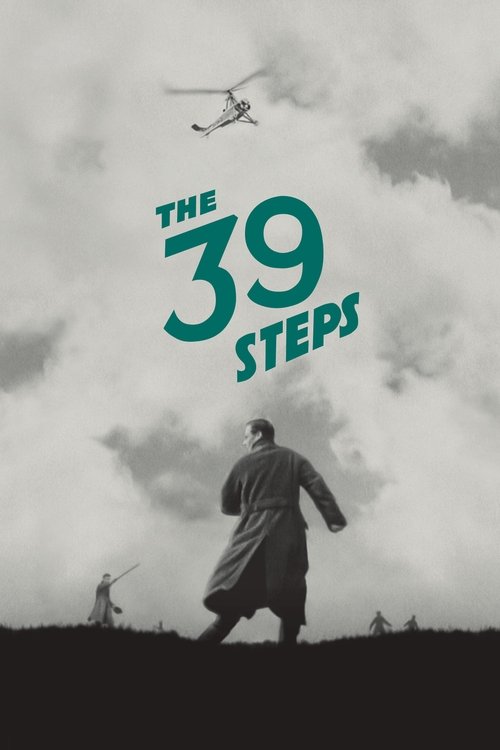
The 39 Steps1935
Both stage heroism through improvisation and evasion—a small group outmaneuvering a larger, organized enemy using cunning rather than firepower. The DNA of modern resistance cinema.
Hitchcock's thrilling espionage chase predates Days of Glory by nearly a decade but uses the same ensemble-on-the-run structure. Pure suspense and resourcefulness under surveillance. Shows where the Hollywood resistance film got its DNA—from the thriller, not the epic.
But It's British spy craft, not wartime heroics, and considerably lighter in tone. The romance is a subplot. Viewers wanting political weight or real stakes may find it too slick.
More like this (8)
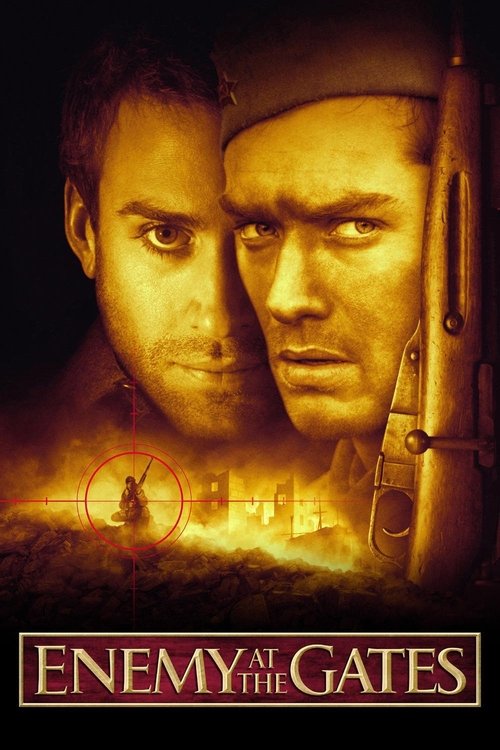
Enemy at the Gates2001
Hollywood's take on the Eastern Front, with Jude Law and Ed Harris. Epic, visceral, visually spectacular. The sniper duel is gripping. If you want Days of Glory's scope and romance but with modern filmmaking, this scratches that itch.
But Historically dodgy and occasionally melodramatic. The love triangle feels forced, and the film prioritizes spectacle over nuance about Soviet experience.
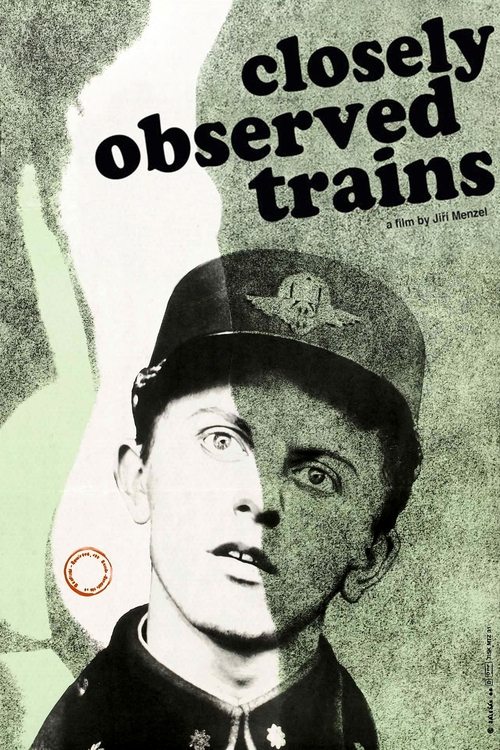
Closely Watched Trains1966
A Czech wartime tragicomedy about resistance operatives and impossible love during occupation. Blackly funny and deeply moving, it captures the absurdity and tragedy of fighting back against invasion with more sophistication than most.
But The tone is deliberately uneven—mixing comedy with tragedy—which can feel jarring. Some viewers find it precious or detached from the war's scale.
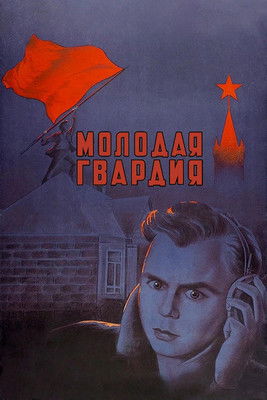
The Young Guard1948
Soviet epic about real teenage guerrillas resisting the Nazis. Heroic and stirring in a way that echoes Days of Glory, with ensemble cast dynamics and themes of sacrifice. A direct cultural sibling to Days of Glory.
But Overtly propagandistic. The heroism is relentless and the characterization thin; it's a monument more than a drama. Feels very much of its moment.
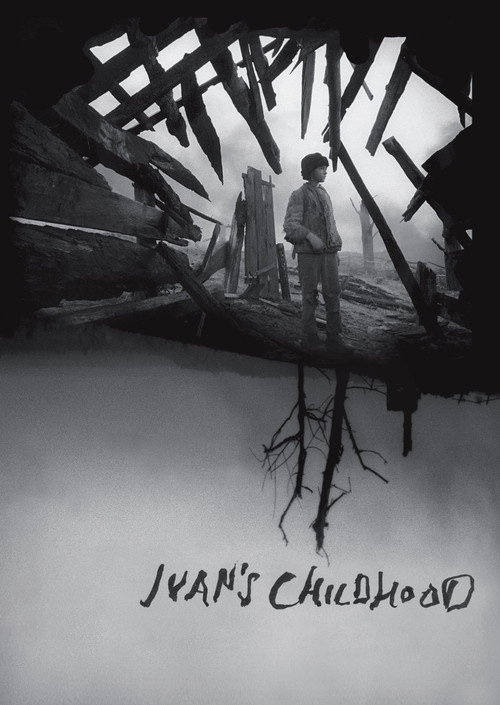
Ivan's Childhood1962
Andrei Tarkovsky's first feature. A haunting meditation on a boy caught in the Soviet-German war. Visually poetic and psychologically profound, it asks questions about innocence and resistance that historical dramas usually evade.
But Short (83 minutes) but demanding. Tarkovsky's style is contemplative and dreamlike; plot takes a backseat to mood and image. Requires patience and surrender.
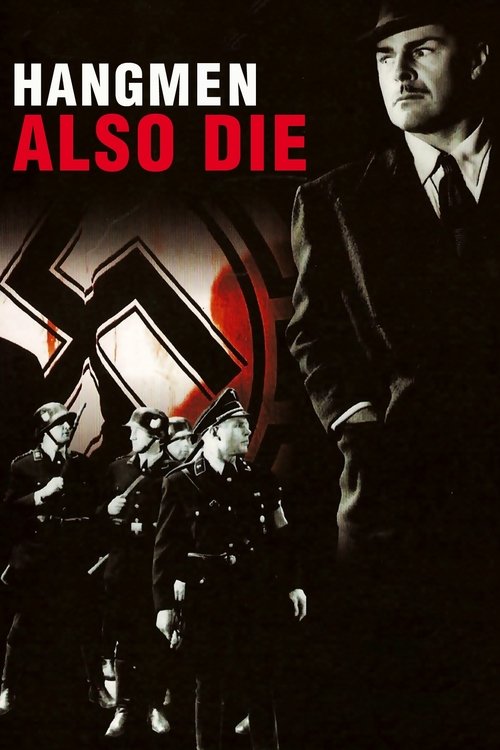
Hangmen Also Die!1943
Fritz Lang's wartime thriller about Czech resistance to Nazi occupation. Tense and morally complex, with guerrilla intrigue and a city under siege. Made the same era as Days of Glory but with darker psychological realism.
But The plotting is sometimes clunky, and the film wears its political message heavily. Pace flags in the middle act, and some dialogue feels dated.
The Ascent1977
Larisa Shepitko's haunting Soviet film about two partisans on a doomed mission. Bleak, spiritual, and formally daring. Transforms the war film into something approaching tragedy and metaphysics—resistance as moral test rather than action.
But Extremely bleak and slow. Shot in black-and-white during harsh winter. More interested in suffering and faith than heroism or victory. Not remotely uplifting.

La Haine1995
Both use the small-group-under-siege structure to explore solidarity, sacrifice, and whether resistance is possible. But La Haine asks the question without offering reassurance that heroism saves anyone.
A French film about three men under siege in modern Paris, hunted by police in a state of escalating tension. Shot in black-and-white with documentary precision. It transplants the guerrilla structure—trapped group, hostile forces closing in, questions of survival and solidarity—into a contemporary urban setting. Visceral and urgent.
But It's about systemic racism and police brutality, not historical nobility. The despair is total and unresolved. Viewers seeking moral clarity or heroic catharsis will be frustrated.

Stalker1979
Both explore groups bound by common purpose moving through hostile territory toward an uncertain goal. But where Days of Glory asks 'can we win?', Stalker asks 'why do we believe in anything at all?' Same engine, opposite register.
Tarkovsky's science-fiction meditation on desire, faith, and the search for meaning. Three men journey through a mysterious zone toward a legendary room. It has the ensemble structure and the moral weight of Days of Glory, but strips away plot to ask purely metaphysical questions. A film about what it means to strive for something worth dying for.
But Extremely slow and abstract. No plot in any conventional sense. Science fiction in concept only—nothing futuristic actually appears. Demands philosophical patience; many will find it incomprehensible or pretentious.

People
Cast
 Tamara ToumanovaNina
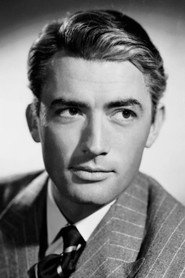 Gregory PeckVladimir
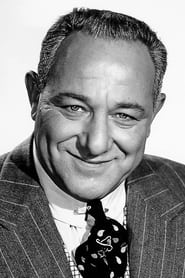 Alan ReedSasha
 Maria PalmerYelena
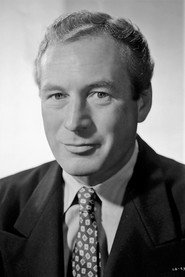 Lowell GilmoreSemyon
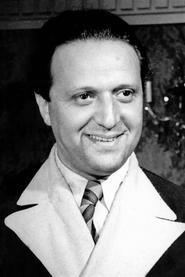 Hugo HaasFedor
- Dena PennOlga
 Glen VernonMitya
- Igor DolgorukiDmitri
- Edward L. DurstPetrov
- Lou CrosbyStaub
- Maria BibikovVera (uncredited)
Directing
- William DorfmanAssistant Director
- Jacques TourneurDirector
Writing
- Melchior LengyelOriginal Story
- Casey RobinsonWriter
Production
- Casey RobinsonProducer