
Film
The Young Guard
Eisenstein's epic about teenage Soviet resistance fighters during Nazi occupation. A propagandistic war drama shot with operatic scale and geometric precision, celebrating sacrifice and collective heroism. For those drawn to cinema as monument-building and willing to meet its ideological fervor on its own terms.
Should you watch it?
Watch it if you like wartime dramas built on ensemble casts and slow-burning moral resolve, and don't mind a 1940s Soviet filmmaking style that trusts earnest speeches and group scenes over flashy technique.
Skip it if you want tight pacing or modern restraint, since at over three hours this is long, sincere and openly propagandistic in its heroism, with little subtlety about who is right.
What it asks of you: Three hours and nine minutes of deliberate pacing, big crowd scenes, and a mood that swings between stirring optimism and sober grief, with little rush between set pieces.
Not sure? Find tonight's pick in a minute.
If you liked this
Come and See1985
Elem Klimov's devastating portrayal of a boy conscripted into the Soviet army. Visceral, unflinching, and shot with nightmare logic. It's the spiritual inverse of The Young Guard—same era, opposite register.
But Relentlessly punishing to watch. The brutality isn't glamorised or distant; it's immediate and designed to wound the viewer alongside the characters.

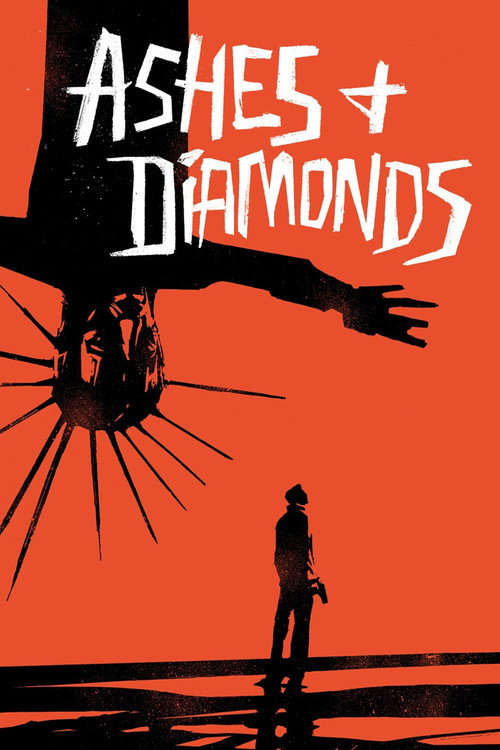
Ashes and Diamonds1958
Andrzej Wajda's Polish masterpiece about resistance fighters in the final days of WWII. Formal, morally complex, and visually intoxicating. It asks harder questions about heroism than most war films dare.
But The pacing is deliberate and the ending deliberately ambiguous. If you need clarity and forward momentum, you'll find it frustrating.
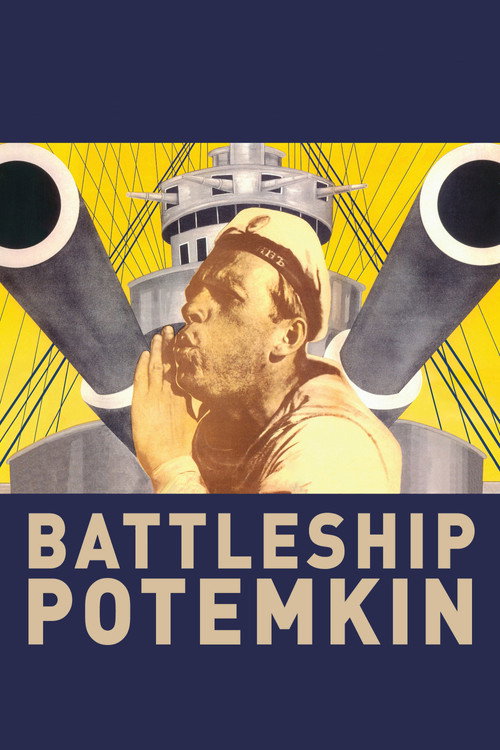
Battleship Potemkin1925
Eisenstein's most famous work, equally revolutionary in form and politics. If you're curious about The Young Guard's DNA, this is where it comes from—montage as propaganda, movement as meaning.
But It's a silent film from 1925. The aesthetic distance alone will feel like learning a language. And yes, it's didactic.
Not sure tonight? Get a pick in a minute, starting from The Young Guard
The wildcard
Something you would not have found on your own.
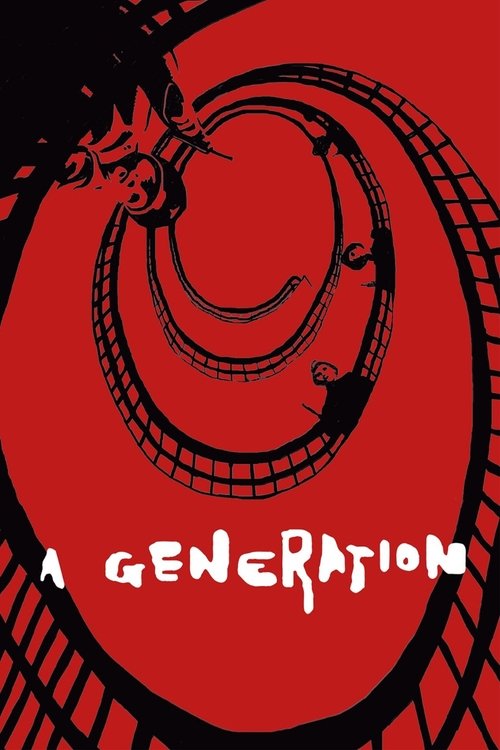
A Generation1955
Both celebrate teenage resistance fighters during Nazi occupation, but A Generation treats them as human individuals navigating impossible choices, not as heroic emblems in a grand collective narrative.
Andrzej Wajda's debut, about Polish teenagers in the Warsaw resistance. Where The Young Guard is monumentalised and operatic, this is intimate and morally uncertain—the same historical moment, utterly different cinema.
But As a directorial debut, it's occasionally uncertain in its rhythm. The tone wobbles between realism and stylisation without always landing cleanly.
More like this (8)
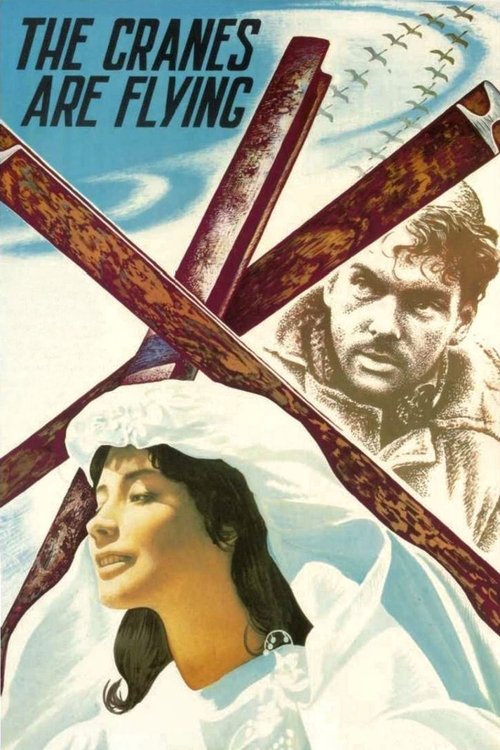
The Cranes Are Flying1957
Mikhail Kalatozov's lyrical WWII drama about a woman searching for her fiancé across Russia. Heartbreaking and humanistic where The Young Guard is collective and monumental.
But The emotional toll accumulates steadily. It's beautiful but relentlessly sad, and offers no comfort by the end.
Winter Light1963
Bergman's austere meditation on faith and doubt, featuring a young soldier confronting the meaninglessness of sacrifice. A corrective to any film that romanticises heroism.
But Bleak, abstract, and deliberately anti-dramatic. If you want plot momentum or emotional resolution, this will feel like penance.

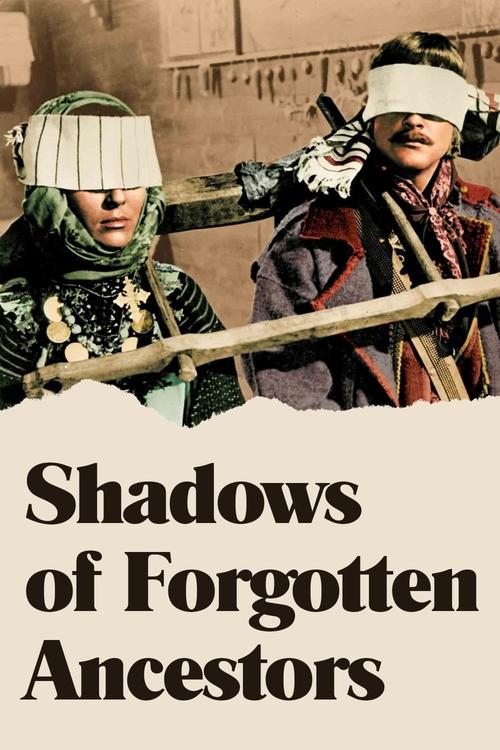
Shadows of Forgotten Ancestors1965
Sergei Parajanov's dazzling Ukrainian epic uses colour and ritual the way Eisenstein used montage. A Soviet film that rebels against Soviet aesthetics while remaining utterly Soviet in ambition.
But The narrative barely exists. It's a visual and spiritual experience first, plot second. That diverts some viewers entirely.
The Ascent1977
Larisa Shepitko's metaphysical war film about two Soviet partisans. Sparse, painterly, and obsessed with questions of suffering and transcendence rather than heroic action.
But Slow and hypnotic to the point of seeming motionless. The philosophical weight demands patience most viewers won't bring.

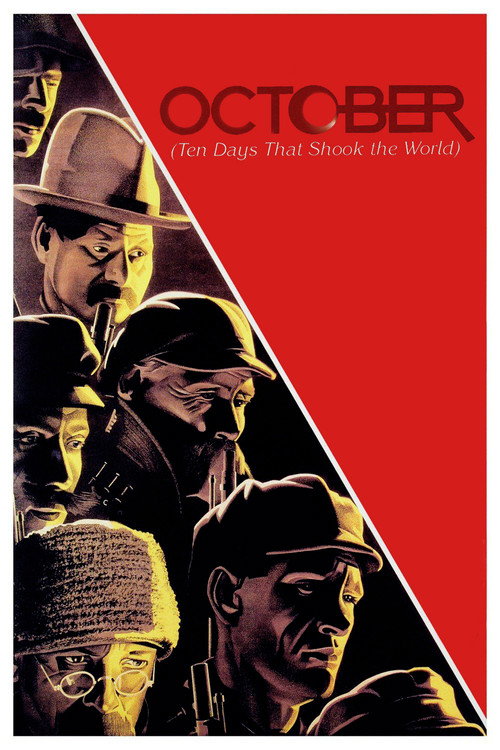
October (Ten Days that Shook the World)1928
Another Eisenstein monument, about the Bolshevik Revolution. If you're building a genealogy of Soviet cinema and its relationship to collective action, this is essential.
But Even more overtly propagandistic than The Young Guard, and the formal experimentation can read as dated or mannered to modern eyes.
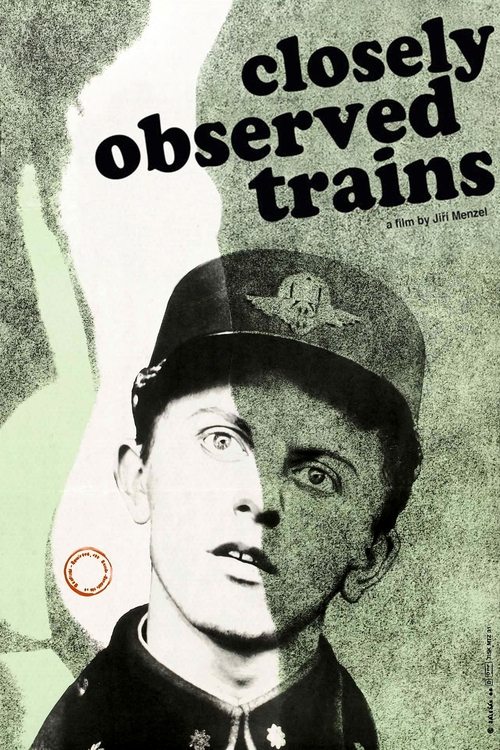
Closely Watched Trains1966
Jiří Menzel's Czechoslovak New Wave gem about a young railway worker in WWII. Funny, tender, and politically alive in ways that feel infinitely more modern than 1948 heroism.
But Uneven tonal shifts between comedy and tragedy. The lightness will feel incongruous if you're seeking a conventional war film.
The Seventh Seal1957
Both are visually monumental and steeped in a particular artistic tradition of their nations. But where The Young Guard asserts that suffering has collective meaning, Seventh Seal insists the universe offers no meaning at all.
Bergman's medieval knight plays chess with Death. Formally audacious and philosophically dense, it uses visual symbolism and geometric composition the way Eisenstein did—but to ask about meaninglessness rather than celebrate sacrifice.
But Heavy with allegory and metaphysics. If you watch it looking for plot or character development, you'll feel like you're reading a poem written in another language.

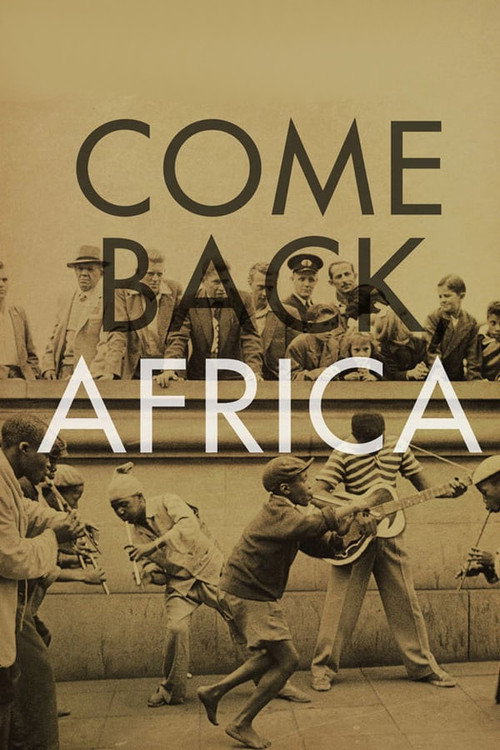
Come Back, Africa1959
Both use cinema as a tool for political instruction and collective consciousness-raising, but Rogosin undermines the very form of that instruction—questioning whether cinema can honestly represent struggle from within, rather than celebrating it from outside.
Lionel Rogosin's documentary-fiction hybrid about Black South African township life under apartheid. Grainy, urgent, shot like stolen truth. A work of radical cinema from the margins that makes Soviet monumentalism feel quaint.
But The line between documentary and fiction is deliberately blurred. Technically rough, politically didactic in ways that feel prescriptive rather than exploratory. Some will find it dated or heavy-handed.
People
Cast
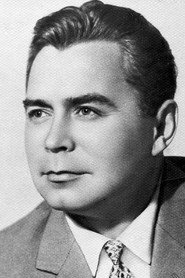 Vladimir IvanovOleg Koshevoi
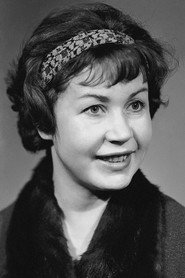 Inna MakarovaLyubov Shertsova
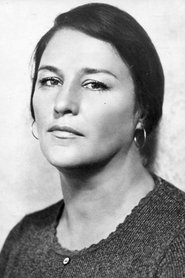 Nonna MordyukovaUliana Gromova
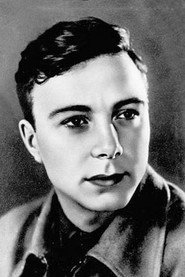 Sergei GurzoSergei Gavrilovich Tyulenin
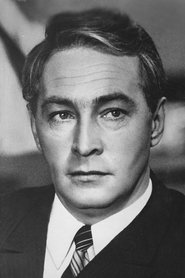 Vyacheslav TikhonovVladimir Osmukhin
 Klara LuchkoMarina
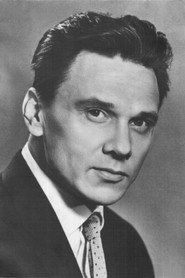 Georgiy YumatovPopov
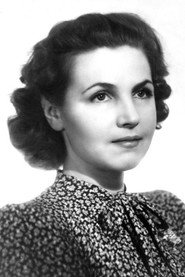 Tamara MakarovaOleg's Mother
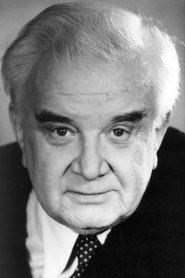 Viktor KhokhryakovCommander Protzenko
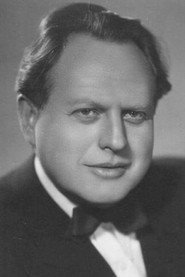 Grigoriy ShpigelFenbong
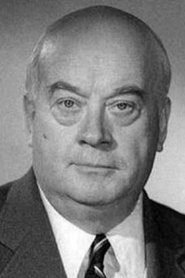 Yevgeni MorgunovPocheptsov
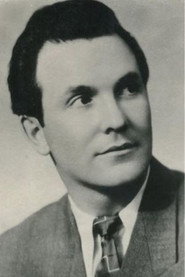
Directing
- E. VolkAssistant Director
- Sergei GerasimovDirector
- Genrikh OganisyanFirst Assistant Director
- Kleopatra AlperovaFirst Assistant Director
- E. BegalinOther
- Nikolai RozantsevOther
- Samson SamsonovOther
- Tatyana LioznovaOther
- V. BelyaevOther
- Yuri PobedonostsevOther
Writing
- Aleksandr FadeyevNovel
- Sergei GerasimovWriter
Production
- Yakov SvetozarovExecutive Producer