
Film
Ashes and Diamonds
Andrzej Wajda's black-and-white masterpiece unfolds on the last day of WWII in Poland, where the killing hasn't stopped—it's just changed sides. Zbigniew Cybulski, sunglasses and doomed swagger, plays an assassin ordered to kill a communist official, falling for a woman as the political machinery tightens around him. Tense, gorgeous, and quietly devastating, it's essential viewing for anyone who wants their war stories morally exhausted.
If you liked this
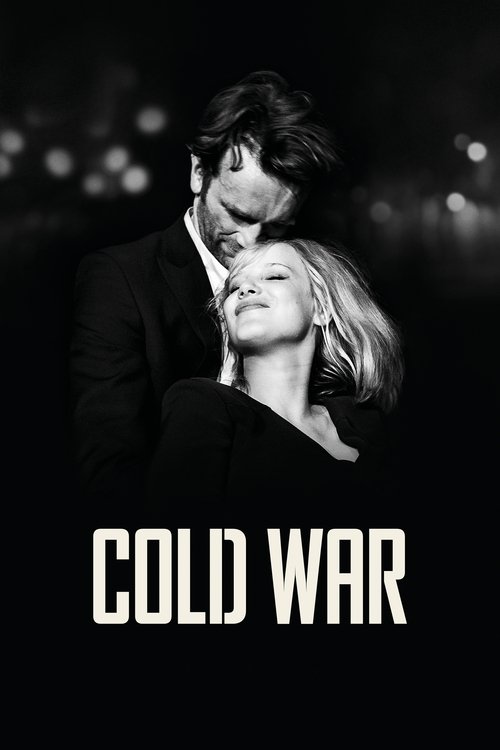
Cold War2018
Another Polish film that finds a doomed love story tangled up in Cold War politics, shot in the same austere black-and-white as Ashes and Diamonds, with the same sense that history keeps interrupting the people trying to live inside it.
But Pawlikowski's romance is glacial and elliptical—viewers wanting Cybulski's kinetic energy may find its stillness frustrating.
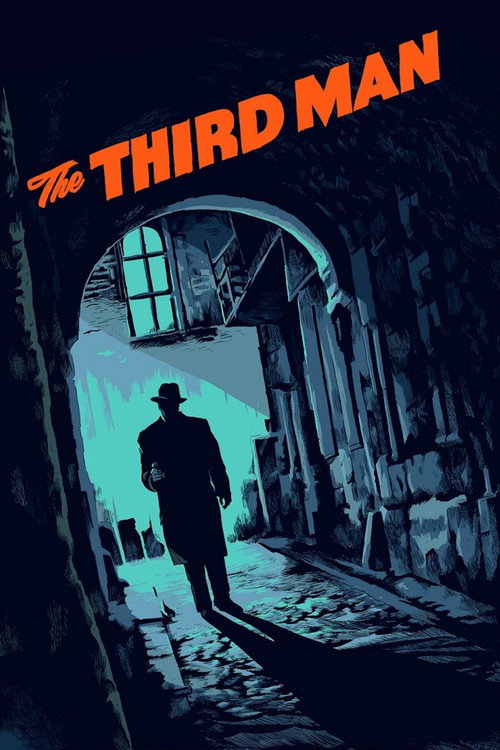
The Third Man1949
Postwar Vienna, moral rot, and a charismatic man nobody can quite trust—Carol Reed's noir shares Wajda's sense that the war's end didn't clean anything up, it just changed the rules of complicity.
But It's a genre thriller at heart, lighter and more playful than Wajda's tragedy, with a zither score that undercuts the dread.
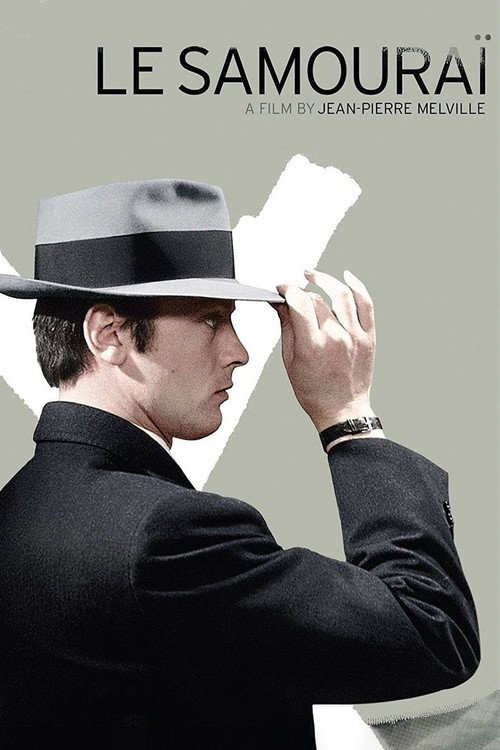
Le Samouraï1967
Alain Delon's contract killer, cool and doomed, is Maciek's spiritual cousin—a man bound to a code that's already outlived its usefulness, moving through a world that no longer needs him.
But It's stripped of politics and history entirely; the tragedy here is purely personal, without Wajda's national weight.
The wildcard
Something you would not have found on your own.
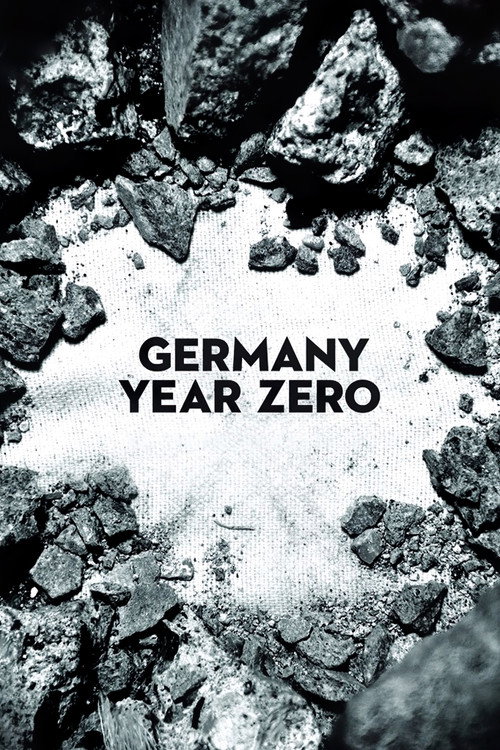
Germany, Year Zero1948
Both films sit in the exact same historical wound—Europe the moment the guns stop—and both ask what's left of a person once the cause that shaped them collapses. Wajda had Rossellini's neorealism in his bones; this is where his method came from.
Rossellini shot this in the actual rubble of Berlin a decade before Wajda, following a boy trying to survive amid the wreckage of an ideology that used him and discarded him.
But It's bleaker and more austere than Wajda's film, neorealist and nearly plotless, with none of the romantic warmth.
More like this (8)
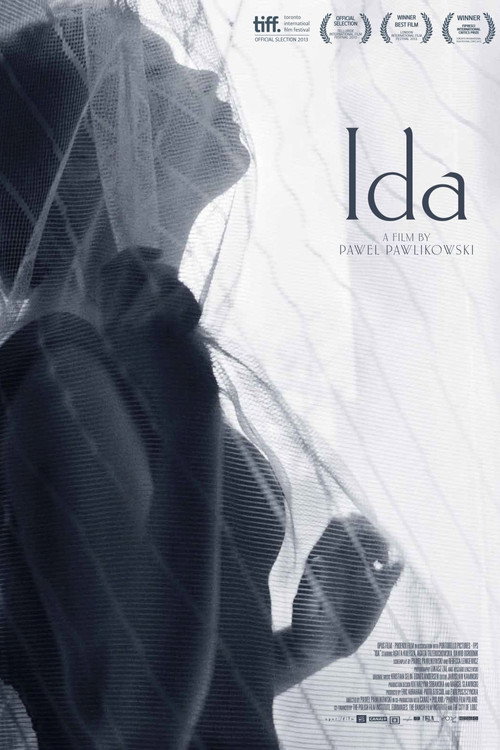
Ida2013
Another Polish film reckoning with what the war and its aftermath did to ordinary lives, filmed in the same stark black-and-white and the same unbearable stillness—Poland confronting its own ghosts.
But It's slower and quieter still, a road movie almost without incident; real patience is required.
The Conformist1971no page yet
Bertolucci's fascist-era drama about a man who commits to political violence just to belong, filmed with the same dazzling visual audacity Wajda brings—both directors turn ideology into striking imagery.
But It's more interested in psychosexual repression than in war's aftermath, and its nonlinear structure can be disorienting.
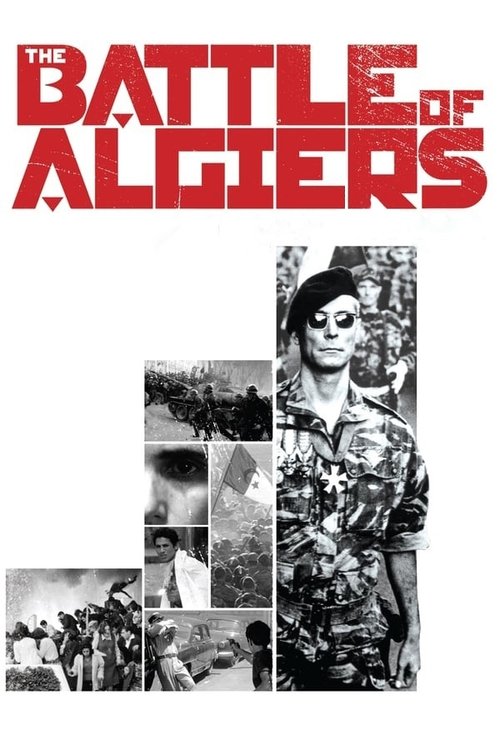
The Battle of Algiers1966
A film that refuses to let you cheer cleanly for either side of a war for independence—like Wajda, Pontecorvo understands that liberation and atrocity can share the same hand.
But It's a docudrama about insurgency and terrorism, colder and more procedural than Wajda's intimate tragedy.
Katyn2007no page yet
Wajda himself, decades later, confronting the massacre that haunts Polish memory—if Ashes and Diamonds is about the war's ambiguous end, this is about the lie that followed it.
But It's unflinching and grim to its bones, with none of the romantic tenderness that softens Ashes and Diamonds.
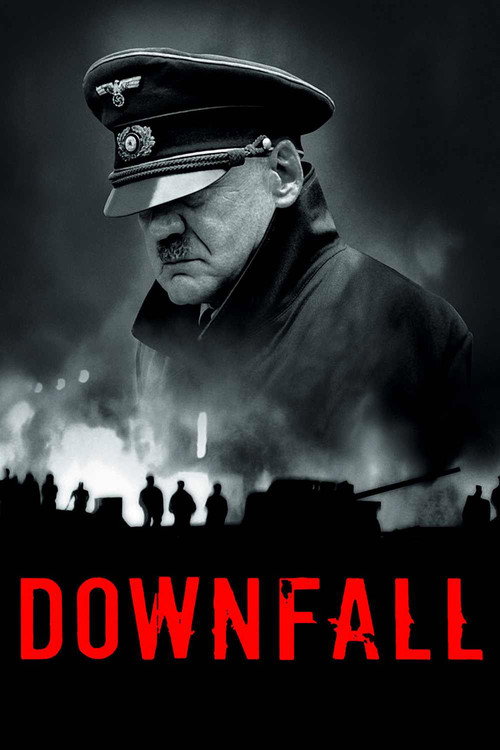
Downfall2004
The claustrophobic last days of a regime, where soldiers keep obeying orders that have already stopped making sense—the same portrait of loyalty outliving its purpose that drives Wajda's film.
But It's set entirely among the perpetrators of the war's great catastrophe, a darker moral universe with no equivalent to Maciek's redemption.
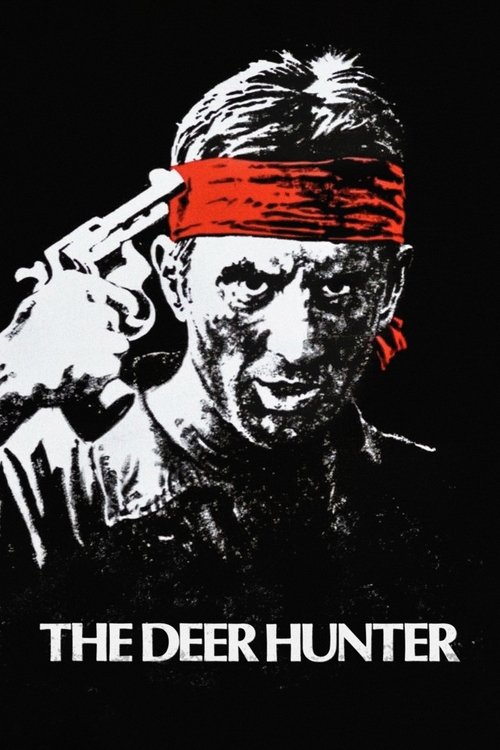
The Deer Hunter1978
Young men irreversibly changed by a war that's supposedly over, trying to hold onto love and normal life while violence keeps pulling them back—the same tragic pull as Maciek's last day.
But It's three hours long and Vietnam-specific, trading Wajda's compression and symbolism for slow-burn American realism.
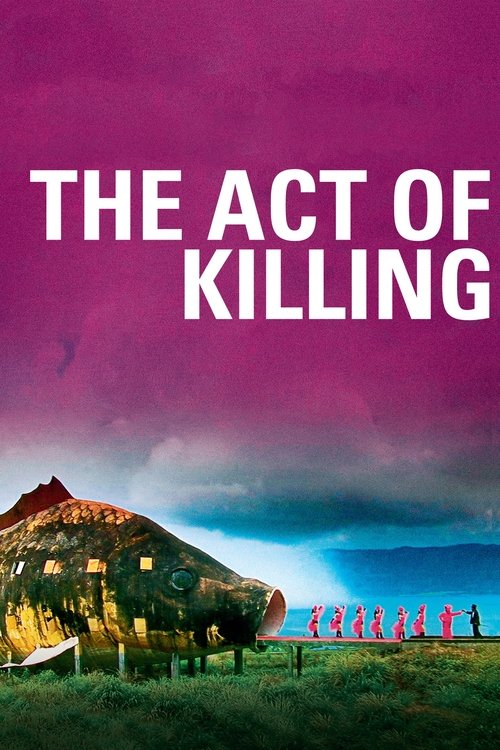
The Act of Killing2012
Maciek kills and is shattered by it; these men killed and were not. Watching both together is a study in what happens to a conscience under political violence—and what happens when there isn't one.
A documentary in which real death-squad leaders from 1960s Indonesia reenact their killings for the camera, cheerfully, without apparent guilt—the moral numbness Wajda dramatizes in fiction, filmed as unbearable fact.
But It's genuinely disturbing nonfiction with no story shape or resolution; it will sit with you in an unpleasant way.
The Wild Bunch1969
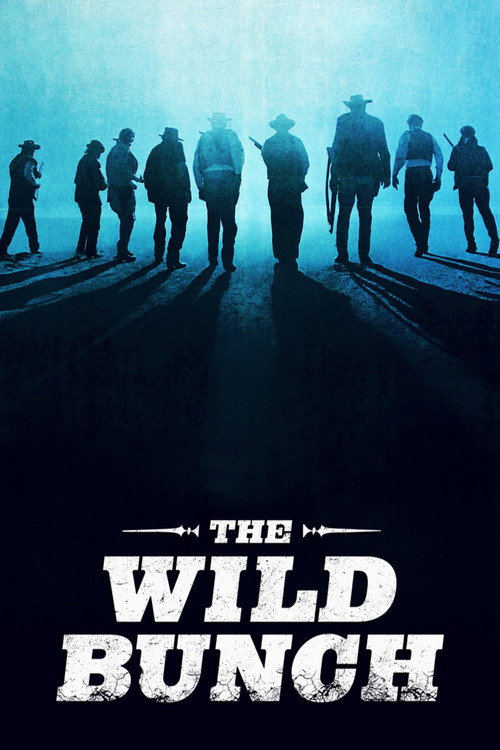
Same structure entirely—a small group of men bound by obligation, aware the world has already moved past them, choosing violence anyway. Wajda's postwar Poland and Peckinpah's dying Old West are the same story in a different costume.
Peckinpah's outlaws are also men whose code has outlived its world, riding toward one last doomed job because loyalty to an old order is the only thing they have left.
But It swaps Wajda's tragic restraint for operatic American violence—bloodier, louder, and far less interested in politics than in myth.
People
Cast
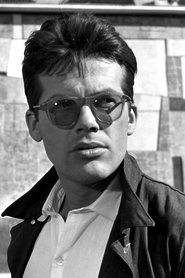 Zbigniew CybulskiMaciek Chełmicki
 Ewa KrzyżewskaKrystyna Rozbicka
 Wacław ZastrzeżynskiSzczuka
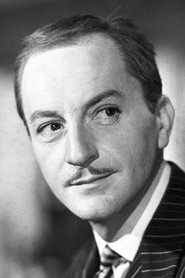 Adam PawlikowskiAndrzej Kossecki
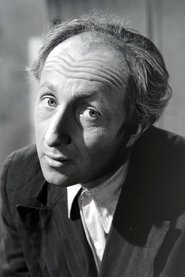 Bogumił KobielaDrewnowski
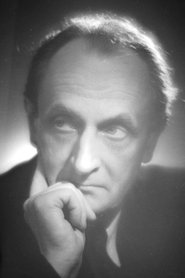 Jan CiecierskiPorter
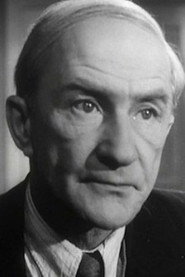 Stanisław MilskiPieniążek
 Artur MłodnickiKotowicz
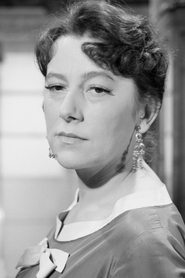 Halina KwiatkowskaStaniewiczowa
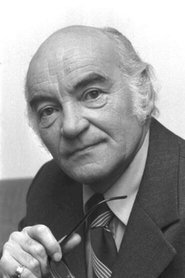 Ignacy MachowskiWaga
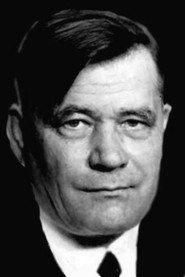 Zbigniew SkowrońskiSlomka
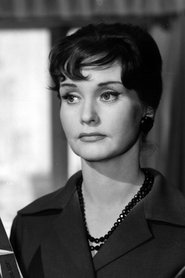 Barbara KrafftównaStefka
Directing
- Andrzej WróbelAssistant Director
- Anita JaneczkowaAssistant Director
- Jan WłodarczykAssistant Director
- Andrzej WajdaDirector
- Janusz MorgensternFirst Assistant Director
Writing
- Jerzy AndrzejewskiNovel
- Andrzej WajdaScreenplay
- Jerzy AndrzejewskiScreenplay
Production
- Ludwik HagerAssistant Production Manager
- Stanisław AdlerProduction Manager
- Michał SosińskiUnit Manager
- Zygmunt WójcikUnit Manager