
Film
Beanpole
- War drama
- Slow-burning
Beanpole is a visually stunning Russian drama set in 1945 Leningrad, following two young women scarred by war as they navigate grief, desire, and the possibility of rebuilding. Director Kantemir Balagov creates something hypnotic and brutal—intimate without ever becoming comfortable. It's for viewers who want cinema that holds nothing back.
If you liked this
Come and See1985
Elem Klimov's masterpiece about a boy caught in Nazi brutality is cinema's most unflinching portrait of war's corruption of the innocent. Devastating and essential.
But It is relentlessly bleak and features real horror that doesn't look away. Not for casual viewing.

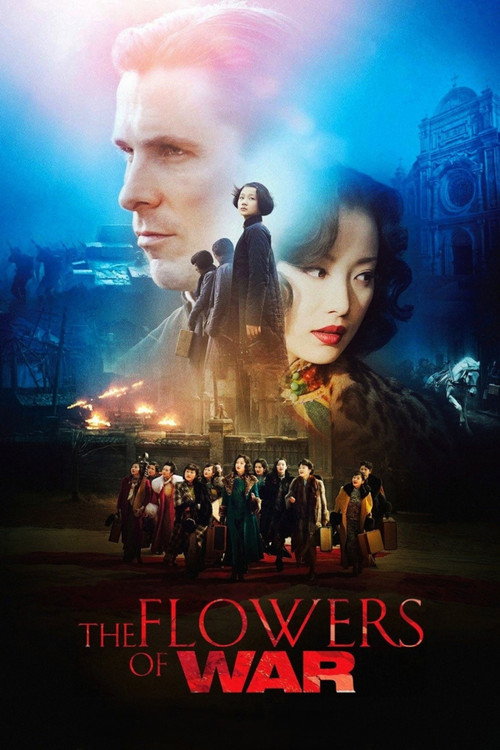
The Flowers of War2011
Zhang Yimou's meditation on war, shame, and the possibility of grace during the Japanese occupation of China. Visually opulent and morally complex in ways that linger.
But The pacing is deliberate and some may find the symbolism heavy-handed or the tonal shifts jarring.
Stalker1979
Tarkovsky's philosophical journey through a mysterious zone mirrors Beanpole's interest in how trauma transforms the landscape of the soul. Hypnotic and strange.
But It's three hours of slow cinema. If you need plot momentum, this will feel like watching paint dry in a philosophical argument.

Not sure tonight? Get a pick in a minute, starting from Beanpole
The wildcard
Something you would not have found on your own.
A Brand New Life2009
Both examine how children and young people survive war's aftermath through new bonds and reconstructed families, but this one privileges testimony and repair over psychological depth.
A Korean documentary about orphans raised by European families after the war. It echoes Beanpole's interest in how survivors piece together new identities, but from a radically different angle—testimony rather than drama, hope rather than ruin.
But It's a real documentary with the pacing and emotional rhythm of reality, not cinema. Some may find it unfocused or too calm.

More like this (7)
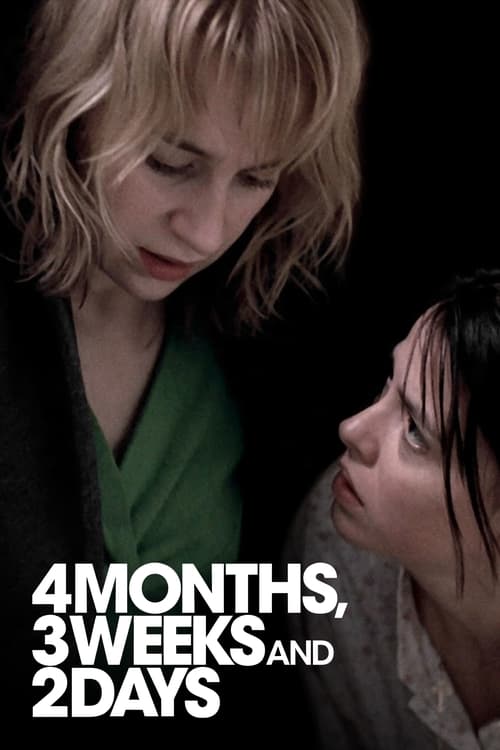
4 Months, 3 Weeks and 2 Days2007
Cristian Mungiu creates unbearable tension from quiet moments, showing how oppression and trauma fracture relationships. The restraint makes it more powerful, not less.
But It's a film about abortion under Ceaușescu with almost no music and minimal relief. Difficult doesn't begin to cover it.
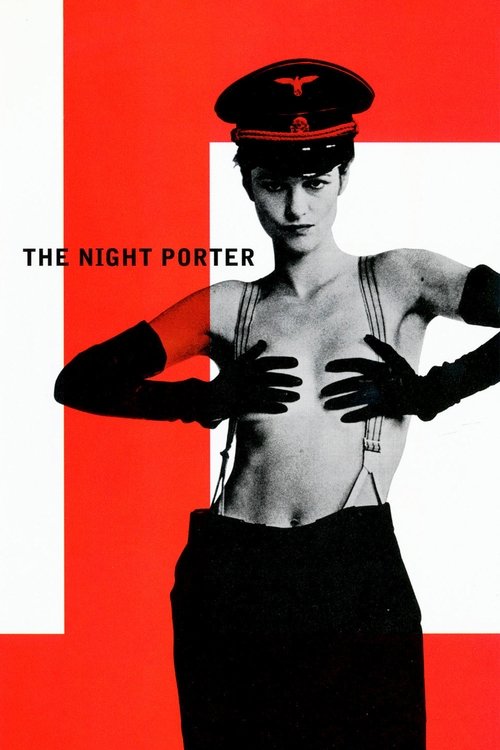
The Night Porter1974
Liliana Cavani's exploration of desire and trauma after the Holocaust is perverse, unsettling, and refuses easy moral judgments. Strange and unforgettable.
But It's genuinely controversial—the relationship it depicts will repel many viewers, and it's deliberately provocative rather than clarifying.
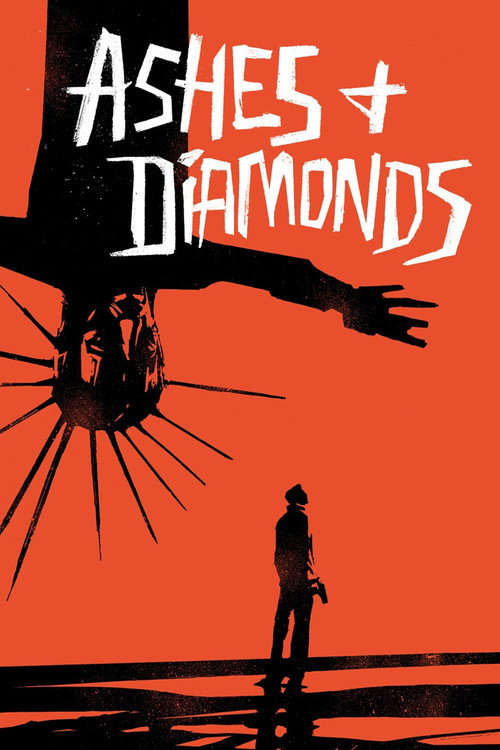
Ashes and Diamonds1958
Wajda's Polish masterpiece captures the moral chaos of post-WWII Europe through one night. A bridge between cinema and literature, technically dazzling and humanely complex.
But The historical context is dense and some emotional beats feel of another era—it requires patience and cultural literacy.
Winter Song2015
A haunting Latvian film about two women's relationship amid Soviet oppression. Deeply felt, visually austere, and concerned with the small intimacies that survive brutality.
But It's extremely slow and sparse. If you need dialogue and plot, this will frustrate you profoundly.
The Lord of the Rings: The Return of the King2003
Andrey Zvyagintsev's debut about a father's sudden reappearance is suffused with Russian dread and the weight of unspoken pain. A masterclass in visual storytelling.
But It's austere and emotionally opaque. You have to do a lot of the interpretive work yourself.
The Match Factory Girl1990
Shares Beanpole's visual language of rubble and resilience, but inverts the emotional register—quieter, more hopeful, almost dreamlike where Beanpole is raw.
A stunning short film about a girl in post-WWII Poland building a new life from scraps. It's Beanpole's sensibility—visual, poetic, about reconstruction—but concentrated into 22 minutes of pure cinema.
But It's very short and wordless. Some viewers want narrative and dialogue, not pure visual poetry.
The Second Mother2015
Both examine how women survive by creating makeshift families and unorthodox bonds, using visual detail and emotional restraint to suggest what cannot be spoken.
A Brazilian drama about class, exploitation, and the unspoken bonds between women. It has Beanpole's interest in how trauma and need bind people together, but transplants it to a completely different setting and examines economic rather than war-born scarring.
But It's set in contemporary São Paulo amongst domestic workers—if you're seeking war cinema specifically, this detour may feel like a betrayal.
People
Cast
 Viktoriya MiroshnichenkoIya Sergueeva
 Vasilisa PerelyginaMasha
 Konstantin BalakirevStepan
 Kseniya KutepovaLyubov Petrovna
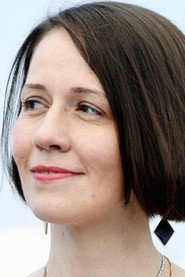 Olga DragunovaSeamstress
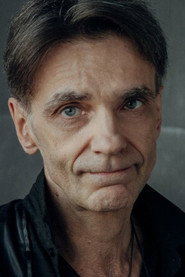 Andrey BykovNikolay Ivanovich
- Igor ShirokovSasha
- Timofey GlazkovPashka
- Alyona KuchkovaStepan's Wife
- Veniamin KacSasha's Friend
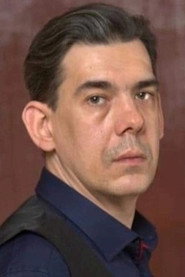 Denis KozinetsSasha's Father
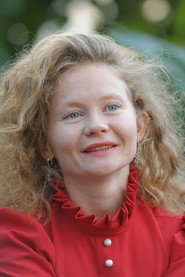 Alisa OleynikKatya
Directing
- Kantemir BalagovDirector
Writing
- Alexander TerekhovWriter
- Kantemir BalagovWriter
Production
- Michel MerktAssociate Producer
- Vladimir GolovCasting
- Anna GolenkoCasting Assistant
- Buslo AlionaLine Producer
- Platon EmikhLine Producer
- Alexander RodnyanskyProducer
- Ellen RodnianskiProducer
- Natalya GorinaProducer
- Sergey MelkumovProducer