
Film
Winter Song
Other titles called Winter Song: the 2023 film.
A deadpan French comedy about two aging drifters on a surreal urban odyssey centered around a historical skull. Deliberately paced, visually playful, and concerned more with mood and digression than plot. For patient viewers who find absurdist wandering more rewarding than narrative momentum.
Should you watch it?
Watch it if you like deadpan, faintly melancholy comedy where absurd details are played perfectly straight and mood outweighs plot, and you are happy to drift along with an old comic's unhurried gaze.
Skip it if you need brisk plotting or a clear throughline, since this wanders from episode to episode with loose, dreamlike logic and may test your patience over its 117 minutes.
What it asks of you: Plan for a leisurely run of nearly two hours where scenes linger longer than their jokes need, and the mood drifts rather than builds, so give it room to breathe.
Not sure? Find tonight's pick in a minute.
If you liked this
Stalker1979
Tarkovsky's meditative science-fiction about a guide leading two men into a mysterious zone. Like Winter Song, it privileges contemplation and digression over conventional storytelling, with an unhurried camera that finds meaning in waiting.
But Nearly three hours of slow, philosophical filmmaking with minimal plot development. If you need action or clear dramatic stakes, this will feel like watching paint dry.

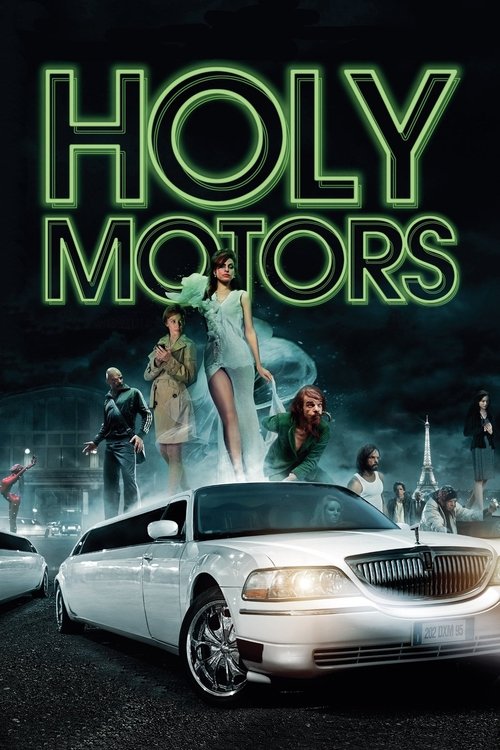
Holy Motors2012
Leos Carax's dazzling film about an actor moving between surreal performances across Paris. Both films treat the city as a dreamscape; both embrace bizarre logic and follow characters on elliptical journeys without explaining themselves.
But Genuinely strange and formally experimental. The narrative logic is intentionally opaque, and what's "really happening" remains deliberately unclear throughout.
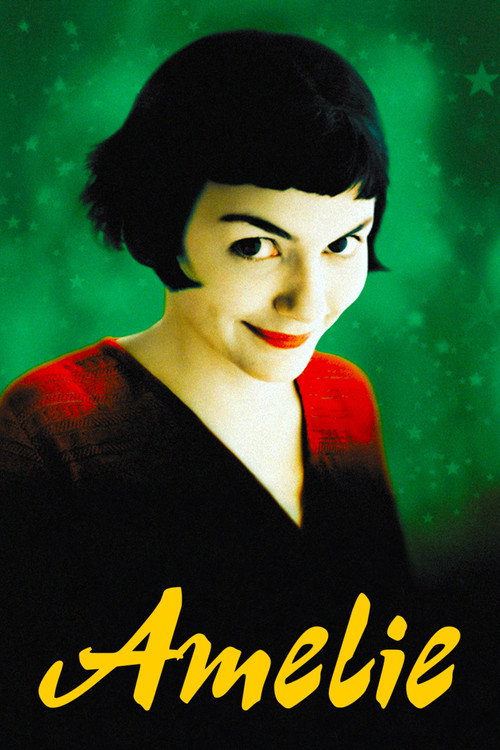
Amélie2001
Whimsical French cinema about an outsider moving through Paris, finding meaning in small moments and quirky encounters. Shares Winter Song's affection for urban eccentricity and magical-realist sensibility, though much more overtly charming.
But Its whimsy can feel aggressively precious. The color palette is almost exhaustingly stylized, and the saccharine moments land hard if that's not your frequency.
Not sure tonight? Get a pick in a minute, starting from Winter Song
The wildcard
Something you would not have found on your own.
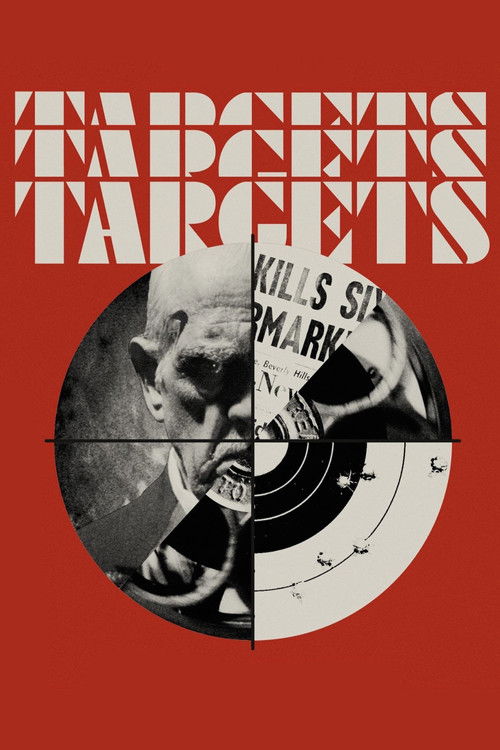
Targets1968
Both treat extreme subject matter with steadfast refusal to dramatize or sensationalize; both embed horror in the quotidian.
Bogdanovich's debut is a killer-on-the-loose thriller that makes an explicit point: death happens banal, mundane, in daylight. Winter Song also treats the grotesque (an executed aristocrat's skull) as perfectly normal décor for everyday wandering. Both refuse sensationalism.
But A film about a mass shooter; the violence is sudden and unromantic, which is the point but also precisely why it's difficult. Some viewers find that approach exploitative regardless of intent.
More like this (8)
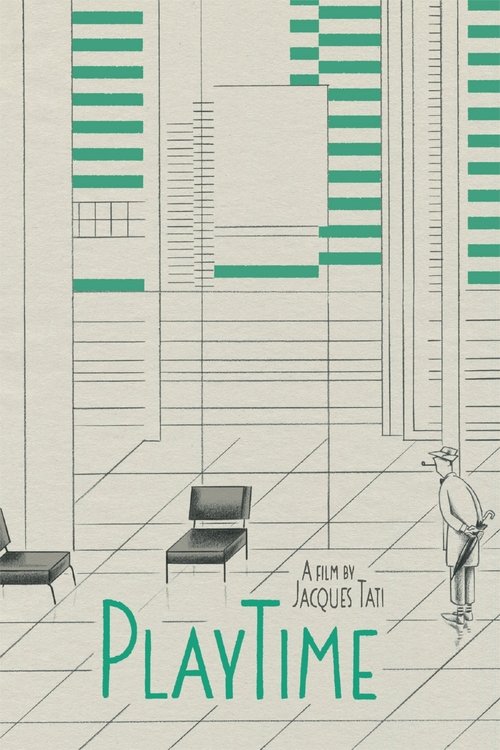
PlayTime1967
Tati's masterpiece about wandering through a modernist Paris, finding comedy in observation and spatial detail. Like Winter Song, it's obsessed with how people move through cities, and prefers showing over telling.
But Virtually plotless and deliberately static. The humor is entirely visual and architectural—if you're looking for dialogue-driven comedy, you'll be frustrated.
The Turin Horse2011
Béla Tarr's elegiac final film about two characters in repetitive isolation. Both films move like ritual, find strange beauty in decay, and treat dialogue as sparse decoration rather than narrative engine.
But Bleak, monochromatic, and deeply pessimistic. Characters repeat actions mechanically; nothing builds toward a conclusion. It's deliberately anti-dramatic.

A Ghost Story2017
A meditative haunting about time, loss, and presence. Like Winter Song, it's formally unconventional and more interested in emotional texture than plot clarity, with an offbeat humor that coexists with genuine melancholy.
But The pacing is glacial, and a key scene involves a character eating pie for several unbroken minutes. It requires a specific tolerance for formal strangeness in service of feeling.

Synecdoche, New York2008
Kaufman's fractured drama about a theater director blurring art and reality. Both films use their cities as characters and allow narrative logic to slip; both are warmly humanist beneath their formal oddness.
But Dense, self-referential, and genuinely depressing. It sprawls without resolution, and the emotional weight is crushing rather than playful.

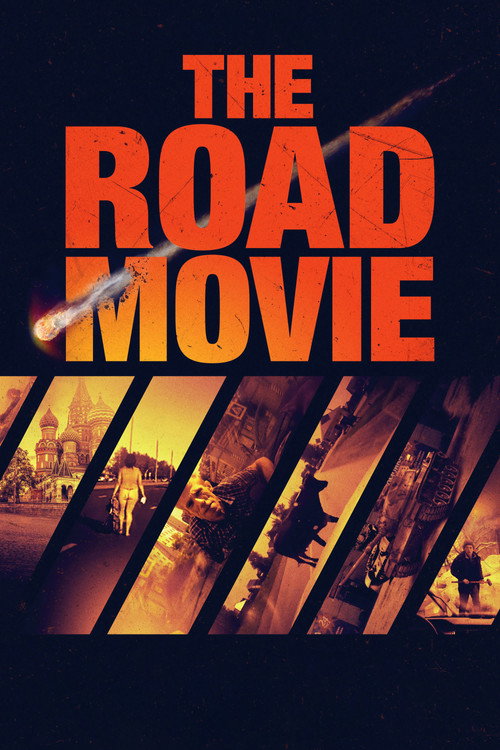
The Road Movie2018
A documentary of dashboard-camera footage from Russian drivers, entirely free of narration or judgment. Like Winter Song, it's a journey through a landscape where the wandering itself is the point, and minor moments accumulate into something profound.
But No plot, no clarity about what you're seeing, no conventional narrative arc. Some footage is mundane; you're asked to find meaning in accident footage and traffic.
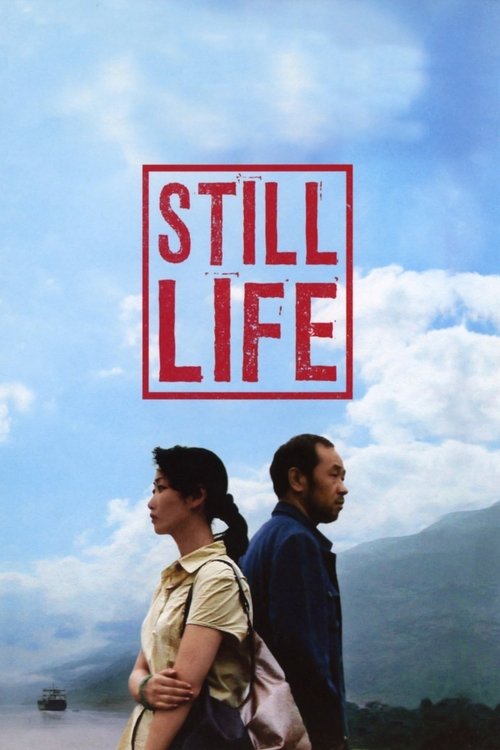
Still Life2006
Jia Zhangke's patient film about a man searching for his estranged wife in a Chinese city scheduled for demolition. Shares Winter Song's acceptance of ellipsis and its belief that showing up and observing is enough.
But Deliberately slow, often static framing. The plot (such as it is) unfolds through minimal dialogue and long stretches of simply being present in space.
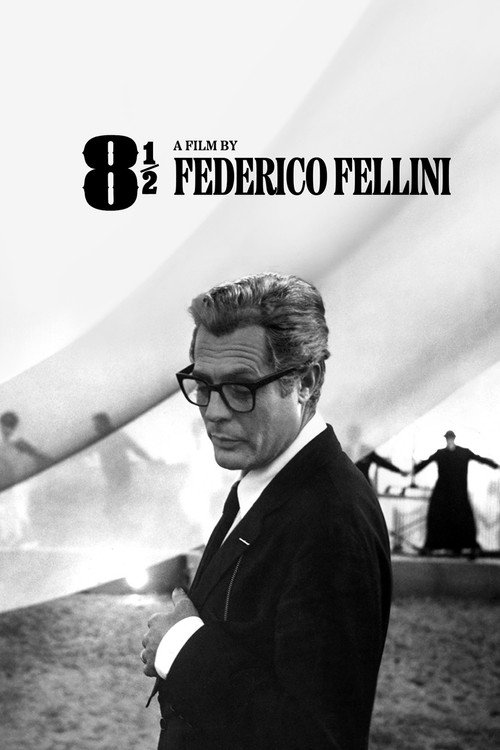
8½1963
Both are films about wandering that become films about the act of wandering itself; both are formally loose and thematically concerned with memory, aging, and artistic paralysis.
Fellini's phantasmagoric comedy about a director lost in his own mind, wandering through Rome collecting strangers and memories. Like Winter Song, it's fascinated by eccentrics and digressions, and treats the city as a psychological space rather than mere backdrop.
But Baroque, sometimes incoherent, very long, and openly self-indulgent. It valorizes the director's neuroses; some viewers find that permission for self-absorption tiresome.
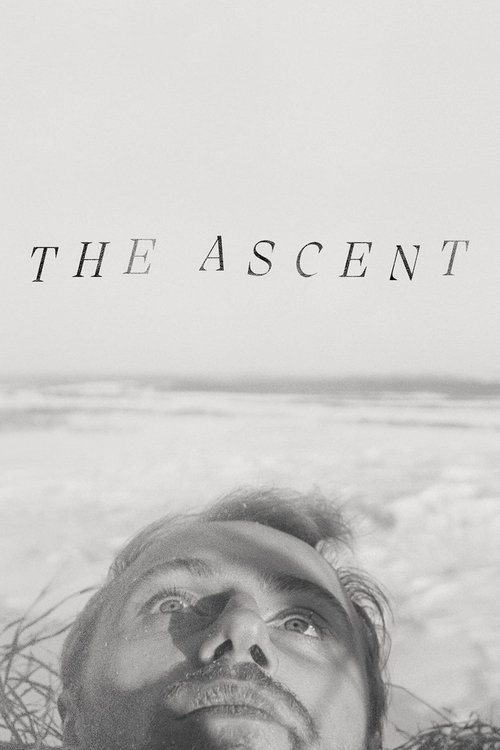
The Ascent1977
Both are films about two figures moving through space where the landscape—spiritual, metaphorical, literal—becomes the true character.
Larisa Shepitko's hypnotic Soviet film about two partisans trekking toward certain death through snow and landscape. A spiritual, almost mystical work where the journey matters more than arrival. Winter Song shares its faith in wandering as spiritual act, though one is comic and one is tragic.
But Slow, metaphysical, and philosophically bleak. Shot in near-monochrome snow; its elevation is felt rather than explained. It's meditative rather than narrative.
People
Cast
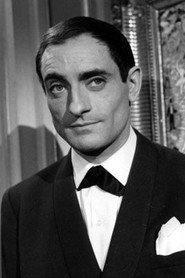 Pierre ÉtaixMarquis-Clochard
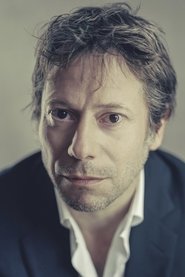 Mathieu AmalricBâtisseur
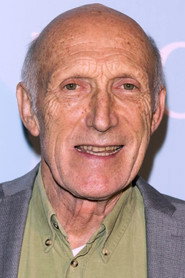 RufusConcierge
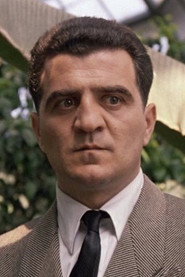 Amiran Amiranashvili (II)Anthropologue
 Mathias JungPréfet
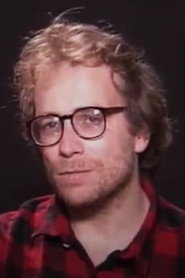 Enrico GhezziBaron
- Altinaï Petrovitch-NiegoshFille Frivole
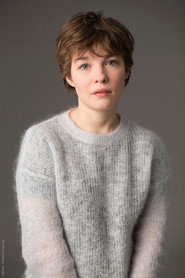 Sarah BrannensLa Voisine
- Samantha MialetL'Emigrée
- Fiona MonbetVioloniste
 Claudine AcsLa Comtesse
- Josef Roumanet-MonbelletL'Enfant
Directing
- Otar IosselianiDirector
Writing
- Otar IosselianiWriter
Production
- Martine MarignacProducer
- Otar IosselianiProducer
- Martine MarignacProduction Director
Recommended by
1987: When the Day Comes, The Kid with a Bike, Sea Sorrow, Mayor, Fire in Paradise, City of Men, Budrus, India's Daughter, Pink, The Invisible War, Under the Volcano, Saving Face, Code Name K.O.Z., Made in Bangladesh, Magnifico, The Road to Guantanamo, Beanpole, Western, The Weight of Chains 2, Kutti Puli, Alps