
Film
1987: When the Day Comes
A Korean thriller about the 1987 death of a college student in police custody that sparks mass uprising against military dictatorship. Taut, angry, and deeply felt, it follows multiple characters—from the grieving father to the prosecutor seeking truth—as they navigate corruption and risk everything for justice. Essential viewing for understanding modern Korea.
Should you watch it?
Watch it if you are drawn to political thrillers where the drama lives in procedure, back rooms and small acts of nerve, as prosecutors, reporters and ordinary people push against a regime's lies.
Skip it if you need fast pacing or a tidy, self-contained story, since this runs just over two hours and spends much of its time on investigation and stalled institutions.
What it asks of you: Settle in for about two hours of measured, deliberate storytelling, where the tone stays grim and tense and rarely lets up for relief.
Not sure? Find tonight's pick in a minute.
If you liked this
Spotlight2015
Two journalists and their team methodically expose institutional child abuse in the Catholic Church. Like 1987, it's about ordinary people refusing to accept official lies, building a case through persistence rather than heroics.
But The pacing is deliberately slow and procedural; if you want action or emotional manipulation, this won't give it to you.

Memories of Murder2003
Another Korean masterpiece about truth-seeking under oppression. Bong Joon-ho's serial killer film uses the hunt for a killer as a lens on state corruption and institutional failure, with the same moral weight as 1987.
But It's darker and more ambiguous in its ending; the investigation doesn't resolve the way justice narratives usually do.

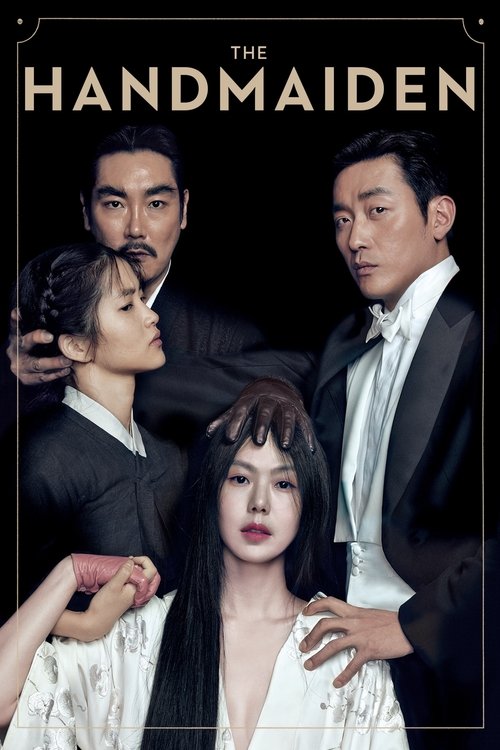
The Handmaiden2016
A stunning Park Chan-wook thriller set in Japanese-occupied Korea, featuring intricate plotting and moral complexity. Its exploration of power, deception, and resistance in an authoritarian period shares 1987's historical urgency.
But It's a con film first, a period drama second—if you're looking for straightforward history, this subverts expectations constantly.
Not sure tonight? Get a pick in a minute, starting from 1987: When the Day Comes
The wildcard
Something you would not have found on your own.
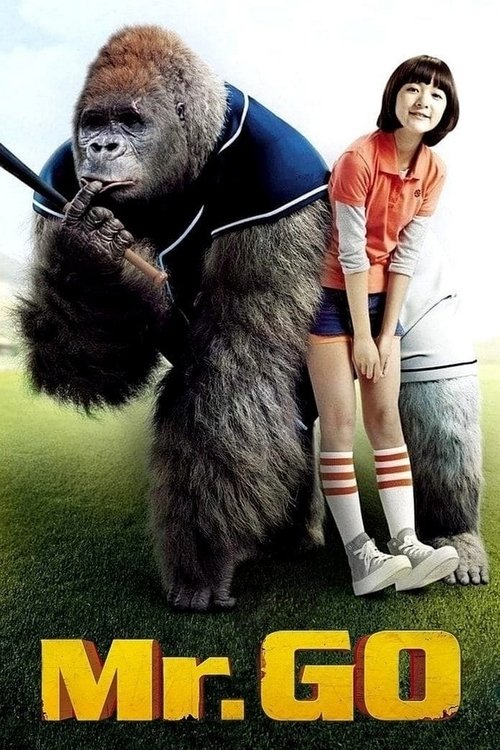
Mr. Go2013
Both use narrative momentum to sneak in rage at institutional cruelty; both trust the audience to feel the injustice without being hit over the head.
A Chinese-Korean co-production about a circus worker and a mistreated gorilla, it sounds like family fare but carries real anger about exploitation and the powerlessness of the innocent. Like 1987, it's about speaking truth to systems indifferent to suffering.
But It's tonally strange—a kids' film that's also genuinely dark—and the CGI gorilla occasionally undercuts the emotional stakes.
More like this (8)
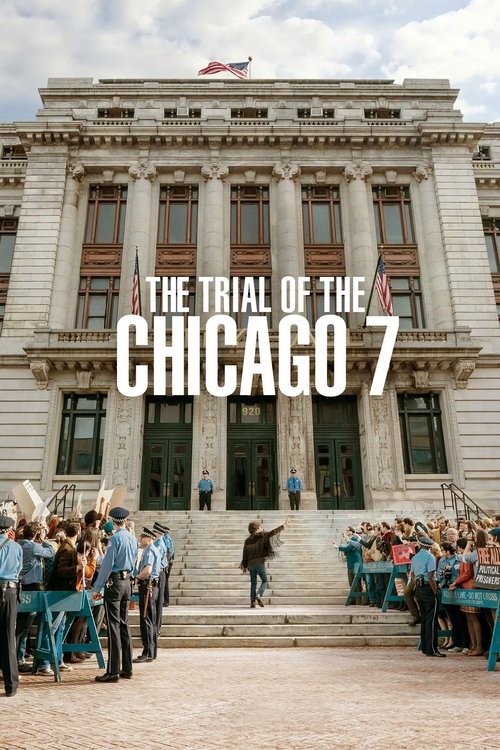
The Trial of the Chicago 72020
Aaron Sorkin's courtroom thriller about activists prosecuted for 1968 convention protests. Captures the same tension between state machinery and citizens demanding accountability, with excellent ensemble acting and rapid-fire dialogue.
But It's more Hollywood than 1987; the emotional beats are broader, and some legal details are simplified for dramatic effect.
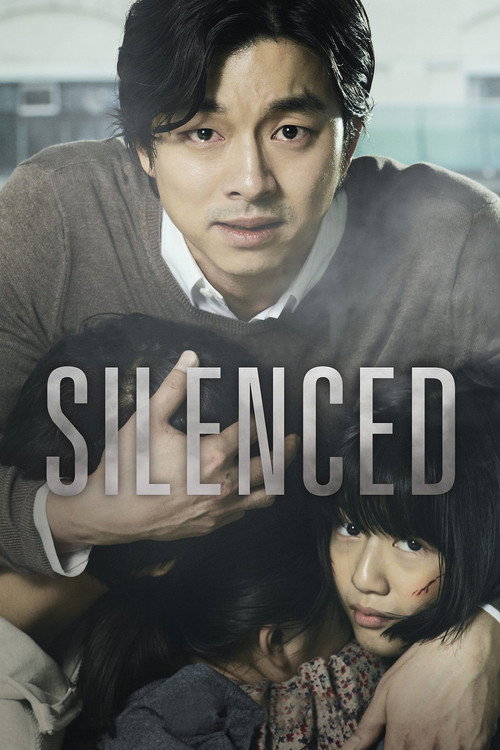
Silenced2011
A harrowing Korean film about institutional abuse and the struggle to seek justice against entrenched power. Like 1987, it's rooted in a real case and channels raw anger into a call for accountability.
But It's genuinely difficult to watch—the abuse sequences are graphic, and the system's failure to act is infuriating by design.
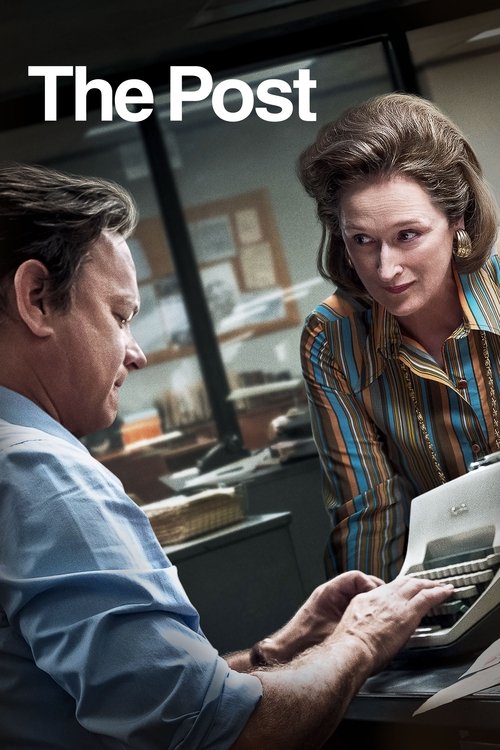
The Post2017
Spielberg's film about the Washington Post's decision to publish the Pentagon Papers. It shares 1987's theme of institutions and individuals confronting governmental secrecy, with sterling performances from Streep and Hanks.
But It's more establishment-friendly than 1987; the victory feels more assured, and the film trusts in institutional checks that Korea's resistance couldn't.
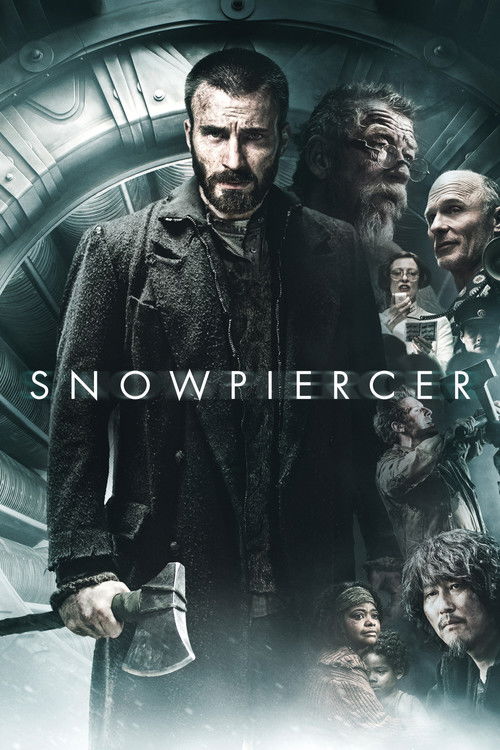
Snowpiercer2013
Bong Joon-ho's class-warfare thriller uses a train as a microcosm of rigid hierarchy and systemic injustice. The same energy as 1987—ordinary people pushing back against an oppressive order—but in a sci-fi register.
But It's stylised and allegorical; if you want realism and historical specificity, this is wildly the opposite direction.
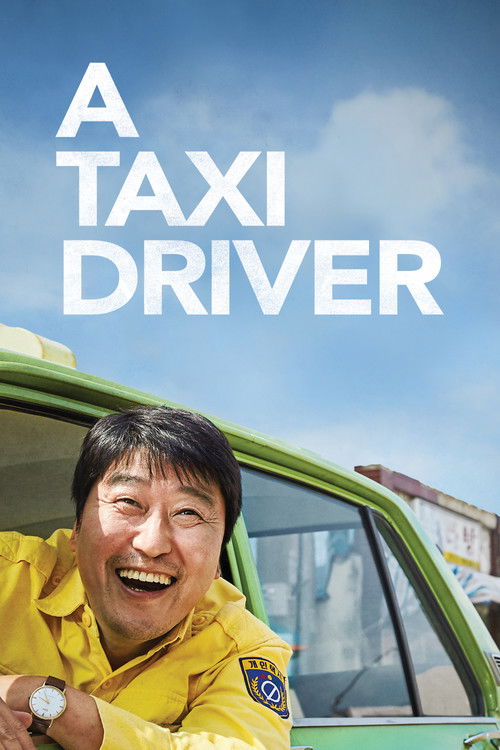
A Taxi Driver2017
Released the same year as 1987, this film depicts the 1980 Gwangju Uprising through a taxi driver caught in history. It's a more intimate, character-driven approach to the same era of Korean resistance and military brutality.
But It focuses on one man's perspective rather than systemic investigation; the scope is narrower and the historical context less explicitly explained.
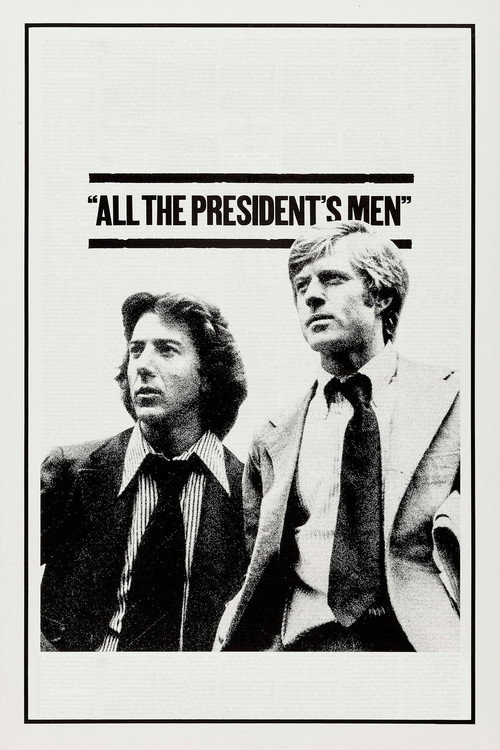
All the President's Men1976
Woodward and Bernstein's Watergate investigation as procedural thriller. The DNA of 1987—two journalists, institutional corruption, incremental truth-building—done with craft and restraint that influenced every political thriller since.
But At nearly three hours and made in 1974, it moves slowly and assumes you know Watergate; some of the journalism techniques feel dated now.
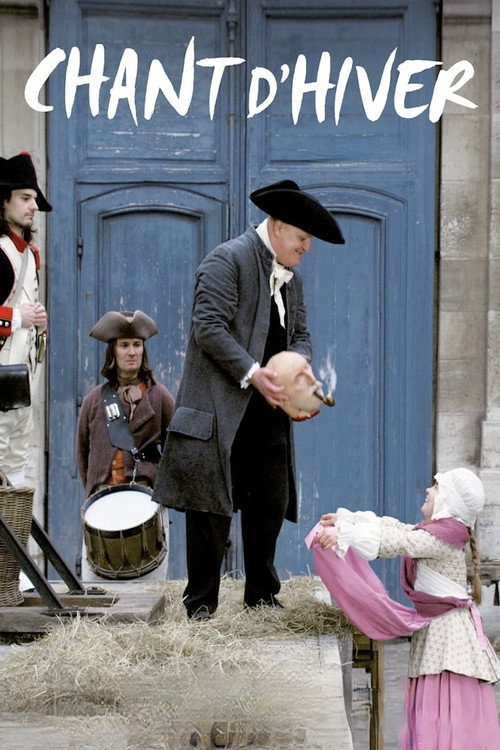
Winter Song2015
Both find power in small acts of human dignity maintained against systems designed to crush it; both trust silence and stillness to say what shouting cannot.
A documentary following a classical musician and her student in rural Korea. It's meditative, sometimes wordless, but it captures the same quiet persistence and dignity you see in 1987's ordinary heroes refusing to accept violence as the final word.
But There's no plot, no dramatic arc—if you need narrative propulsion, this will feel glacially slow and oblique.
The Wailing2016
Both are Korean films obsessed with how institutions fail ordinary people when they need protection most; both use genre (thriller vs. horror) to explore moral collapse.
Na Hong-jin's supernatural mystery about a village gripped by suspicion and violence. Beneath the horror-thriller surface, it's about how fear and institutional failure create chaos—the same moral vacuum that 1987 documents, but approached through dread instead of political argument.
But It's deliberately obscure; the ending resists resolution, and if you want clarity or a stable interpretation, you'll leave frustrated.

People
Cast
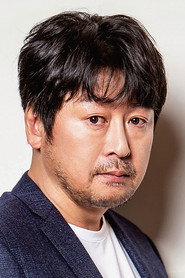 Kim Yoon-seokPark Cheo-won
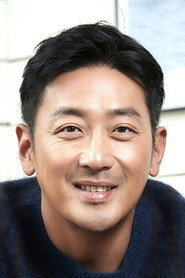 Ha Jung-wooProsecutor Choi Hwan
 Yoo Hai-jinHan Byung-yong
 Kim Tae-riYeon-hee
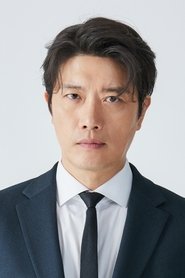 Park Hee-soonDetective Jo Han-kyung
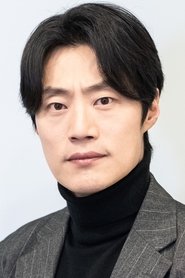 Lee Hee-junReporter Yoon Sang-sam
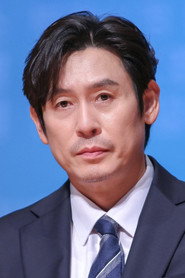 Sul Kyung-guKim Jung-nam
 Yeo Jin-gooPark Jong-chul
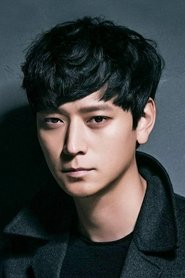 Gang Dong-wonLee Han-yeol
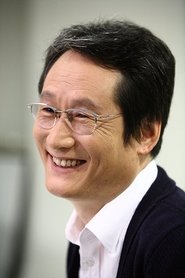 Moon Sung-keunJang Se-dong
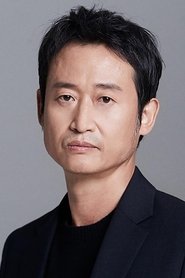 Yoo Seung-mokYoo Jung-bang
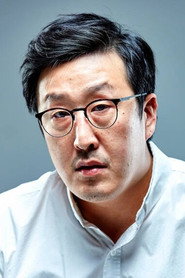 Hyun Bong-sikMr. Park
Directing
- Kim Min-sungAssistant Director
- Kim Sung-hanAssistant Director
- Jang Joon-hwanDirector
Writing
- Jang Joon-hwanAdaptation
- Kim Kyung-chanAdaptation
- Lee Woo-jeongAdaptation
- Kim Kyung-chanWriter
Production
- Su KimCasting Director
- Kim Young-hoonCo-Executive Producer
- Lee Woo-jeongExecutive Producer
- Jang Young-hwanProducer
- Jeong Won-chanProducer
Recommended by
All the President's Men, Made in Korea, Designated Survivor: 60 Days