
Film
Alps
- Drama
- Strange
- Slow-burning
Yorgos Lanthimos's 2011 debut presents a grief-for-hire service where surrogates impersonate the dead for bereaved families. It's austere, deadpan, and deeply strange—shot with clinical coldness that makes the emotional core hit harder. For those who find beauty in discomfort and meaning in the perverse.
If you liked this
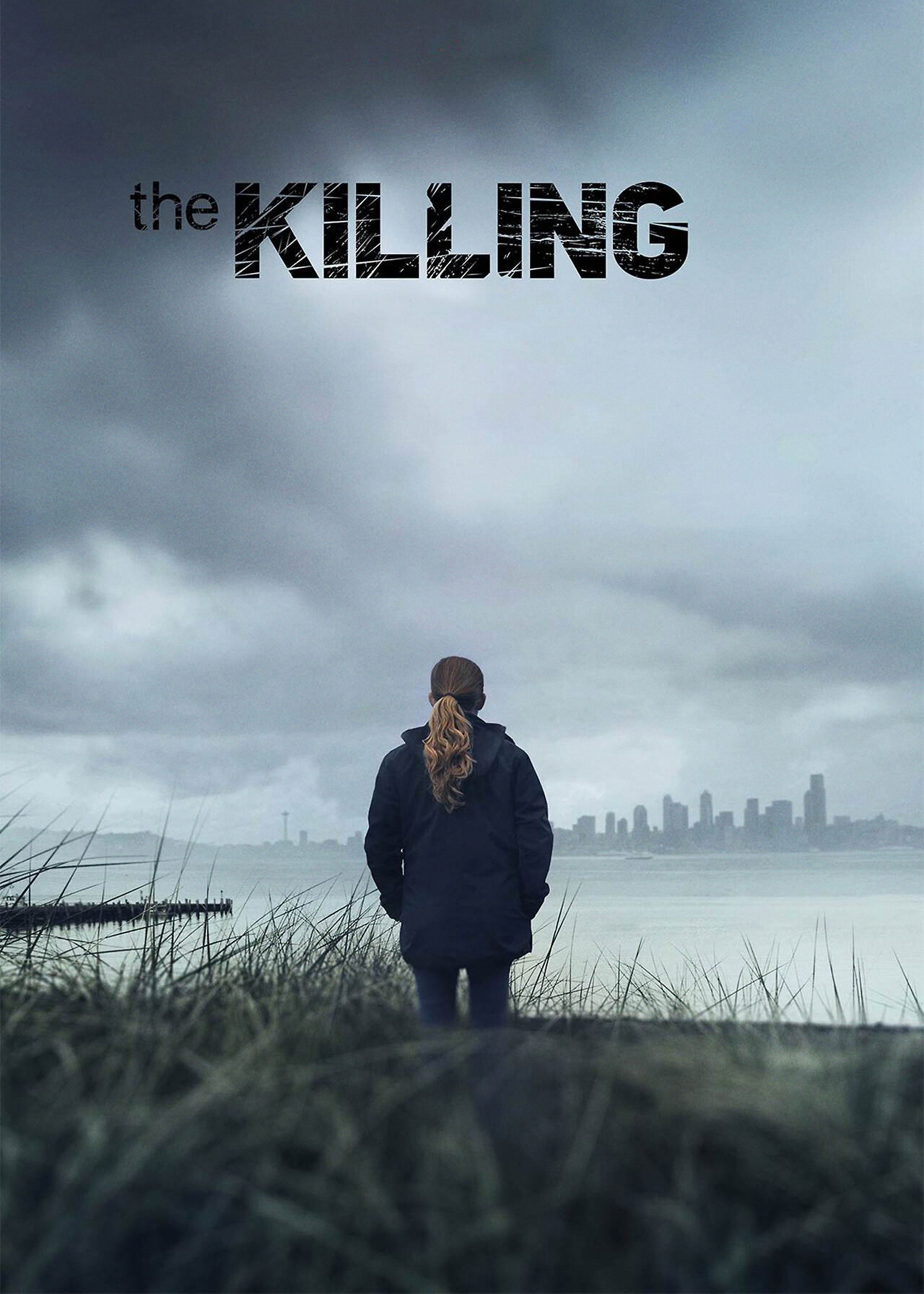
The Killing2011
A methodical Danish crime series that shares Alps' fascination with ritual, routine, and the ways people cope with grief and trauma through obsessive focus. Both move with deliberate patience.
But It's a 20-episode commitment with a deliberately slow burn that some find glacial, and the violence can be genuinely upsetting rather than abstracted.
A Ghost Story2017
Grief told as something strange and surreal rather than naturalistic. A meditative film about loss that finds profound emotion through an unconventional formal conceit, much like Alps does.
But It's more straightforward in its heart than Alps, and some viewers find the pacing—or the sheet—more pretentious than moving.

Synecdoche, New York2008
Charlie Kaufman's masterwork about performance, grief, and the line between art and life. Shares Alps' interest in how we simulate emotion and what that simulation might mean for real feelings.
But It's maximalist where Alps is minimal, and three hours of spiralling anxiety. Some find it self-indulgent rather than profound.

Not sure tonight? Get a pick in a minute, starting from Alps
The wildcard
Something you would not have found on your own.
Come and See1985
Both use performance and substitution as a way to explore what cannot be directly represented—the performance of grief and the limits of that performance in the face of genuine loss.
Elem Klimov's Soviet war film is arguably the most morally serious cinema ever made. It uses surrogacy—a child performer standing in for innocence destroyed—as its deepest formal idea. Like Alps, it's about what happens when we ask bodies to perform what grief looks like.
But It documents atrocity with unflinching precision. One of cinema's most difficult watches; some find it unwatchable rather than meaningful.

More like this (8)
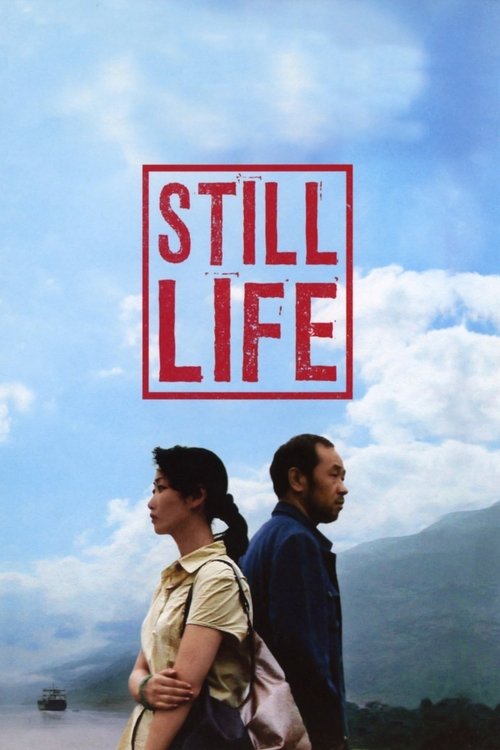
Still Life2006
Jia Zhangke's meditation on Chinese life shot with documentary-like restraint. Like Alps, it finds profundity in observing people going about quiet, mundane tasks with zero sentimentality.
But Almost nothing happens. Dialogue is sparse. It requires patience and a taste for cinema that values mood over incident.
In the Mood for Love2000
Wong Kar-wai's chamber piece about longing and the rituals people perform to manage desire. Shares Alps' precision and its interest in how we choreograph feeling rather than simply feel it.
But It prioritizes mood and visual beauty over plot or character clarity. Some find it too remote or too slow.

Requiem for a Dream2000
A punishing, formally inventive film about addiction and the stories we tell ourselves. Like Alps, it's unsentimental about human desperation and uses repetition as a tool.
But It's relentlessly dark and assaultive. The formal experimentation can feel gimmicky, and it offers no comfort or redemption.

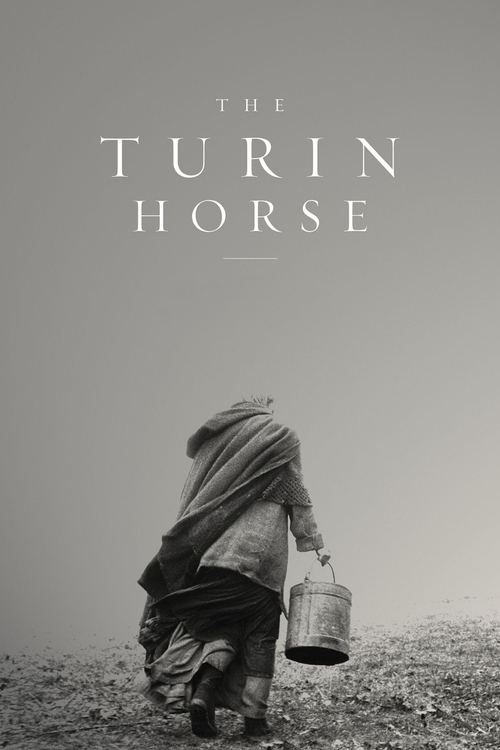
The Turin Horse2011
Béla Tarr's final film, released the same year as Alps, about routine and decline. Both share a cold, observational eye and a fascination with the repetition that structures daily life.
But It's bleak to the point of nihilism and almost entirely in black and white. Tarr makes no concessions to narrative or conventional drama.
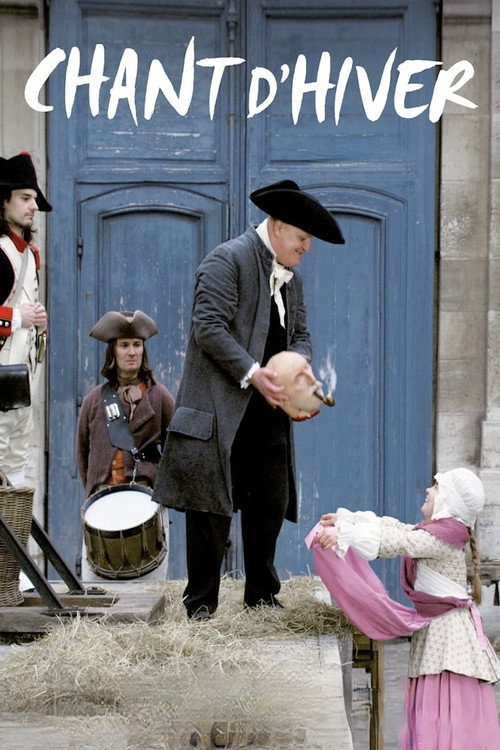
Winter Song2015
A sparse, haunted duet between two people in a house. Like Alps, it's interested in the spaces between things—silence, gesture, the weight of absence rendered visible.
But Virtually plotless and reliant on the viewer's willingness to project meaning. It's mannered and can feel emptily formal.
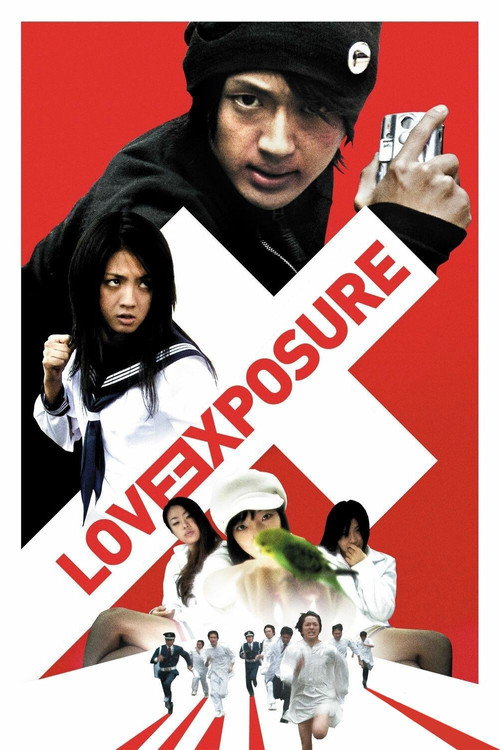
Love Exposure2008
Sion Sono's four-hour provocation about faith, performance, and the rituals we use to navigate desire and connection. Like Alps, it's strange and uncompromising in its logic.
But It's chaotic, excessive, and genuinely difficult—part melodrama, part satire, part exploitation. Not everyone can parse what Sono wants from you.
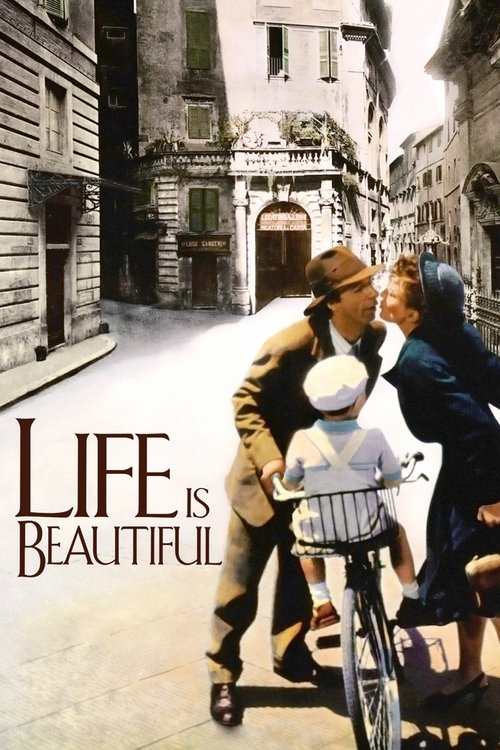
Life Is Beautiful1997
Both explore the ethics of performance in the presence of death—whether impersonation can heal or only ever wounds, and who has the right to decide.
Roberto Benigni's film about a father who constructs an elaborate fiction to shield his son from the Holocaust. It's the moral inverse of Alps: performance as love rather than as service, as salvation rather than simulacrum. Both ask what we owe to the grieving.
But Its sentimentality and belief in beauty offend some as inappropriate to its subject. It can read as manipulative where Lanthimos is austere.
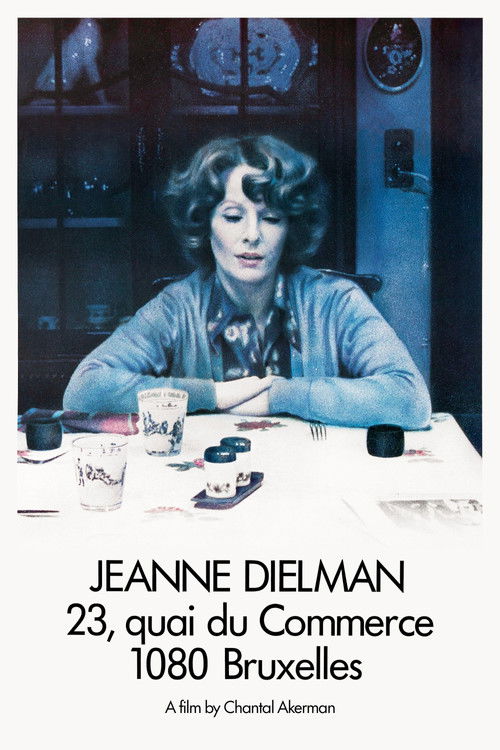
Jeanne Dielman, 23, quai du Commerce, 1080 Bruxelles1976
Both use formal restraint and the observation of repeated gestures to reveal the emotional architecture beneath the mundane. Both ask what we're actually looking at when we watch someone perform a role.
Chantal Akerman's three-hour essay on routine, domesticity, and the labor that structures daily life. Shot with deadpan precision, it finds profound meaning in the repetition of small gestures—the same eye as Alps, applied to housework instead of grief-performance.
But It is nearly devoid of incident or conventional drama. Three hours of a woman cooking, cleaning, and maintaining her home. Many find it boring rather than revelatory.
People
Cast
 Angeliki PapouliaNurse
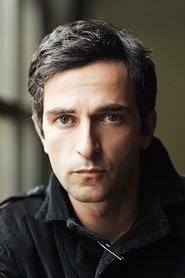 Aris ServetalisStretcher-bearer
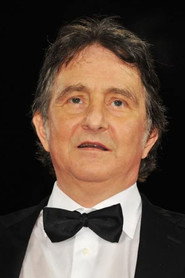 Johnny VekrisCoach
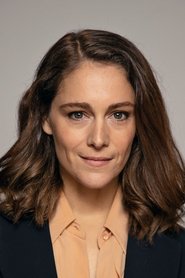 Ariane LabedGymnast
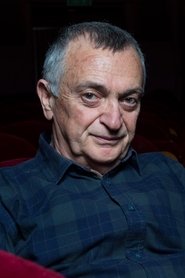 Stavros PsyllakisNurse's Father
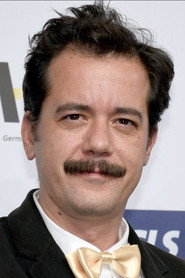 Efthimis FilippouLamp Shop Owner
- Eftyhia StefanidouBlind Lady
 Maria KyroziTennis Player
- Sotiris PapastamatiouTennis Player's Father
- Tina PapanikolaouTennis Player's Mother
- Fotis Zahos50-year-old Man
- Nikos GalgadisTennis Player's Boyfriend
Directing
- Yorgos LanthimosDirector
- Kostas PapadakisFirst Assistant Director
- Anna NikolaouScript Supervisor
Writing
- Efthimis FilippouScreenplay
- Yorgos LanthimosScreenplay
Production
- Alex KellyCasting
- Christina AkzotiCasting
- Andreas Zoupanos KritikosCo-Producer
- Angeliki PapouliaCo-Producer
- Christos VoudourisCo-Producer
- Johnny VekrisCo-Producer
- Katerina KaskaniotiCo-Producer
- Lee PolydorCo-Producer
- Maria HatzakouCo-Producer
- Matthew JohnsonCo-Producer
- Thanos PapastergiouCo-Producer
- Thoma KikisCo-Producer
- Victoria BousisCo-Producer
- Kostas KefalasLine Producer
- Konstantina VonortaPost Production Producer
- Athina Rachel TsangariProducer
- Yorgos LanthimosProducer