
Film
PlayTime
PlayTime is Jacques Tati's nearly wordless 1967 comedy set in a glass-and-steel Paris so slick it seems to be swallowing its own residents. Hulot wanders through it like a tourist lost in his own city, and the jokes hide in the corners of enormous, meticulously staged wide shots rather than in punchlines. It rewards patient, attentive watching, and suits anyone who loves visual comedy, architecture, and slow-burn absurdity more than plot.
If you liked this
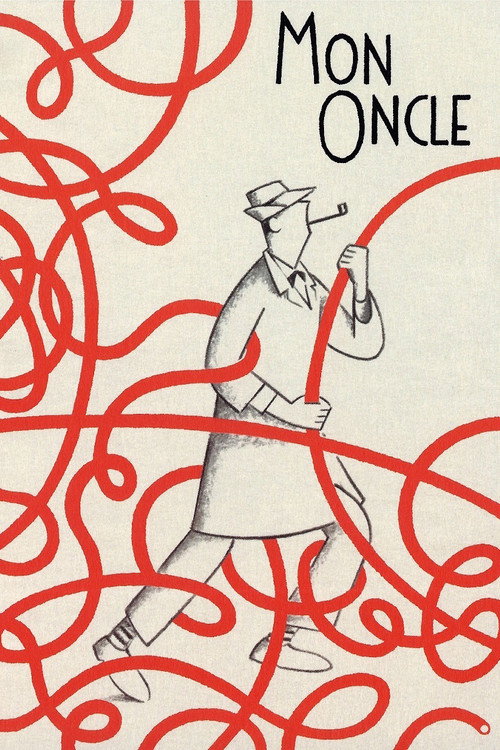
Mon Oncle1958
Same Hulot, warmer and more character-driven, an easier entry into Tati's vision of old-world charm colliding with sterile modern design, and it won the foreign-language Oscar.
But Gentler jokes and a smaller canvas than Playtime's overwhelming architectural satire.
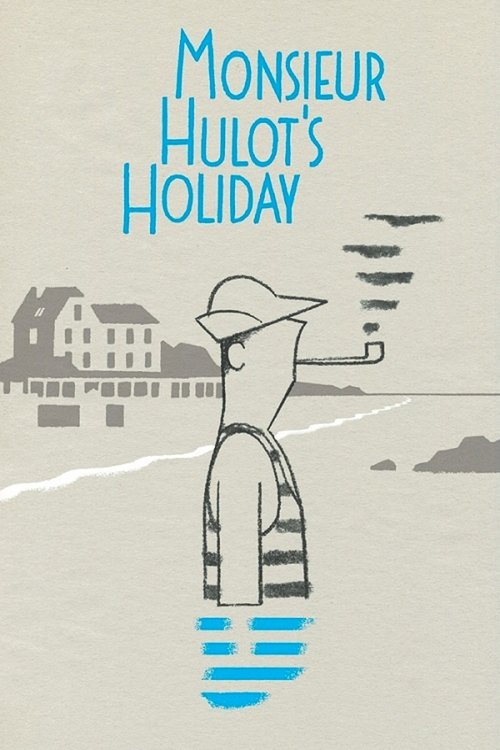
Monsieur Hulot's Holiday1953
The film that introduced Hulot, all seaside slapstick and gentle chaos, showing how Tati built silence and physical comedy before scaling it up into Playtime's glass city.
But Slower and more nostalgic, with thinner social commentary than the later films.
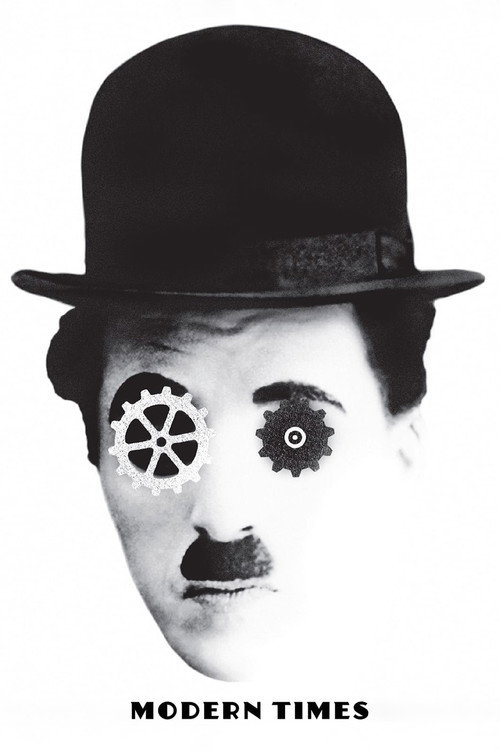
Modern Times1936
Chaplin's tramp battles machines and conveyor belts decades before Hulot battles glass doors, proof the joke of modern life crushing human clumsiness never gets old.
But Silent-era slapstick rhythms and sentimentality feel softer-edged than Tati's detached irony.
The wildcard
Something you would not have found on your own.
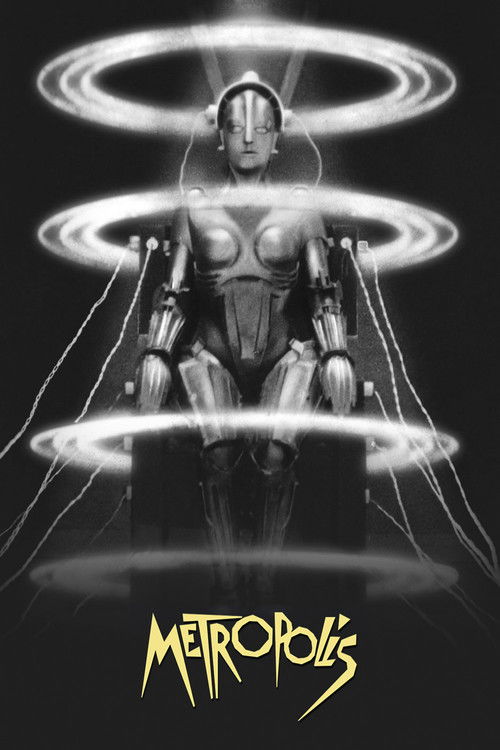
Metropolis1927
Both use vast modern architecture to render humans small and interchangeable, though Lang plays it as tragedy and Tati as comedy.
Fritz Lang's silent skyscraper city crushes its workers decades before Hulot gets lost in glass corridors, the ancestor of every film about architecture dwarfing humanity.
But Melodramatic and earnest where Playtime is wry, and its expressionist scale is grand rather than droll.
More like this (8)
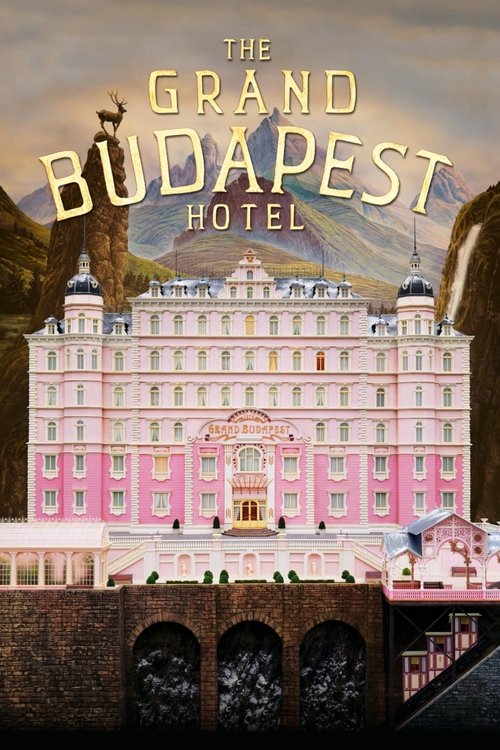
The Grand Budapest Hotel2014
Wes Anderson's symmetrical frames and clockwork choreography owe a visible debt to Tati, turning set design itself into the real punchline of nearly every shot.
But Faster, wordier and more whimsical than Playtime's patient, near-silent observation.
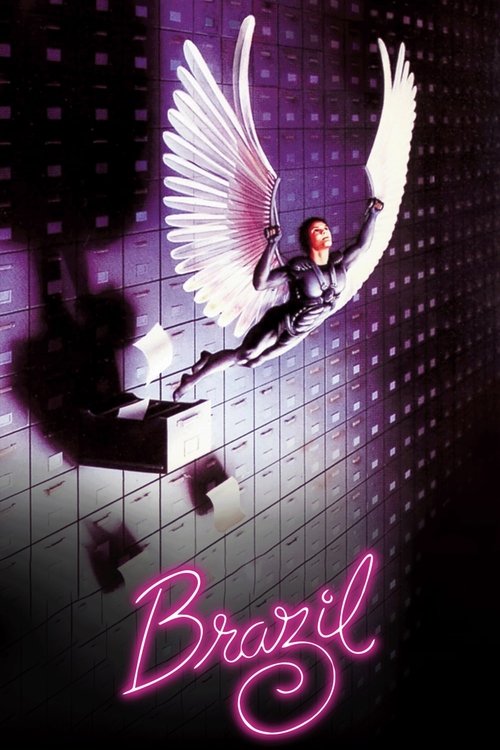
Brazil1985
Terry Gilliam takes Tati's gag about buildings and machines defeating ordinary people and pushes it into full paranoid dystopian overdrive, the same joke turned sinister.
But Much darker and more frantic than Playtime's amused, bemused tone.
Trafic1971no page yet
Tati's own follow-up sends Hulot on a traffic-choked road trip, extending Playtime's obsession with gadgets and design to the automobile and the open road.
But Weaker on release and often feels like a smaller echo of Playtime's grander ambition.
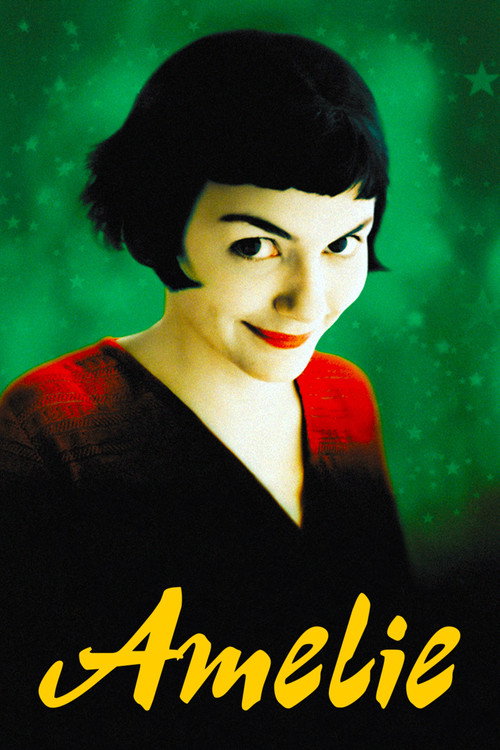
Amélie2001
A stylised, whimsical Paris full of visual invention, proof the city can still be a playground for imagination even against relentless modern design.
But Warmer and more sentimental, with a plot and romance Playtime deliberately withholds.
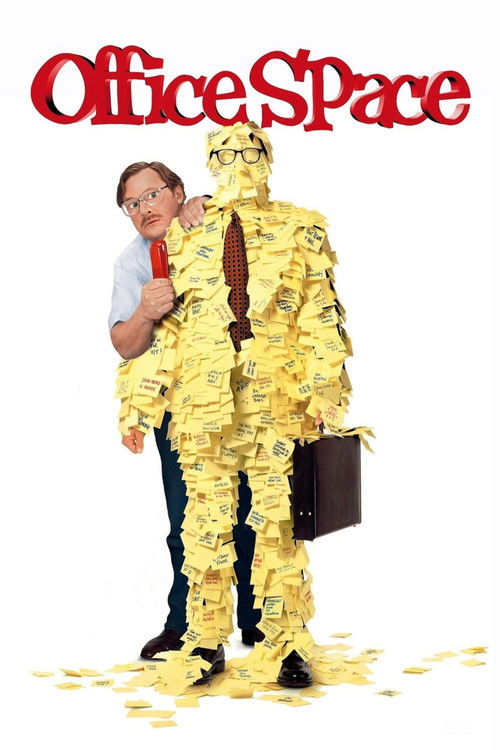
Office Space1999
Cubicles, fax machines and beige corporate hell get the same absurdist treatment Tati gave department stores and office towers, just louder and more American.
But Broad, verbal comedy with a clear plot, missing Playtime's wordless visual choreography.
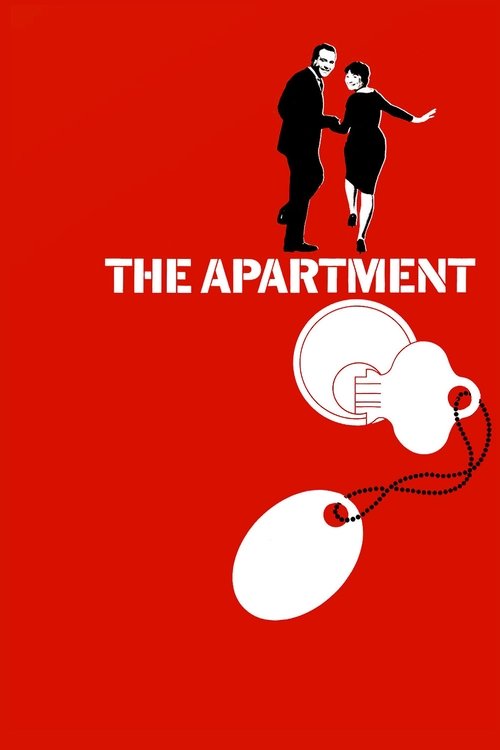
The Apartment1960
Corporate New York's glass towers and moral compromises get a sharper human story here, another take on modern institutions swallowing individuality whole.
But A character-driven drama-comedy with real stakes, nothing like Playtime's plotless architectural spectacle.
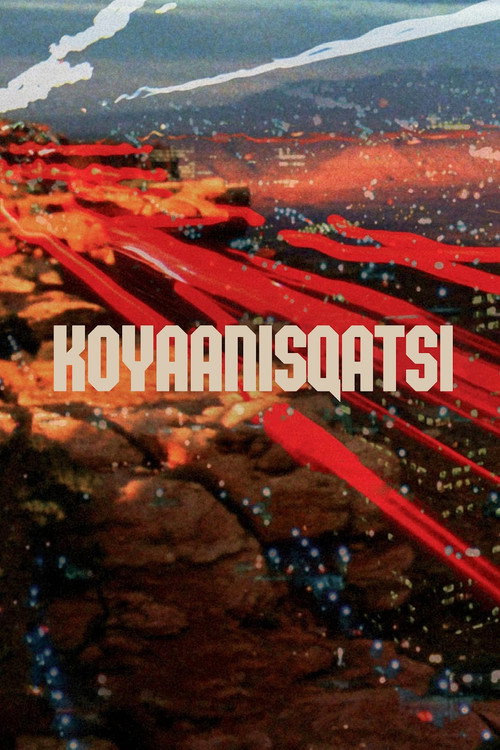
Koyaanisqatsi1983
Both trust the eye and ear over dialogue to render modern civilization's texture, one as satire, the other as documentary meditation.
A wordless, musical tone poem about modern life's rhythms and machinery, made in the same spirit as Playtime's reliance on sound and pattern over dialogue or plot.
But No characters, no jokes, no story at all, just imagery and Philip Glass; a very different kind of patience is required.
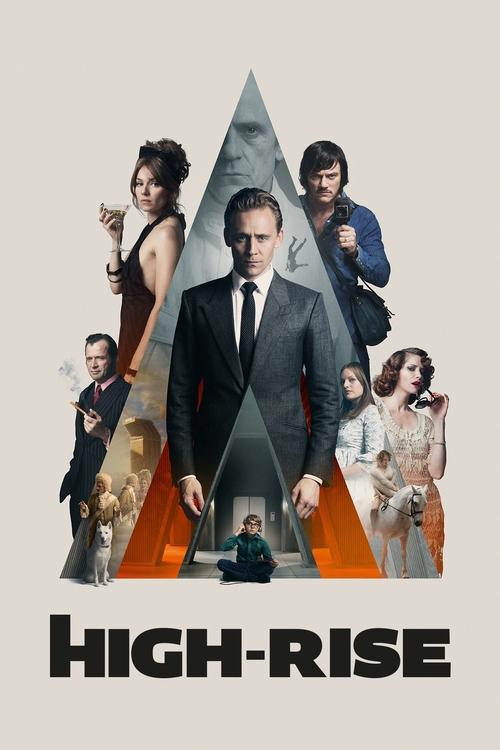
High-Rise2015
Same premise, a self-contained modern structure reshaping human behaviour, pushed from wry observation into dystopian horror.
Ballard's modernist tower block descends into savage class war, taking Tati's gentle joke about buildings alienating their occupants and detonating it into full chaos and violence.
But Explicit, grim and often sexually graphic in ways utterly foreign to Tati's family-friendly tone.
People
Cast
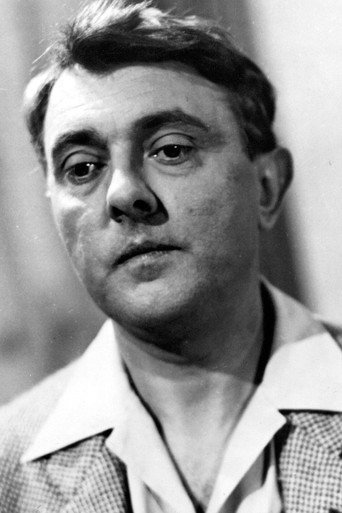 Jacques TatiMonsieur Hulot
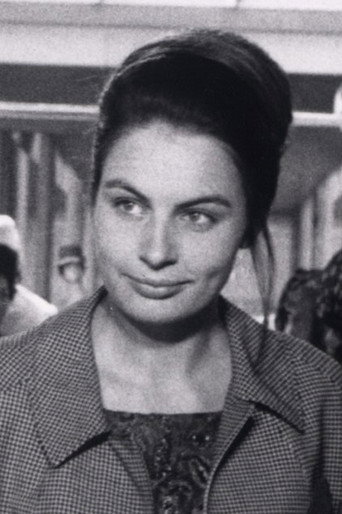 Barbara DennekYoung Tourist
 Rita MaidenMr. Schultz's Companion
 France RumillyWoman Selling Eyeglasses
 France DelahalleShopper in Department Store
- Valérie CamilleMr. Lacs's Secretary
- Erika DentzlerMme. Giffard
- Nicole RaySinger
- Yvette DucreuxHat Check Girl
- Nathalie JemCustomer of the Royal Garden
- Jacqueline LecomteYoung Tourist's Friend
- Olivia PoliCustomer of the Royal Garden
Directing
- Jacques TatiDirector
Writing
- Art BuchwaldScreenplay
- Jacques LagrangeScreenplay
- Jacques TatiScreenplay
Production
- Bernard MauriceProducer
Recommended by
Brazil, Amélie, Modern Times, Mon Oncle, Monsieur Hulot's Holiday, Fawlty Towers, Powaqqatsi, Man with a Movie Camera, The Red Skelton Show, Columbus