
Film
The Gendarme Takes Off
- Comedy
- Light-hearted
A French farce about a retired gendarme so bored in his castle that he and his old police squad kidnap an amnesia victim to relive glory days in St. Tropez. It's silly, frenetic, deeply of its era—a vehicle for Louis de Funès' rubber-faced comedy chaos. For fans of physical humour and films that don't apologize for wanting to make you laugh.
Should you watch it?
Watch it if you love French farce where a fussy, short-tempered man loses his dignity while his old colleagues cheerfully wreck a seaside town, the pleasure lying in escalating mischief.
Skip it if you want restrained wit or subtle character work, since the comedy is loud, broad and built on grimaces, shouting and a thin excuse of a plot.
What it asks of you: Ninety minutes that rarely pause, with volume and motion high from the opening, so it wants you to go along with the chaos rather than settle into quiet.
Not sure? Find tonight's pick in a minute.
If you liked this
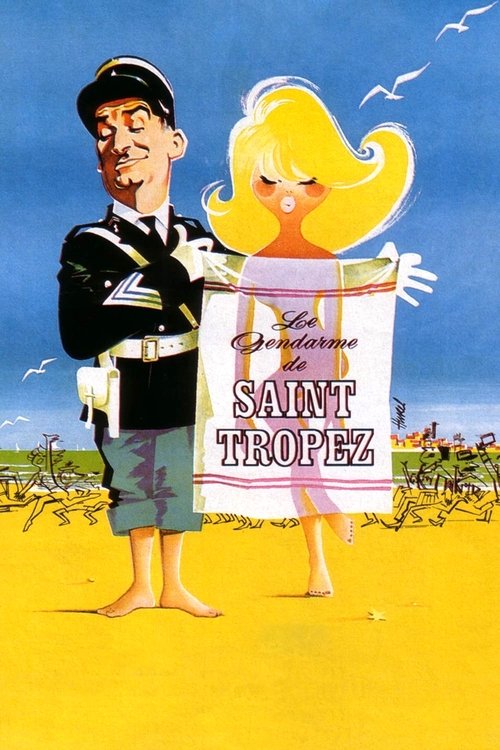
Le Gendarme de Saint-Tropez1964
The first and best of the series. De Funès at his most energetic, playing the same Cruchot character in his original form, solving crimes in a seaside resort with absurdist charm and impeccable timing.
But The humour is broad and dated; slapstick without irony can feel thin to modern eyes, and the plotting barely matters.
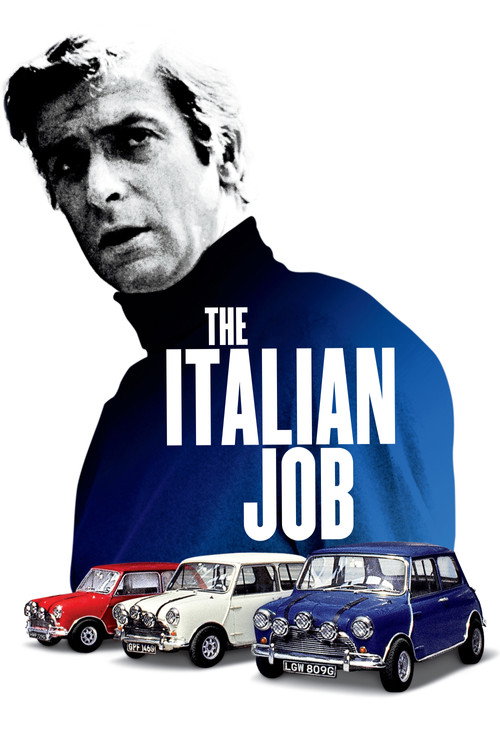
The Italian Job1969
A heist comedy with an all-star ensemble cast, real glamour, stunts, and a script that knows when to let the chaos breathe. Smart without pretending to be; genuinely funny about likeable people doing ridiculous things.
But The plot is a vehicle for set pieces, not the reverse. If you need a tight narrative, the structure will feel slack.
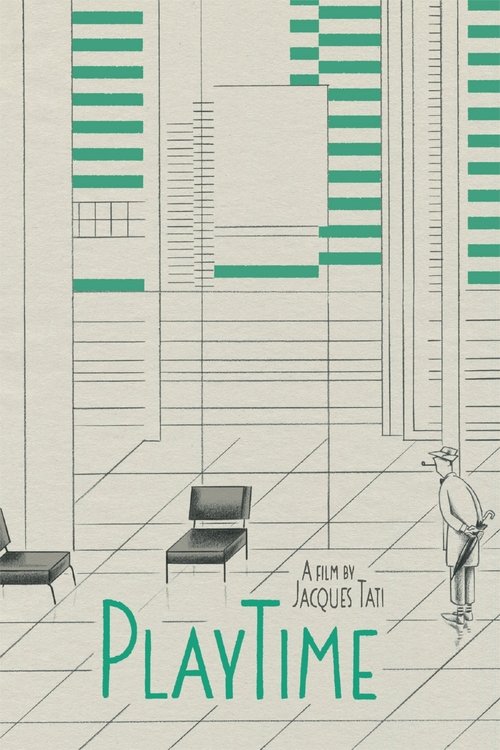
PlayTime1967
A masterpiece of physical comedy hidden inside a feature film—Jacques Tati's love letter to slapstick and sight gags. Shot in 70mm, designed to reward attention; endlessly inventive and genuinely joyful.
But It's nearly three hours with almost no plot, mostly silent, and requires active watching rather than passive consumption. Patience non-negotiable.
Not sure tonight? Get a pick in a minute, starting from The Gendarme Takes Off
The wildcard
Something you would not have found on your own.
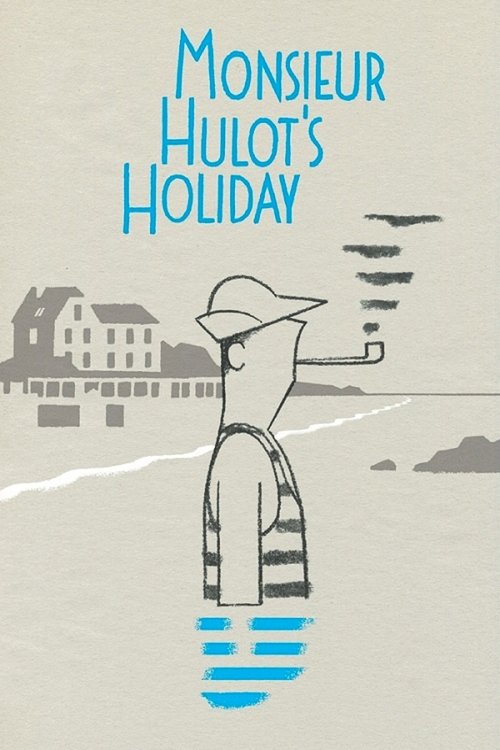
Monsieur Hulot's Holiday1953
Both are love letters to French resort tourism undermined by incompetent bumbling; both use physical comedy to make the familiar absurd. Hulot is the spiritual ancestor.
Jacques Tati as an awkward tourist destroying a seaside resort with the kindest heart imaginable. It's almost entirely silent, visual comedy at its purest, predating Gendarme but essential to understanding that era's approach to farce.
But It moves at its own pace, which is glacial. No plot, no dialogue, no concessions to impatience—an acquired taste that doesn't apologize.
More like this (8)
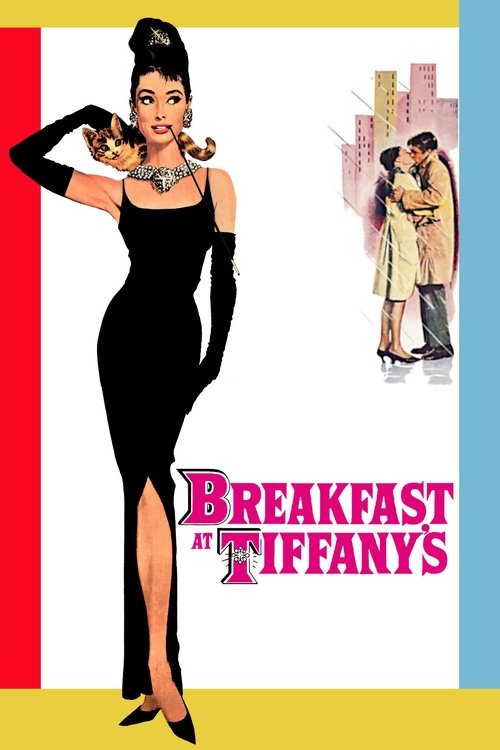
Breakfast at Tiffany's1961
Audrey Hepburn in the role that defined her; romantic comedy with real wit, style, and a bittersweet core. Funny and genuinely moving, never choosing between the two.
But The romantic plot is slight, the side characters are dated in their racial caricature, and it ends exactly where you expect it to.
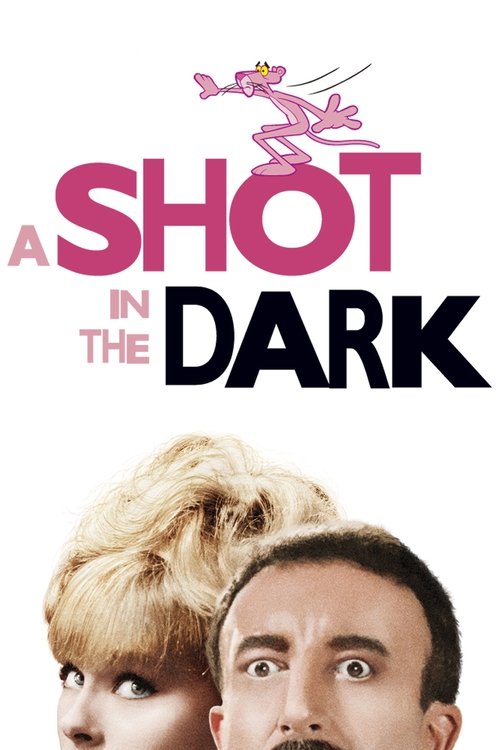
A Shot in the Dark1964
Inspector Clouseau's second case—Peter Sellers at peak inventiveness, riffing endlessly on a bumbling detective solving an actual murder. Every scene is a bit; it all adds up to something surprisingly coherent.
But Sellers' improvisation sometimes means scenes meander. If you hate comedians doing characters, this will exhaust you.
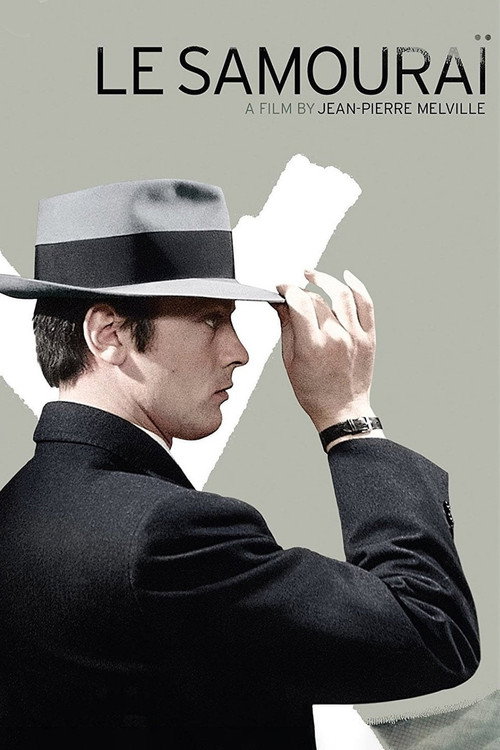
Le Samouraï1967
A French crime thriller of surgical precision about a hitman's last job. Cool, elegant, and genuinely suspenseful—proof that French cinema in this era could do sophistication as well as farce.
But It's glacial and almost entirely humourless. If you want warmth or character development, you're in the wrong film.
Singin' in the Rain1952
The gold standard of film comedy, where the spectacle serves the story rather than replacing it. Gene Kelly, Donald O'Connor, and Debbie Reynolds in harmony; it's fundamentally about the joy of performance.
But It's a musical first and a comedy second. The romance is earnest rather than funny, and the pacing is unhurried by modern standards.

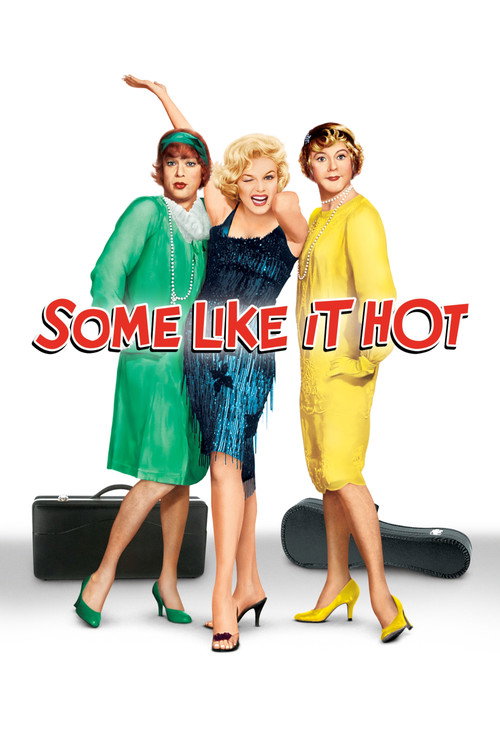
Some Like It Hot1959
Often called the greatest comedy ever made, and it's hard to argue. Billy Wilder's script is watertight, the performances are immaculate, and it's about something—gender, desire, identity—without ever becoming serious.
But The plot moves quickly and demands you keep up. If you miss a beat, the machinery feels less elegant, and some gags don't land without context.
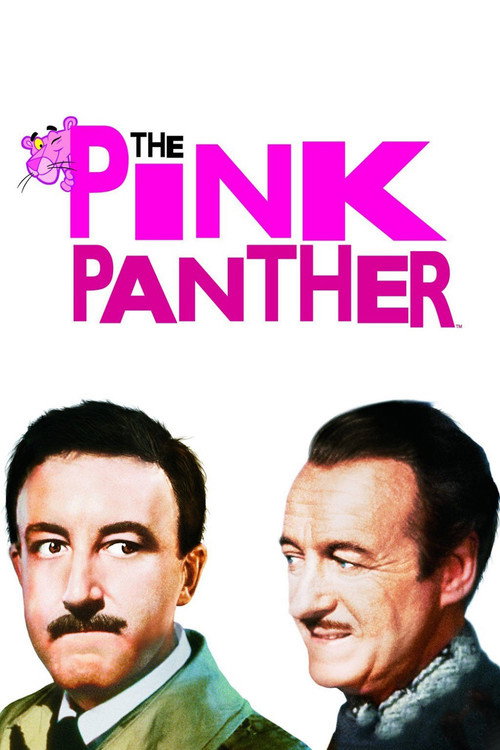
The Pink Panther1963
Peter Sellers as Inspector Clouseau, a character so good it launched a franchise. The first film lets him find the character rather than repeating him; it's genuinely inventive slapstick with a real heist underneath.
But It's uneven—some sequences are brilliant, others drag. The plot sometimes stops to accommodate bits, and Henry Mancini's score, however iconic, can feel omnipresent.
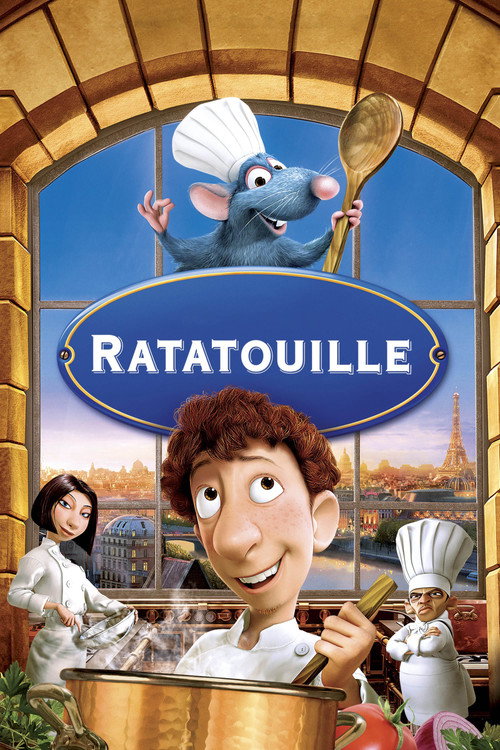
Ratatouille2007
The Gendarme squad reuniting to relive glory days is identical in structure to the kitchen ensemble rallying together. Both films believe in the joy of camaraderie overcoming incompetence—just one's drawn and the other has de Funès.
An animated film about an underdog kitchen crew achieving the impossible through teamwork and chaos, set in Paris. The humour is warm and knowing; it's made for children but works for anyone who loves ensemble farce.
But It's animated, which some dismiss out of hand. It's also earnest about its emotions, which can feel at odds with the slapstick momentum.
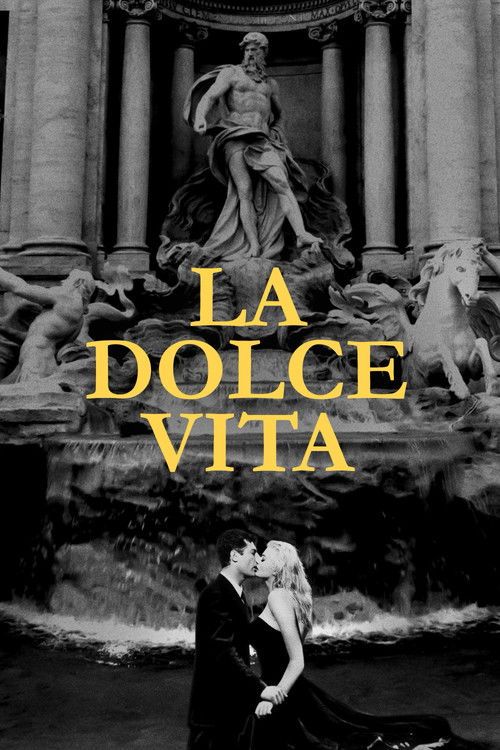
La Dolce Vita1960
Gendarme is a retiree bored in a castle; Dolce Vita is Rome's spiritual exhaustion. Both are about ennui and the search for meaning in civilized comfort—one chooses farce, one chooses tragedy, same malady.
Federico Fellini's three-hour meditation on boredom, beauty, and moral rot in Rome. It's not a comedy, but it has the same luxe European weariness; part documentary, part fever dream, entirely mesmerizing.
But It's an art film in the fullest sense. No plot, no character development, no resolution. If you need narrative propulsion, it will feel like watching water.
People
Cast
 Louis de FunèsLudovic Cruchot
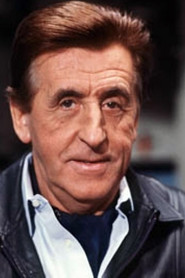 Jean LefebvreLucien Fougasse
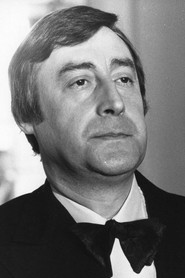 Guy GrossoGaston Tricard
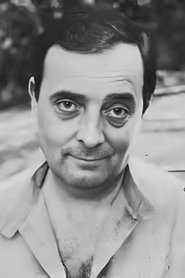 Michel ModoJules Berlicot
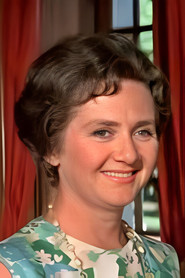 Nicole VervilCécilia Gerber
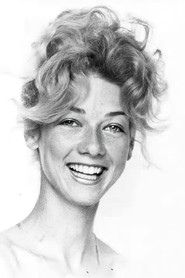 France RumillySchwester Clothilde
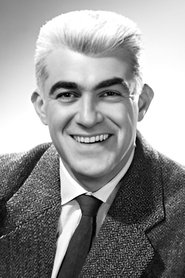 Yves VincentColonel
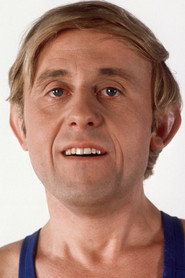 Christian MarinAlbert Merlot
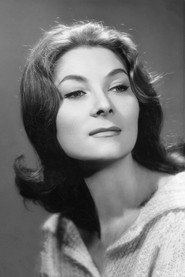 Claude GensacJosépha Cruchot
 Michel GalabruJérôme Gerber
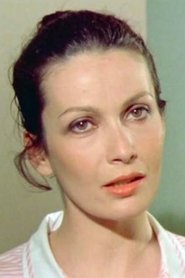 Sara FranchettiSchwester Marie-Bénédicte
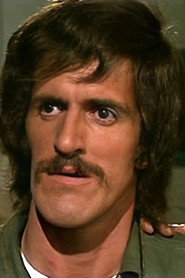 Ugo FangareggiHippie
Directing
- Gilles JollyAssistant Director
- Jean-Noël JourdanetAssistant Director
- Thierry ChabertAssistant Director
- Tony AboyantzAssistant Director
- Jean GiraultDirector
- Edmond SéchanSecond Unit Director
Writing
- Jacques VilfridDialogue
- Jacques VilfridScreenplay
- Jean GiraultScreenplay
- Richard BalducciScreenplay
Production
- Gérard BeytoutDelegated Producer
- René PignièresProducer
- Alain DarbonProduction Manager
- Alex MaineriUnit Manager
- Georgette DarbonUnit Manager
- Jean-Jacques LécotUnit Manager
- Jean-Roch RognoniUnit Manager
- Paul LemaireUnit Manager