
Film
A Shot in the Dark
The second and sharpest Pink Panther film ties Clouseau's blissful, oblivious pratfalling to an actual murder case, with Herbert Lom's Dreyfus slowly cracking under the strain in the background. Sellers is at his most balletic here, every pompous gesture booby-trapped, scored by Mancini's sly jazz. Pure escalating farce for anyone who wants their slapstick with real craft underneath.
If you liked this
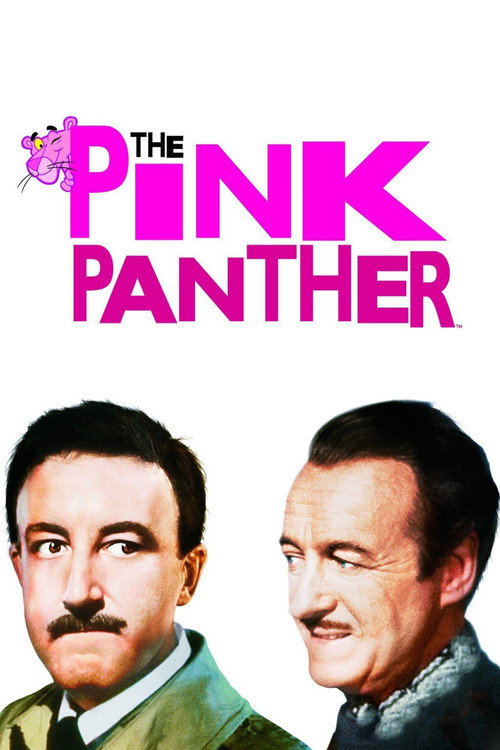
The Pink Panther1963
Clouseau's first outing, and the film that proves the character works even when he's a supporting act next to David Niven's suave jewel thief — the blueprint for everything funnier that followed.
But Clouseau himself is barely the lead here, so if you came for wall-to-wall bumbling, this one holds back.
The Return of the Pink Panther1975no page yet
Sellers and Edwards reunite after nearly a decade apart and pick up exactly where they left off, sharper and more confident, with some of the series' most inventive physical set-pieces.
But The plot is thinner than A Shot in the Dark's, mostly existing to string the gags together.
The Pink Panther Strikes Again1976no page yet
Herbert Lom's Dreyfus finally snaps completely and the film goes gleefully unhinged, giving the Clouseau-Dreyfus rivalry the operatic villain payoff it had been building toward for two movies.
But The tone tips from farce into something broader and more cartoonish; the actual mystery plotting mostly evaporates.
The wildcard
Something you would not have found on your own.
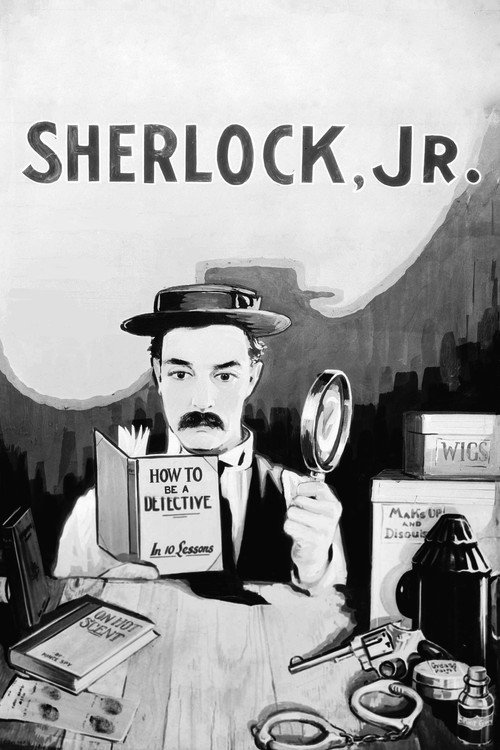
Sherlock Jr.1924
Both films run on the same engine: a man utterly convinced he's a masterful detective, undone entirely by his own body. Keaton did the stunts himself; Sellers did the identical joke with dialogue and a French accent.
Buster Keaton, forty years before Sellers, plays a movie projectionist whose detective fantasies spiral into genuinely dangerous stunts and pratfalls — the purest ancestor of Clouseau's comic incompetence, performed with real physical risk instead of trick photography.
But It's silent, black-and-white, and only 45 minutes — a real adjustment if you need dialogue and color to settle in.
More like this (8)
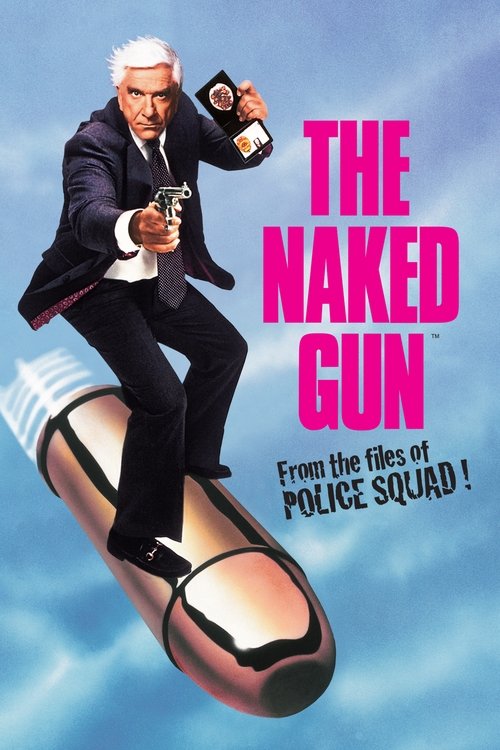
The Naked Gun: From the Files of Police Squad!1988
Leslie Nielsen plays the bumbling detective completely straight-faced, and the joke density is relentless — visual gags stacked on puns stacked on more visual gags, never letting up.
But It trades Clouseau's physical elegance for pure joke-machine spoofing; there's no real mystery here, just gags.
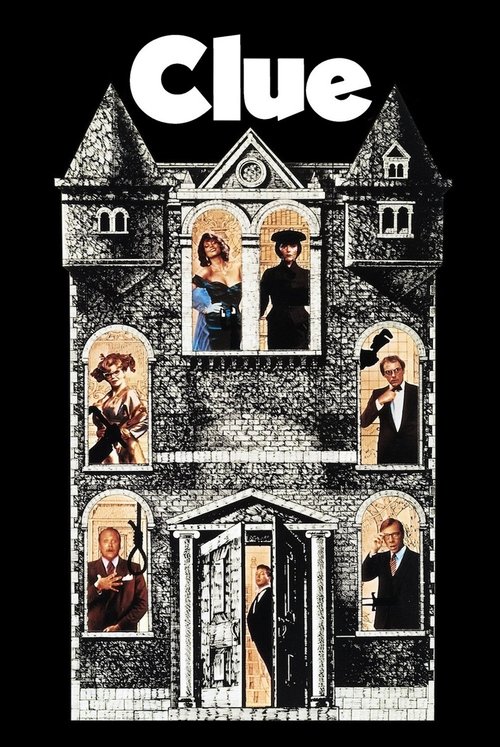
Clue1985
A country-house whodunit played entirely for laughs, with a game ensemble cast committing fully to absurd alternate endings — the closest mainstream American cinema gets to this exact flavor of comic mystery.
But It's ensemble chaos rather than one clown carrying the film, a different rhythm than solo Sellers-style set-pieces.
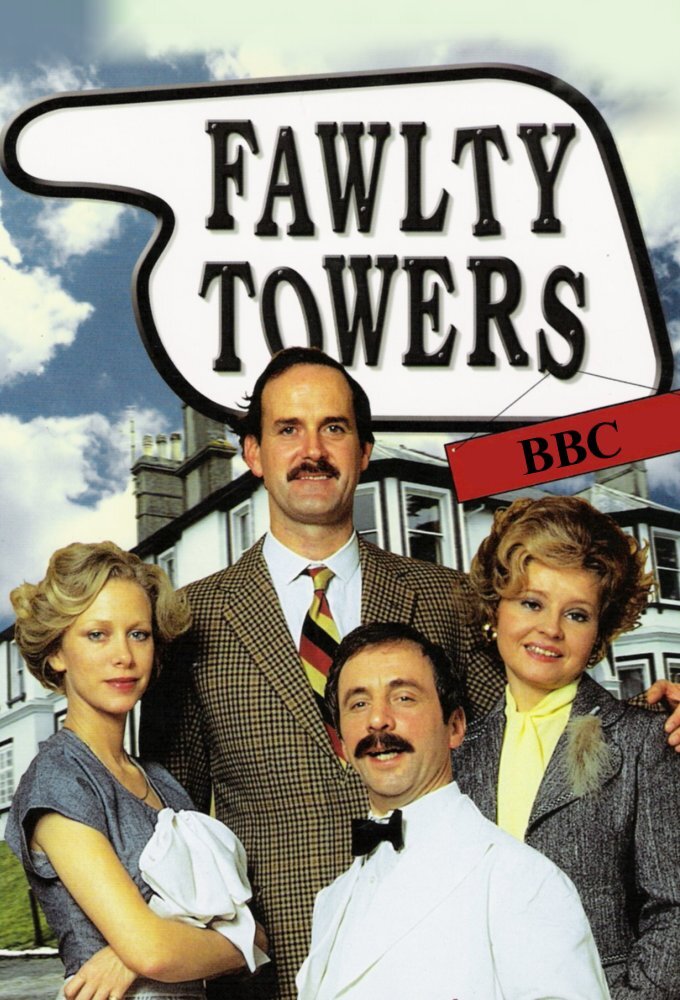
Fawlty Towers1975
John Cleese turns hospitality-industry incompetence into an art form, running on the same principle as Clouseau: one man's dignity colliding catastrophically with a world that refuses to cooperate.
But Only twelve episodes ever aired, so each episode resets the escalation rather than building across a feature.
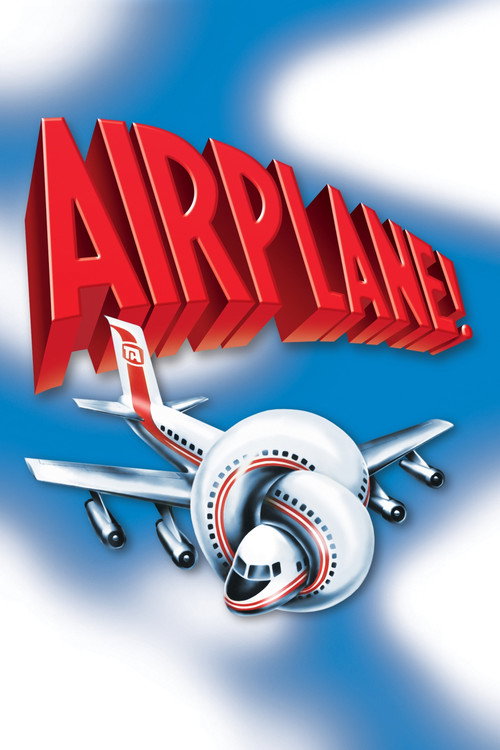
Airplane!1980
An absurdist disaster-movie spoof firing jokes at a machine-gun pace; if you love sheer gag density more than plot logic, this is the purest hit of that particular drug.
But It's anarchic where Clouseau is graceful — broader, sillier, with none of the character-based charm underneath the slapstick.
What's Up, Doc?1972no page yet
Peter Bogdanovich's loving homage to classic screwball farce, with Barbra Streisand and Ryan O'Neal running a mistaken-identity chase that owes an obvious debt to the same slapstick tradition Clouseau comes from.
But It's American screwball rather than European farce, and Streisand's chaos-agent energy is a different comic flavor than Sellers' clumsy dignity.
Victor/Victoria1982
Blake Edwards again, but here he trades slapstick chaos for a warmer, more sophisticated gender-bending farce, proving the same directorial hand could do tenderness as well as pratfalls.
But It's a musical romance at heart, a real tonal left turn if you came here wanting more detective bumbling.
The Tall Blond Man with One Black Shoe1972no page yet
Same structural joke as Clouseau's plot: an innocent bystander, Maria Gambrelli here and a random violinist there, gets swept into an investigation that reveals far more about the investigators' incompetence than any actual crime.
A French spy farce built on almost the exact same joke as A Shot in the Dark — bureaucratic incompetence mistaking an innocent bystander's ordinary life for evidence of a vast conspiracy, escalating into gorgeous, silly chaos.
But Subtitles, unfamiliar faces, and a fraction of Blake Edwards' budget — this asks more patience than the polished Hollywood version.
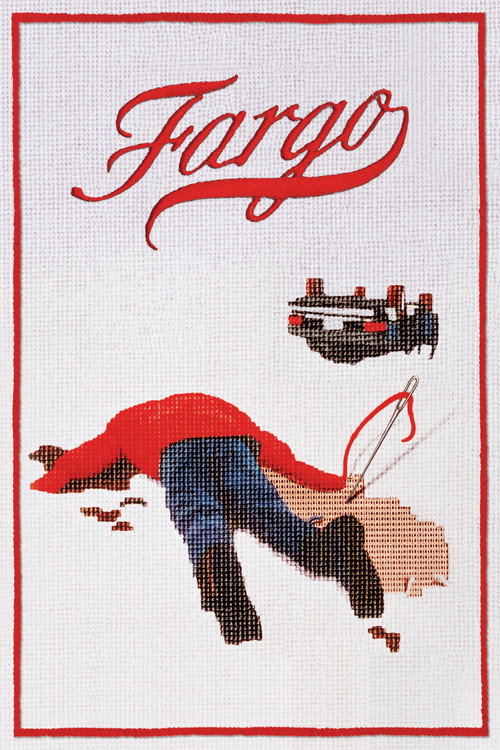
Fargo1996
Both trust that comic incompetence and criminal incompetence are the same shape of story. A Shot in the Dark plays it as farce; Fargo plays the identical structure as tragedy with jokes surviving only in the margins.
Take the same premise — small mistakes compounding into escalating disaster while an ostensibly competent authority figure fumbles toward the truth — and play it with real blood and real dread instead of pratfalls.
But This is not a comedy in any way that will make you laugh out loud; the violence is genuine and the stakes are mortal.
People
Cast
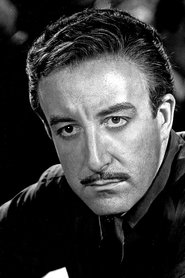 Peter SellersJacques Clouseau
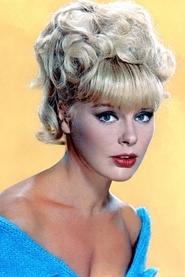 Elke SommerMaria Gambrelli
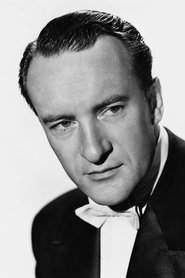 George SandersBenjamin Ballon
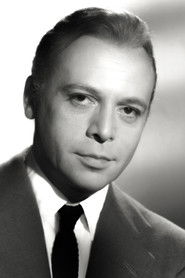 Herbert LomCharles Dreyfus
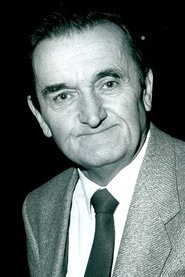 Graham StarkHercule LaJoy
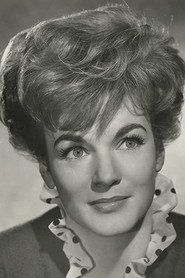 Moira RedmondSimone
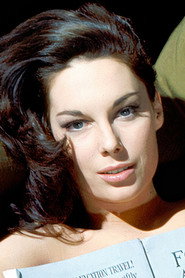 Tracy ReedDominique Ballon
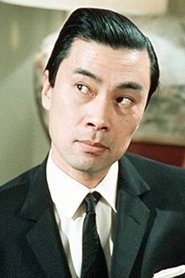 Burt KwoukKato
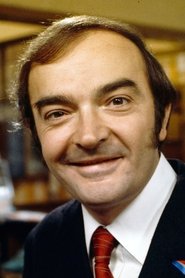 André MaranneFrançois
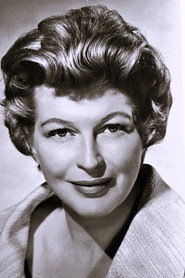 Vanda GodsellMadame LaFarge
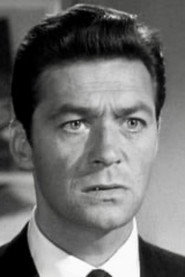 Maurice KaufmannPierre
 Ann LynnDudu
Directing
- Derek CracknellAssistant Director
- Connie WillisContinuity
- Blake EdwardsDirector
Writing
- Blake EdwardsScreenplay
- William Peter BlattyScreenplay
- Harry KurnitzTheatre Play
- Marcel AchardTheatre Play
Production
- Cecil F. FordAssociate Producer
- Walter MirischExecutive Producer
- Blake EdwardsProducer
- Denis JohnsonProduction Manager