
Film
Eve and the Handyman
- Comedy
- Light-hearted
A 1961 comedy sketch-film where Eve, in a mysterious raincoat, shadows a handyman through his day, observing the absurd mishaps and odd encounters that unfold at each stop. It's episodic, playful, and deliberately thin on plot—more a series of visual gags and character vignettes than a traditional narrative. Fans of early experimental comedy and surrealist humor will find something genuinely strange here.
If you liked this
Singin' in the Rain1952
A masterpiece of pure entertainment built from loose comedic sketches and set pieces that prioritize joy and spectacle over plot. Gene Kelly, Donald O'Connor, and Debbie Reynolds deliver physical comedy that delights on every viewing.
But The romantic subplot feels dated and the pacing occasionally drags between musical numbers. It's also relentlessly cheerful, which can wear thin if you're in a darker mood.

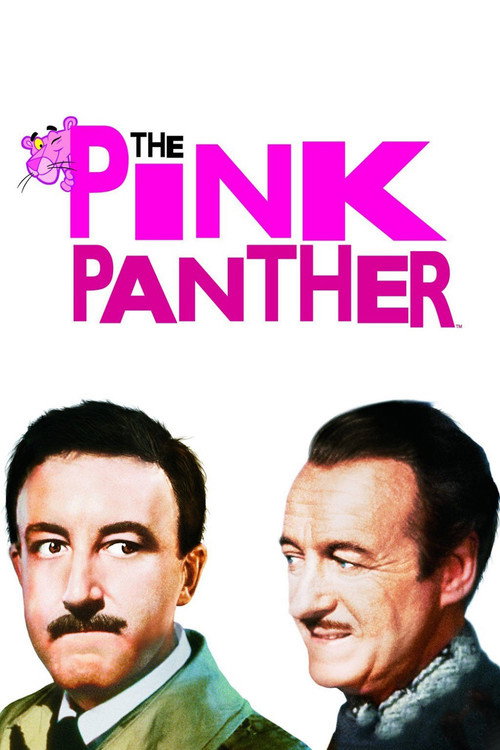
The Pink Panther1963
Peter Sellers as Inspector Clouseau is pure comedic genius—his bumbling detective creates chaos while remaining utterly oblivious. The film layers slapstick, character work, and visual gags into something endlessly rewatchable.
But Sellers' physical comedy, while brilliant, can feel repetitive across multiple viewings. Some of the spy-plot machinery creaks audibly underneath.
Breakfast at Tiffany's1961
Released the same year as Eve and the Handyman, this is pure charm—Audrey Hepburn as Holly Golightly, elegant and eccentric, navigating New York with wit and grace. Funny, romantic, endlessly stylish.
But The racial caricature in the supporting cast is genuinely uncomfortable and hasn't aged well. The ending divides viewers sharply.

Not sure tonight? Get a pick in a minute, starting from Eve and the Handyman
The wildcard
Something you would not have found on your own.
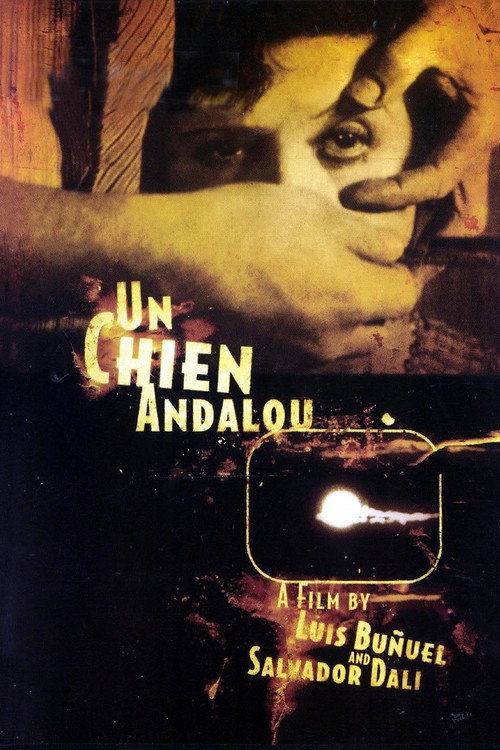
Un Chien Andalou1929
Both are radical reimaginings of what comedy can be—sketches without narrative spine, playing with the viewer's expectations about what should be funny and why.
Buñuel and Dalí's surrealist nightmare is only sixteen minutes but contains more weird ideas than most feature films. It's genuinely unsettling and genuinely funny—a stream of images that bypass logic and speak directly to something older in your brain.
But There's an eyeball, and it's not metaphorical. The dream-logic offers no emotional anchor, which some will find liberating and others will find exhausting.
More like this (8)
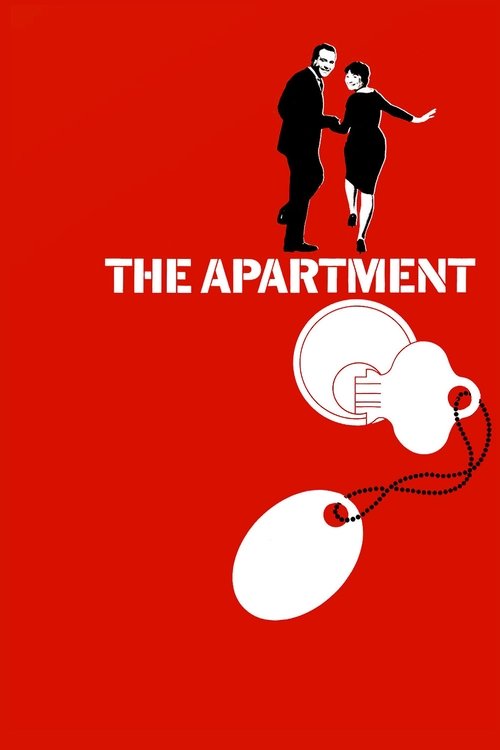
The Apartment1960
Wilder's comedy-drama about urban life, loneliness, and moral compromise remains bracingly smart. Jack Lemmon and Shirley MacLaine have perfect chemistry, and the script balances laughs with real emotional weight.
But The treatment of relationships feels period-bound in ways that can read as troubling now. The tone swings between broad comedy and genuine sadness aren't always smooth.
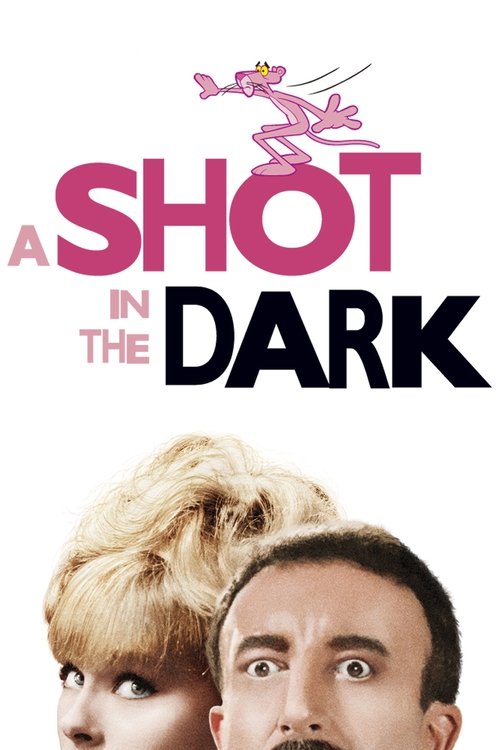
A Shot in the Dark1964
A follow-up that deepens Sellers' Clouseau into something almost Chaplinesque—funny but also oddly vulnerable. The murder mystery is ridiculous but the comedy is crafted with real precision.
But If you don't find Sellers' particular brand of slapstick funny, there's not much else here to hold you. The plot barely exists as anything coherent.
It's a Mad, Mad, Mad, Mad World1963
An ensemble comedy about the absurd lengths people will go for money, packed with stars and stunts. It's chaotic, colorful, and genuinely funny—a celebration of old-school slapstick on an epic scale.
But At three hours, it wears out its welcome. The sheer quantity of gags means some land better than others, and the tone is relentlessly manic.

Psycho1960
Hitchcock's masterpiece uses editing and sound design as precisely as a surgeon's knife. The famous shower scene isn't gratuitous—it's a study in how cinema creates terror through suggestion and rhythm.
But It's a horror film first, which means genuine dread, not comedy. If you're squeamish about violence or psychological terror, this will genuinely unsettle you.
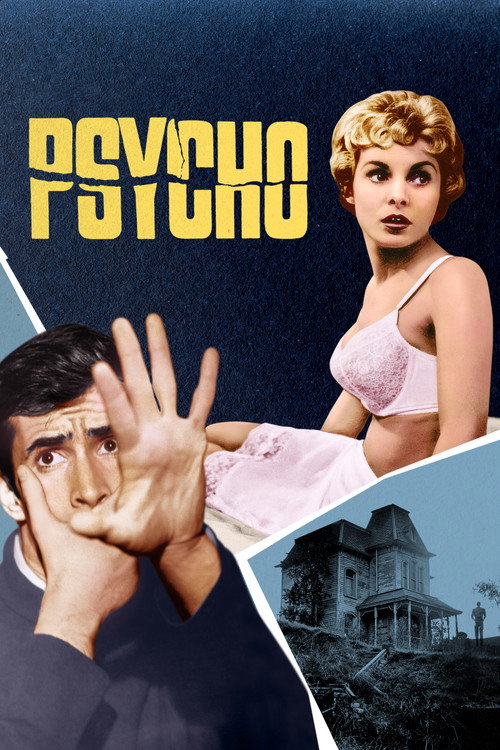
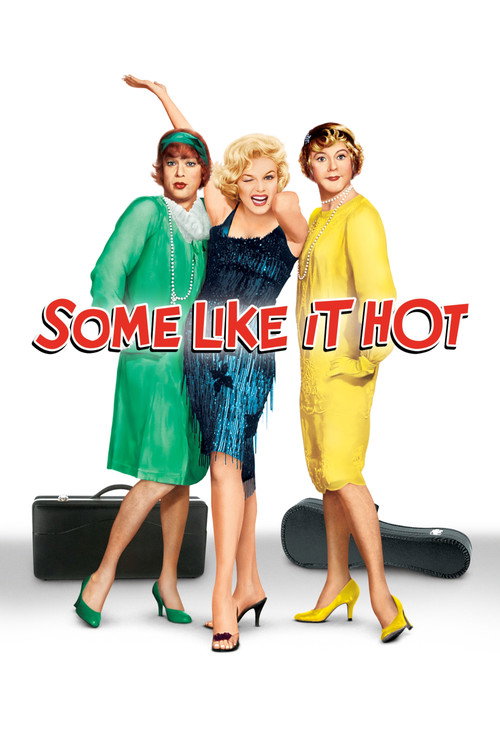
Some Like It Hot1959
Often called the greatest American comedy ever made. Lemmon and Curtis in drag, Marilyn Monroe stealing every scene—the script is airtight, the timing is perfect, and it moves like a musical without breaking into song.
But Watching it, you realize you've seen its jokes referenced and remade hundreds of times. Familiarity can dull the surprise, though the quality endures.
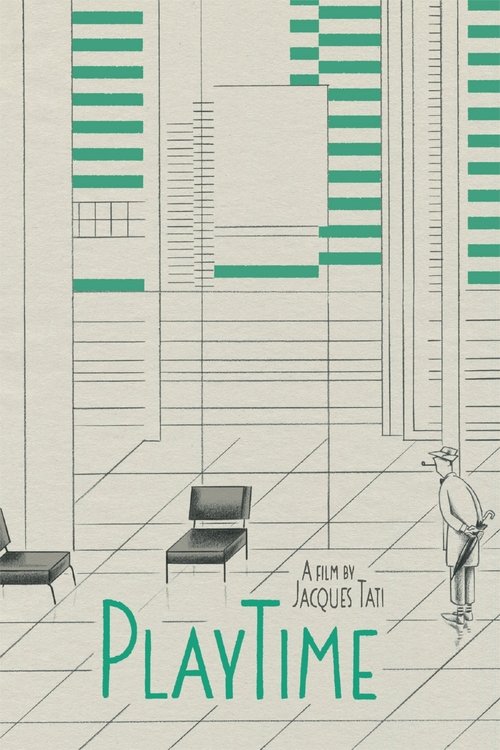
PlayTime1967
Jacques Tati's visionary comedy-poem about modern life is a labyrinth of gags you notice on repeat viewings. The sound design, the architectural comedy, the patient observation—it's unlike anything else. For people who find joy in detail.
But At two hours forty minutes with minimal dialogue and a deliberately flat visual style, it demands active attention. Many will find it tedious rather than revelatory.
The Seventh Seal1957
Both are formally experimental works from the late 1950s–early 1960s that treat cinema as a medium for ideas rather than just narrative. Both trust the viewer's intelligence enough to withhold conventional explanation.
Bergman's medieval knight plays chess with Death itself. It's serious and philosophical but also full of genuine humor—the absurdity of the situation, the human characters' desperation to feel alive. Haunting and moving in ways most films don't attempt.
But It's glacially paced and deeply concerned with mortality and meaning. If you want entertainment without philosophy, or spectacle without silence, keep walking.

Meshes of the Afternoon1943
Eve and the Handyman shares Deren's refusal to explain itself, her commitment to visual language over narrative, and her understanding that cinema is not obligated to tell you what to think or feel. Both are formally daring and expect your active participation.
Maya Deren's experimental short is eighteen minutes of pure cinema poetry—a woman in a room, a key, a mirror, time collapsing. It's hypnotic, visceral, and opened doors for everything that came after. A masterclass in what film can do when it stops pretending to be theater.
But There is no plot, no dialogue, no conventional character arc. If you need a story to hold onto, this will feel like watching someone else's dream and finding it boring.

People
Cast
 Eve MeyerEve
 Anthony-James RyanThe Handyman
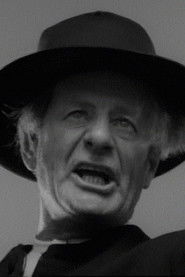 Frank BolgerStreet Sweeper (as Franklin H. Bolger)
- Francesca LeslieFrancesca
- Florence E. MooreRestroom Girl
- Ken ParkerFourth Artist (as Kenneth H. Parker)
- Charles H. VaughnSecond Artist
- Barbara MurphyFirst "Falsies" Girl
- Mildred KnezevichSecond "Falsies" Girl
- B. Granger MooreDice Shaker
- George D. MurphyBartender
- Joseph M. ReyesTennis Player
Directing
- Russ MeyerDirector
Writing
- Russ MeyerScreenplay
Production
- Charles H. VaughnLocation Assistant
- Russ MeyerProducer
- Ken ParkerProduction Assistant