
Film
Beneath the Valley of the Ultra-Vixens
- Comedy
- Strange
Russ Meyer's 1979 sex comedy about small-town sexual frustration, featuring his signature combination of exaggerated anatomy, absurdist humor, and genuine oddness. It's profoundly weird in a way that feels personal rather than calculated—camp that emerges from sincerity. For fans of exploitation cinema who want something genuinely strange, not just transgressive.
Should you watch it?
Watch it if you relish deliberately overheated, cheerfully sleazy camp where the jokes land harder for being shameless, and you find a wink funnier than a punchline.
Skip it if you want a tight, plot-driven comedy or find sex-farce and broad caricature wearing thin; at 93 minutes it can feel repetitive once the gag has landed.
What it asks of you: Expect a brisk ninety-odd minutes, with little patience for slow build-up, and a steady willingness to let the vulgarity be the joke rather than the setup.
Not sure? Find tonight's pick in a minute.
If you liked this
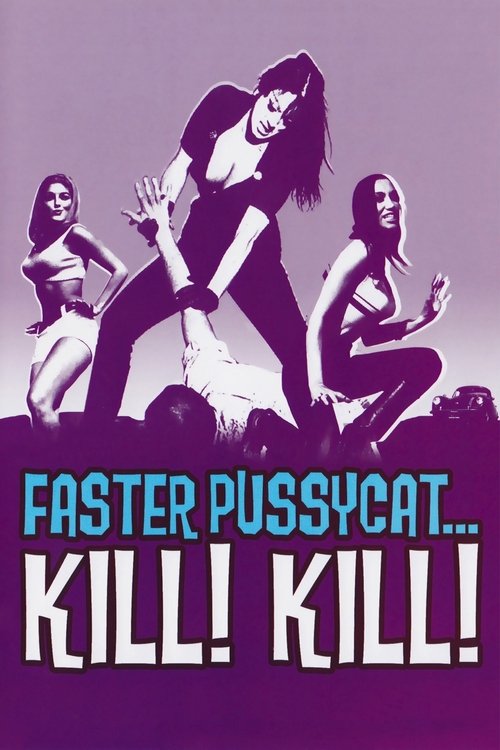
Faster, Pussycat! Kill! Kill!1965
Meyer's masterpiece of sex, violence, and satire. Three murderous women terrorize a small desert community in a film that anticipates modern action cinema while being completely unhinged. Visceral and darkly funny.
But The sexual violence is graphic and presented without moral framework. It's deliberately provocative in ways that haven't aged into comfort.
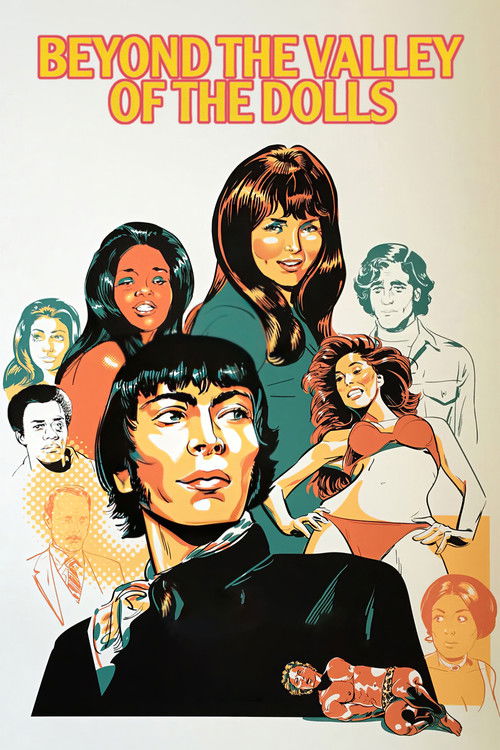
Beyond the Valley of the Dolls1970
Meyer's only major studio film: a gleefully perverse follow-up to Valley of the Dolls with a rock band, sexual awakening, and baroque melodrama. It's campy excess treated with complete seriousness, which is the whole joke.
But Nearly three hours of increasingly absurd plotting. The satire works best if you know what it's satirizing, and the ending is genuinely disturbing.
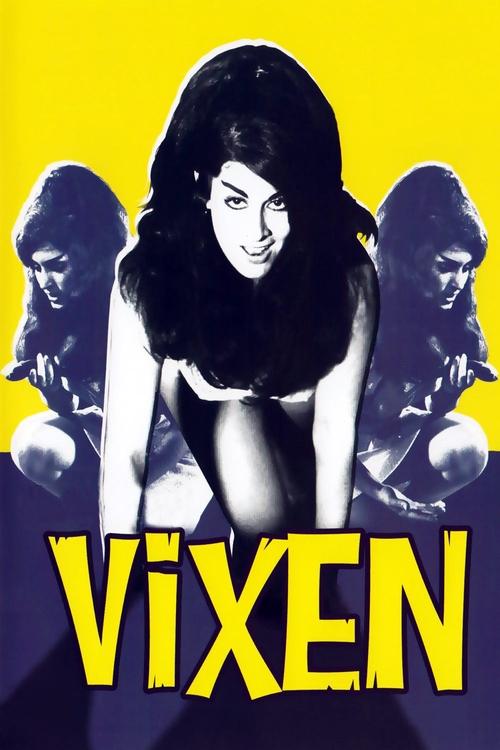
Vixen!1968
A northern Canadian woman sleeps with every man she encounters while her husband hunts, leading to increasingly surreal complications. It's Meyer at his most playful, with real geographical weirdness and genuine surprises.
But The first half is basically an extended sex montage. Sexual conquest as comedy isn't for everyone, and the pacing is deliberately slack.
Not sure tonight? Get a pick in a minute, starting from Beneath the Valley of the Ultra-Vixens
The wildcard
Something you would not have found on your own.
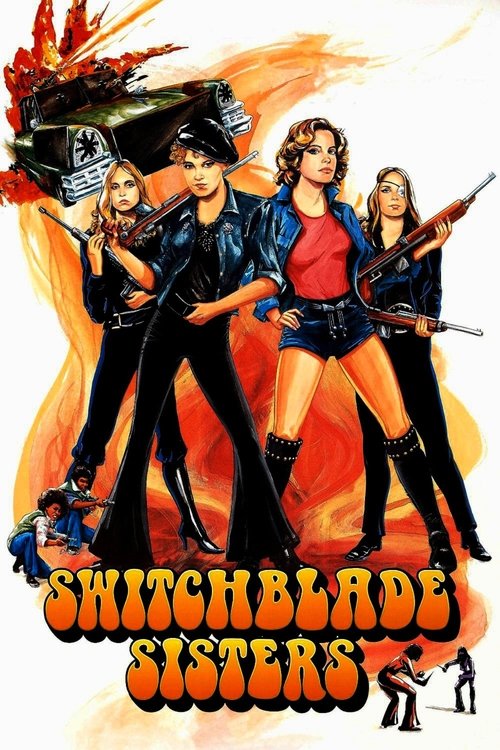
Switchblade Sisters1975
Both films use exaggeration and sex as comedy while remaining genuinely interested in their characters' desires and agency. Neither is cynical about their subjects' motivations, which paradoxically makes them more provocative.
Jack Hill's all-female gang film has Meyer's visual excess and camp sensibility but with genuine street-level grit. Exploitation as female power fantasy rather than male fantasy. Cartoonish but with real stakes.
But The plot involves assault and uses those scenarios comedically in ways that feel wrong even in context. The tonal shifts are jarring by design.
More like this (7)
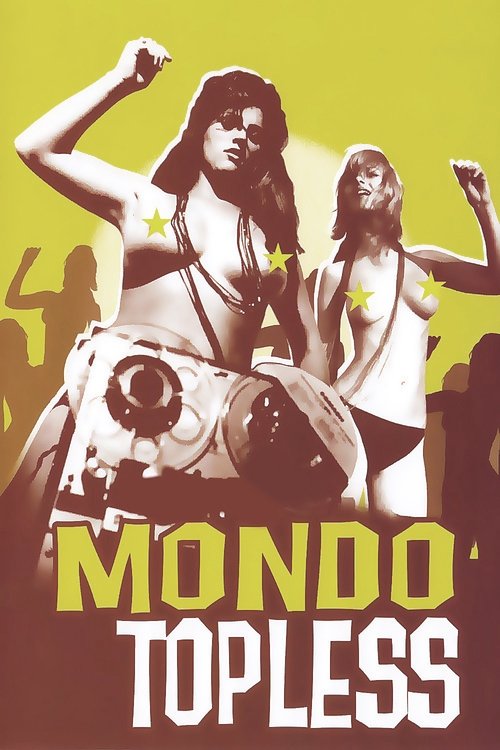
Mondo Topless1966
A documentary about topless dancers that Meyer treats with anthropological oddness and his signature visual flair. It's genuinely interested in its subjects' lives while remaining utterly bizarre.
But It's a documentary about topless dancers. The subject matter is what it is, and the framing doesn't make it any less uncomfortable for some viewers.
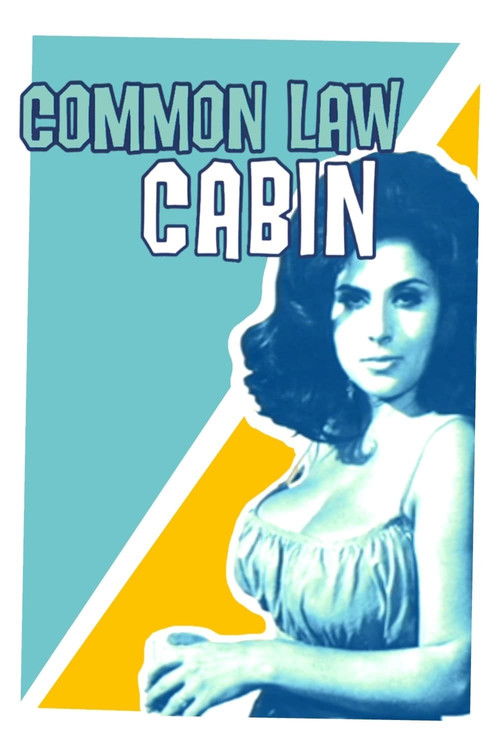
Common Law Cabin1967
A couple rents a remote cabin where guests arrive and things become increasingly unhinged. Compact and genuinely strange, with Meyer's visual confidence on full display.
But Barely coherent plot-wise. The appeal is almost entirely the aesthetic and the sheer strangeness; narrative clarity isn't the point.
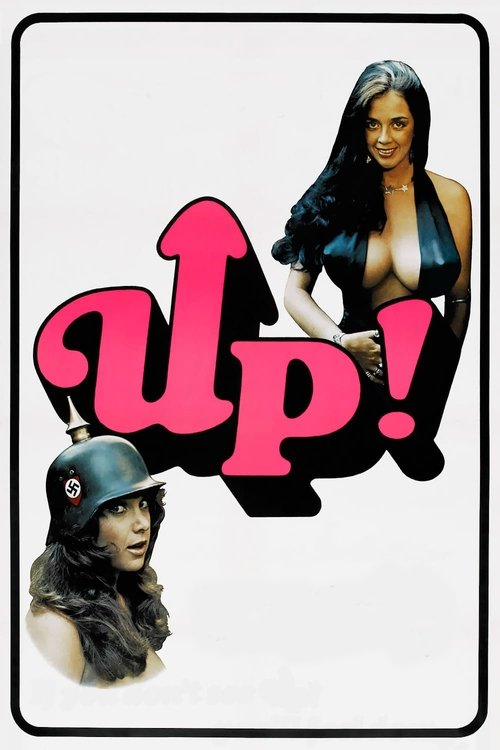
Up!1976
Meyer's most experimental film: a murder mystery where the camera literally moves in impossible directions and the composition defies logic. Visually intoxicating even when the story collapses.
But It's difficult to follow and deliberately hostile to conventional filmmaking. The visual experimentation can feel like a gimmick that wears out.
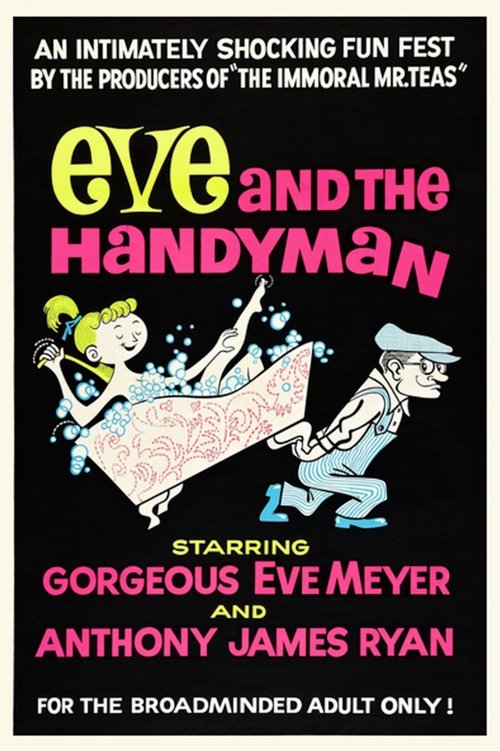
Eve and the Handyman1961
Meyer's breakthrough: a handyman repairs a house while a housewife watches from various angles. Innocent-seeming but saturated with innuendo and visual invention. Surprisingly playful.
But It's basically a silent film. The lack of dialogue and reliance on visual comedy feels dated if you're not attuned to that register.
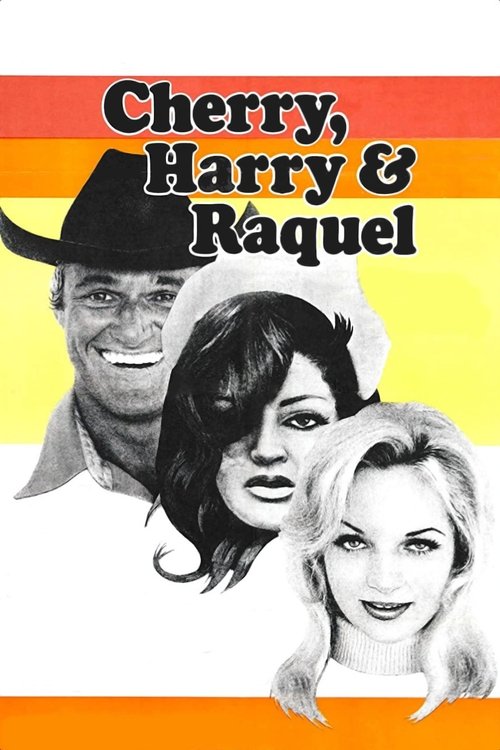
Cherry, Harry & Raquel!1969
A cop and his girlfriend navigate jealousy and infidelity across multiple locations. One of Meyer's most accessible narratives despite the expected excess and absurdity.
But The sexual politics are aggressively retrograde even by exploitation standards. It's a period piece about people behaving badly, not a moral argument against them.
Pandora's Box1929
Both present female sexuality as anarchic and dangerous, but where Meyer winks and exaggerates, Pabst treats it as tragic inevitability. Same obsession, opposite register—Meyer's comedy is Pabst's nightmare.
Pabst's silent masterpiece about a woman whose sexuality destroys everyone around her. Lulu is a force of nature, morally indifferent and utterly compelling. The visual language is ravishing and the fatalism is real.
But It's silent and from 1929. The pacing is glacial by modern standards, and the tragedy isn't played for laughs—it's genuinely bleak.

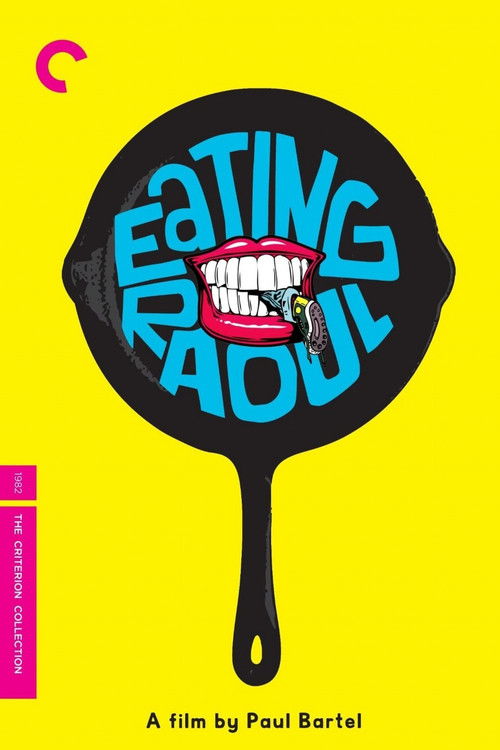
Eating Raoul1982
Both use sex comedy to expose hypocrisy and sexual anxiety in America. But where Beneath the Valley celebrates transgression, Raoul is horrified by normalcy—they're opposite sides of the same American neurosis.
A straight-laced couple murders swingers and uses the proceeds to buy a house. Deadpan satire about suburban values and sexual repression with more wit than any Meyer film. Genuinely funny because it's played completely straight.
But The humor is intellectual rather than visceral. It's a film about people who find sex distasteful, which means a lot of the film is distasteful. Some will find it precious rather than funny.
People
Cast
 Kitten NatividadLavonia / Lola Langusta
 Ann MarieEufaula Roop
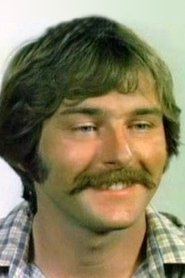 Ken KerrLamar Shedd
- June MackJunkyard Sal
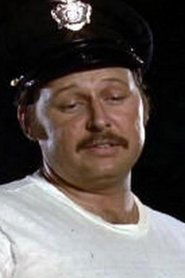 Patrick WrightMr. Peterbuilt
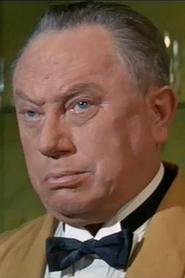 Henry RowlandMartin Bormann
- Robert E. PearsonDr. Asa Lavender
- Michael FinnSemper Fidelis
 Sharon CeccattiNurse Flovilla Thatch
- Don ScarboroughBeau Badger
 Aram KatcherTyrone
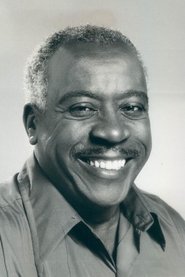 DeForest CovanZebulon
Directing
- Russ MeyerDirector
Writing
- Russ MeyerOriginal Story
- Roger EbertScreenplay
Production
- Uschi DigardAssociate Producer
- Fred OwensProducer
- Richard S. BrummerProducer
- Russ MeyerProducer
- Les BarnumProducer's Assistant
Recommended by
Barb & Star Go to Vista Del Mar, Vixen!, Supervixens, Up!, DOA: Dead or Alive, Eat the Rich, The Telephone Book