
Film
Eat the Rich
A scrappy 1987 British punk-comedy caper about a vengeful waiter and his mates turning the tables on the snobbish elite. It's aggressively silly, politically messy, and powered by genuine anarchist energy rather than Hollywood polish. For viewers who'd rather watch something *weird* than well-made, and who think Lemmy Kilmister appearing as a character called Spider is exactly the right casting decision.
Should you watch it?
Watch it if you enjoy scrappy, deliberately cheap satire that goes for the jugular with slapstick, punk attitude and a grin, and you don't mind the rough edges of a low-budget anarchist farce.
Skip it if crude, scattershot and often stalling, with sketch-like episodes and a visibly tiny budget, so tight plotting or polish will frustrate you.
What it asks of you: At about ninety minutes it moves in loose, chaotic bursts rather than a steady build, so you must go along with its noise and let the sketches pile up.
Not sure? Find tonight's pick in a minute.
If you liked this
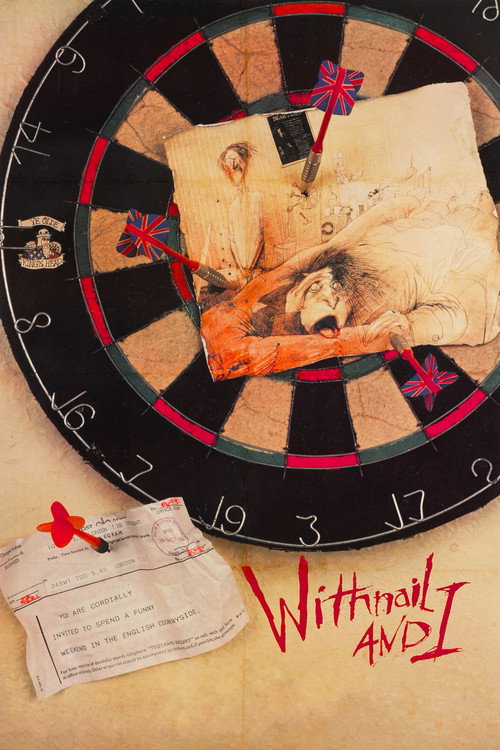
Withnail & I1987
Released the same year, another scabrous British comedy about the powerless raging against a world indifferent to them. Sharper dialogue, but the same spirit of transgressive glee and mordant wit about class and failure.
But It's slower and more melancholic—less a caper, more a character study of decline. Some find the pacing deliberately tedious.
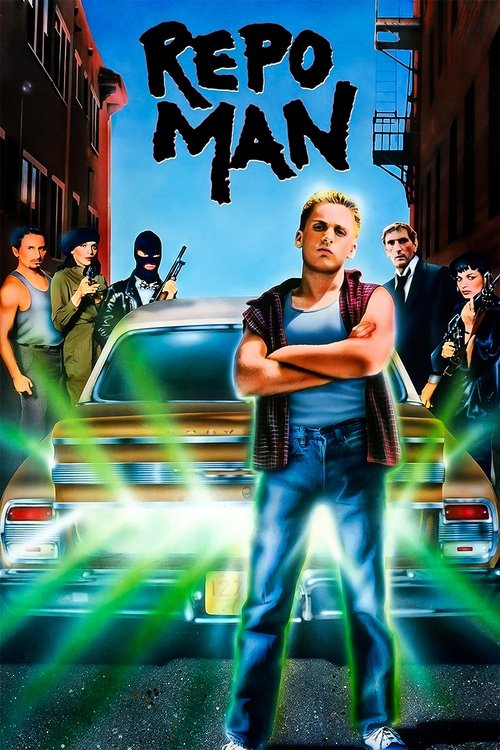
Repo Man1984
Alex Cox's cult classic about a punk kid shanghaied into repo work; it has the same anarchist worldview, fractured logic, and refusal to play by genre rules. Genuinely weird in ways that shouldn't work but do.
But The plot is deliberately incoherent and goes nowhere on purpose. It's a tone poem pretending to be a thriller, and that's a hard sell.
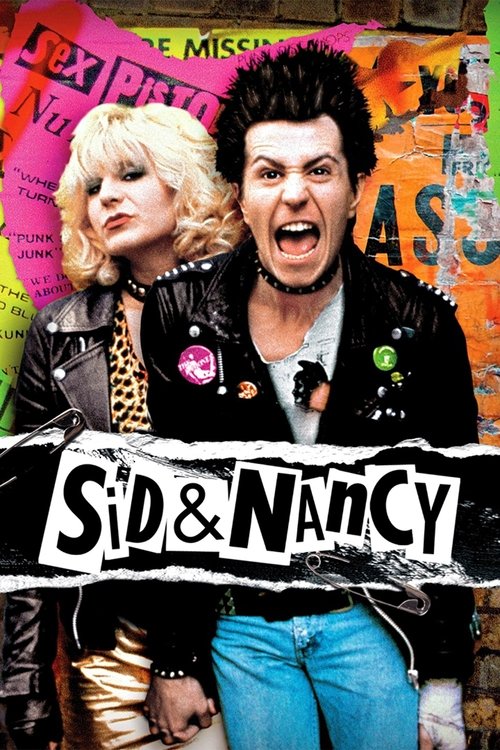
Sid and Nancy1986
Another film about punk rock's dark underbelly, directed by Alex Cox. Tender and vicious in equal measure, with real tragedy underneath the chaos—a companion piece to Eat the Rich's manic energy.
But It's bleak and genuinely depressing, with no jokes to soften the edges. The violence is casual and the ending is grim.
Not sure tonight? Get a pick in a minute, starting from Eat the Rich
The wildcard
Something you would not have found on your own.
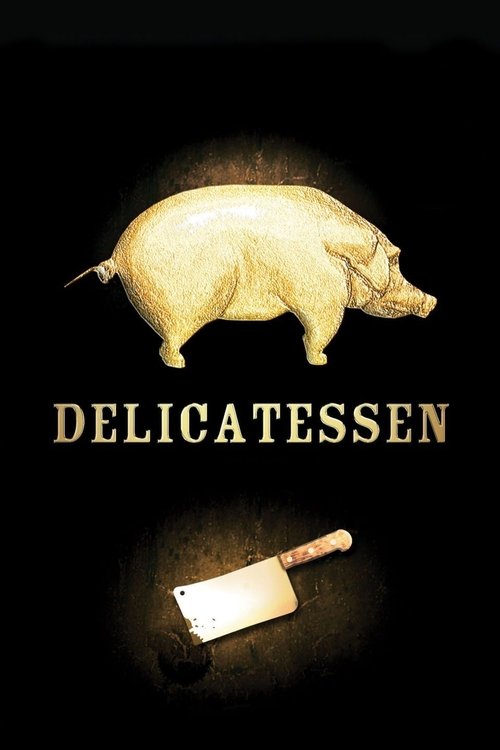
Delicatessen1991
Both are satirical fantasies about class violence imagined as slapstick, using grotesquerie and formal excess rather than realism to make their point.
A French grotesque fantasy where the lower classes literally consume the wealthy during social collapse, staged with surrealist set design and whimsical violence. It takes the cannibalism metaphor from Eat the Rich and makes it literal, absurd, and weirdly beautiful.
But It's visually extreme and tonally strange—part fairy tale, part body horror. If you want emotional realism or clear genre footing, this will feel precious and alienating.
More like this (8)
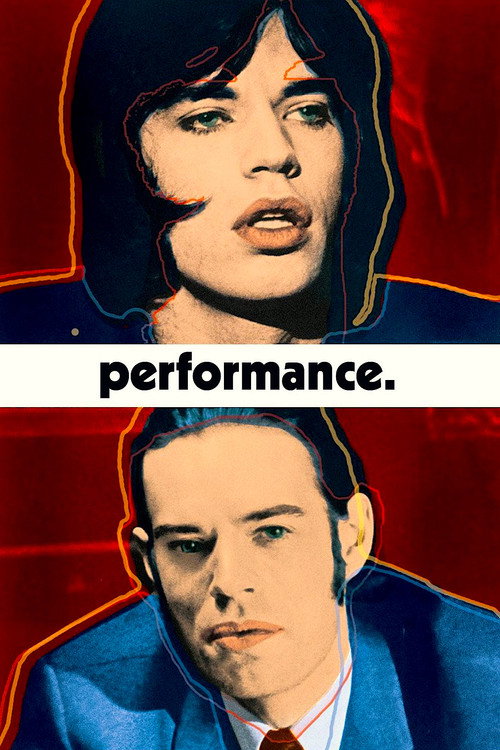
Performance.1970
A kinetic, drug-hazed collision of rock star and gangster that helped invent the idea of cinema as anarchic provocation. Visually inventive and morally slippery in all the right ways.
But It's nearly incomprehensible and relies on you accepting that narrative coherence is the enemy. Some viewers will find it self-indulgent chaos.
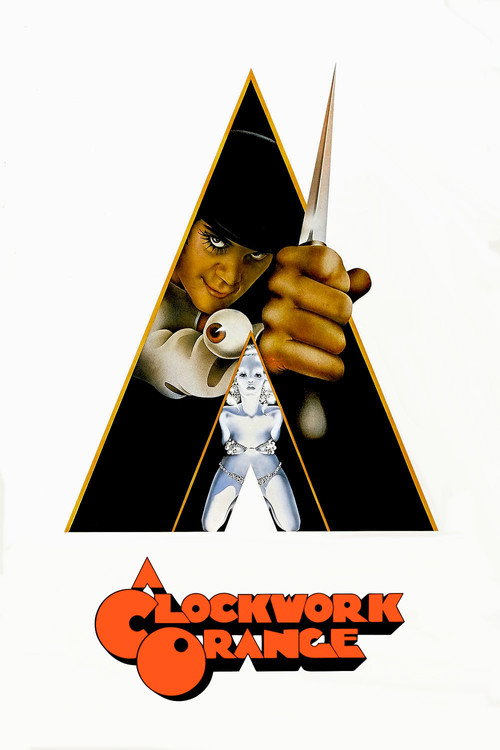
A Clockwork Orange1971
Both films are transgressive comedies about ugly systems producing ugly people, staged with formal perversity. The violence is stylized, the satire is broad, and the whole thing is meant to make you deeply uncomfortable.
But It's a difficult film about difficult subjects, and you'll spend the whole time unsure if you're supposed to be laughing. Some argue Kubrick's formal brilliance makes the cruelty too seductive.
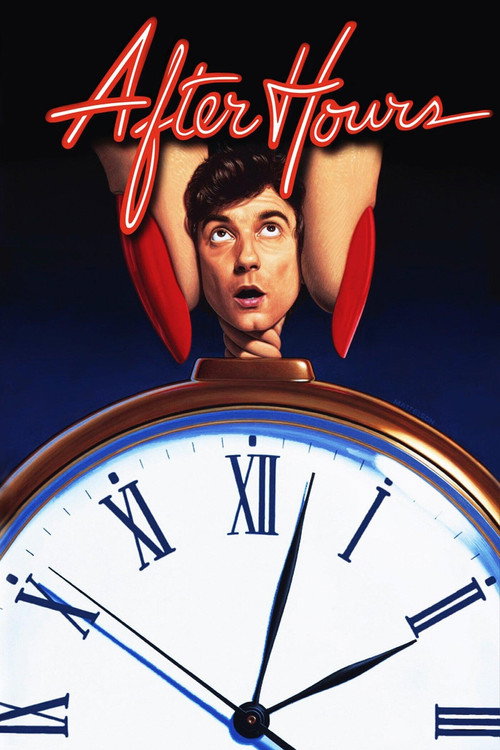
After Hours1985
A fever-dream New York comedy where a normal person falls down a rabbit hole of escalating absurdity and class collision. It has Eat the Rich's anarchic momentum and pitch-black sense that the world is fundamentally hostile.
But The tone is relentless and punishing—there's no warmth or relief, just nightmare logic. It can feel gratuitously bleak.
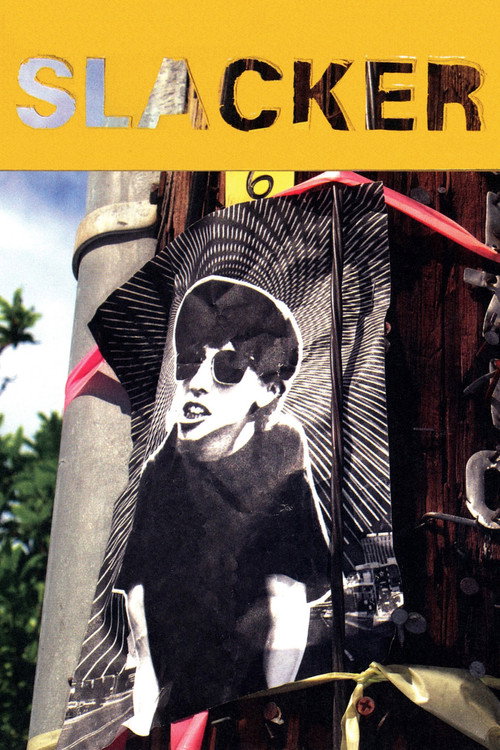
Slacker1990
A shaggy, digressive film about the powerless and disaffected in a modern city, full of half-baked schemes and people railing against systems that ignore them. It shares Eat the Rich's contempt for authority and its rambling, conversational anarchism.
But There's no plot to speak of and almost no dramatic stakes. It's deliberately formless, which some viewers experience as boring rather than liberating.
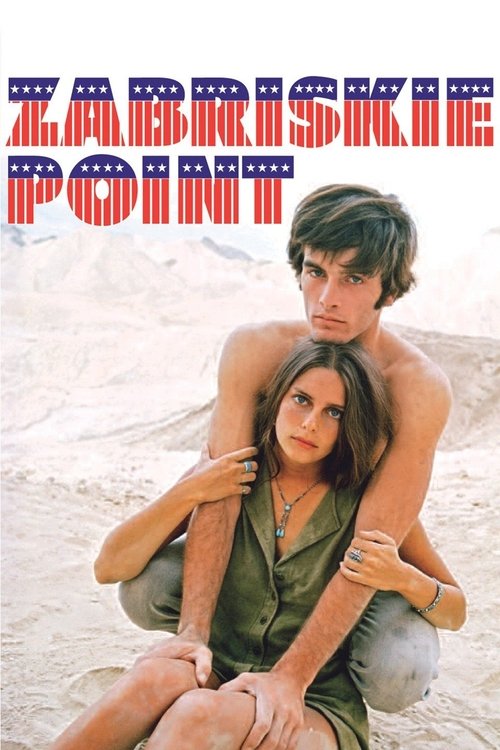
Zabriskie Point1970
Antonioni's only English-language film, a visually rapturous collision of counterculture and capitalism where young revolutionaries confront the emptiness of the system they want to destroy. Sincere in a way Eat the Rich isn't, but spiritually aligned.
But It's slow, oblique, and deeply concerned with mood over plot. The ending divides viewers sharply—some find it profound, others pretentious.
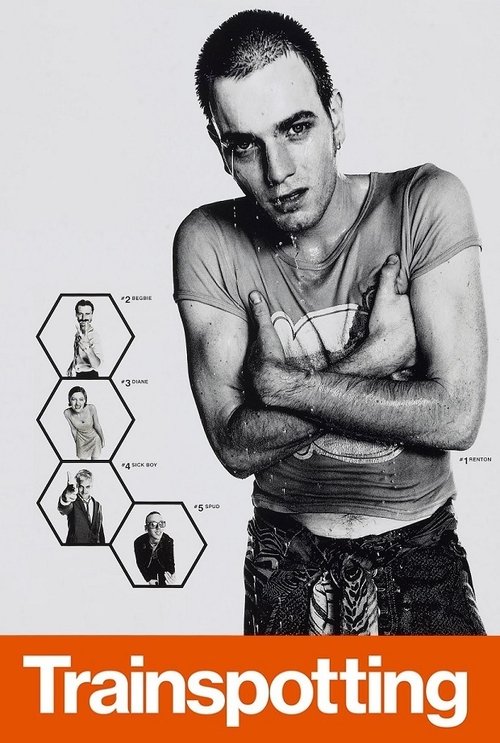
Trainspotting1996
A more commercially successful version of the same impulse: British, anarchic, energetic, using rock and punk aesthetics to tell the story of people at the bottom of the class system fighting the wrong enemies.
But It's much grimmer and much more focused on addiction as tragedy rather than comedy. The humor is there, but the despair is louder.
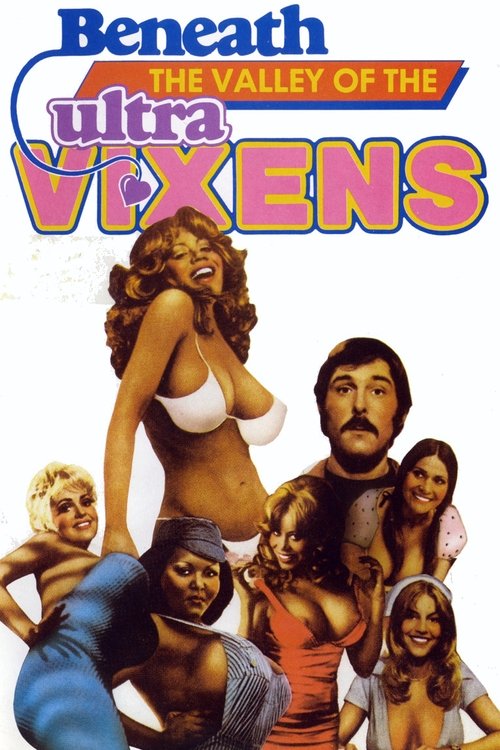
Beneath the Valley of the Ultra-Vixens1979
Both films reject mainstream taste and polish in favor of trashy excess; both are powered by genuine conviction rather than irony. But Meyer loves bodies and appetites while Eat the Rich is more interested in systems and spite.
A deliberately vulgar, wildly energetic American sexploitation film that treats working-class sexuality and transgression with genuine affection rather than contempt. Like Eat the Rich, it's crude, anarchic, and utterly uninterested in being respectable—but Meyer's films are anarchist in their celebration of appetite and pleasure.
But It's explicitly sexual and nakedly misogynistic in ways that feel genuinely offensive rather than satirical. The 'humor' often relies on degradation, and the film has no critical distance on its own attitudes.
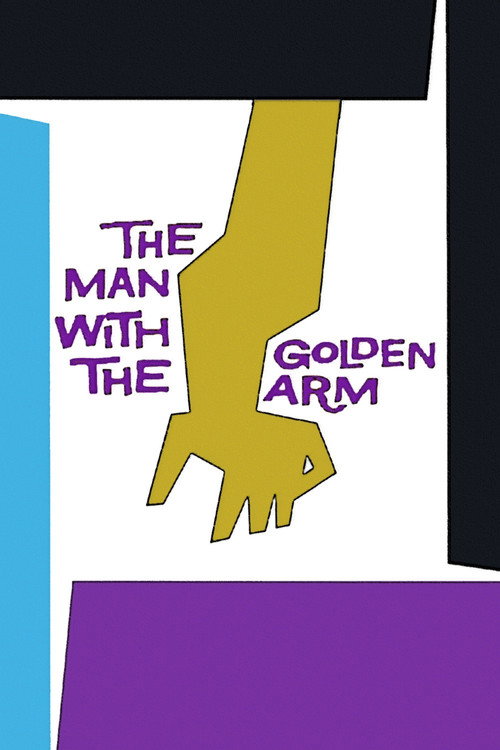
The Man with the Golden Arm1955
Both films are furious at the machinery that grinds up ordinary people, and both express that fury through formal restlessness and refusal to make the audience comfortable. Neither makes peace with the system or finds redemption in it.
A noir from the '50s about working-class Chicago and addiction, shot with jagged energy and genuine anger at systems that crush people. It predates punk rock but has that punk spirit—fed up, explosive, refusing to make suffering noble or redemptive.
But It's a period piece and it shows; the social attitudes are of their era, and the film's treatment of women and addiction is dated. It's also a proper tragedy, not a comedy.
People
Cast
 Ronald AllenCmdr. Fortune
- Jimmy FaggJimmy
 Lanah PAlex
 Fiona RichmondFiona
 Sandra DorneSandra
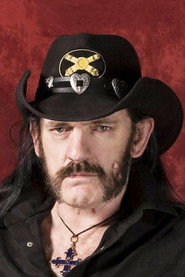 Lemmy KilmisterSpider
 Nosher PowellNosher
- Dave BeardGen. Karpov
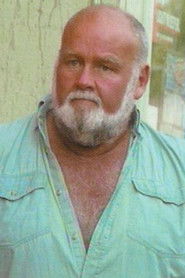 Ron TarrRon
 Kevin AllenWaiter 1
 Rowland RivronStar Reporter
- Rowena BentlyIndecisive Girlfriend
Directing
- Peter RichardsonDirector
Writing
- Pete RichensWriter
- Peter RichardsonWriter
Production
- Michael WhiteExecutive Producer
- Tim Van RellimProducer
Recommended by
Rest Stop, The Little Shop of Horrors, Death of a Bureaucrat, Get Crazy, Roadie, Water