
Film
Zabriskie Point
Michelangelo Antonioni's visionary 1970 film captures the end of American counterculture through star-crossed lovers in the desert. A reverie of sun-bleached landscapes, electric rock, and existential drift, it's formally radical and deliberately paced. For viewers drawn to art cinema that prioritises atmosphere and visual poetry over plot—and who can sit with ambiguity.
Should you watch it?
Watch it if you care more about a film's images and mood than its plot, and you like a restless rebellion told through long, wandering shots of empty landscapes.
Skip it if you need a tight story and sharp dialogue, since the characters talk little and the political anger feels loose, drifting, and sometimes naive to modern eyes.
What it asks of you: Settle in for a slow, sparse nearly two hours where silence and open desert carry much of the weight, letting mood build rather than waiting for events.
Not sure? Find tonight's pick in a minute.
If you liked this
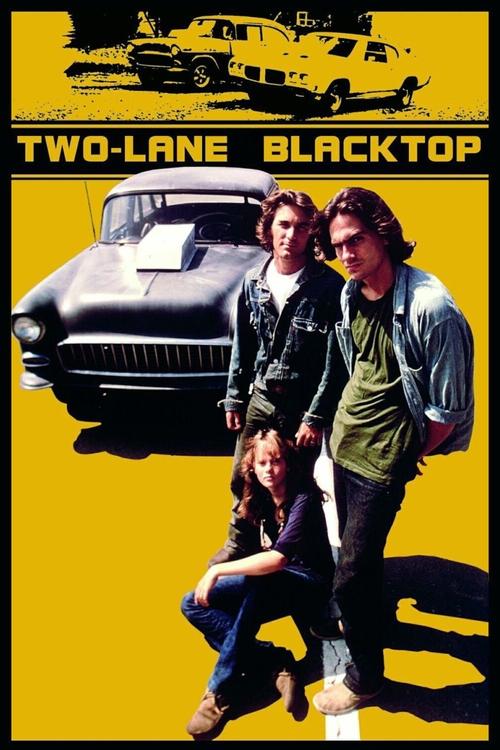
Two-Lane Blacktop1971
Warren Oates and James Taylor drift across America with philosophical languor. Like Zabriskie Point, it's seduced by landscape and ennui, trading dialogue for long silences and the hum of engines. Gorgeously shot, structurally spare.
But The plot barely moves. If you need narrative momentum or clear character arcs, this will feel like watching paint dry—beautifully, but still.
Blow-Up1966
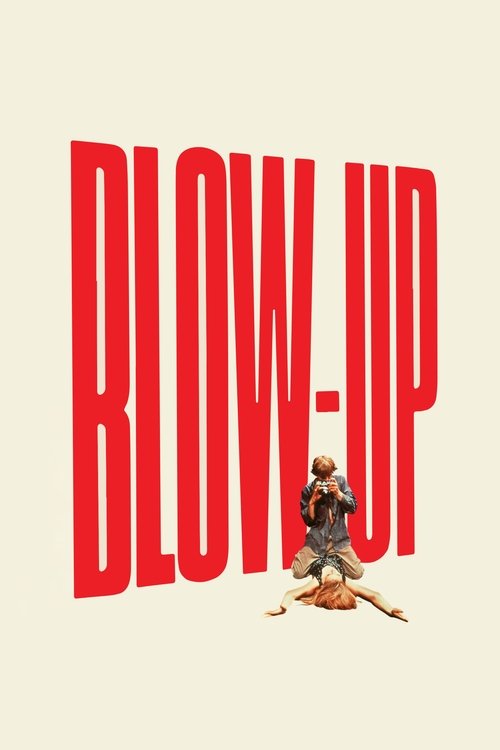
Antonioni's supreme work: a mod photographer suspects he's captured a murder. It shares Zabriskie's cool eroticism, visual obsession, and refusal to explain itself. You leave the cinema unsure what you saw, which is exactly the point.
But Deliberately cryptic. Some find it pretentious; others find it liberating. The ambiguity isn't a bug, and it won't resolve itself for you.
The Swimming Pool1969
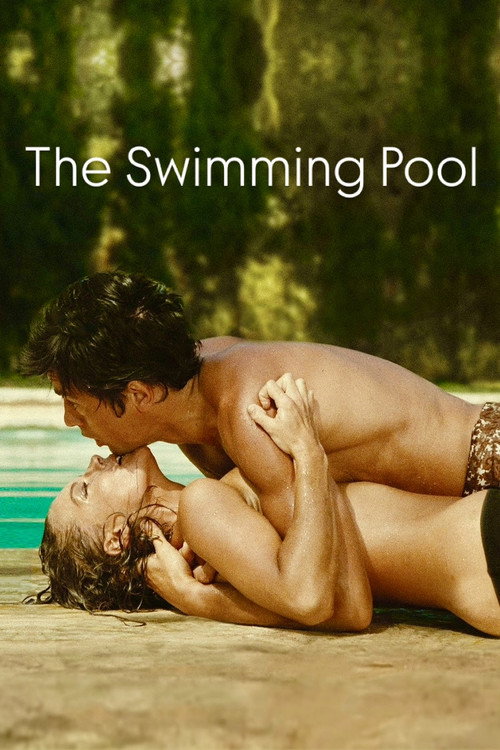
Alain Delon and Claudine Longet languish by a pool in Saint-Tropez. Like Zabriskie, it's a study in desire, class, and surfaces—formal, detached, hypnotic. The atmosphere is everything.
But Nothing much happens. The appeal is entirely aesthetic and atmospheric; plot doesn't matter.
Not sure tonight? Get a pick in a minute, starting from Zabriskie Point
The wildcard
Something you would not have found on your own.
Memento Mori1992
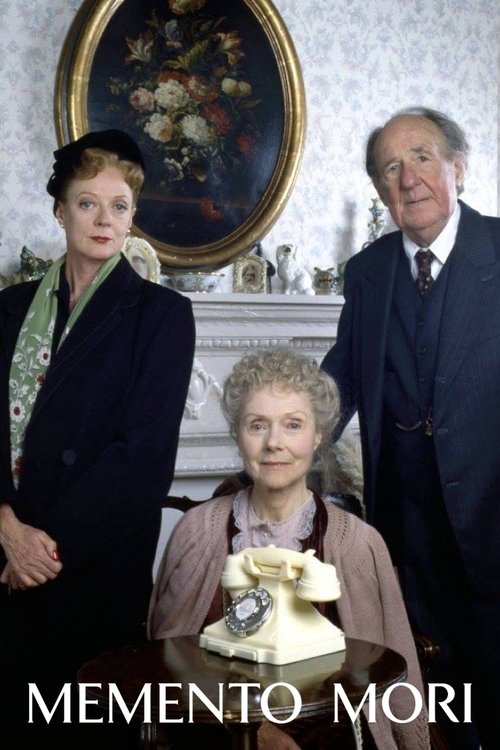
Both use landscape—desert, ruins—as a repository for grief and desire. Both let the image speak louder than dialogue. Both trust the viewer to feel rather than understand.
Hong Chung-hao's lyrical Taiwanese film: a young woman retraces her dead lover's steps. Achingly beautiful, structurally unconventional, shot through deserts and ruins. Visual poetry about loss and distance.
But Slow, melancholic, and slightly oblique. Not a narrative in any traditional sense. Demands patience and emotional openness.
More like this (6)
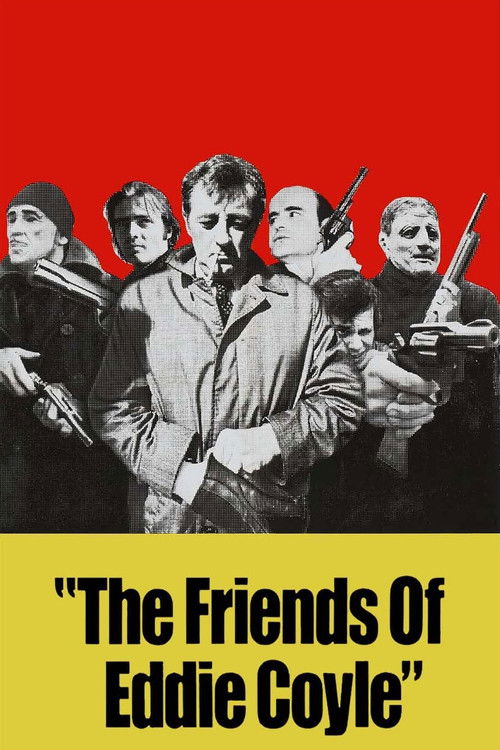
The Friends of Eddie Coyle1973
Robert Mitchum as a weary criminal in Boston. Like Zabriskie, it's precise and understated, more interested in texture than drama. Melancholy, observant, quiet.
But Bleak and unhurried. You're watching someone's slow decline, not a heist. The payoff is emotional, not visceral.
Hiroshima Mon Amour1959
Alain Resnais' masterpiece: a French actress and a Japanese architect in Hiroshima. Like Zabriskie, it interweaves landscape, memory, and bodies. Formally innovative, shot through with melancholy romance.
But The narrative is fractured and associative. If you expect linear storytelling, you'll be lost. It demands active attention.
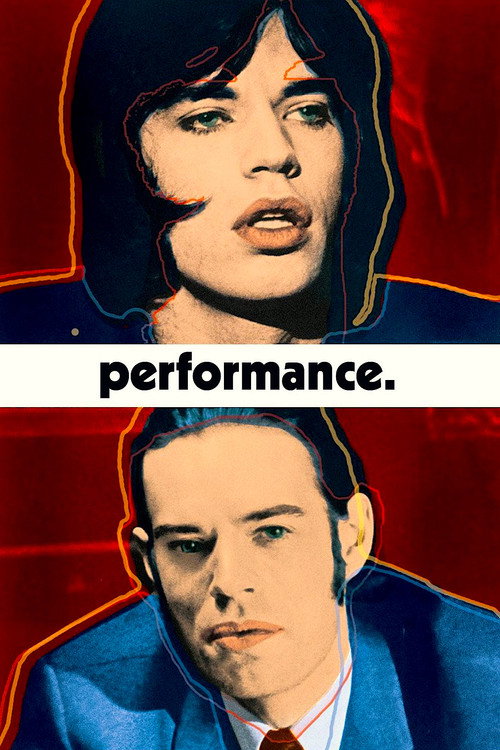
Performance.1970
Donald Cammell and Nicolas Roeg's only film together: a gangster hides in a rock musician's house and identity dissolves. Contemporaneous with Zabriskie, equally trippy and formally experimental. Hypnotic and unsettling.
But Surreal and claustrophobic. The narrative barely holds together. Some find it fascinating; others find it self-indulgent.
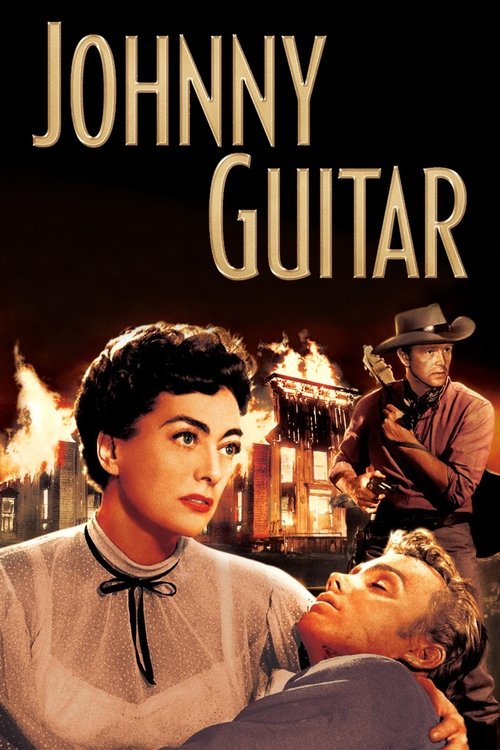
Johnny Guitar1954
Nicholas Ray's queer Western: a woman runs a saloon, Joan Crawford defies every convention. Like Zabriskie, it prioritises mood and visual style over logic. Bizarre, formally daring, utterly of its moment.
But The plot is secondary to the aesthetic. The pacing feels strange. It rewards patience but won't appeal to everyone.
Stalker1979
Tarkovsky's meditative sci-fi: three men journey into a mysterious zone. Glacial pacing, metaphysical questions, stunning cinematography. For viewers who loved Zabriskie's refusal to hurry or explain.
But Nearly three hours of philosophical drift. If you need plot propulsion, this will feel unbearably slow.

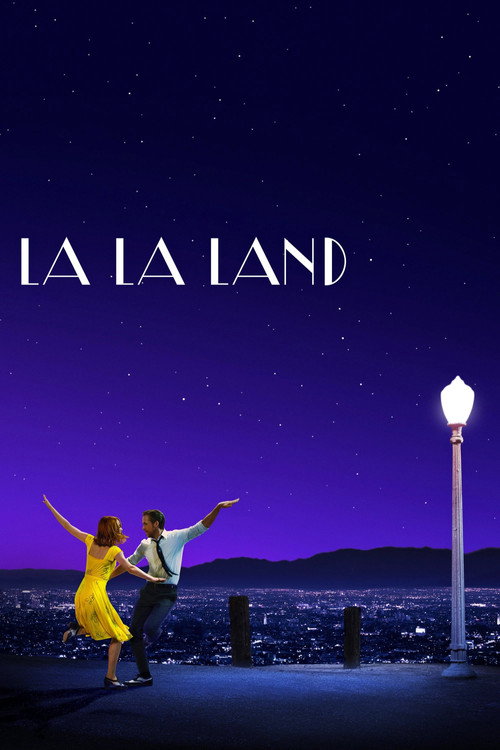
La La Land2016
Both grapple with the American landscape as a space of escape from societal structures. But where Zabriskie is ecstatic and doomed, Land is austere and enduring—a different answer to the same question.
Debra Granik's restrained study of a woman rebuilding alone in the Wyoming wilderness. Sparse, tactile, about solitude as spiritual choice. Like Zabriskie Point, it's a film about landscape, capitalism's violence, and individual liberation—but grounded in material reality.
But Minimal plot. The drama is internal and often invisible. Some will find it meditative; others will find it airless.
People
Cast
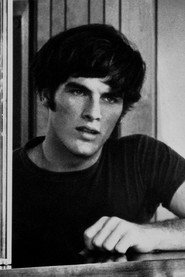 Mark FrechetteMark
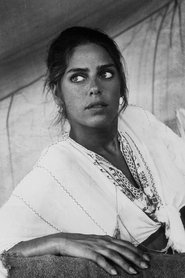 Daria HalprinDaria
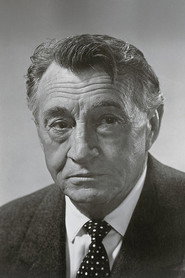 Paul FixCafe Owner
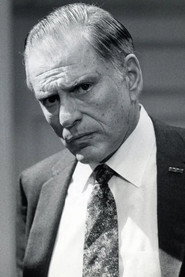 G.D. SpradlinLee's Associate
- Bill GarawayMorty
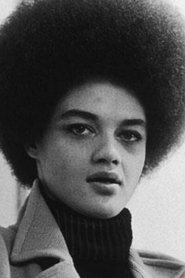 Kathleen CleaverKathleen
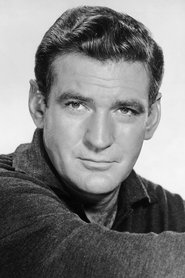 Rod TaylorLee Allen
- Martin AbrahamsRadical Student (uncredited)
- Michael L. DavisPolice Lieutenant on Loudspeaker (uncredited)
- Lee DuncanHighway Patrolman (uncredited)
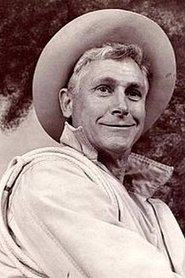 George DunnAirport Mechanic (uncredited)
- Dennis FaltUniversity Student (uncredited)
Directing
- Robert RubinAssistant Director
- Michelangelo AntonioniDirector
- Bonnie PrendergastScript Supervisor
Writing
- Clare PeploeScreenplay
- Franco RossettiScreenplay
- Michelangelo AntonioniScreenplay
- Sam ShepardScreenplay
- Tonino GuerraScreenplay
- Michelangelo AntonioniStory
Production
- Harrison StarrExecutive Producer
- Carlo PontiProducer
- Sally DennisonProduction Assistant
- Don GuestUnit Production Manager
Recommended by
Easy Rider, Knightriders, El Topo, Greaser's Palace, Werewolves on Wheels, Eat the Rich, Psych-Out, Getting Straight