
Film
El Topo
- Action
- Coming-of-age
- Very dark
- Strange
El Topo is a 1970 surrealist Western that follows a gunslinger and his young son across a mythic desert, confronting warrior masters in a fever dream of violence, spirituality, and transformation. Jodorowsky's film is visually extraordinary and symbolically dense—a ritual more than a narrative, operating by dream logic rather than plot. It demands patience and surrender from viewers willing to sit with strangeness.
Should you watch it?
Watch it if you love surreal, symbol-heavy Westerns that treat the desert like a dream and care more about strange images than tidy plotting, the way midnight-cult classics reward repeat viewing.
Skip it if you want a straightforward story with clear motives, steady pacing, or characters you can settle into; this film is deliberately disorienting and often shocking, with violence and provocation that can feel gratuitous.
What it asks of you: Roughly two hours and five minutes of patience, with long wordless stretches and abrupt tonal shifts. You will need to surrender to images rather than follow a conventional narrative thread.
Not sure? Find tonight's pick in a minute.
If you liked this
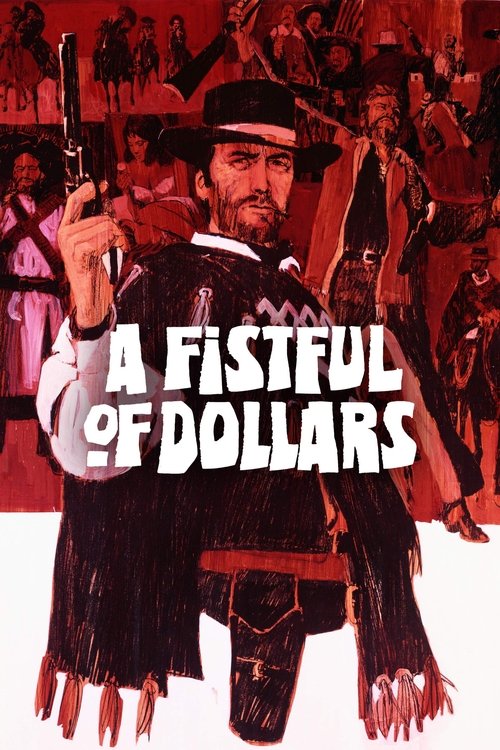
A Fistful of Dollars1964
The archetypal revisionist Western that redefined the genre's moral landscape. Leone's iconic style—extreme close-ups, operatic violence, moral ambiguity—directly influenced Jodorowsky's visual language and philosophical approach to the Western form.
But It's nearly sixty years old and shot in a stark, deliberate style that can feel slow if you're expecting conventional action beats or character development.
Stalker1979
Tarkovsky's meditative science-fiction journey shares El Topo's commitment to spiritual searching over narrative clarity. Both films use landscape and symbol to explore transformation, faith, and what we're willing to sacrifice to reach enlightenment.
But At 163 minutes, it's even longer and more oblique than El Topo, with minimal dialogue and a glacial pace that tests patience severely.

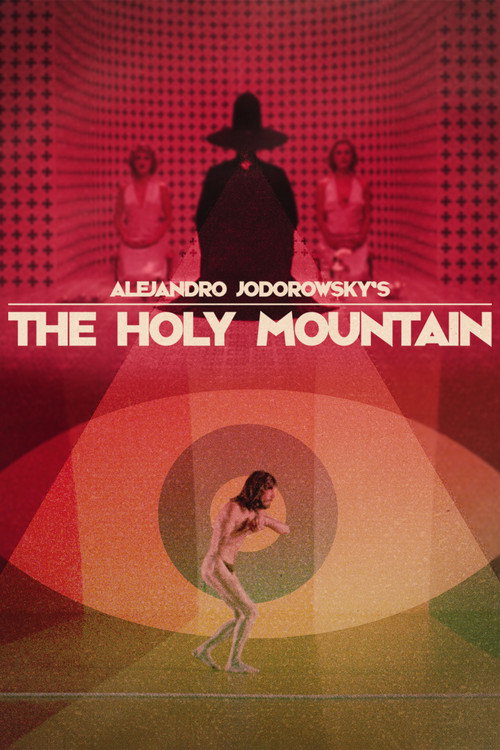
The Holy Mountain1973
Jodorowsky's follow-up doubles down on surrealism, metaphysical symbolism, and transgressive imagery in a quest narrative. If El Topo fascinated you, this is essential—bolder, more elaborate, fully committed to dream logic.
But It's considerably weirder and more graphic, featuring imagery designed to disturb rather than comfort. Some sequences are genuinely stomach-turning.
Not sure tonight? Get a pick in a minute, starting from El Topo
The wildcard
Something you would not have found on your own.
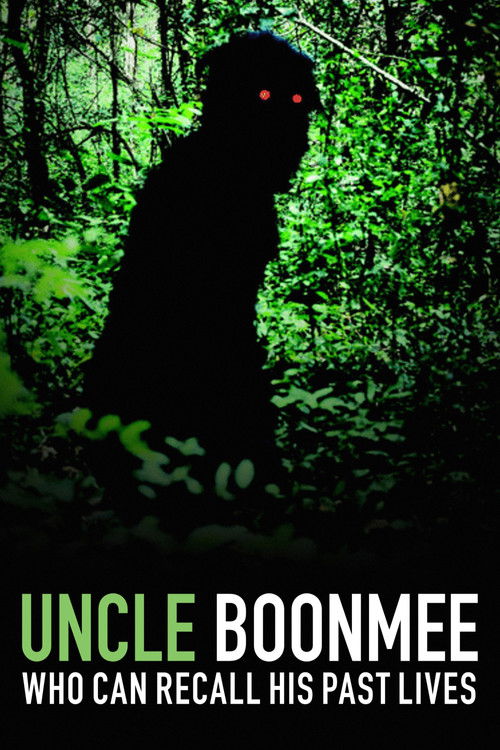
Uncle Boonmee Who Can Recall His Past Lives2010
Both films structure themselves as spiritual journeys where the external landscape becomes inseparable from internal transformation, using minimal plot and maximal visual/philosophical density.
Apichatpong's meditation on memory, death, and reincarnation shares El Topo's refusal to separate the spiritual from the material. Both treat time as cyclical rather than linear, and both demand viewers surrender to a dreamlike register where plot serves deeper questions about transformation and mortality.
But It's extremely slow, almost entirely dialogue-free, set in a rural Thai village with minimal incident. Many viewers experience it as boring rather than transcendent.
More like this (7)
Johnny Guitar1954
Ray's radical Western subverts genre expectations by centering a woman's authority and moral code. Like El Topo, it treats the Western form as malleable, willing to sacrifice conventional genre beats for thematic depth and visual invention.
But Its melodramatic emotional register and slow pacing will feel dated to those expecting gunslinger action, and the gender politics, while progressive for 1954, read differently now.

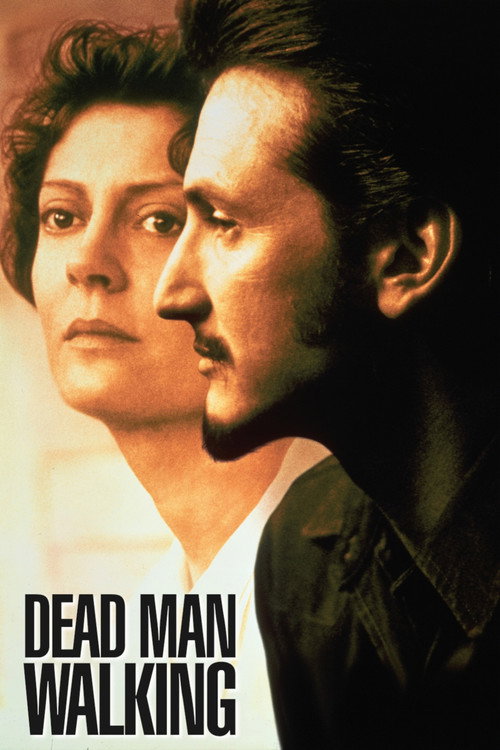
Dead Man Walking1995
Jarmusch's black-and-white Western follows a dying man's journey through an apocalyptic frontier. Like Jodorowsky, Jarmusch uses the Western landscape and form to explore mortality, alienation, and the collapse of meaning in an indifferent world.
But It's deliberately paced, visually austere, and offers no catharsis—just quiet drift toward an inevitable end. Some find it beautiful; others find it tedious.
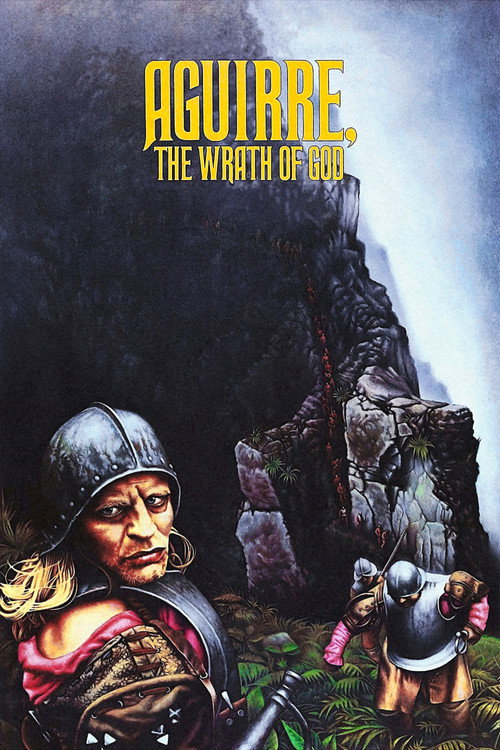
Aguirre, the Wrath of God1972
Herzog's masterpiece follows obsessed men descending into madness and chaos during a doomed quest through the jungle. Like El Topo, it's a fever dream of ambition and spiritual corruption, shot with hypnotic intensity and real danger.
But It's claustrophobic and increasingly bleak, with no redemption in sight. The pacing is deliberate, and Herzog offers no explanations for the strange events unfolding.
The Ballad of Little Jo1993
Reichardt's quiet Western follows a woman surviving alone in the frontier by assuming a male identity. Like El Topo, it interrogates gender, identity, and survival in the mythologized West, though through intimate, understated cinema.
But It's extremely restrained and interior, lacking both Jodorowsky's surrealism and conventional Western spectacle. The visual palette is deliberately muted and antiherotic.

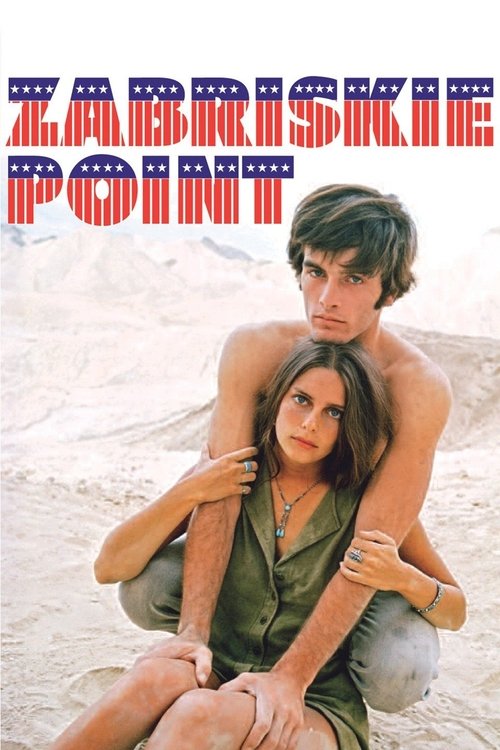
Zabriskie Point1970
Antonioni's only American film is a hallucinatory desert vision exploring desire, revolution, and the American landscape. Released the same year as El Topo, it shares a commitment to visual poetry over narrative coherence and countercultural spiritual searching.
But The dialogue is often clunky, the plot barely exists, and the famous orgy scene is more awkward than erotic. Its political critique feels dated and its romance underdeveloped.
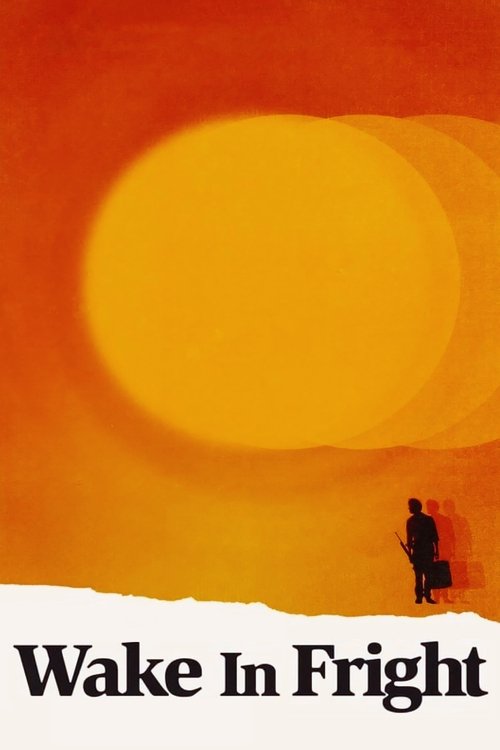
Wake in Fright1971
Kotcheff's Australian outback thriller becomes a hallucinatory descent into masculine violence and desert madness. It shares El Topo's interest in wilderness as a space where civilized identity dissolves into primal chaos and moral reckoning.
But It's brutal and nihilistic, featuring graphic animal slaughter and increasingly graphic violence. The protagonist is contemptible and there's no uplift—only the logic of degradation.
Mulholland Drive2001
Both films use surrealist form and dream logic to explore how identity and desire become indistinguishable in spaces where normal rules don't apply.
Lynch's Los Angeles nightmare-logic dream operates by the same surrealist rules as El Topo—narrative collapses into symbol, identity becomes fluid, and the film's real meaning exists below rational comprehension. Both reward surrender over analysis and formal innovation over plot.
But Its three-hour runtime includes long sequences of numbing strangeness, and the non-linear structure actively resists comprehension. You cannot solve it through concentration; only dissolution works.

People
Cast
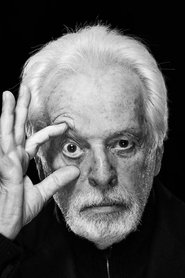 Alejandro JodorowskyEl Topo
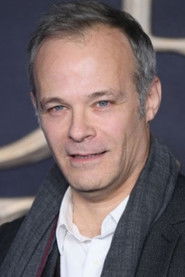 Brontis JodorowskySon of El Topo
- Mara LorenzioMarah / The Woman
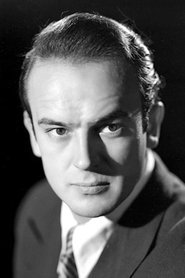 David SilvaThe Colonel
- Paula RomoDesconocida
- Jacqueline LuisMujercita
- Robert JohnAdult Son of El Topo
- Héctor MartínezMaestro 1
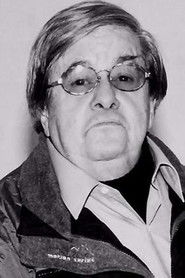 Juan José GurrolaMaestro 2
- Víctor FosadoMaestro 3
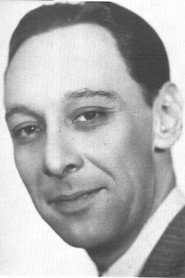 Agustín IsunzaMaestro 4
- José LegarretaDying Man
Directing
- José Luis González de LeónAssistant Director
- Alejandro JodorowskyDirector
- Rafael Villaseñor KuriScript Supervisor
Writing
- Alejandro JodorowskyWriter
Production
- Juan López MoctezumaAssociate Producer
- Moshe RosembergAssociate Producer
- Roberto ViskinAssociate Producer
- Saúl RosembergAssociate Producer
- Mick GochanourProducer
- Jorge Rubio SalazarProduction Assistant
- Luz María RojasProduction Assistant
- Roberto ViskinProduction Manager
Recommended by
Jodorowsky's Dune, Preacher, Greaser's Palace, The Beyond, Desperado, Villa Rides, Barbarosa, The Cisco Kid