
Film
Greaser's Palace
- Comedy
- Strange
Robert Downey Sr.'s genuinely deranged 1972 Western retelling of Christ's Passion through acid-trip surrealism and scatological humour. It's bewildering, confrontational, deeply strange—a film that doesn't so much ask for your patience as demand your surrender. For adventurous viewers willing to sit with genuine weirdness.
Should you watch it?
Watch it if you enjoy surreal, deliberately irreverent comedy that treats sacred stories as raw material for strange tableaux, and you don't need the plot to make tidy sense.
Skip it if you want a steady narrative or conventional characters you can settle into, since this runs on oddball images and provocation that may feel random or wearing over its ninety-one minutes.
What it asks of you: Ninety-one minutes of deliberately jarring, dreamlike episodes that shift without warning, so it asks for patience with abrupt changes of mood and an openness to being unsettled.
Not sure? Find tonight's pick in a minute.
If you liked this
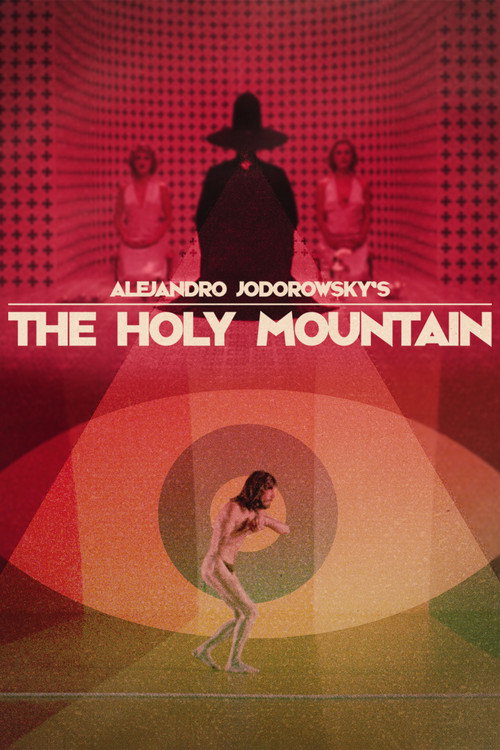
The Holy Mountain1973
Jodorowsky's surrealist masterpiece shares Greaser's Palace's refusal to explain itself, its contempt for narrative comfort, and its conviction that spiritual truth lives in fever-dream logic and transgressive imagery.
But At 119 minutes, it's longer, denser, and even less interested in coherence—a film designed to unsettle rather than illuminate.
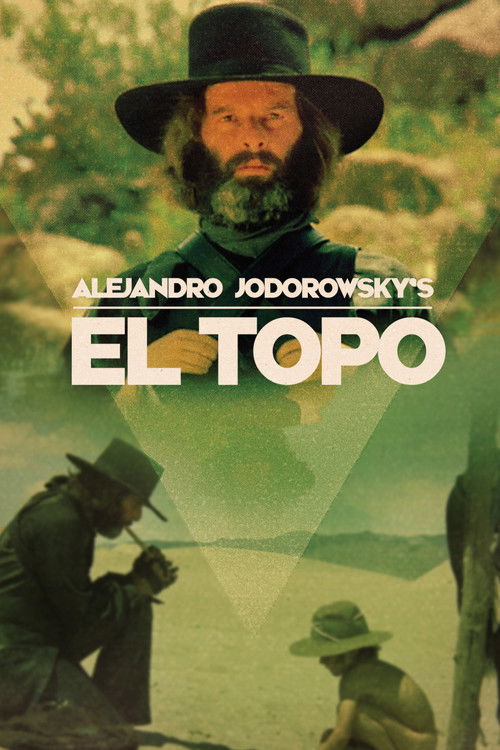
El Topo1970
Another Jodorowsky film that uses Western iconography to explore spiritual and bodily transformation through surreal, often grotesque imagery. Same DNA of uncompromising weirdness.
But Genuinely difficult material involving real animal violence and extreme body horror that hasn't aged into archival fascination.
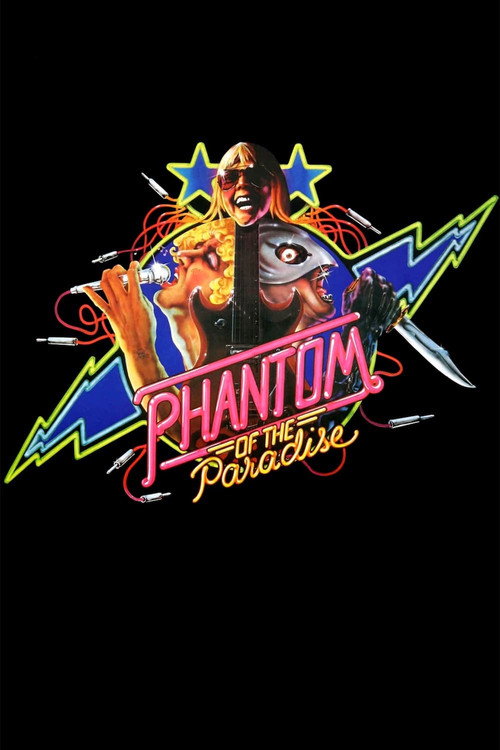
Phantom of the Paradise1974
Brian De Palma's glam-rock riff on Faust uses B-movie excess and horror-comedy tone to explore spiritual corruption. Similar commitment to style over sense-making.
But Genre pastiche; if the idea of a rock opera horror film doesn't make you curious, the homage won't carry you.
Not sure tonight? Get a pick in a minute, starting from Greaser's Palace
The wildcard
Something you would not have found on your own.
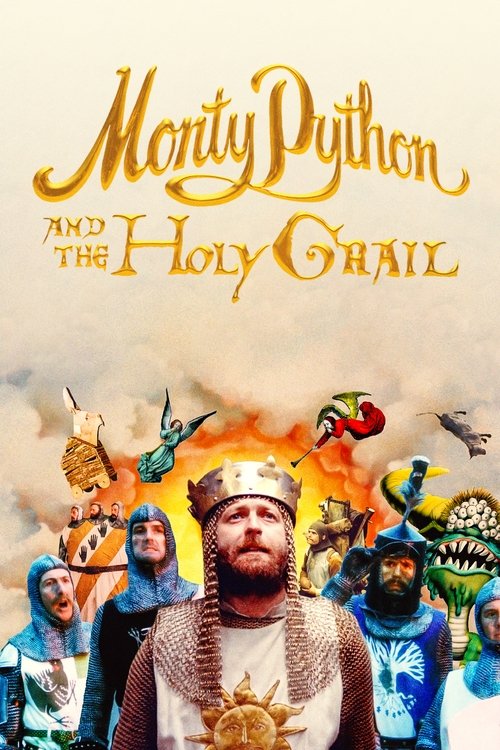
Monty Python and the Holy Grail1975
Both films treat sacred narratives as permission to be completely unhinged—to subordinate plot and reverence to whatever's funny or visually arresting in the moment.
British absurdism and low-budget ingenuity repurpose medieval legend through sketch logic and anarchic humour. Same refusal to respect source material, same conviction that laughter and the sacred aren't opposites.
But Comedy about spiritual narratives; if the premise doesn't make you smile immediately, the Monty Python style will exhaust rather than delight.
More like this (8)
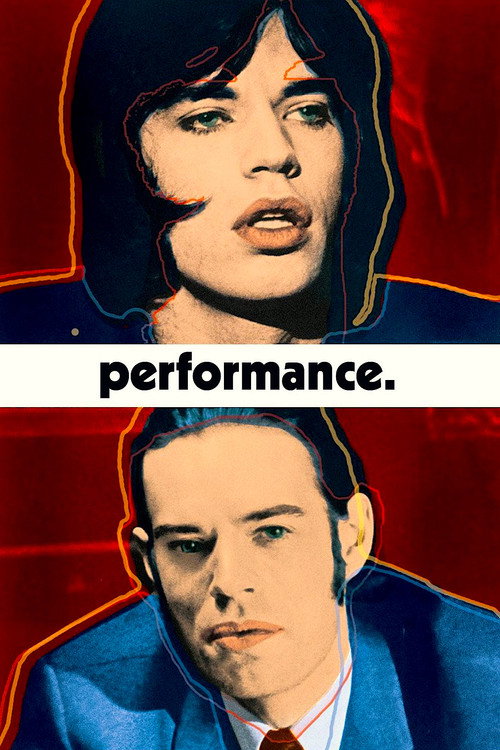
Performance.1970
Roeg and Cammell's disorienting psychological thriller shares the same psychedelic unease and refusal to anchor meaning—reality fractures through performance and identity.
But Slower, more elliptical, and harder to track. Its ambiguity is the point, but that's also why many find it frustrating.
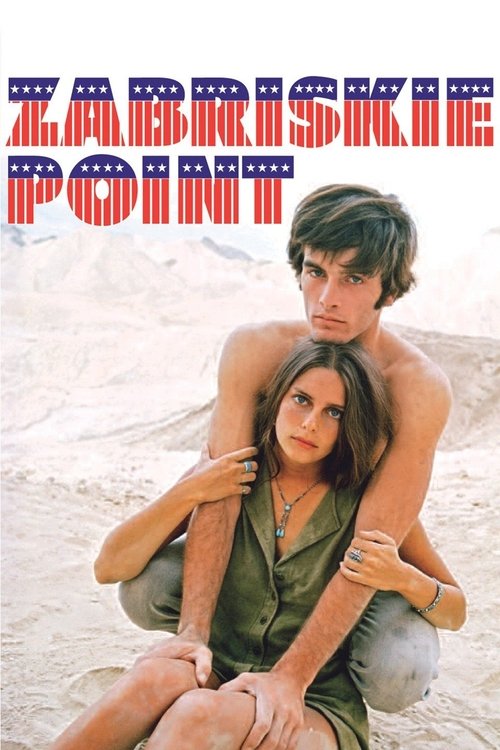
Zabriskie Point1970
Antonioni's only American film uses desert landscape and counterculture as spiritual ground. Same era, same willingness to make narrative serve vision rather than vice versa.
But Notoriously derided on release; pacing that some call meditative, others call inert.
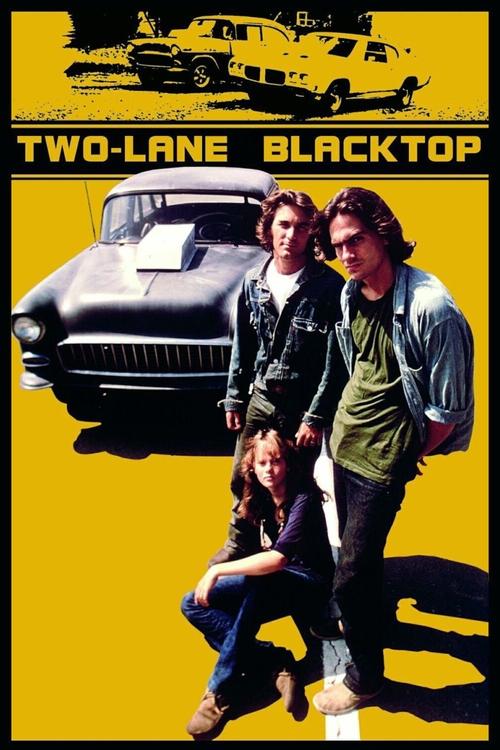
Two-Lane Blacktop1971
Monte Hellman's minimalist road film strips Western and chase narratives to their skeleton. Sparse, hypnotic, thematically strange without being surreal.
But Genuinely slow and plot-light. If you need forward momentum, this will feel like watching paint dry.
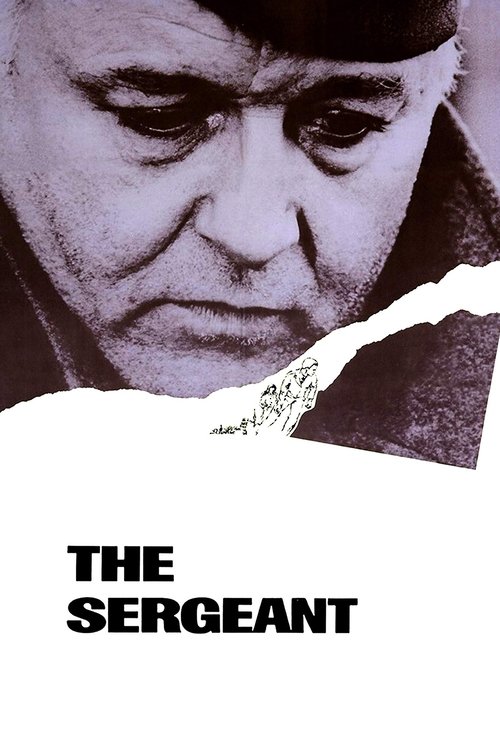
The Sergeant1968
Rod Steiger as a closeted military man in the desert. Transgressive 60s cinema that uses confinement and spiritual crisis in unexpected ways.
But Heavy and claustrophobic; its exploration of shame and desire is serious where Greaser's Palace is deranged.
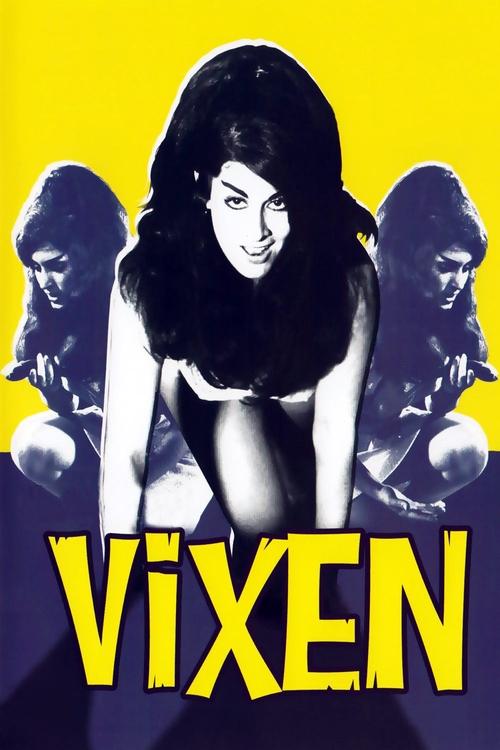
Vixen!1968
Russ Meyer's exploitation farce pairs scatological humour and absurd sexuality with genuine B-movie energy. Trash cinema that knows exactly what it is.
But Pure exploitation; the comedy comes from transgression itself, not from character or story. Misogyny as joke doesn't age well.
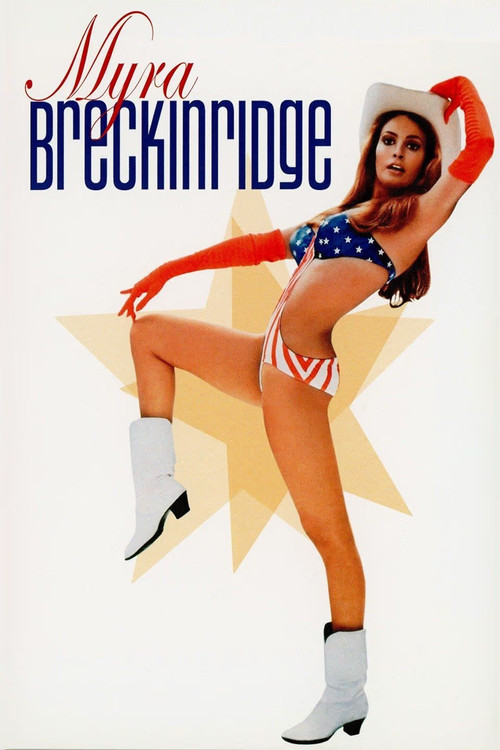
Myra Breckinridge1970
Based on Gore Vidal's novel, this satiric mess uses camp, celebrity, and gender fluidity to lampoon Hollywood and masculinity. Chaotic, misguided, occasionally brilliant.
But Tonally all over the place and generally considered a failure, even by those who admire its ambition. Dated satire that doesn't land.
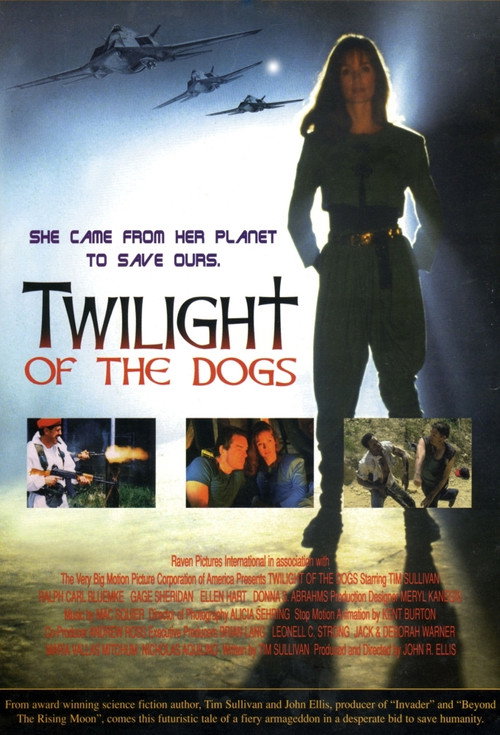
Twilight of the Dogs1995
Both emerge from 1970s international art cinema's conviction that bodies, bodily functions, and religious transgression could convey truths that naturalism couldn't touch.
A genuinely obscure 1970s Spanish avant-garde film that uses desert, bodies, and religious imagery in similarly uncouth ways. Spiritual vision through graphic weirdness.
But Genuinely inaccessible; finding a decent print is difficult, and no English subtitles guarantee. It's a document of its era, not a polished viewing experience.
Kes1970
Both films locate spiritual awakening in outsiders and landscape rather than institutions; both believe grace arrives through non-human connection.
Ken Loach's kitchen-sink film about a working-class boy and his hawk shares Greaser's Palace's use of landscape as spiritual refuge and its faith that outcasts can find transcendence outside society.
But Completely tonally opposite—naturalistic, humane, mournful. If you want Greaser's Palace for its surrealism, this will feel like realism's rebuke.

People
Cast
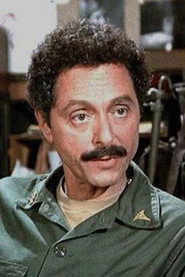 Allan ArbusJesse
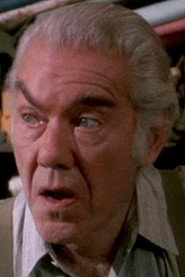 Albert HendersonSeaweedhead Greaser
 Luana AndersCholera
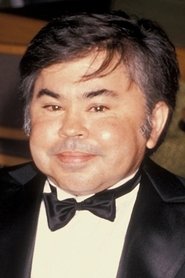 Hervé VillechaizeMr. Spitunia
 Toni BasilIndian Girl
 Don CalfaMorris
- Elsie DowneyWoman
- Michael SullivanLamy Greaser
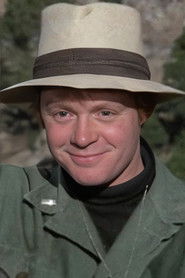 George MorganCoo Coo
 Lawrence WolfFrench Padre
- Larry MoyerIndian
- Don SmolenGip
Directing
- Robert Downey Sr.Director
- Robert J. KosterFirst Assistant Director
Writing
- Robert Downey Sr.Screenplay
Production
- Cyma RubinProducer
- James Gordon MennenProduction Manager
- Robert J. KosterProduction Manager
Recommended by
Meet the Feebles, The Cheap Detective, Josie and the Pussycats, Made For Each Other, A Bucket of Blood, Where’s Poppa?, Tromeo & Juliet, Cecil B. Demented, I Love You, Alice B. Toklas!, The Telephone Book